REVIEW · ROME
Rome: Private Golf Cart Tour with Artisanal Gelato
Book on GetYourGuide →Operated by Parisa in Rome · Bookable on GetYourGuide
Rome, minus the hassle. This private 100% electric golf cart tour lets you see the Colosseum area, Trevi Fountain, and more without the bus-pack chaos, and it can tuck you into restricted lanes regular cars can’t use. I love the smooth, quiet ride and the way your English-speaking guide (I’ve seen names like Ciro, Emmanuel, Giacomo, and Emilia) turns each stop into quick, useful context. I also love the small freedoms: photo stops built in, plus optional gelato/coffee breaks that can land away from the main crush. One thing to factor: entry tickets aren’t included, so you may only get exterior time at major sites like the Colosseum and St. Peter’s.
You’ll get picked up right at your city-center hotel and dropped back at the end, which is huge in a city where “just meet near the fountain” can eat half your afternoon. The ride is designed for a 2 to 2.5 hour hit of the classics plus a few Rome details most people miss when they try to do it all on foot.
In This Review
- Key highlights that make this tour worth your time
- Why a private electric golf cart beats Rome taxis and buses
- Hotel pickup in central Rome and how the ride time actually saves you
- Spanish Steps, Trevi Fountain, and the Pantheon in quick, camera-friendly bites
- St. Peter’s Basilica and Giardino degli Aranci without feeling rushed
- Circus Maximus, Piazza Navona, and the Aventine Keyhole story
- Colosseum time plus Trastevere flavor in the same ride
- Gelato, coffee, and the pacing you’ll feel in your body
- Pricing and value: what $72 really buys you in Rome
- Who should book this tour, and who should skip it
- Should you book this private Rome golf cart and gelato tour?
- FAQ
- How long is the Rome private golf cart tour?
- Is the tour private?
- Do I get hotel pickup and drop-off?
- What’s included in the tour price?
- Are entry tickets included for attractions like the Colosseum or St. Peter’s?
- Is the tour offered in English?
- Can I customize the route?
- Is gelato included?
- What do I need to bring?
- Is there a cancellation policy?
Key highlights that make this tour worth your time
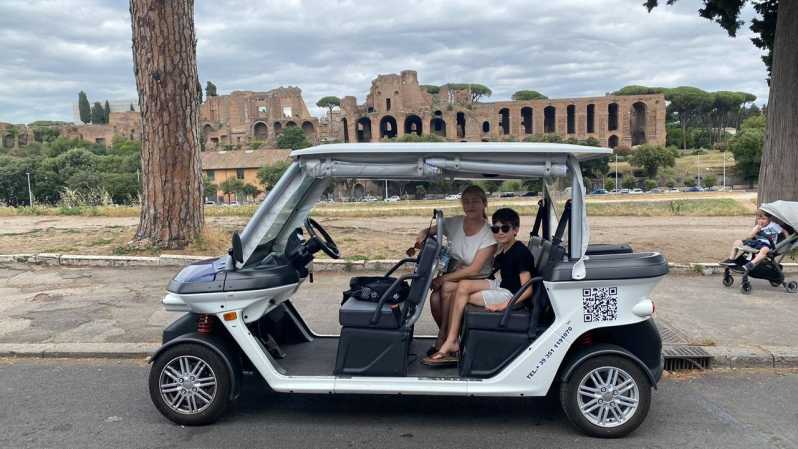
- 100% electric, whisper-quiet carts that feel easy in tight streets
- Private guide-and-driver time, not a group shuffle
- Routes that use restricted traffic zones and backstreets to reduce time lost in traffic
- A tight loop of big-name sights plus local-feeling stops like Trastevere and the Aventine Keyhole
- Frequent photo stops and short guided moments so you don’t waste energy guessing where to stand
- Built-in gelato or coffee breaks, and some guides take you to quieter spots
Why a private electric golf cart beats Rome taxis and buses
Rome is not hard to visit. Rome is hard to visit efficiently. A golf cart solves the main problem: you’re still sightseeing, but you’re not constantly fighting narrow streets, slow crosswalk timing, and the stop-start rhythm of buses.
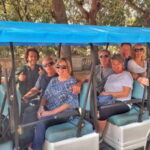
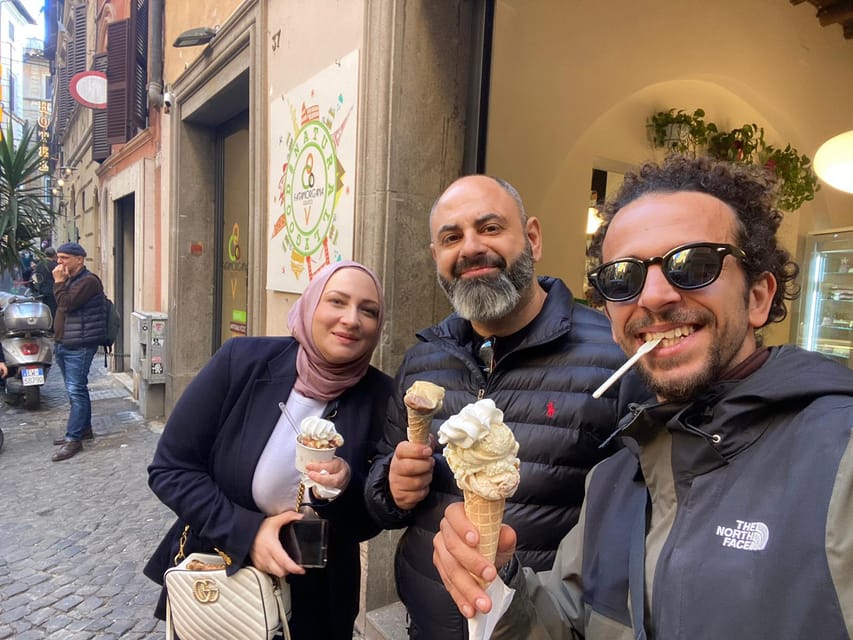
The big win here is the 100% electric cart. It’s described as green and whisper-quiet, which matters more than you’d think when you’re moving from place to place in a loud, busy city. You can actually hear your guide, take pictures without constant engine noise, and feel less drained even when you’re moving fast.
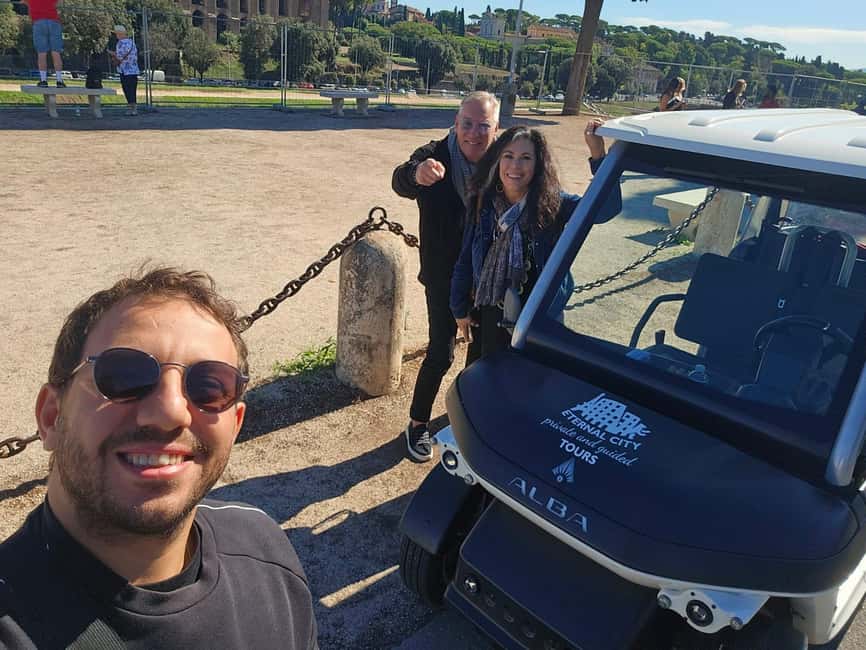
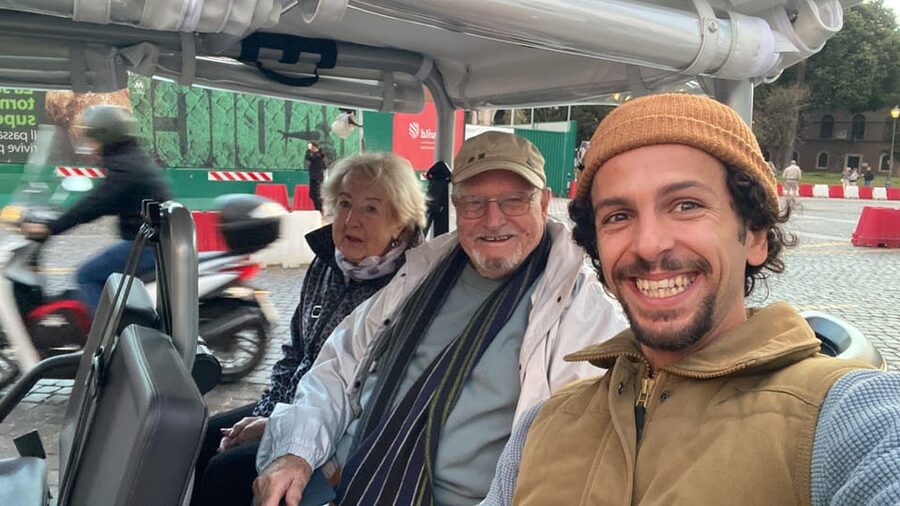
The second reason I like this style of tour: it’s private. You can ask questions, adjust the pace, and spend a little extra time at the stops that matter most to you. In the reviews, guides like Ciro and Emmanuel show up again and again as friendly hosts who keep things moving without rushing you.
The other practical point: with a cart, you can hit more spots than a taxi run and do it with less stress than walking plus metro-plus-waiting. For many first-timers, it’s the easiest way to start sorting out Rome’s layout fast.
You can also read our reviews of more private tours in Rome

Hotel pickup in central Rome and how the ride time actually saves you
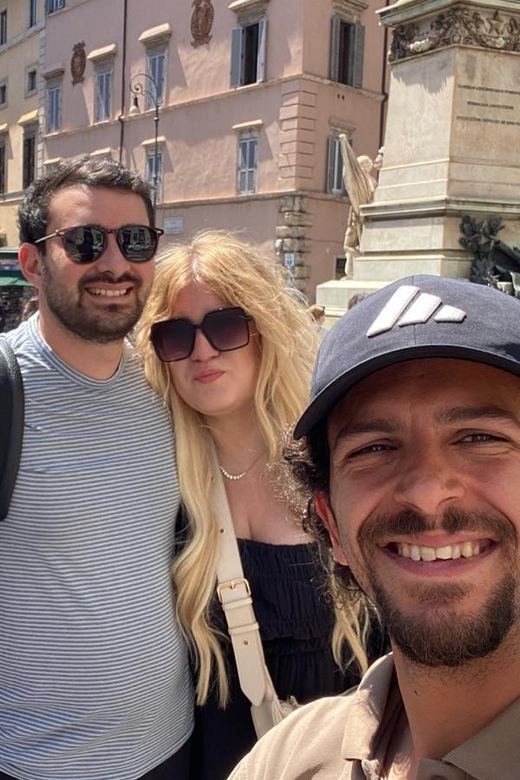
This tour includes hotel pickup and drop-off in the city center. That means you skip the usual “meet at a landmark and pray the timing works” dance. If your hotel is outside the service area, you’ll get detailed directions to the closest meeting point, so you’re not left improvising.
Once you’re in the cart, the driver can route you through restricted areas that many normal vehicles can’t enter. That’s the difference between “we saw a lot” and “we saw a lot without wasting time.” Reviews mention narrow side lanes and backstreet routes that help you avoid the worst traffic bottlenecks.
Also, the cart is designed for a 2 to 2.5 hour window, so the day doesn’t balloon. You’re not committing to a half day of planning. It’s a smart way to front-load key sights, then decide later what deserves a longer visit with tickets.
One small reality check: you’ll still be in Rome, which means there’s traffic and crowds near the famous zones. The advantage is that your guide tries to manage that with timing and route choices, and starting early often helps.
Spanish Steps, Trevi Fountain, and the Pantheon in quick, camera-friendly bites
The tour begins with a stop at the Spanish Steps—a classic photo point plus a guided orientation. Expect a quick “what you’re looking at and why it matters” moment, then time for photos and a scenic view stretch while you’re driven into the next area. This is ideal if you want the famous view without spending an hour circling for parking or the right angle.
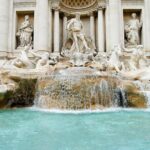
Next is Trevi Fountain. You get a photo stop and guided sightseeing, which is exactly what you need here because the fountain is surrounded by chaos. If you want to do the coin toss, this is the moment to do it—just move with the crowd flow and don’t block people trying to get their own shot.
Then you reach the Pantheon area. Even without entry tickets included, this is one of those “stand here and you get it” sights. The guided piece matters: your guide can point out what makes the building so distinctive so you don’t leave thinking you just saw a church façade. You also get another built-in photo stop, so you don’t have to guess where the best views are.
Why this set of stops works: it gives you a clear sampler of Rome’s style—Baroque drama at the Spanish Steps, myth-and-magic symbolism at Trevi, and architectural confidence at the Pantheon. In a short time, you start building the mental map that makes your later self-guided exploring better.
Possible drawback: since entry tickets aren’t included, your time at major interior sights may be limited to exterior views and quick looks depending on timing. If interior entry is a must for you, plan to add separate ticketed visits later.
St. Peter’s Basilica and Giardino degli Aranci without feeling rushed
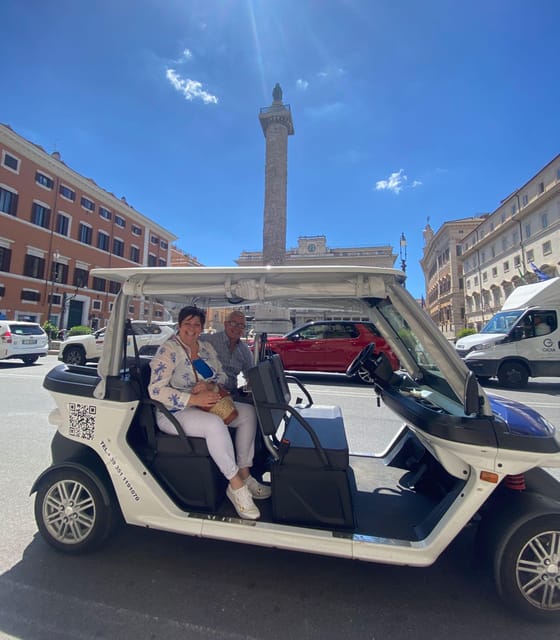
After Trevi and Pantheon, the tour moves to St. Peter’s Basilica for a photo stop and sightseeing. The setup here is about viewpoint and orientation—so you can recognize the scale and location before you commit to any longer visit. St. Peter’s is one of those places where you feel the city’s religious gravity immediately, even from outside.
Then comes the Orange Garden (Giardino degli Aranci). This stop is short but meaningful because you get a calmer view after the intensity of central Rome. It’s built as a photo stop plus visit and guided time, so your guide can help you frame the view and understand what you’re seeing.
One detail from the reviews that I really like: one guide (Emmanuel) was said to leave the cart and join people inside the church before moving on to the Orange Garden. That suggests your guide may find small ways to make the stop more personal, depending on timing and what you want to do.
The practical benefit of this part of the tour is pacing. You’re not just racing from monument to monument. You’re switching from dense sightseeing zones to a viewpoint that feels like you can breathe for a minute.
Circus Maximus, Piazza Navona, and the Aventine Keyhole story
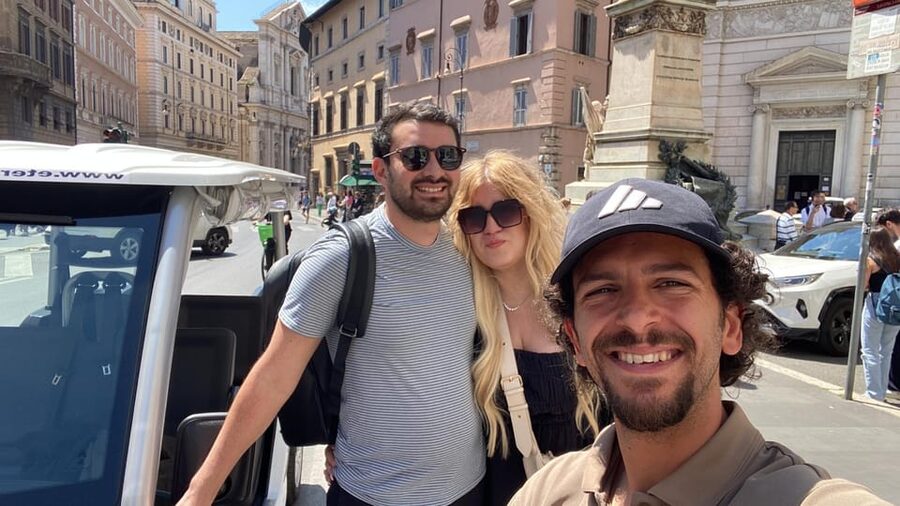
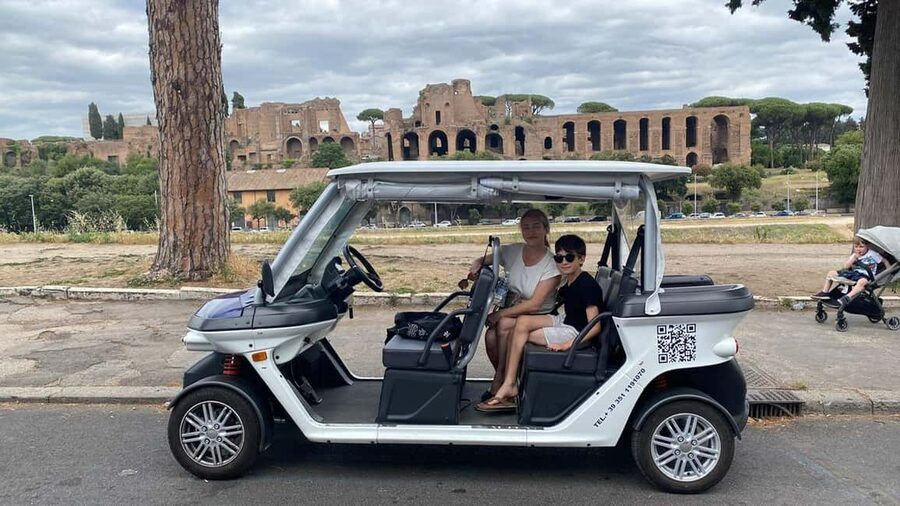
Next up: Circus Maximus. You’ll get a photo stop and guided sightseeing here, which is useful because the area can look “just ruins” unless someone points out what it used to be. Your guide helps you connect the dots between ancient Rome’s entertainment world and how the city sits now.
Then you stop at Piazza Navona, with a photo stop plus visit and sightseeing time. Piazza Navona is one of the best places in central Rome to soak in the human scale—artists, street life, and that long oval shape that makes the square feel theatrical. It’s also a great spot to take a break and let your feet reset, since the tour schedule is dense.
After Piazza Navona, the tour heads to the Giardino degli Aranci area already mentioned, then continues with the Aventine Keyhole stop. The keyhole is brief—photo stop plus visit and guided time—but it’s memorable because you’re doing something very Rome: getting a curated peek at a grand view through something almost silly and tiny. It’s the kind of moment that makes your photos look personal, not just postcard-perfect.
If you want one takeaway from this stretch, it’s this: you get a shift from big outdoor monuments to “small, specific viewpoints” that feel more intentional.



Colosseum time plus Trastevere flavor in the same ride
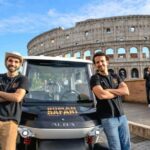
The tour includes the Colosseum as a photo stop plus guided tour and sightseeing. Since entry tickets aren’t included, think of this as a high-impact exterior orientation: you’ll learn what to look for, understand the Colosseum’s context, and get photos from angles that work for a short visit window.
A good guide makes a big difference at the Colosseum, because it’s easy to just stare. In reviews, guides like Giacomo, Ciro, and Jacopo are repeatedly praised for bringing stories that make the place feel less like a famous name and more like a real machine of the ancient world.
After the Colosseum, you’ll get Trastevere as a photo stop plus visit and guided time. This is one of the smartest touches in the itinerary. Trastevere is where Rome starts to feel like it lives there, not just where it gets photographed. You get a quick introduction, enough to whet your appetite, without pretending you can “solve” Trastevere in 10 minutes.
Why this combo works: you’re balancing Rome’s heavyweight icons with a neighborhood mood. By the end, you usually feel like you can tell where your future evening stroll should happen.
Gelato, coffee, and the pacing you’ll feel in your body
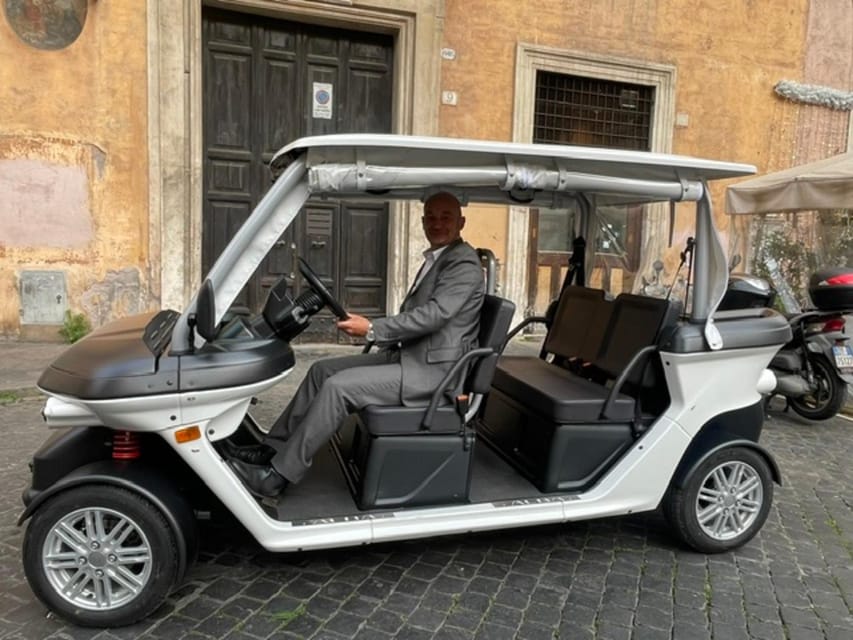
Short food stops are included: brief free stops for gelato or coffee, with bottled water also provided. In a city where food lines can grow fast, having a guide who knows when to stop—and where—can save you decision fatigue.
In the reviews, I saw specific examples of guides taking people to gelato shops away from the main tourist stream. Ruth mentioned a gelato stop out of the city center with no tourist crowds, and others praised the way guides time these breaks so you don’t feel like you’re wasting your limited 2 to 2.5 hours.
The pacing is the real value. You’re not walking nonstop, and you’re not spending so much time driving that you lose the plot. The cart also helps older visitors and people who prefer less physical stress, which shows up in reviews about comfort and first-day orientation.
If you’re the type who wants long meals, do the tour in the late morning or early afternoon, then plan dinner afterward. This experience is designed to get you orientated and excited, not to replace your whole day.
Pricing and value: what $72 really buys you in Rome
At $72 per person for a private 2 to 2.5 hour experience, you’re paying for three things that are hard to replicate cheaply in Rome:
1) Private transportation right from your hotel, with eco-friendly electric power
2) A guide who isn’t trying to manage a large group’s pacing
3) Route access that includes restricted zones and traffic-dodging backstreets
A taxi can get you between sights, but you don’t get a tailored guide, photo coaching, or the ability to flex around your interests. A bus tour can be cheaper per person, but it’s not private, and you’ll be stuck in crowd flow even when you’d rather move sooner.
So the real question isn’t only whether the price is “high” or “low.” It’s whether you’re the kind of traveler who wants to reduce friction and get orientation in one go. If you’re in Rome for a short stay, this is a strong way to turn 2 hours into real understanding of where everything sits.
Also: it’s easy to compare against buying tickets for multiple guided activities. Here, you’re paying mostly for movement plus interpretation. Entry tickets aren’t included, so treat it like a high-quality tour of the city outside the big-ticket admission gates.
Who should book this tour, and who should skip it
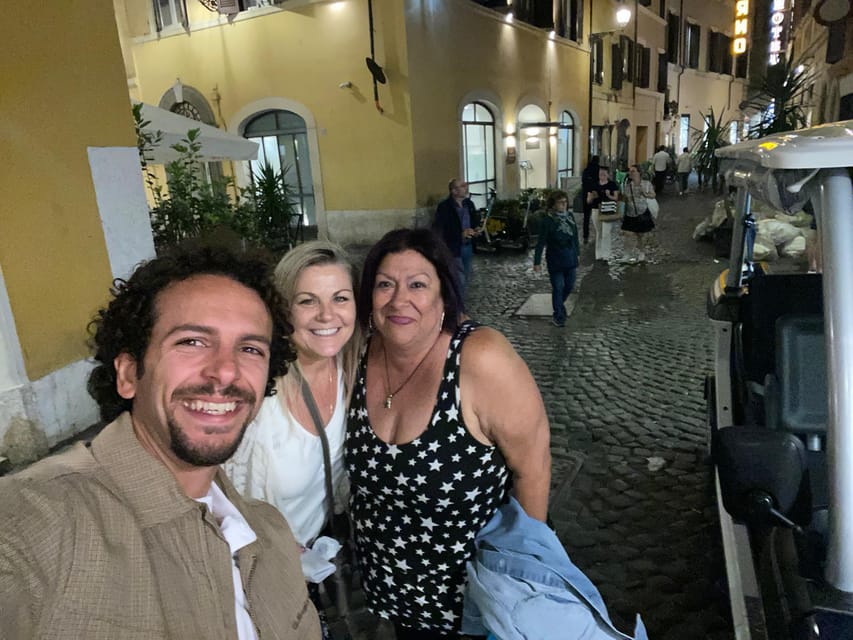
This is a great match if you:
- Want a first-day orientation to get your bearings quickly
- Prefer a lighter way to see lots of sights without intense walking
- Like photo stops with direction, especially around Trevi and Piazza Navona
- Want a guide who can recommend food later, which several reviews mention as a strong bonus
It may not be the best fit if you:
- Need wheelchair access. This tour isn’t suitable for wheelchair users and also doesn’t allow electric wheelchairs or non-folding wheelchairs
- Travel with small kids. It’s not suitable for children under 6
- Plan to bring big luggage. Strollers and large bags aren’t allowed
One smart move: if you have mobility limits, tell the guide at pickup. Reviews include examples of guides adjusting the route for walking issues. The cart helps, but the best experience comes from clear expectations.
Should you book this private Rome golf cart and gelato tour?
If you’re trying to see Rome efficiently without feeling like you’re sprinting, I’d book it. The private format, quiet electric cart, and hotel pickup are the kind of comfort upgrades that make a noticeable difference in a short trip.
You should book it now if:
- You want the big names—Spanish Steps, Trevi, Pantheon, Colosseum, St. Peter’s area—without spending your whole day stuck in logistics
- You value a guide-led route that uses backstreets and reduced-traffic access
- You like the idea of quick context plus built-in gelato/coffee breaks
Skip it or plan differently if:
- You mainly care about interior ticketed experiences and want long time inside. Since entry tickets aren’t included, you’ll need separate plans for that
- You need accessibility accommodations not offered here
My bottom line: this tour is a strong “Rome intro” that helps you move smarter for the rest of your trip. Then, you can use your newfound map to choose what to revisit on your own.
FAQ
How long is the Rome private golf cart tour?
It lasts about 2 to 2.5 hours, depending on timing and your pace.
Is the tour private?
Yes. It’s a completely private tour with your own guide and driver.
Do I get hotel pickup and drop-off?
Yes, pickup and drop-off are included for hotels in central Rome. If your hotel is outside that area, you’ll be given directions to the closest meeting point.
What’s included in the tour price?
Hotel pickup/drop-off, the private tour, eco-friendly electric golf cart transportation, a local guide with informative commentary, photo stops, brief free gelato or coffee stops, bottled water, and access to restricted traffic zones.
Are entry tickets included for attractions like the Colosseum or St. Peter’s?
No. Entry tickets are not included.
Is the tour offered in English?
Yes. The live guide provides the tour in English.
Can I customize the route?
Yes. The itinerary is customizable, and you’ll have time to discuss preferences before the tour begins.
Is gelato included?
Gelato or coffee is included as brief free stops during the tour.
What do I need to bring?
Bring your passport or ID card. A copy is accepted.
Is there a cancellation policy?
Free cancellation is available up to 24 hours in advance for a full refund.