REVIEW · ROME
Rome: Private Golf Cart tour with a Local Guide
Book on GetYourGuide →Operated by RomanSafari · Bookable on GetYourGuide
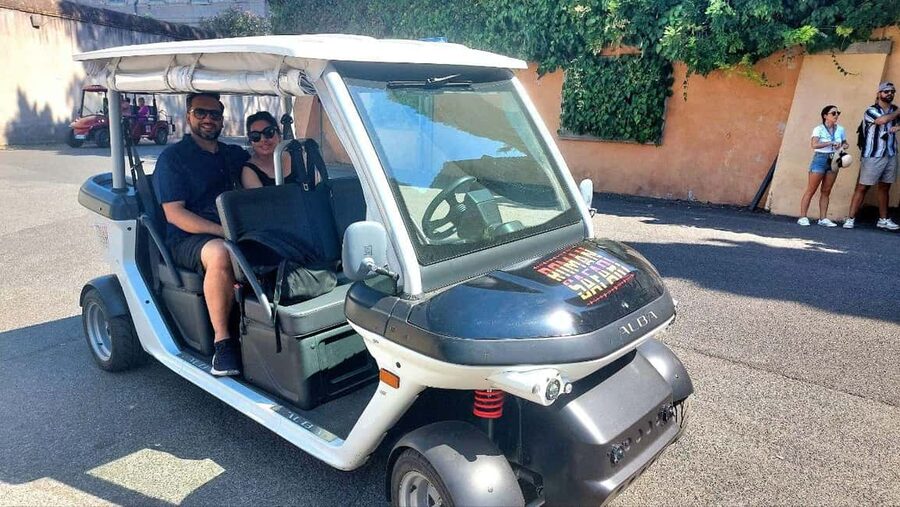
Rome feels like a museum you can ride through. This private, 100% electric golf cart tour turns key sights into a relaxed, photo-friendly loop, led by guides who know how to make the city easy to understand. I especially like the door-to-door hotel pickup and the way the route is built for Rome’s tight streets, not for long, sweaty walking marathons.
The main thing to plan around is that you’re still responsible for entry tickets, and several stops are designed for quick views and photos more than long inside visits. If you want deep, ticketed time in every monument, you’ll likely pair this with one or two longer, separate museum blocks.
In This Review
- Key things that make this golf cart tour worth it
- How the 100% electric cart keeps Rome comfortable
- Door-to-door pickup and drop-off (the real time saver)
- The routing advantage: restricted areas and narrow streets
- Roman Forum: the big-picture start, with photo time built in
- Rione Monti: quick break, strong Rome vibes
- The Altar of the Fatherland: pass-by for the skyline effect
- Colosseum: a photo stop plus a short walk
- Giardino degli Aranci: a viewpoint break that’s actually worth it
- Trevi Fountain: free time for photos, not a race
- Santa Maria Maggiore: pass-by that still adds context
- Piazza Navona and Sant’Ignazio di Loyola: culture with a human pace
- Price and value: $75 for a private loop that saves real effort
- What you can realistically see in 1.5 vs 2.5 hours
- Who this tour suits best (and who should choose something else)
- Should you book the Rome private golf cart tour?
- FAQ
- How long is the tour?
- Is this a private tour?
- Do you pick me up from my hotel?
- What languages does the guide speak?
- Are entry tickets included?
- Can I cancel for free?
- Is it stroller or wheelchair friendly?
Key things that make this golf cart tour worth it
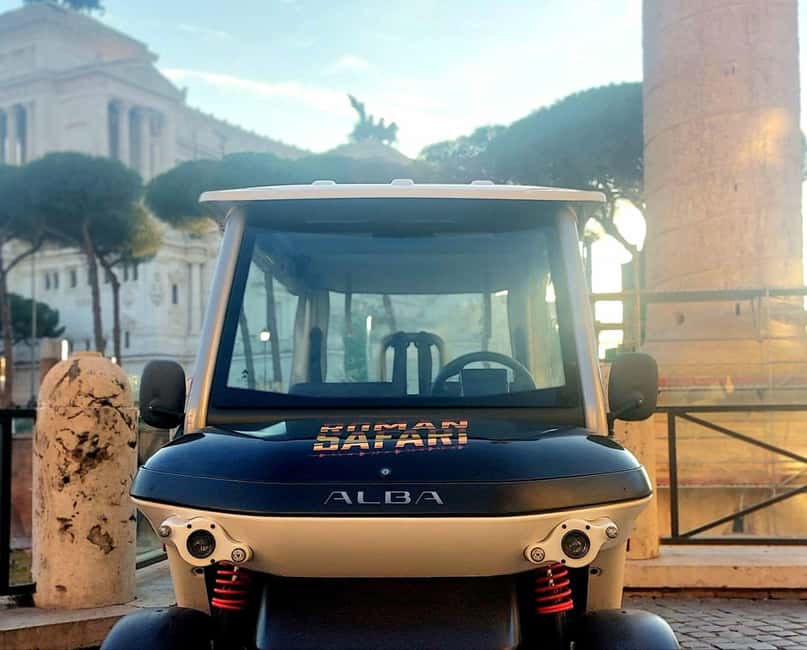
- 100% electric, quiet ride that keeps the tour feeling calm in chaotic traffic
- Private, English-speaking local guides who answer questions and adjust to your pace
- Smart access and routing through restricted areas to avoid worst bottlenecks
- Short, structured stops with photo breaks, plus a few chances to walk
- Hotel pickup and drop-off so you spend less time hunting meeting points
- Both 1.5-hour and 2.5-hour options for different time budgets
How the 100% electric cart keeps Rome comfortable
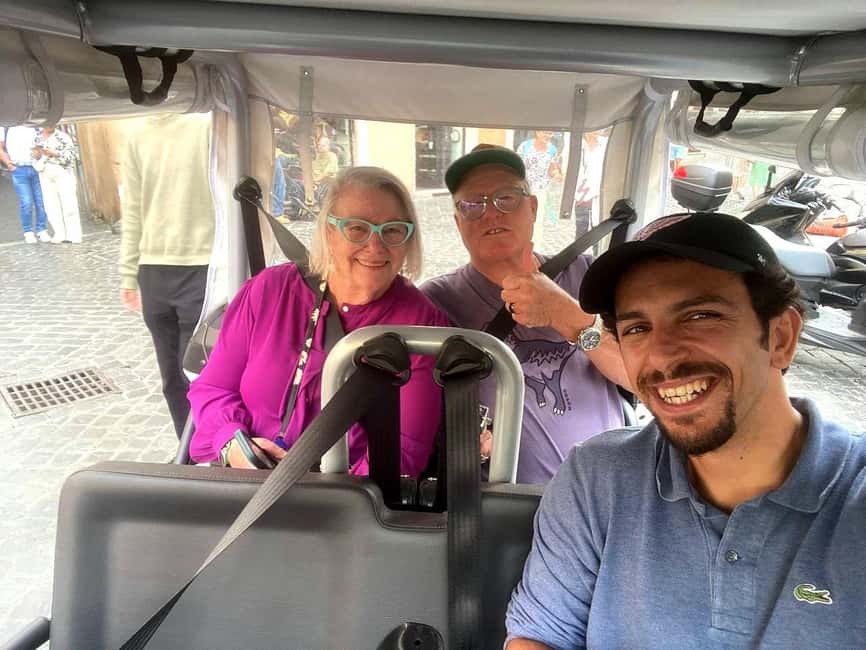
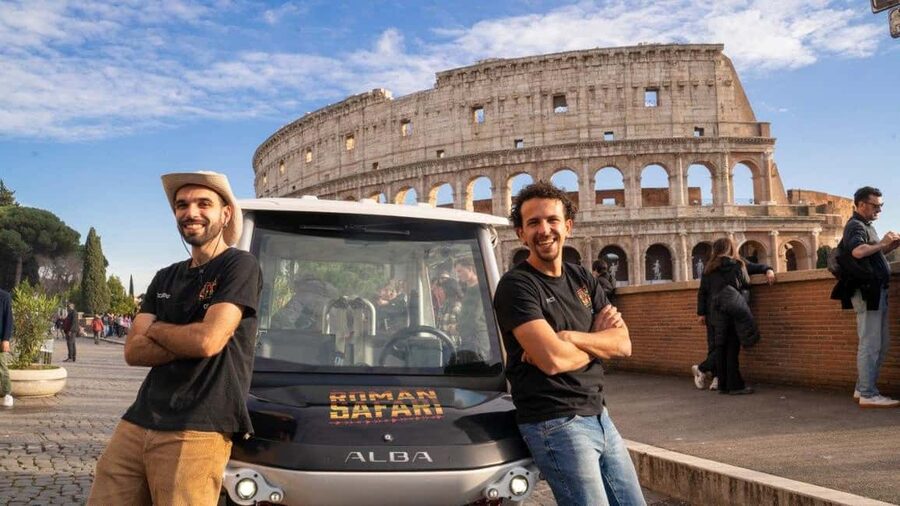
This tour is built around a simple idea: Rome is big, and the streets are narrow. Instead of burning time in queues and crosswalk chaos, you sit back in a comfortable electric golf cart and let your driver do the heavy lifting.
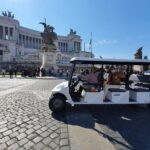
The cart is described as 100% electric and “green and silent,” which matters more than it sounds. Loud vehicles make sightseeing stressful. A quieter ride lets you actually hear your guide and enjoy the back-and-forth of street views and stories.
You’ll also get that Rome-versus-traffic reality handled for you. The driver’s job is to weave through tight lanes and crowded intersections, which is why this feels safer and easier than trying to DIY it by taxi or scooter.
You can also read our reviews of more guided tours in Rome


Door-to-door pickup and drop-off (the real time saver)
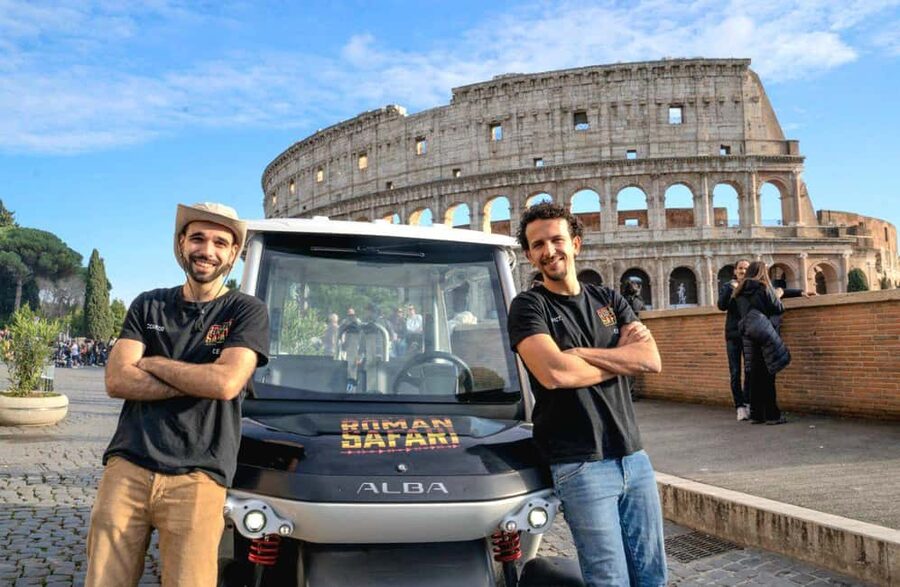
The pickup and drop-off are a big reason this tour works so well for short stays. Instead of meeting at a faraway plaza and then spending the first hour figuring out where everyone is standing, the plan is hotel pickup and drop-off in Rome or another city location you choose.
That makes it especially good if:
- You arrive with luggage and want to start sightseeing immediately
- You want a first-day orientation tour
- You’re traveling with parents, friends with mobility limits, or anyone who doesn’t want to do miles of walking
One more practical point: you’ll want to be reachable on your phone or email the day of the tour so the day-of coordination goes smoothly. Rome can be complicated. Clear communication keeps things easy.
The routing advantage: restricted areas and narrow streets
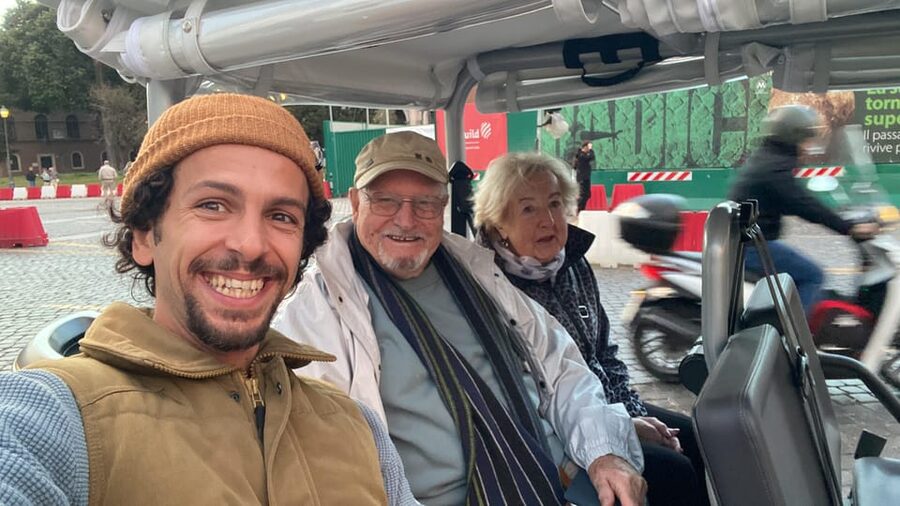
Rome rewards drivers who know the shortcuts. This tour specifically aims to use areas that are restricted and to avoid traffic by driving through narrow backstreets rather than forcing everything through the main roads.
In plain terms, that means you spend more time at your stops and less time stuck. It also helps you get closer to the places you care about, without doing the full “park, walk, repeat” routine.
Safety is part of this too. Several guides are praised for navigating Rome’s hectic flow with confidence, including handling changes when streets are closed or routes need adjustment. You won’t always notice the mechanics, but you’ll feel the difference in the calm pace of the tour.
Roman Forum: the big-picture start, with photo time built in
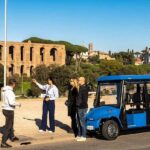
The first major stop is the Roman Forum, which is the best kind of beginning for a Rome sightseeing loop. You’re dropped into the heart of the ancient city, then given a short break plus a photo stop to reset before moving on.
This structure matters. Rome isn’t one single attraction. It’s layers. A quick break gives you time to find your bearings and focus your attention before the guide starts connecting dots about what you’re seeing.
You’ll also get a brief walking component later in the tour plan, but here the emphasis is on orientation. If you’ve never been to the Forum area before, this early stop helps you understand why the rest of the route makes sense.
Rione Monti: quick break, strong Rome vibes
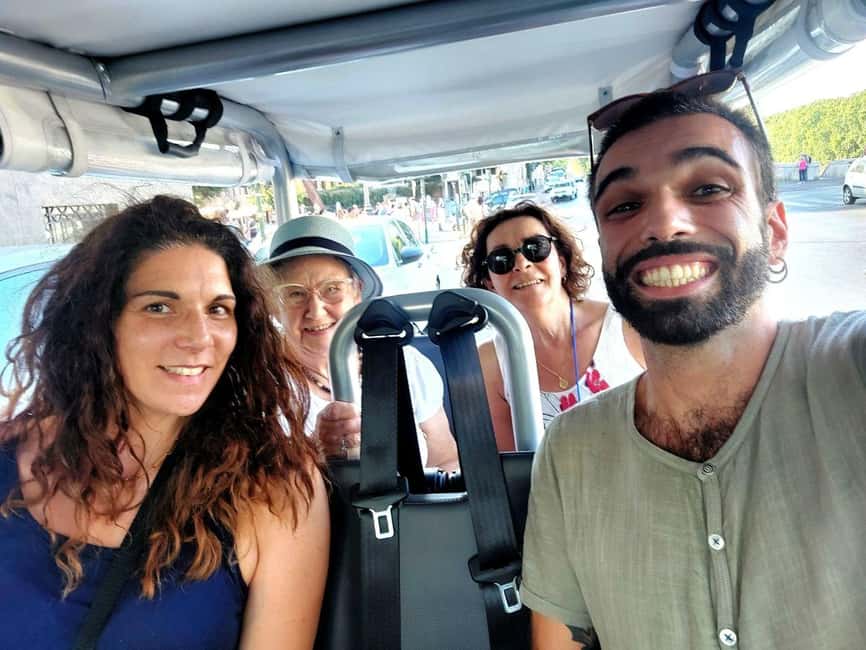
Next up is Rione Monti, one of those neighborhoods that feels like Rome remembered. You’ll have a small break and a photo stop to enjoy the streets without rushing.
Why Monti works on a cart tour: it’s close enough to the ancient core to keep the timeline efficient, but it still offers that “walkable Rome” mood. Even if you only have a few minutes outside the cart here, it changes the feel from monument mode into neighborhood mode.
It’s also a good checkpoint. If you’ve already seen this area, you can often use this stop to ask your guide what’s worth prioritizing next.
You can also read our reviews of more private tours in Rome

The Altar of the Fatherland: pass-by for the skyline effect
The tour includes a pass-by of the Altar of the Fatherland. That’s a helpful move for people who want the key landmarks without turning every moment into a ticket line.
This stop is shorter by design—think skyline and quick framing more than deep time. It’s best for getting the visual anchor of the area so later, when you’re walking around independently, the city feels less confusing.
If you love wide views, you’ll likely enjoy how this pass-by sets you up for the higher-feeling viewpoints later.
Colosseum: a photo stop plus a short walk

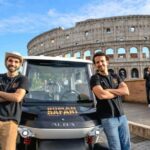
The Colosseum is one of the anchor moments, and the plan gives you both a break/photo stop and a short walking window. The schedule notes a walk segment of about 15 minutes, which is plenty of time to orient, grab meaningful photos, and get a sense of scale.
One important reality check: entry tickets aren’t included. So you’re managing expectations. This is still an excellent experience if you want the Colosseum in context from the outside and from the right angles.
If you do want to go inside, plan to add that separately. The value of this cart tour is that it gets you close, covers multiple highlights, and sets you up for a more focused return visit later.
Giardino degli Aranci: a viewpoint break that’s actually worth it

Next comes Giardino degli Aranci, with a break, a photo stop, and free time that includes a short walk window (about 15 minutes in the plan). This is the kind of stop that makes Rome feel cinematic.
It’s not just a pause. A viewpoint stop gives your brain a reset between major monuments. You can look out, take in the layers, then refocus when the next landmark pulls your attention back.
And because it’s free time, you can choose what you need: photos, a slower wander, or just a moment to breathe in the shade and heat.
Trevi Fountain: free time for photos, not a race
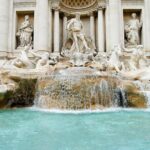
Then it’s Trevi Fountain, one of the most recognizable spots on earth. The plan gives you a break, a photo stop, and free time (again, about 15 minutes noted in the route).
That free time is key. You don’t want a strict, “look once and move on” experience at Trevi. You want a chance to take photos from the angles you like and to stand there long enough to feel the scale of the place.
A small tip: if you care about getting good shots, use your guide’s timing and pacing. The cart tour helps you arrive as part of a route instead of showing up alone and trying to time the crowds.
Santa Maria Maggiore: pass-by that still adds context
The tour includes a pass-by of Basilica Papale di Santa Maria Maggiore. This works well because it keeps the momentum while still giving you an iconic religious and architectural landmark.
Think of these pass-by moments like punctuation in the story. They add variety, so your day doesn’t feel like one long run of Roman ruins. Also, it helps you connect the ancient Rome parts to later eras.
If you’re the type who likes to wander inside churches, you might later want to do a separate visit when you have time for it.
Piazza Navona and Sant’Ignazio di Loyola: culture with a human pace
Next is Piazza Navona, with a photo stop and a short visit (about 10 minutes noted). Navona is lively and theatrical even without trying. It’s the kind of square where your eyes keep finding details.
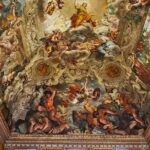
Then comes Church of Sant’Ignazio di Loyola, again with a photo stop plus a visit. This pairing is smart. After Navona’s open-square energy, the church stop gives you a change of mood without adding a huge amount of time.
These stops also balance the itinerary. You’ll have ruins and fountains, but you’ll also get church interiors and city squares that help Rome feel like a living place, not just an archaeological site.
Price and value: $75 for a private loop that saves real effort
At $75 per person for about 1.5 to 2.5 hours, this tour is positioned as a practical way to cover major highlights efficiently. The “private” part matters. You’re not splitting attention among a big group, and the guide can adapt the pace to your interests.
What you’re paying for:
- The cart ride and the local driving skill that avoids traffic trouble
- A live guide in English or Portuguese who can steer you through the city’s rhythm
- Hotel pickup and drop-off, which can easily be the hidden cost of self-guided sightseeing
What you’re not paying for: entry tickets. So the value is strongest for people who are happy with a mix of outside viewpoints, photos, and shorter inside moments where time allows.
If you’re on a tight schedule, this is often a good way to build a smart itinerary for the rest of your days. You’ll know what you loved most and what you want to return to without guessing.
What you can realistically see in 1.5 vs 2.5 hours
The tour is offered in 1.5-hour and 2.5-hour options. The route includes major named highlights such as the Colosseum, Roman Forum, Trevi Fountain, and the Pantheon among other classic sights, while the itinerary list focuses on specific stops with set breaks.
In practical terms, both durations are designed as highlight circuits. The longer option usually makes it easier to enjoy free time without feeling rushed, especially at viewpoints and the fountains.
The short version still has meaningful moments, but you’ll want to treat it like a fast orientation. The longer version is better if you want more time to stand, look, and ask questions without watching the clock.
Who this tour suits best (and who should choose something else)
This tour is a strong fit if you want:
- A private guide and a calm way to see Rome without long walks
- A smart first day that helps you decide where to spend deeper time later
- Door-to-door convenience with a guide who handles logistics
It may be less ideal if you:
- Want to spend extended time inside major monuments at this same time window (entry tickets are not included)
- Need stroller-friendly transport, since baby strollers aren’t allowed
- Rely on certain mobility equipment, because non-folding wheelchairs and electric wheelchairs aren’t allowed (so plan carefully)
Also, if you love to wander for hours, this is not meant to replace Rome walking days. It’s meant to get you oriented and moving efficiently, then let you choose what’s worth deeper exploration.
Should you book the Rome private golf cart tour?
I think you should book this tour if your goal is maximum Rome highlights with minimum hassle. The cart format is a real advantage in a city like Rome, and the combination of quiet electric driving plus local, English-speaking guidance makes the experience easier than most alternatives.
I’d especially recommend it when:
- You’re short on time
- You want hotel pickup and drop-off
- You’d rather spend your energy on seeing, not on figuring out where to go next
If your priority is full ticketed experiences inside major sites, consider this as the best “setup” tour, then add one or two longer ticketed visits afterward. That way you get both efficiency and depth—without trying to force the impossible into a single afternoon.
FAQ
How long is the tour?
The duration options are 1.5 hours or 2.5 hours, depending on what you choose and what starting times are available.
Is this a private tour?
Yes. It’s listed as a private group tour.
Do you pick me up from my hotel?
Yes. Hotel pickup and drop-off are included.
What languages does the guide speak?
The live guide offers English and Portuguese.
Are entry tickets included?
No. Entry tickets are not included, so you’ll need to arrange those separately.
Can I cancel for free?
Yes. It offers free cancellation up to 24 hours in advance for a full refund.
Is it stroller or wheelchair friendly?
No. Baby strollers aren’t allowed, and non-folding wheelchairs and electric wheelchairs aren’t allowed.