REVIEW · LISBON
Lisbon: Street Art Tuk Tuk Tour
Book on GetYourGuide →Operated by Mon Ami Tours · Bookable on GetYourGuide
Street art in Lisbon has layers, not just walls. This private tuk-tuk loop takes you beyond the postcard lanes to places where murals, old buildings, and community stories mix. You’ll hit the Marvila open-air gallery and follow the city’s art across neighborhoods that are still figuring out their next chapter.
What I like most is the mix of international graffiti with real Lisbon context—politics, neighborhoods, and why certain walls get painted when they do. I also love the practical setup: in a tuk-tuk, you cover more ground than on foot and still stop often enough for photos and questions, especially when guides like Tiago, Mario, or Frederico are leading the ride.
One consideration: the tuk-tuk ride can feel a bit bumpy, and the operator lists this tour as not suitable for back problems, wheelchair users, or pregnant women.
In This Review
- Key things that make this street art tuk-tuk tour work
- Why a tuk-tuk is the best way to see Lisbon’s newer street-art map
- Marvila’s open-air street-art walls (and what makes them more than decoration)
- The hilltop murals and the Tejo view you can’t easily recreate on your own
- Convents and palaces next to murals: Lisbon’s timeline in one ride
- Art deco industrial warehouses and worker neighborhoods: the city behind the paint
- What you’ll learn from the guide: stories, neighborhoods, and practical photo stops
- Price, duration, and whether it’s good value for a private tour
- Who should book this street art tuk-tuk tour (and who should skip it)
- Should you book this Lisbon street art tuk-tuk tour?
- FAQ
- How long is the Lisbon Street Art Tuk Tuk Tour?
- How much does the tour cost?
- What’s included in the price?
- What isn’t included?
- What languages are offered?
- Is pickup included?
- Is the tour suitable for everyone?
Key things that make this street art tuk-tuk tour work
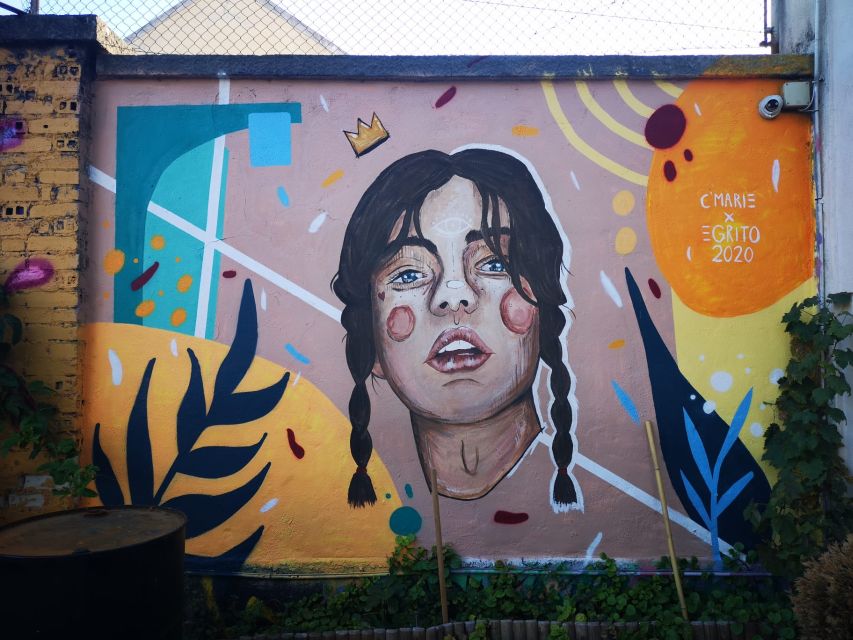
- Marvila’s open-air gallery: street art displayed like a public museum, with Ibero-American cultural pride.
- Hilltop murals + Tejo sightlines: you get big-piece buildings and a useful view over the river area.
- Lisbon’s timeline on the move: 17th and 18th-century convents and palaces appear right alongside modern mural culture.
- Industrial Lisbon in street-art form: art deco warehouse buildings and factory-worker areas help explain the city’s texture.
- You’ll actually get time at the art: guides build in moments to look closely, take pictures, and ask why a piece matters.
- Personal guide energy: names you might encounter include Tiago, Mario/Mário, Frederico, Raphael, Raquel, Nuno, and Flavio—often with humor and strong local pride.
Why a tuk-tuk is the best way to see Lisbon’s newer street-art map
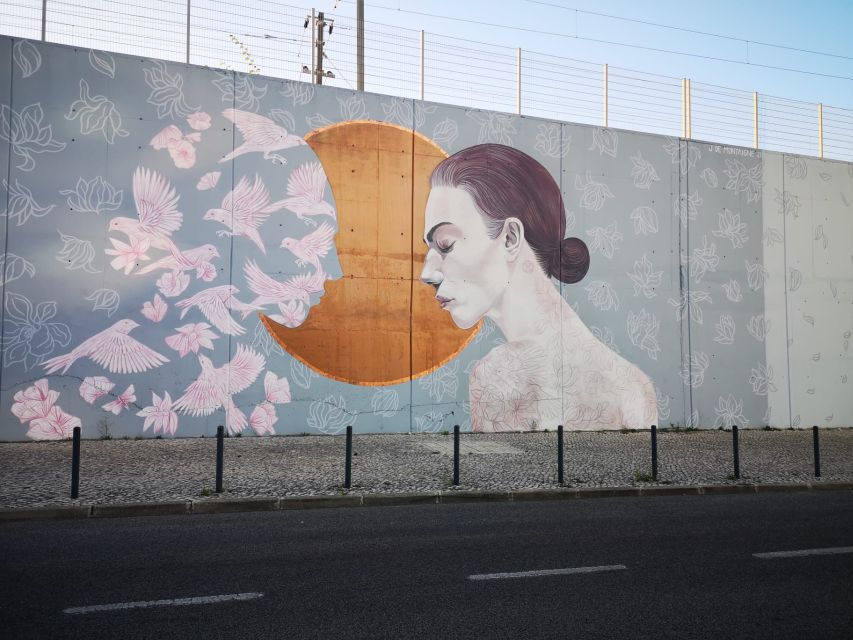
Lisbon street art isn’t all concentrated in one perfect block. It’s spread out—by geography, by neighborhood identity, and by who’s willing to repaint walls when the city changes. That’s exactly why a tuk-tuk works here. You get a kind of “transport with narration,” where you’re not just looking at art—you’re also learning how the city got to its current look.
With a private group (priced for up to two people), you also avoid the usual street-art trade-off: either you go solo and miss the best walls, or you join a bus tour and spend too much time traveling and not enough time stopping. Here, the ride is short enough to keep you moving, but not so fast you only glimpse artwork from the corner of your eye. If your guide is running the show well—many guides on this experience are praised for that—you’ll feel like you’re getting Lisbon’s street-art route tailored to what you care about, whether it’s style, artists, or the neighborhood impact.
A few more Lisbon tours and experiences worth a look



Marvila’s open-air street-art walls (and what makes them more than decoration)
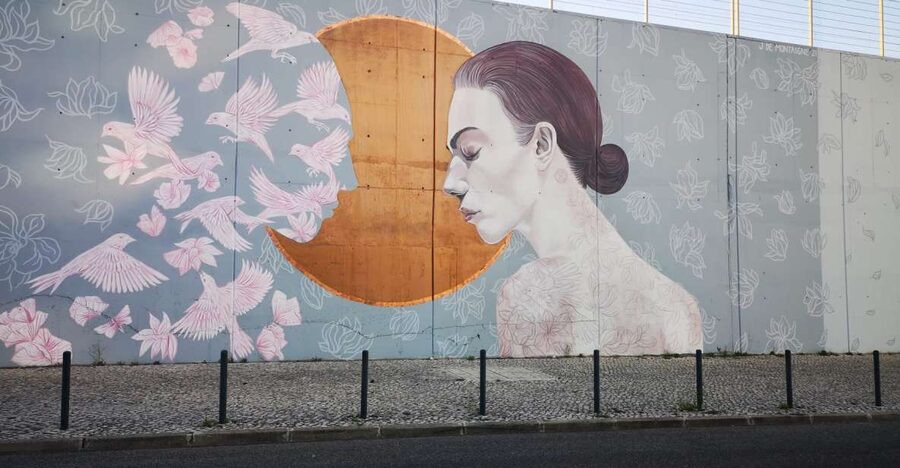
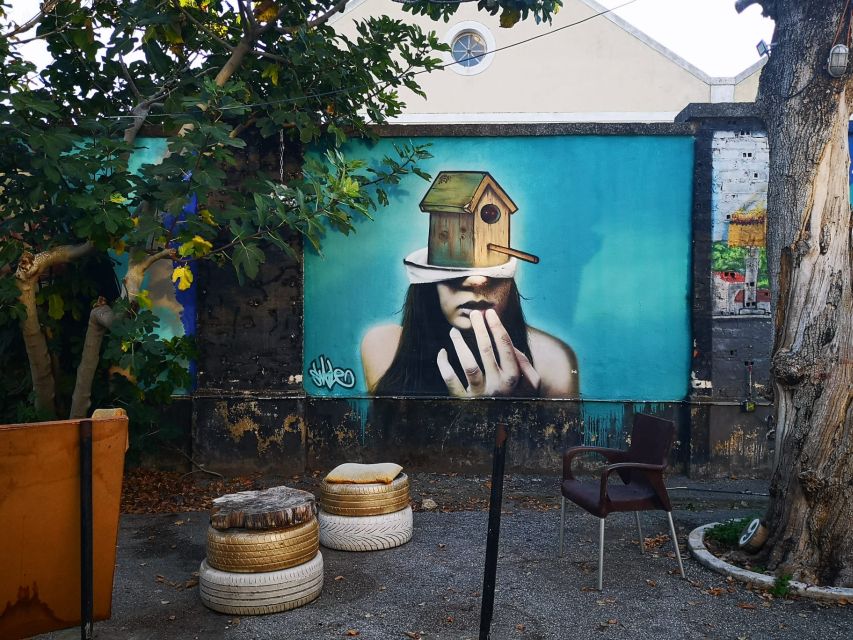
Marvila is described as an open-air gallery featuring international graffiti artists, celebrating Ibero-American culture. That matters because it sets the tone for the whole tour: this isn’t street art as background noise. It’s street art as identity—something communities use to show presence, history, and aspiration.
In Marvila, you can expect long stretches of painted walls where the art changes how you read the streets. Instead of seeing plain building surfaces, you start noticing scale, placement, and the way certain pieces act like landmarks. The tour’s framing also pushes you to look beyond aesthetics. You’ll get stories tied to the neighborhoods the murals live in, including how street art can help shift how people feel about an area.
This is one of the most valuable parts for me, because it gives you a lens you’ll carry elsewhere. Once you understand why the art is there, the rest of the ride stops feeling like random stops for photos and starts feeling like a city conversation.
The hilltop murals and the Tejo view you can’t easily recreate on your own
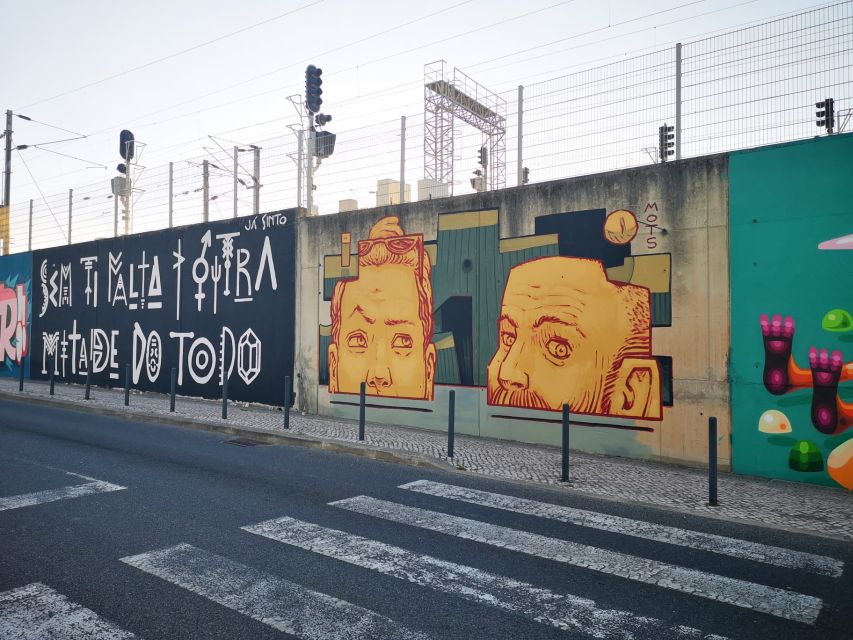
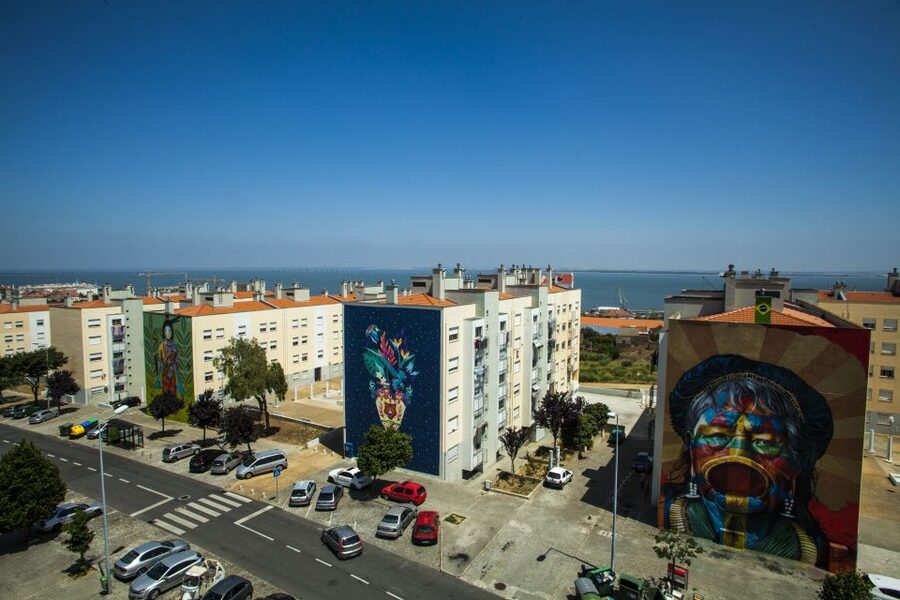
The tour includes 15 huge pieces of art on buildings situated on top of a hill. That’s a big deal in Lisbon, because hills control visibility. You’ll likely feel the change in perspective as you rise: different neighborhoods stack up in the distance, and the river becomes a reference point you can orient to.
The added Tejo view helps too. Even if you’ve seen Lisbon from viewpoints before, getting that river context from a street-art stop gives you a different feeling. It’s not just panorama for panoramas’ sake—it’s a way to connect art to place. When you’re looking at massive murals on a slope, you start thinking about audience and audience access: who can see it, how far it travels visually, and why an artist might want a piece to read from multiple angles.
Practical note: this is also where you’ll want your camera ready and your legs prepared for short walks while you reposition. A tuk-tuk gets you close, but you still need a bit of mobility to approach the buildings for the best view and the clearest photo angles.
Convents and palaces next to murals: Lisbon’s timeline in one ride
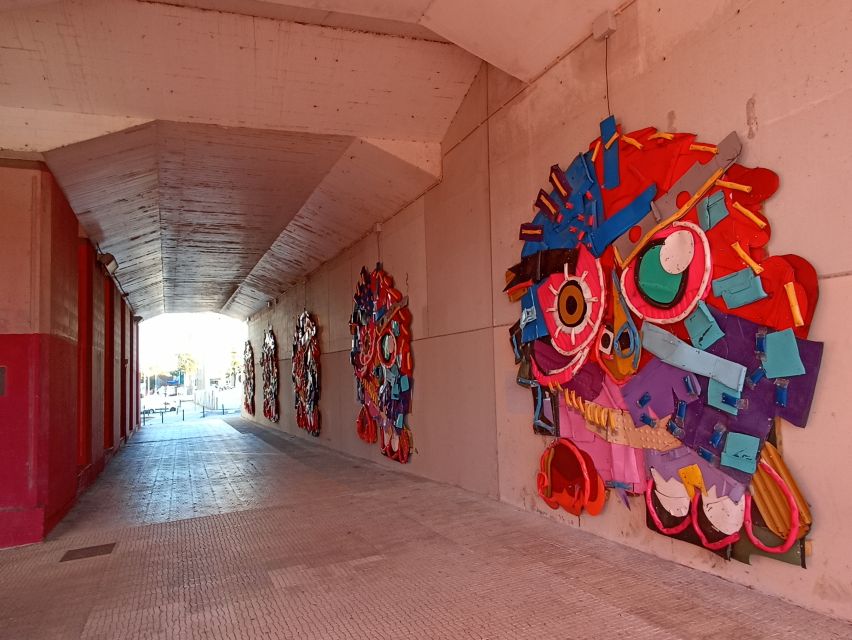
Lisbon has a talent for layering eras. This tour uses that strength in a smart way. You’ll see 17th and 18th-century convents and palaces during the same outing as you’re looking at modern mural culture.
That pairing does two useful things for you:
- It shows street art as part of the city’s ongoing visual language, not a separate trend.
- It reminds you that Lisbon always repurposes space—buildings and districts shift roles over time, and the walls keep recording those changes.
You don’t need a museum ticket to get this kind of historical context. The guide’s narration is where the old-world setting connects to the new art. If your guide is someone like Tiago or Mario, expect the storytelling to focus on why certain neighborhoods feel the way they do today, and how public art plays into that.
A drawback to keep in mind: since this is mainly outdoors, you’re at the mercy of weather and light. If rain starts, you’ll still be in motion, but you may have fewer perfect photo moments. If you’re serious about photos, consider aiming for a time of day when the light is kind to both buildings and faces—late morning or early afternoon is often a good bet in Lisbon.
Art deco industrial warehouses and worker neighborhoods: the city behind the paint
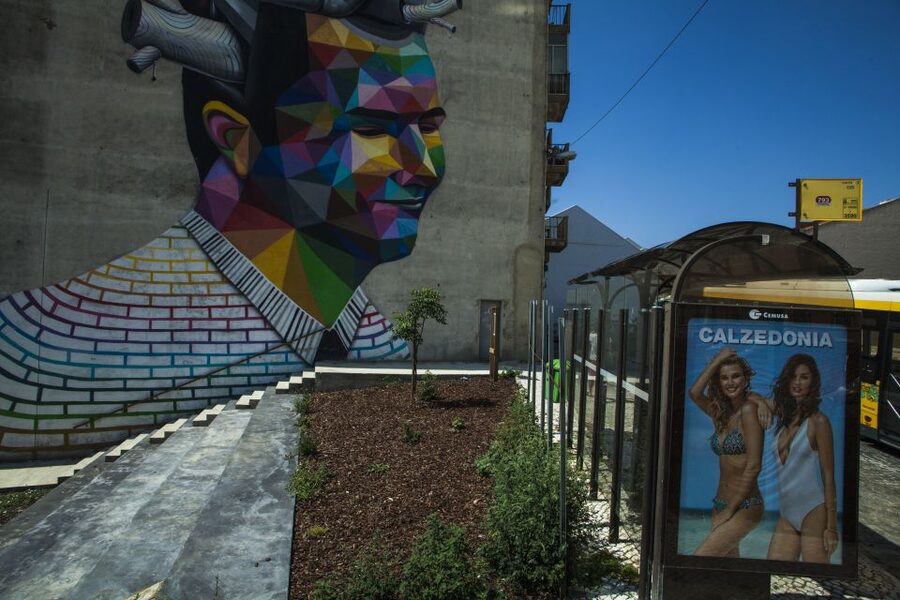
Lisbon street art isn’t only about artists with big reputations. It’s also about the built environment that makes big walls common—industrial zones, warehouse facades, and factory-worker areas.
The tour specifically calls out art deco industrial warehouses and buildings, plus vilas of factory workers. That combo is important. Those neighborhoods tend to have architecture designed for function, not charm. When street artists work on those surfaces, the art changes the emotional temperature of the place. It tells you, in a very physical way, how communities are reimagining where they live and how they want to be seen.
You’ll also see urban vegetable gardens. That detail might sound small, but it’s exactly the kind of truth-on-the-ground contrast that makes this tour feel real. Street art often gets discussed in terms of aesthetics, but here you’re also seeing how people use space for daily life—food, cultivation, and local routines—right next to painted messages on brick and concrete.





What you’ll learn from the guide: stories, neighborhoods, and practical photo stops
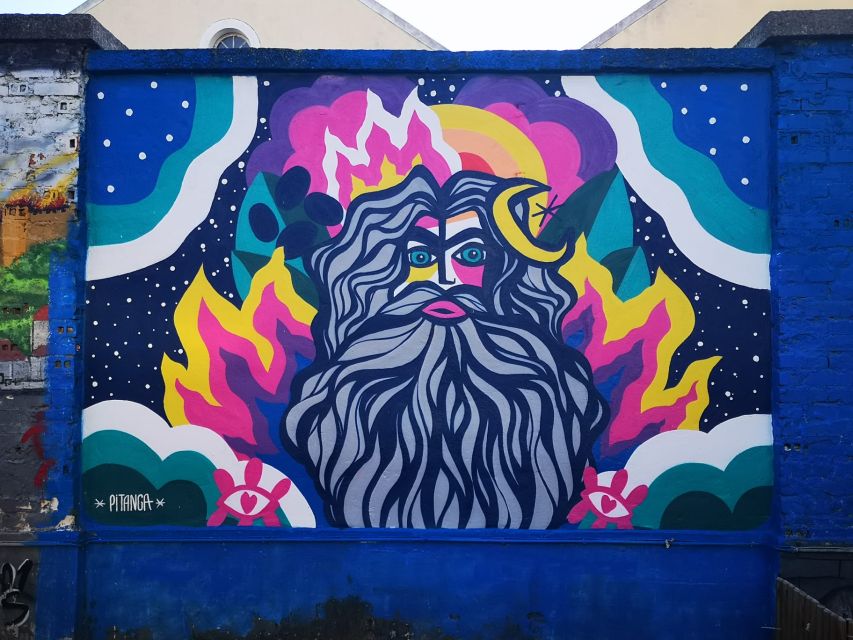
This is a guide-led experience, and the quality of the narration is the secret ingredient. English, Portuguese, and Spanish are available, and the driver guide role matters because the tuk-tuk isn’t just transport. It’s part of the story delivery: turning corners, pointing out building textures, and explaining context as you go.
From the strongest moments in guide feedback, you can expect a few recurring themes:
- Passion for street art and how it affects communities
- Clear explanations of the artwork and its setting
- Time to stop and take photos (not just drive-by views)
- Humor and personality, which turns a city tour into something you actually enjoy
You may also see customization. One guide experience notes that the guide asked questions about what you wanted from street art, then adjusted the route. That’s ideal for you if you have a specific interest—say, big murals versus smaller tags, or Ibero-American style influences versus more global graffiti names.
If you love street art but you also want to understand Lisbon’s social and economic shifts, this is the sweet spot. The best guides here make you connect the art to neighborhoods instead of treating it like a gallery you walk through and forget.
Price, duration, and whether it’s good value for a private tour
At $165 per group up to 2, you’re paying for three things: a private guide-driver, tuk-tuk transportation, and a structured route through multiple neighborhoods with meaningful stops. You’re not paying museum admission or buying food inside the tour price.
For value, think like this: Lisbon street art is spread out, and that dispersion is what costs you time when you try to do it on your own. Hiring the tuk-tuk reduces travel friction, and it also increases the chance you’ll see the right walls without guesswork. Add the fact that you’re getting history moments (convents/palaces) and industrial context (art deco warehouses, factory-worker areas), and the tour starts to feel like more than just an art walk.
Duration ranges from 2 to 4 hours, so choose based on your pace:
- Go closer to 2 hours if you want highlights and a quick neighborhood education.
- Go closer to 4 hours if you want more stops, more photos, and more time for guide explanations.
Also, this is a good “first or near-first day” activity if you want a street-art lens on the city early. It helps you notice later murals on your own and understand what you’re seeing.
Who should book this street art tuk-tuk tour (and who should skip it)
I’d steer you toward this tour if you:
- Love street art but want the why behind pieces, not just where to find photos
- Prefer exploring neighborhoods off the main tourist paths
- Want history and street art mixed together in one outing
- Like practical city movement—stop, look, learn, then move—without long transit gaps
I’d skip it if you:
- Need wheelchair access (it’s not listed as suitable)
- Have significant back issues or need a more stable seating setup
- Are pregnant (not suitable per the tour’s guidance)
- Are traveling with kids under 5 (not suitable)
If you’re on the fence but you’re mobile and comfortable with a bumpy ride, this tour can be a standout Lisbon experience because it gives you both art and context in the same time window.
Should you book this Lisbon street art tuk-tuk tour?
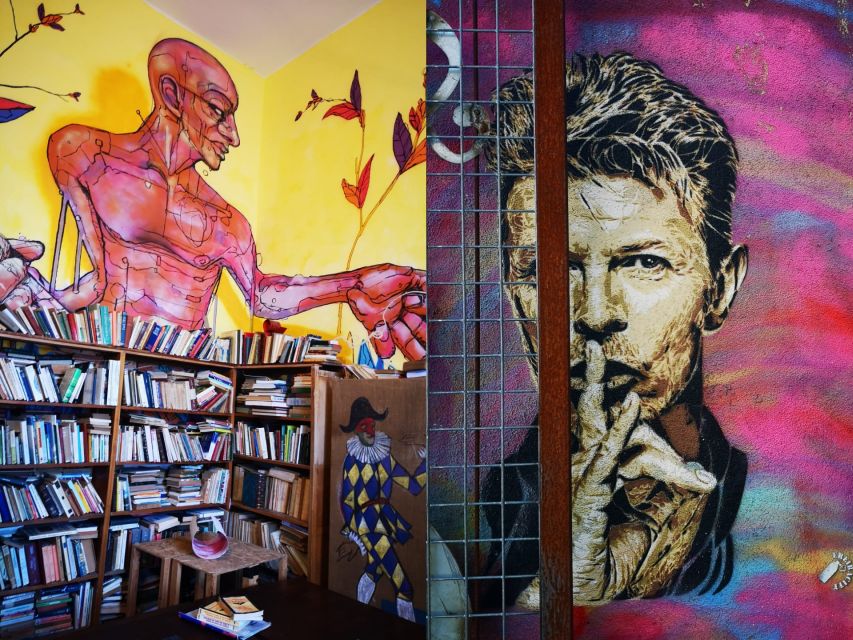
Yes, book it if your idea of a great Lisbon day includes seeing art where people actually live—Marvila’s open-air murals, massive hilltop pieces, and neighborhood layers that run from convents and palaces to industrial warehouses and worker housing. The private format is a real value boost for two people because it reduces wasted time and keeps the focus on stops that matter.
Hold off if you’re sensitive to rougher rides, need full accessibility support, or can’t do outdoor walking during stops. If that’s you, it’s better to choose a more accessible option.
If you do book, send your guide what you care about in street art. The guides here tend to work best when they can tailor the route—and you’ll get more out of every stop, from first mural to the last hilltop view.
FAQ
How long is the Lisbon Street Art Tuk Tuk Tour?
The tour lasts 2 to 4 hours, depending on the starting time you choose.
How much does the tour cost?
It’s listed at $165 per group for up to 2 people.
What’s included in the price?
You get a driver guide and transportation in a tuk-tuk.
What isn’t included?
Entrance fees to museums or monuments are not included, and food or drink is also not included.
What languages are offered?
The live tour guide is available in English, Portuguese, and Spanish.
Is pickup included?
Pickup is included for locations within the city center. If you’re outside the operator’s reachable area or too far from the city center, they’ll contact you to arrange a suitable meeting point.
Is the tour suitable for everyone?
No. It is not suitable for children under 5, people with back problems, wheelchair users, or pregnant women.