REVIEW · LISBON
Lisbon: 2-Hour Private City Highlights Kickstart Tour
Book on GetYourGuide →Operated by LocalCoolTour · Bookable on GetYourGuide
Lisbon feels best when you know where to look. This private 2-hour highlights walk is a fast, friendly way to orient yourself in Chiado and Baixa Pombalina, plus it throws in a few major landmarks without turning it into a museum slog.
I especially like the mix of stroll-and-story: you’re guided through famous churches, classic streets, and standout architecture with a local who can explain what you’re seeing. The other big win is practical value, like skip-the-line tickets for the Carmo Convent ruins, so you spend your time walking and looking instead of waiting. One possible drawback: it’s short, so if you want deep, slow sightseeing (or lots of time in each site), you’ll likely want to pair it with another focused activity later.
In This Review
- Key highlights to know
- Starting in Chiado: the meet-up spot and how it sets your tempo
- Chiado churches and street corners: Loreto and São Roque in plain context
- From Cervejaria Trindade to Santa Justa: tiles, arches, and a view worth the walk
- Largo do Carmo Square and the Carmo Convent ruins: where the skip-the-line earns its keep
- Baixa Pombalina architecture: Rossio Station, Casa do Alentejo, and the ginja moment
- Rua Augusta to Praça do Comércio: the grand approach to the river
- Price and private value: is $61 for two hours a smart deal?
- Who this tour fits best
- Should you book this Lisbon highlights tour?
- FAQ
- FAQ
- How long is the Lisbon private city highlights kickstart tour?
- What’s the meeting point for the tour?
- What’s included in the tour price?
- Do I get skip-the-line access anywhere?
- Where does the tour end?
- What languages are available for the live guide?
- Can children join the tour?
- Is there free cancellation?
- Can I reserve and pay later?
Key highlights to know
- Largo do Chiado start near iconic cafés, so you begin in the heart of the city
- Chiado + Baixa Pombalina orientation to help you understand how Lisbon is laid out
- Carmo Convent ruins with a separate entrance, saving time at a popular stop
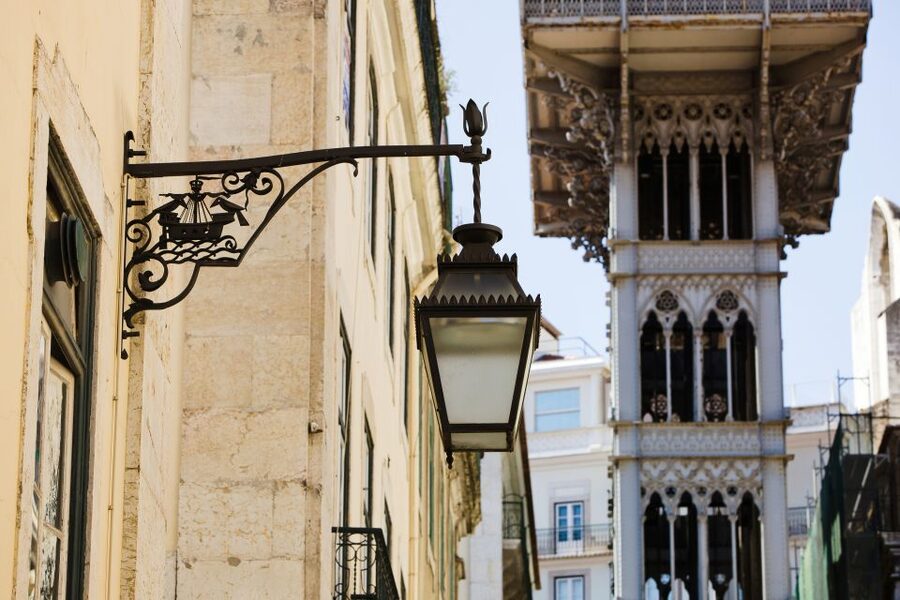
- Santa Justa Lift viewing stop for quick but memorable city panoramas
- Tiles, arches, and famous interiors at Cervejaria Trindade, plus a historic Baixa restaurant look
- Ginja liquor tasting built into the walk for a real local flavor moment
Starting in Chiado: the meet-up spot and how it sets your tempo

You meet at Largo do Chiado 17, right in the center of Chiado, in front of the traditional café, A Brasileira. That matters more than it sounds. Chiado is one of those Lisbon neighborhoods where the streets feel intimate even while you’re close to major routes. It’s a smart place to start because the tour can ease you in: you’re not immediately thrown into a maze of alleys with no bearings.
Chiado also helps you understand Lisbon’s rhythm. You’ll be walking through streets that look like postcards, but the guide keeps it grounded with practical context. The goal is not just seeing sights. It’s learning what connects them and how to move around the city afterward—so the rest of your trip feels easier.
If you’re the type who likes asking questions, a private guide is a big advantage here. One good guide can turn obvious landmarks into places you actually recognize later.
You can also read our reviews of more city tours in Lisbon

Chiado churches and street corners: Loreto and São Roque in plain context
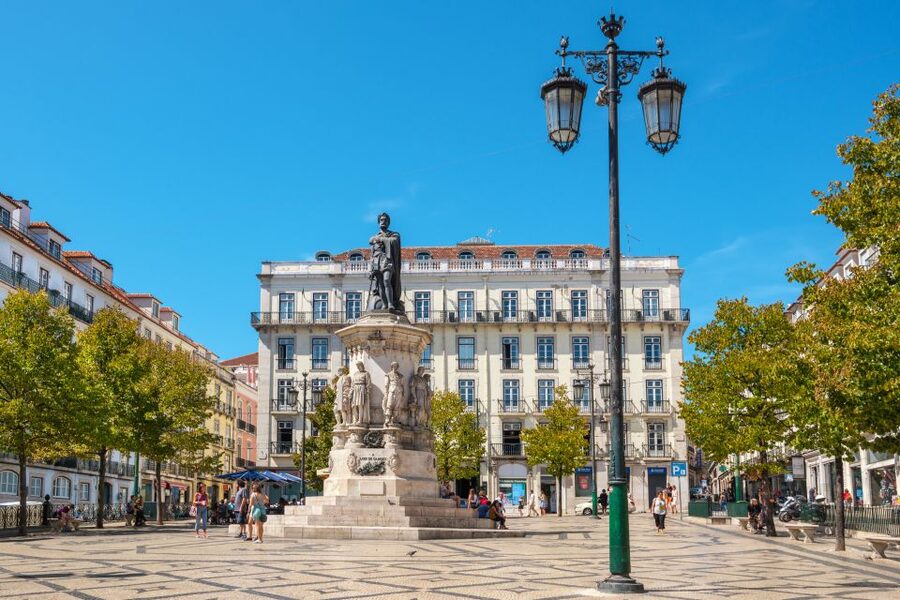
After your meet-up, the tour moves through Praça Luís de Camões and toward the church area around Nossa Senhora do Loreto. This stop is short by design, which is perfect for a kickoff tour. Instead of trying to absorb everything at once, you get just enough to spot details and know what to look for.
Next up is Igreja de São Roque. Churches in Lisbon aren’t all about one style. They’re often about layers—different eras, different artistic tastes, different ways people have expressed devotion in the city. In a two-hour format, what you gain is an eye for the variety. When you later stumble onto another church on your own, you’ll notice differences faster.
This section also includes a quieter, street-level moment: you’re walking, not rushing by. You’ll get time to pause, look, and absorb. That’s especially helpful if you’re arriving jet-lagged or if your first day needs a low-stress plan.
From Cervejaria Trindade to Santa Justa: tiles, arches, and a view worth the walk

One of my favorite parts of the tour plan is the move into a historic eatery: Cervejaria Trindade on R. Nova da Trindade. This isn’t just a restaurant stop. It’s an interior-design lesson. You’ll see Portuguese style expressed through tiles, fresco-like decoration, and arches. Even if you don’t linger for a long meal, the guide gives you a sense of why these visual elements matter in Lisbon’s identity.
Then you head to the Santa Justa Lift area. The lift itself is famous, but the tour’s pacing is the real smart choice: you get a guided visit window that’s long enough for photos and a genuine change in perspective. From up top, Lisbon’s layout becomes easier to understand—how neighborhoods stack, where major streets lead, and how the city feels pulled between hills and water.
If your trip is limited to a day or two, this kind of overview stop is more valuable than you might expect. It makes later wandering more purposeful.
Largo do Carmo Square and the Carmo Convent ruins: where the skip-the-line earns its keep

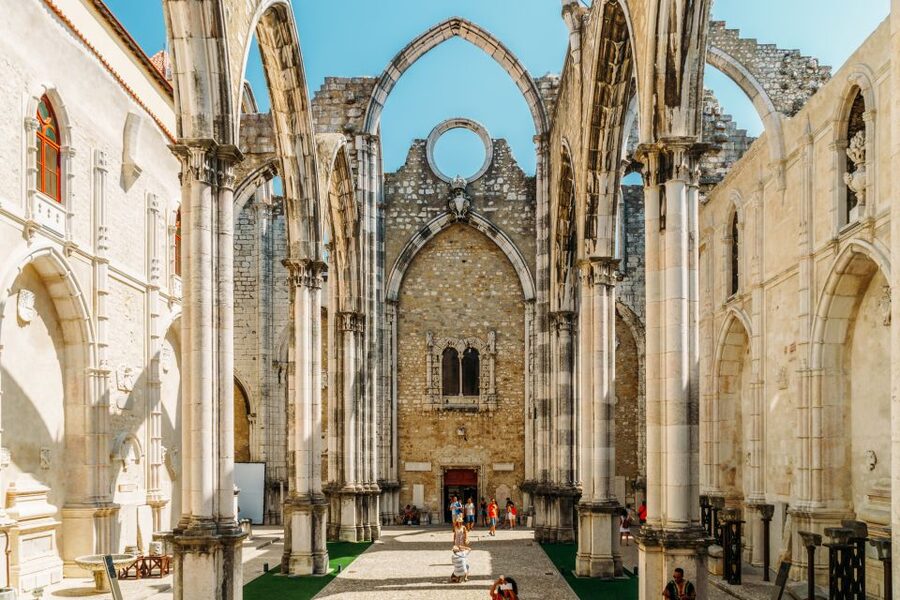
The tour includes Largo do Carmo Square and, importantly, the Carmo Convent ruins with skip-the-line tickets. Carmo Convent is one of those sights you can’t fully grasp from a distance. The ruins create a mood: open sky, broken walls, and a sense of history you feel more than read.
That’s exactly why the “skip-the-line” part is worth mentioning. When a site is popular, queues can eat your energy fast. With a separate entrance, you’re more likely to arrive and move in calmly, rather than spending the most interesting part of the day standing still. You still get the walking time and the guide’s context—you just lose less time to waiting.
There’s also a built-in reset at the square. You’re given a chance to relax under the trees in Largo do Carmo, which is a small detail that makes a big difference in a 2-hour plan. It keeps the pace from feeling like a sprint.
Baixa Pombalina architecture: Rossio Station, Casa do Alentejo, and the ginja moment
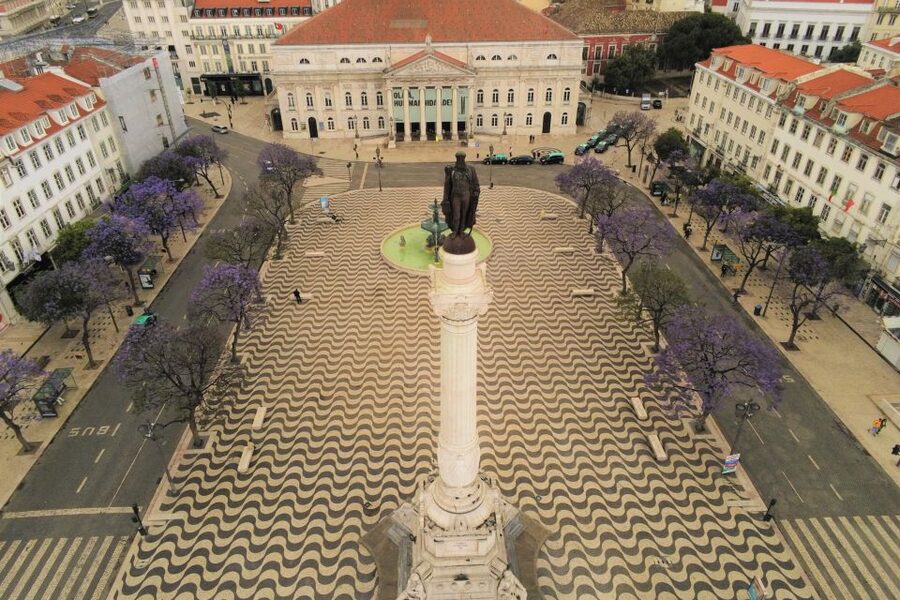
After Carmo, the tour transitions into Baixa Pombalina, the area known for its coordinated urban planning after major rebuilding. This matters because you’ll start to see the grid and the grand street geometry that make Lisbon’s “center” feel different from the hillier neighborhoods.
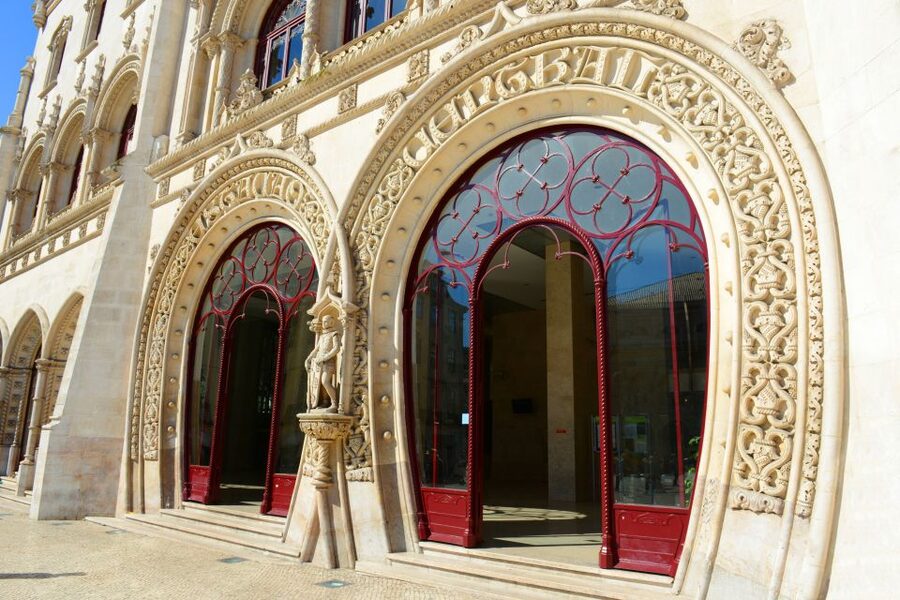
You pass through Estação do Rossio, where the guide points out Neo-Manueline architecture. That style label is useful, but what you’ll actually notice on the street is the ornament and the sense of national pride expressed in stonework details.
Next, you take in the exterior atmosphere of Casa do Alentejo, a former palace with a neo-Moorish style touch. It’s a quick stop, but it helps you connect architecture to Lisbon’s identity: you’re not just looking at buildings; you’re seeing how Lisbon’s past influences its aesthetics.
Then comes one of the most Lisbon experiences you can get in two hours: tasting ginja, described as Portugal’s most popular liquor. You don’t need to know everything about it to enjoy the moment. It’s a simple, social stop that gives your tour a sensory memory, not just visual ones.
You’ll also visit Church of São Domingos, another key church stop that rounds out the Baixa religious landmark picture. Even if churches aren’t your main interest, this part helps you feel how Lisbon’s landmarks cluster—where people built big, visible spaces for community life.
You can also read our reviews of more private tours in Lisbon





Rua Augusta to Praça do Comércio: the grand approach to the river
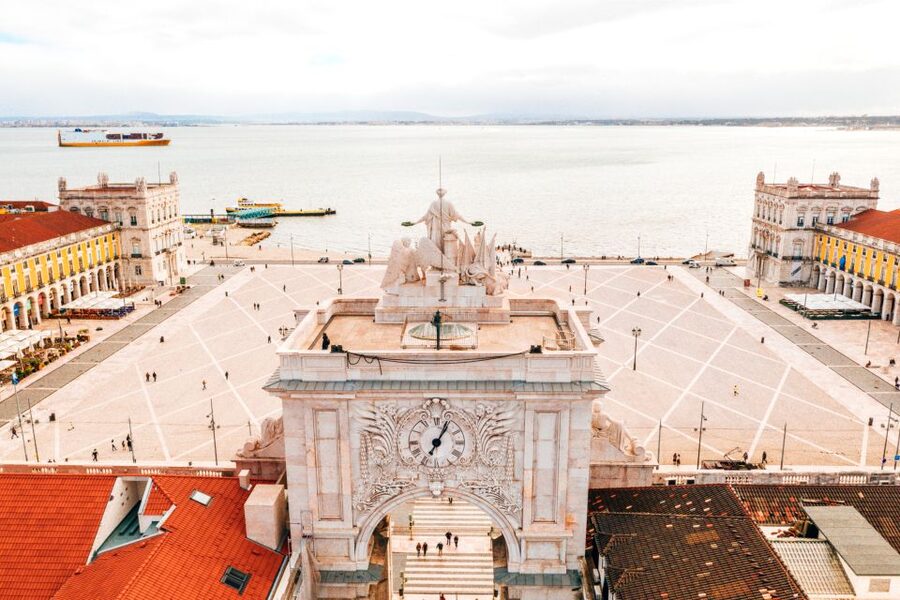
A major highlight of any first visit is walking the classic axis from Rua Augusta to the arch that leads into Praça do Comércio. The tour uses this section as a breather from churches and interiors, because the reward is immediate: suddenly the street opens up, the scale changes, and the city feels more cinematic.
From the arch you’re brought into Plaça do Comércio, where Tejo River views close out the experience. That finish is smart because it gives you a natural emotional landing. After moving through stonework, ornament, and busy squares, the river air resets you.
This ending also helps your practical travel planning. When you later return to Baixa, you’ll know exactly which “spine” streets connect to the water and where major pedestrian zones funnel you.
Price and private value: is $61 for two hours a smart deal?
At $61 per person for a 2-hour private walking tour, the value depends on what you want your guide to do for you.
Here’s how I’d think about it:
- If you’re in Lisbon for a short window or you want the fastest possible city orientation, private guiding can be worth it because it replaces guesswork.
- You also get skip-the-line tickets for the Carmo Convent ruins, which is a real cost and time saver compared with trying to coordinate everything on your own.
- The tour includes a guided route through multiple major landmarks (Chiado, Baixa, churches, Santa Justa area, Praça do Comércio) plus a traditional liquor tasting.
The main trade-off is the obvious one: two hours is not enough to linger. If you’re the type who wants long chapel time, long café time, or lots of museum-style stops, you might feel the tour is “too quick.” But if you want a strong first-day framework that makes the rest of your Lisbon easier, it’s priced like a practical shortcut.
Who this tour fits best
This is a great fit if:
- You’re visiting for the first time and want Chiado + Baixa as your base understanding.
- You like stories tied to what you’re looking at, not just dates and names.
- You want a private guide who can keep the pace right for your group.
It’s also ideal on days when you don’t want to spend time planning how to link sights. The route already strings together the city’s iconic “must-sees” in a logical order, ending in a place where it’s easy to continue exploring on your own.
One more note on guide quality: recent feedback highlights guides such as Mafalda, Andre, and Joana for sharing both past and present Lisbon with real enthusiasm, and for showing places you might never choose without guidance. That kind of energy matters on a short tour.
Should you book this Lisbon highlights tour?
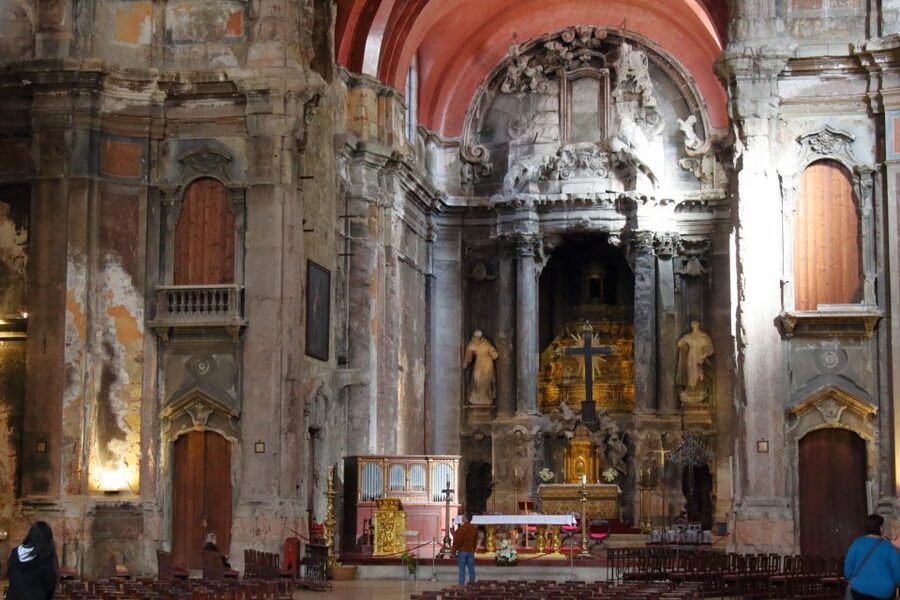
Yes, if you want a first-day plan that feels like local navigation, not a check-the-box route. The combination of Chiado and Baixa orientation, the Carmo Convent skip-the-line entry, the Santa Justa viewpoint, and the ginja tasting gives you a strong mix of architecture, atmosphere, and taste in just two hours.
Skip it if you already know Lisbon well and you’re looking for a deeper, slower focus on one neighborhood or one theme. In that case, you might prefer a longer specialized tour.
If you’re deciding between doing this and trying to piece it together alone: for $61 and a private guide, you’re paying to save time, cut confusion, and get context fast. That’s usually the right price to pay early in a trip.
FAQ
FAQ
How long is the Lisbon private city highlights kickstart tour?
The tour lasts 2 hours.
What’s the meeting point for the tour?
Meet your guide at Largo do Chiado 17, in front of the traditional café A Brasileira.
What’s included in the tour price?
It includes a 2-hour private walking tour, a local live guide, traditional Portuguese liquor tasting (ginja), and skip-the-line tickets to Carmo Convent.
Do I get skip-the-line access anywhere?
Yes. You receive skip-the-line entry to the Carmo Convent through a separate entrance.
Where does the tour end?
The tour finishes at Praça do Comércio, 1100-148 Lisboa, Portugal.
What languages are available for the live guide?
The guide is available in English, Portuguese, Spanish, and French.
Can children join the tour?
Yes. Children can participate for free.
Is there free cancellation?
You can cancel up to 24 hours in advance for a full refund.
Can I reserve and pay later?
Yes. You can reserve now and pay later.