REVIEW · LISBON
Paint tiles and create unique pieces in an art gallery in Lisbon
Book on Viator →Operated by Atelier1758 · Bookable on Viator
Your Lisbon souvenir can be handmade in 2.5 hours. This small-studio workshop teaches traditional and contemporary tile painting with an easy, step-by-step structure, and it is guided by the artist at Atelier1758. I like that you do not need any experience to start, and I also like the steady, practical help while you sketch and paint. The main thing to consider: the included, authentic finish involves oven cooking (minimum 24 hours), so you may get your tiles later via delivery instead of holding them immediately.
You’ll also like the relaxed vibe. It is built for groups and can be customized for a special day or a simple catch-up with friends, and there is an option to enjoy Portuguese wine during the class. The payoff is real craft, not a take-a-photo-and-leave souvenir.
One more practical note: the studio is capped at 8 people, which is great for attention, but it also means the schedule is less flexible if you’re trying to squeeze this in last-minute. Still, the class runs about 2 hours 30 minutes, so it fits neatly into a day.
In This Review
- Key things to know before you paint
- A Small Lisbon Studio, Not a Factory Class
- Price and What You Really Get for $60.25
- Where to Meet in Lisbon (And How to Plan Your Timing)
- The 2.5-Hour Flow: Presentation, Demo, and Your Own Tile
- What You’ll Make: Two Painted 15×15 Tiles
- Traditional Cooking vs Faster Option (So Your Souvenir Plan Works)
- Painting Techniques You’ll Actually Use
- The Best Part: Hands-On Help and a Big Pattern Menu
- Optional Wine and a Workshop That Can Fit Your Occasion
- Taking Your Tiles Home: Delivery Made Practical
- Who Should Book This Tile Workshop (And Who Might Skip)
- Quick Tips to Get Better Results (Without Overthinking It)
- Should You Book This Lisbon Tile Painting Workshop?
Key things to know before you paint
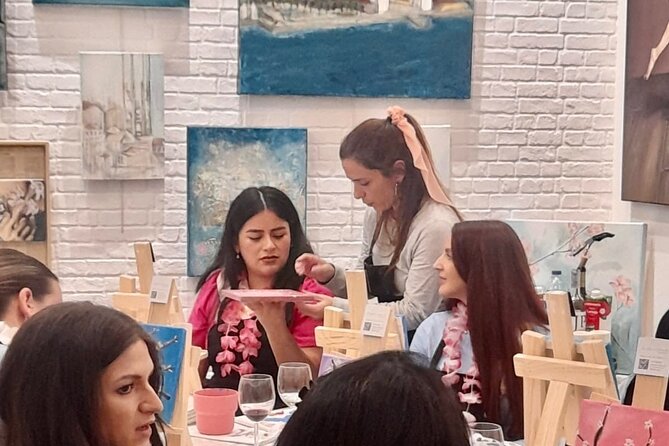
- You’ll paint two 15×15 tiles using all materials provided, with cooking included for the authentic finish
- No art background needed; you start with sketching and basic techniques
- Small group size (max 8) means you get real guidance while you work
- You’ll learn tile history in Portuguese culture before paint touches tile
- Traditional cooking takes time (min 24h), with a faster option available if you want same-day pickup
- You can request wine, but alcohol is not included in the price
A Small Lisbon Studio, Not a Factory Class
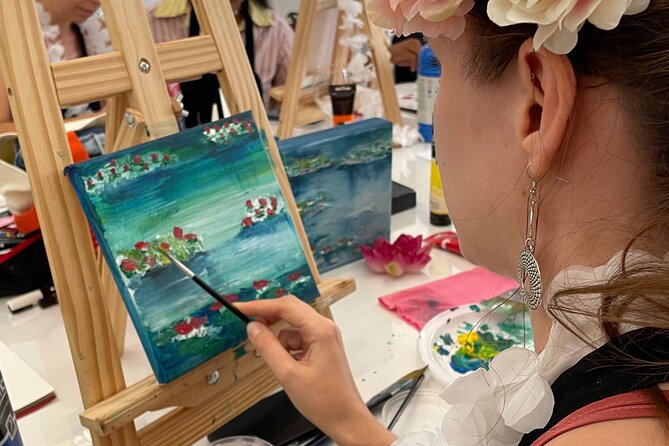
This is the kind of workshop that feels like you’re stepping into someone’s working space, not marching through a scripted checklist. The session is in the artist’s studio in Lisbon and is guided by the artist herself, so you’re learning technique from the person who actually does the craft.
The format is built around you making your own tile piece. You’ll get a short presentation, a technique demo, and then plenty of time to create. That structure matters because it keeps the session from turning into pure seat-time. You’re busy from the first minutes, and you’re not left guessing what to do next.
The group stays small, with a maximum of 8. That size helps in two ways: you can actually see the example work and you can ask questions without waiting. It also keeps the pace comfortable, even if your style is more experimental than exact.
You can also read our reviews of more museum experiences in Lisbon


Price and What You Really Get for $60.25
At $60.25 per person for roughly 2.5 hours, you’re paying for more than paint. You’re paying for materials, instruction, and—most importantly—the finishing process. The included package covers two 15×15 tiles plus cooking included for the authentic traditional result.
That cooking detail is the part many souvenir workshops gloss over. Traditional tile painting involves firing in a high-temperature oven and takes at least 24 hours. If you’re trying to take home something that looks like it belongs in Portuguese homes and streets, that step is part of the deal.
What is not included is alcohol, if you want wine. The class can be paired with Portuguese-made wine, but the alcohol itself is an add-on—you’d purchase wine on site if you want it, and you need to tell them in advance. Also, you can buy extra ceramic pieces in the workshop beyond your two tiles, but that’s optional.
Where to Meet in Lisbon (And How to Plan Your Timing)
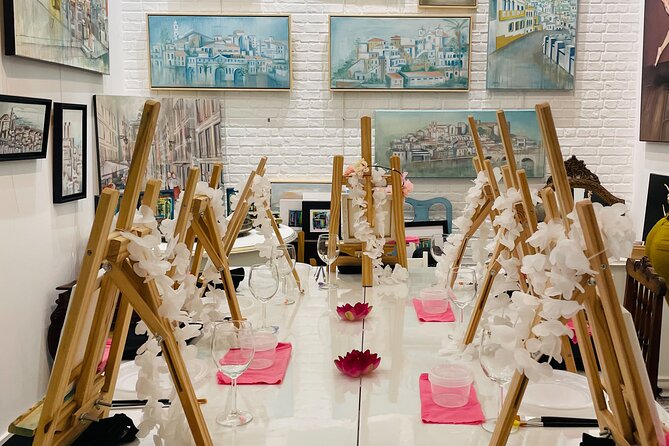
The meeting point is Tv. da Memória 47A, 1300-402 Lisboa, Portugal, and the class ends back where you start. It is near public transportation, which is helpful in Lisbon, where you often spend energy just figuring out the best route up and down hills.
Because this is a studio workshop, plan like you’re going to a class rather than a sightseeing bus stop. I’d arrive a bit early so you can settle in, meet the group, and start sketching without feeling rushed. You’ll also use a mobile ticket, so have it accessible on your phone when you arrive.
The 2.5-Hour Flow: Presentation, Demo, and Your Own Tile
The workshop has a clear sequence, and that’s one of the best parts. It starts with context, moves into technique, then gives you time to make something personal.
First, there’s a brief presentation on tile history in Portuguese culture. You’re not only learning how to paint—you’re learning what tiles mean in Portugal and why the craft has lasted. That context changes the experience. You’re more likely to choose patterns and styles with intention instead of copying whatever looks pretty first.
Next comes the technical demonstration. The artist explains the materials—brushes, pigments, and tiles—and shows you core methods like glass-painting effects, patterns, lines, and fillings. Even if you’ve never painted before, these are understandable basics. You’ll see how thin lines stay controlled, how fills cover evenly, and how patterns can be built up one step at a time.
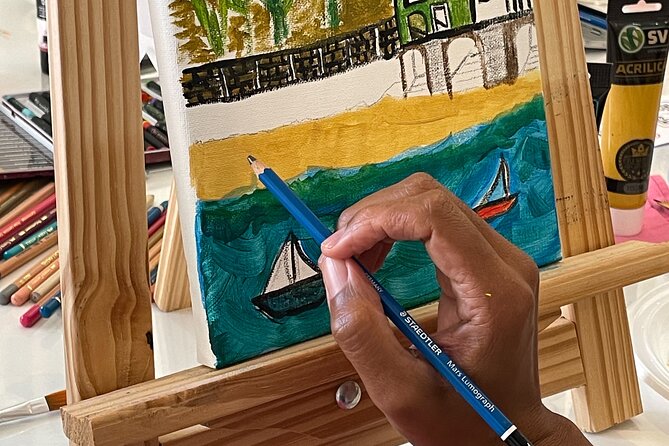
Then you move into the hands-on creation phase. You’ll sketch and paint your own tiles, and the artist provides individual accompaniment through the process. The key word here is accompaniment. The class isn’t just a desk you sit at; it is ongoing help as you work.
Finally, there’s a conclusion where you share the pieces you made. This is a small moment, but it matters for confidence. Watching how other styles come out helps you see that there’s no single correct way to finish a tile.
What You’ll Make: Two Painted 15×15 Tiles
You’ll create two hand-painted tiles, each measuring 15×15. That’s a strong choice for a short workshop because it gives you enough space to try more than one design approach.
One tile can be your structured, pattern-heavy one. The other can be simpler—maybe a motif with more negative space, or a bolder set of lines. With guidance, this becomes a fun balancing act: you’ll learn enough technique during the demo to start cleanly, but you still have freedom to make it yours.
The included materials cover what you need for painting. That includes what you need to sketch and paint on the tiles provided. The cooking step is also included as part of the traditional option, and it is handled after you finish painting.




Traditional Cooking vs Faster Option (So Your Souvenir Plan Works)
Here’s the one detail that can make or break your souvenir strategy: cooking.
The traditional Portuguese technique involves cooking in a high-temperature oven and requires a minimum of 24 hours. That is the authenticity piece, and the workshop favors this method. So your tiles won’t just sit in a take-home bag the moment you’re done painting.
But there is a consideration—and an option. If you want the piece on the day itself, the workshop also offers a faster option without cooking. You get quicker take-home convenience, but it trades away the traditional cooking step that makes the finished result part of that centuries-old method.
The default included service is cooking. Delivery of cooked tiles is combined directly with the participant, so you’re not left to figure out a shipping puzzle. What you should do is decide which matters more for you: the traditional finished result with waiting time, or same-day take-home with the faster method.
Painting Techniques You’ll Actually Use
During the demo, you’ll see a practical set of techniques that translate into real tile designs.
Expect to learn:
- Glass-painting style effects (the class shows this as a method, not just a concept)
- How to build patterns without everything becoming messy
- How to paint lines cleanly enough for borders and structure
- How to fill shapes so your tile looks even
The big value of these techniques is that they give you a repeatable toolkit. After the demo, you can focus on your design instead of panicking over control. Even if you end up changing your plan halfway through sketching, you’ll have the basics to keep it looking intentional.
Also, you’ll be working inside a relaxed environment. That matters in a workshop like this. Tile painting looks precise from the outside, but your process doesn’t have to be rigid. The artist’s accompaniment helps you correct course before small mistakes snowball.
The Best Part: Hands-On Help and a Big Pattern Menu
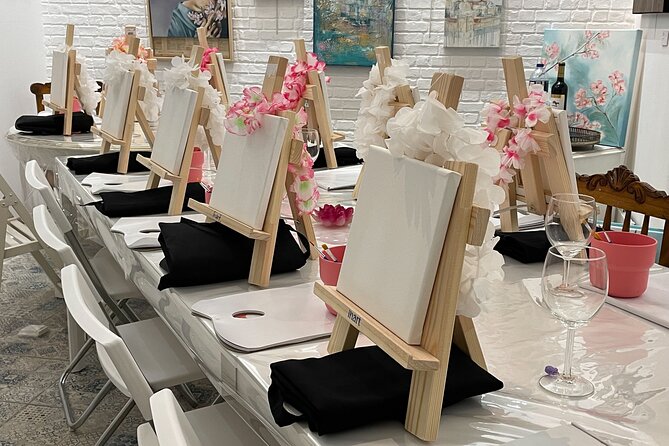
From the overall vibe and what people tend to love most, the stand-out element is the guidance. The artist is patient and keeps you moving while you paint. That’s not just friendly service; it’s how you end up with tiles you’ll actually be happy to display at home.
Another strong point is the availability of pattern ideas. You’re not stuck with one template. You have a huge selection of tile patterns, which helps if you’re indecisive or if you want something more Portuguese-inspired without needing prior knowledge.
This is also where the small group size earns its keep. In a crowded class, help would be limited. Here, you get real assistance when you need it—especially during the sketch and early painting stages, when your design choices matter most.
Optional Wine and a Workshop That Can Fit Your Occasion
This is a workshop built for more than just random tourists. It can be customized for a celebration or for friends spending quality time together. That customization shows up in the tone of the experience: it’s social, relaxed, and not overly formal.
If you’re a wine fan, you can enjoy Portuguese-made wine during the class. The catch is that alcohol isn’t included in the base price. Instead, you can purchase a bottle of regional wine on site for consumption during the activity, but you need to communicate in advance if you want it.
That approach makes sense. It keeps the core class price focused on the craft, while still giving you a local pairing if you want one.
Taking Your Tiles Home: Delivery Made Practical
With the traditional option, your finished, cooked tiles come after your painting session. Since cooking takes at least 24 hours, you need a plan for how you’ll get them.
The good news is that cooked-tile delivery is combined directly with the participant. That means you don’t have to invent a logistics plan on your own. You can keep exploring Lisbon during the waiting time, and then coordinate collection or handoff through the workshop process.
If you choose the faster option without cooking, you may take your piece on the day itself. That’s ideal if you have a tight itinerary and you absolutely want a tile in hand before your next stop.
Who Should Book This Tile Workshop (And Who Might Skip)
This workshop is a great fit if you want:
- A hands-on Lisbon activity that creates a real, personal souvenir
- A low-stress art experience with instruction on technique
- Something compact in time, about 2.5 hours, that doesn’t require sightseeing stamina
It’s especially good for people who like arts and crafts but don’t have a prepared skill set. Since the class starts with basics and includes individual accompaniment, you can participate confidently.
You might skip it if you need a take-home souvenir the same day and you do not want to deal with waiting for the cooking process. In that case, you’d need to choose the faster, no-cooking option or plan around delivery.
You also might reconsider if you’re looking for an outdoor walking tour or a pure museum-style experience. This is a studio craft workshop, and your time is spent painting.
Quick Tips to Get Better Results (Without Overthinking It)
You’ll get the best experience if you treat this like a design session, not a test.
Here are a few practical moves:
- Come with at least one idea you like, even if it’s simple. A pattern plus a motif usually looks great on tiles.
- Don’t aim for perfect from the start. Sketch first, then commit to painting once you like the layout.
- If you’re unsure about technique, ask early. The line and fill stages are where small fixes are easiest.
- If you want wine, tell them in advance so the option is set up properly.
And if you’re sensitive about timing, decide early whether you want the traditional cooked finish or the faster no-cooking take-home.
Should You Book This Lisbon Tile Painting Workshop?
I’d book this if you want a souvenir with meaning and you like the idea of learning a craft you can actually do. The value sits in the full package: materials, two tiles, instruction, and cooking included. Add the small group size and the pattern variety, and you get a workshop where you’re not just watching—you’re creating.
Skip it only if same-day take-home is non-negotiable and you don’t want to choose the faster option. Otherwise, this is a great way to spend part of a Lisbon day making something you’ll keep longer than photos on your phone.