REVIEW · LISBON
MAC/CCB: Entry Ticket to Lisbon’s contemporary art museum
Book on GetYourGuide →Operated by MAC/CCB – Museu de Arte Contemporânea e Centro de Arquitetura · Bookable on GetYourGuide
Contemporary art in Belém has structure. The MAC/CCB Museum of Contemporary Art and Architecture Centre is one of Lisbon’s most international stops, and it’s built to help you understand what you’re seeing, not just walk past it. I really like how Portugal’s Contemporary Art Collection sits side by side with major international names, so the art reads in context.
My second favorite part is the way a Berardo Collection visit can feel like a guided timeline: permanent rooms and temporary shows are arranged so you can track movements through time. You get a lot for one admission, especially if you’re the type who enjoys looking slowly and comparing pieces.
One possible drawback: you’ll need to travel light and plan for a snack. The museum doesn’t allow food inside, and it also bans common items like backpacks and umbrellas, so don’t show up with a “just in case” tote.
In This Review
- Key things that make this visit worth your time
- MAC/CCB in Lisbon’s Belém: why this museum feels different
- Your $17 ticket, and how it plays over two days
- How the museum’s chronological flow helps you actually read the art
- Day 1 approach: permanent collections you can revisit without stress
- Day 2 approach: temporary exhibitions and how to plan your second pass
- Berardo Collection: famous names, but shown in a useful way
- Portugal’s collections: CACE and Teixeira de Freitas side by side with the world
- The Architecture Centre at Centro Cultural de Belém: art meets space
- Practical planning: hours, pacing, and what you’re not allowed to bring
- Price and value: is $17 a fair deal?
- Should you book the MAC/CCB entry ticket?
- FAQ
- What does the MAC/CCB entry ticket include?
- How much is the ticket?
- Is the ticket valid for more than one day?
- What are the museum opening hours?
- Is the museum wheelchair accessible?
- Are there reduced rates for residents of Portugal?
- Is there free cancellation?
- Can I pay later instead of paying right away?
- What items are not allowed inside?
Key things that make this visit worth your time
- One ticket for multiple exhibition areas with both permanent and temporary work
- Chronological layout that turns viewing into an art-history walk
- Big modern names shown with context, from Picasso and Duchamp to Warhol and Nauman
- Portugal-forward collections that help you read the local scene alongside international art
- Architecture Centre inside the same complex, including a reopened space designed by BUREAU
MAC/CCB in Lisbon’s Belém: why this museum feels different
If you like contemporary art, you probably already know one truth: it can be either totally approachable—or a frustrating mystery. What I like about MAC/CCB is that it’s trying to do the first thing. The museum is part of the Centro Cultural de Belém complex, and it takes the time to place art movements and artists into a clearer storyline.
I also love that it doesn’t only chase the new. Yes, you’re looking at modern and contemporary work, but you’re doing it through major collections that connect to 20th-century art history. That matters because contemporary art often references earlier ideas—materials, symbols, political moments, and changes in how artists think about form.
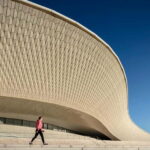
And it’s not just “paintings in rooms.” The MAC/CCB identity is tied to both visual art and architecture. If you’ve ever wished an art museum would acknowledge space, design, and the built environment, you’re in the right place.
For me, the best part is the balance: international artists are present, but you’re never pushed to treat Portugal as a footnote. You’ll see Portugal’s contemporary state collection (CACE) and other local-focused holdings placed in the same conversation as globally famous names.
A few more Lisbon tours and experiences worth a look

Your $17 ticket, and how it plays over two days
The ticket price is $17 per person, and it’s valid for two days. That gives you breathing room. You’re not forced into a “quick scan” before the next timed entry. Instead, you can split your visit into two passes: one day for the permanent collections (and their timelines), and a second day for temporary exhibitions and any overflow areas you want to revisit.
What you get with admission is straightforward:
- Entrance to the museum
- Access to all exhibitions included in your visit window
- Free Wi-Fi
It’s also wheelchair accessible, so the layout is designed to work for mobility needs.
Now, here’s the practical angle: with one ticket covering multiple exhibition areas, the value comes from time. If you only go for 45 minutes, the price won’t feel as good because you’ll miss the museum’s strongest feature—its ability to connect ideas across rooms. If you give it a couple of solid hours across two days, it clicks.
Also note the resident discount rule. If you live in Portugal, you can get reduced rates by presenting valid ID proving Portuguese residency at the museum reception. If you’re not sure which ID you’ll need, bring your official Portuguese residence document. Don’t guess.
How the museum’s chronological flow helps you actually read the art
One of the MAC/CCB strengths is that the works are arranged in chronological order, at least across the main permanent route and tied into how the museum presents its collections and movements. That turns the museum from a “pick-your-favorites” stroll into something closer to an art-history timeline.
Here’s why that helps you:
- It reduces the feeling of staring at labels without context
- It helps you notice how styles evolve rather than appearing randomly
- It makes later contemporary works easier to interpret, because you’ve already seen the earlier shifts that shaped them
When you walk in and start with earlier 20th-century work, you’ll likely recognize names, but the chronological setup helps you move past recognition and into understanding. Instead of thinking, Picasso is in the building, you start thinking, what changed in art around this period and why.
This is especially useful if you’re visiting without a guide. Even if you only skim labels at first, the structure gives you a framework. And when you slow down at a turning-point room, you’ll feel the museum’s logic.
My tip: don’t try to “finish everything.” Pick a route and stay with it long enough to notice patterns. If a movement feels confusing, you don’t need to force comprehension in one sitting. Let the timeline do its job.
Day 1 approach: permanent collections you can revisit without stress
If you want your visit to feel calm, use Day 1 for the permanent holdings. Permanent rooms are great for a first pass because you can settle into the museum’s pace and learn how it wants you to move.
In MAC/CCB, the permanent experience is built around major collections, including:
- The Portuguese State Contemporary Art Collection (CACE)
- The Teixeira de Freitas Collection
- The Berardo Collection
Because the museum’s presentation connects artists and art movements, you’ll usually get the most out of Day 1 by treating it like a “base map.” You’re not hunting one masterpiece. You’re learning the museum’s logic: how the collections relate, what materials and themes show up across decades, and how international modernism intersects with Portuguese contemporary lines.
Also, give yourself permission to come back. Two-day validity is a gift here. If you find a room that grabs you—maybe a theme, medium, or political angle—don’t rush to “move on.” You’re allowed to spend extra time.
One more practical note: many museums feel exhausting because you’re constantly redirecting your attention. Here, the chronological setup helps you avoid that constant mental reboot. You’ll still get tired—contemporary art takes focus—but the museum makes it easier to stay oriented.
Day 2 approach: temporary exhibitions and how to plan your second pass
Day 2 is where you should flex. Temporary exhibitions can change the entire tone of what you saw in the permanent rooms. They also tend to reward curiosity: you’re more likely to notice how today’s artists extend or challenge earlier art movements.
The MAC/CCB offers a varied program, too, including educational activities, conferences, and guided tours. The details of what’s on specific days aren’t listed here, so your best move is simple: when you arrive, scan the onsite announcements and see if anything lines up with your schedule. If a guided tour is happening, it’s often the easiest way to understand context fast without feeling like you’re studying.
My favorite way to do Day 2 is to start with temporary work that matches your earlier questions. For example, if you spent Day 1 noticing how artists used everyday objects or challenged traditional form, look for temporary exhibitions that push those ideas further.
A small but meaningful detail: one of the review examples referenced Roberto Burle Marx, an environmental activist from Brazil. That’s the kind of programming direction that can make temporary shows feel more connected to real-world themes, not just art-world trends.
You can also read our reviews of more museum experiences in Lisbon



Berardo Collection: famous names, but shown in a useful way
The Berardo Collection is the part of MAC/CCB that many people will recognize because it includes major international artists. Names you may encounter in this context include Picasso, Salvador Dalí, Marcel Duchamp, Piet Mondrian, Joan Miró, Max Ernst, Andy Warhol, Donald Judd, Bruce Nauman, and more. The museum also includes artists such as Vieira da Silva, Lourdes Castro, Helena Almeida, and Cindy Sherman.
Why does that list matter for your experience? Because the museum doesn’t treat these names as isolated trophies. It presents them in relation to art movements and in a chronological way that makes their influence easier to see.
If you’re worried the museum will feel like a checklist of famous faces, this is the counterpoint. The point isn’t just that the artists are famous. The point is the art moves through time, and you can follow the logic of those movements as you go.
A practical way to enjoy this: when you see a big name, look for one thing the museum is emphasizing. Is it the medium? The political idea? The visual strategy? If you spot that “focus,” you’ll start reading the room faster and with less confusion.
Also, allow yourself to revisit the most compelling pieces on Day 2. In a chronological museum, your eyes sharpen the second time because you’ve learned the museum’s pace.
Portugal’s collections: CACE and Teixeira de Freitas side by side with the world
If you want a museum that treats Portuguese art seriously, MAC/CCB gives you that. The Portuguese State Contemporary Art Collection (CACE) is one anchor, and the Teixeira de Freitas Collection adds another layer.
When those collections sit in the same space as international modernism, you get something valuable: perspective. You can see how artists respond to broader 20th-century shifts while still expressing Portuguese realities and Portuguese artistic pathways.
I also like that the museum gives you artists working in different media, so you’re not stuck in one visual language. Contemporary art spans sculpture, mixed media, photography, and conceptual approaches, and the museum’s presentation supports that range.
One helpful mindset for this portion: don’t force everything into one interpretation. Contemporary art often lives in ambiguity, but the museum’s movement-based context can still guide you. If one work feels abstract, your best move is to look around it and see what the room suggests about the era and the artistic question being asked.
The Architecture Centre at Centro Cultural de Belém: art meets space
MAC/CCB isn’t only an art museum. It also includes an Architecture Centre. That matters because architecture is a different type of thinking tool than painting or sculpture, and it can change how you experience the building itself.
The Architecture Centre reopened in April 2025 with an architectural project by the Swiss-Portuguese studio BUREAU. The project reimagines the south garage of CCB as a flexible space designed for exhibitions, workspaces, public events, and communal gatherings.
Even if architecture isn’t your hobby, this still enhances the visit in two ways:
- It gives you a break from pure visual-art galleries.
- It reinforces the museum’s theme: contemporary ideas about space and design aren’t separate from art history.
If you’re planning your two-day visit, I’d treat the Architecture Centre as a “second-pass” stop. It’s the kind of space where you may want to linger and notice how the museum’s layout changes your attention. Also, because it includes workspaces and event-friendly areas, it can feel more alive than a strict gallery-only stop.
Practical planning: hours, pacing, and what you’re not allowed to bring
The museum is open Tuesday through Sunday, from 10:00 a.m. to 6:30 p.m. That’s a generous window, and it works well for a two-day plan. If you go early in the opening window, you tend to get a calmer first look. Later in the day, you may feel more of the museum’s busy energy.
Now, the rules matter here. The museum does not allow:
- Weapons or sharp objects
- Pets (assistance dogs allowed)
- Selfie sticks
- Smoking indoors
- Food
- Tripods
- Backpacks
- Umbrellas
- Walking sticks
- Alcohol and drugs
- Explosive substances
So pack like you’re going into security. The big “value impact” for most people is this: no food inside means you’ll need to plan water and a snack outside the museum. And no backpacks and no umbrellas can catch you if you’re used to flexible museum bag policies.
If you rely on a walking stick for mobility, the rules here say walking sticks are not allowed. Since the museum is wheelchair accessible, the safest move is to ask staff at reception what options they can support for your specific case.
Finally, a small but useful habit: download or screenshot your confirmation details before you arrive, because your ticket is valid for two days and starts depend on available starting times. Having everything ready reduces stress when you’re walking through a busy cultural complex.
Price and value: is $17 a fair deal?
For $17 per person, what you’re really paying for is access without friction. The ticket includes entrance to the museum and access to all exhibitions, plus free Wi-Fi. It’s also valid for two days, which is the difference between a rushed “check it off” visit and a thoughtful museum experience.
The value equation improves if you do two things:
- Spend enough time to use the museum’s chronological structure
- Come back on Day 2 rather than trying to cram everything into one sitting
If you’re the type who likes to look slowly and compare eras, the ticket feels like a good bargain. If you only want one quick room, it might feel less worth it because contemporary art needs time to make sense.
Also remember the Portugal-resident reduced rate. If you qualify, it can make the value even stronger.
Should you book the MAC/CCB entry ticket?
You should book if you want a Lisbon museum that connects contemporary art to 20th-century art movements in a structured way. It’s especially worth it if you like museums where context matters: permanent collections, temporary programming, and even architecture themes that help you think about art in more than one dimension.
Skip it or plan carefully if you hate gallery pacing and prefer places where you don’t have to follow any storyline. This museum rewards patience. And if you travel with a backpack or need to bring an umbrella or walking stick, read the rules ahead of time so you don’t lose time at entry.
FAQ
What does the MAC/CCB entry ticket include?
The ticket includes entrance to the museum, access to all exhibitions, and free Wi-Fi.
How much is the ticket?
The price listed is $17 per person.
Is the ticket valid for more than one day?
Yes. The ticket is valid for 2 days.
What are the museum opening hours?
MAC/CCB is open Tuesday to Sunday, from 10:00 a.m. to 6:30 p.m.
Is the museum wheelchair accessible?
Yes, it is wheelchair accessible.
Are there reduced rates for residents of Portugal?
Yes. Reduced rates are available for residents of Portugal when you present valid ID proving Portuguese residency at the museum reception.
Is there free cancellation?
Yes. You can cancel up to 24 hours in advance for a full refund.
Can I pay later instead of paying right away?
Yes. You can reserve and pay later, keeping your travel plans flexible.
What items are not allowed inside?
Among the listed restrictions: no weapons or sharp objects, no pets (assistance dogs allowed), no selfie sticks, no smoking indoors, no food, no tripods, no backpacks, no umbrellas, no walking sticks, no alcohol or drugs, and no explosive substances.