REVIEW · LISBON
Lisbon Street Art Walking Tour
Book on Viator →Operated by Discover Lisbon · Bookable on Viator
Lisbon street art is easier to love when someone points at the details. This walking tour helps you read the murals like a map, moving through historic quarters where public art is part of everyday life.
I like the neighborhood focus—Mouraria and Graça in particular—and how the guide explains what you’re seeing, not just where to stand for a photo. I also like that it’s short enough to fit into a busy trip, but long enough to cover multiple areas without feeling rushed.
One thing to plan for: you’ll be walking up Lisbon hills, and the tour expects a moderate fitness level. Wear proper shoes, and don’t treat this like an easy stroll on flat ground.
In This Review
- Key highlights worth planning for
- Street Art in Lisbon: Why this walking format works
- Entering Mouraria and Graça: the art moves with the streets
- How Bairro Alto fits: seeing contrast without extra complexity
- What you’ll learn at each stop (and why it matters)
- The walk itself: timing, hills, and what to bring
- Meeting point and route flow: start at Martim Moniz, end back there
- Value check: is $33.88 a good deal for street art?
- Group size and guide attention: how it feels on the ground
- Quick planning tips before you go
- Should you book this Lisbon Street Art Walking Tour?
Key highlights worth planning for

- Mouraria and Graça first, with added stops in Bairro Alto for a fuller view of how street art fits Lisbon life
- Local guide-led storytelling about the artists, the pieces, and the city projects that support public art
- 2.5 to 3 hours of walking with a route designed to cover more while still keeping it manageable
- English-language tour with a maximum group size of 50, so you can actually follow along
- No lunch included, so you’ll want to eat before or after without scrambling
- Free admission ticket for the street-art experience (you’re not paying museum entry fees)
Street Art in Lisbon: Why this walking format works
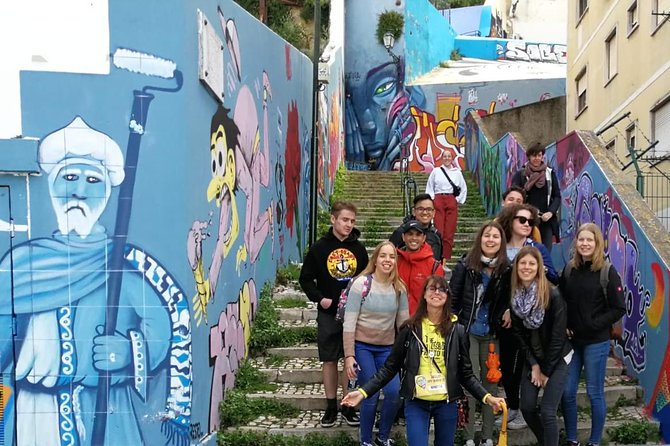
Street art can look like random decoration until you understand the rules of the game. On this tour, you’re not just collecting pictures—you’re learning how murals land in a real neighborhood and why they matter to the people who live there.
The big win is that you walk between older, lived-in streets, including Mouraria and Graça, rather than staying in one convenient viewing spot. Lisbon’s street art isn’t only about style. It’s about community, permissions, and the way artists respond to place.
Price-wise, $33.88 might sound like a lot for “just walking,” but you’re paying for the context and the route. Without a guide, you’ll probably miss a chunk of the best work—or at least you’ll miss the why behind it. With a guide, you get a framework that makes the art click fast.
You can also read our reviews of more walking tours in Lisbon



Entering Mouraria and Graça: the art moves with the streets

Mouraria and Graça are a smart pairing for street art because both feel strongly local. You get the sense that public art is woven into daily movement—people passing by, shops and apartments lining the way, and walls that show years of change.
In practice, this tour starts at Praça Martim Moniz and then shifts through the area, using the hills and street corners to show you how murals relate to the neighborhood fabric. Expect the guide to connect specific pieces to larger themes: local voices alongside international artists, plus the city projects that keep street art from becoming purely chaotic.
Why I like this approach for you: it turns street art from a hunt into a story you can follow. You’ll likely find yourself looking up and sideways more often, because the guide gives you reasons to notice small details.
A small practical note: Lisbon hills are real. Even when the route avoids the steepest climbs, you should expect ups and downs over the 2.5 to 3 hour window.
How Bairro Alto fits: seeing contrast without extra complexity
Bairro Alto often gets singled out for nightlife, but it also helps show contrast in how art appears across Lisbon. Adding it into the mix gives you a broader snapshot instead of one neighborhood “only” experience.
This isn’t about sprinting from one mural to the next. The goal is balance: enough variety that your photos don’t all look like the same block, but not so many areas that the walking becomes exhausting.
If you’re the type who wants to understand how street art differs by street character—tourist edges versus residential lanes—this section helps. You’ll see how the same art scene can feel different depending on the surrounding streets and the crowd moving through them.
What you’ll learn at each stop (and why it matters)
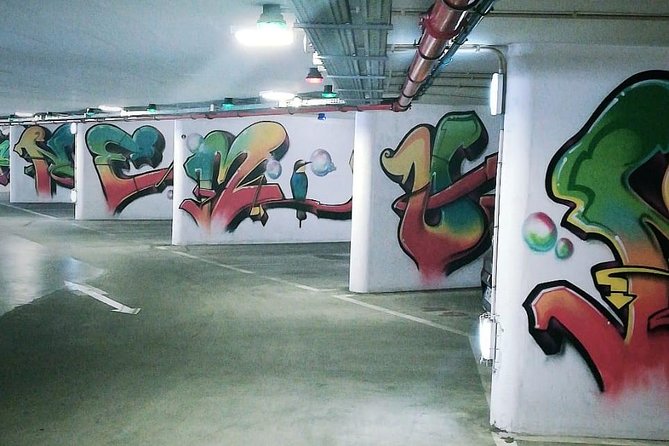
The tour is built around the stories behind pieces. That’s the main reason these kinds of walks feel worth it after the fact.
Here’s the kind of information you can expect to hear while you’re standing in front of murals:
- Artist background: not just names, but what the artist is trying to communicate
- Piece interpretation: what to look for and how to read symbols or styles
- Local laws and rules of street art: why some works appear, change, or get treated differently
- City projects supporting public art: how street art can be part of official culture, not only underground culture
- Local and international mix: how global street art trends land in Lisbon neighborhoods
One of the most common benefits of guided street art is that it stops you from overthinking it. You don’t need to be an art expert. You just need the right lens. A good guide gives you that lens quickly, so the art feels intentional instead of random.
Also, street art tours often turn into mini cultural lessons. On days when conditions change—like rough weather—small group sizes can mean more time for extra conversation and questions. That’s a real advantage if you want context beyond the mural itself, like what it’s like to live in Portugal.
The walk itself: timing, hills, and what to bring

This tour runs about 2 hours 30 minutes to 3 hours. That duration is long enough to see multiple neighborhoods, but not so long that you’re committing your entire day.
It’s also walking-heavy. Lisbon’s topography affects everything: route feel, your legs, and even how quickly you’ll want breaks.
Here’s what I recommend you bring:
- Comfortable walking shoes (non-negotiable on this one)
- Sun protection if skies are clear, especially on hill sections
- Water for the climb-and-pause rhythm
- A light layer if mornings or evenings feel cool
The tour mentions a moderate physical fitness level, and the practical takeaway is simple: if you don’t enjoy steady uphill walking, you may find the tour tiring.
Good news: the route is designed to keep things pleasant, not punishing. If you can handle a slow, steady climb, you’ll be fine.
A few more Lisbon tours and experiences worth a look





Meeting point and route flow: start at Martim Moniz, end back there
You’ll start at Praça Martim Moniz, Lisboa, Portugal and the tour ends back at the meeting point. That back-to-start ending matters. It removes the stress of figuring out how to get home right after you’ve walked for hours.
Because the meeting point is a specific public square, you can use it as an anchor for the rest of your day. If you’re planning a lunch after, pick a place near your next step, then you’re done.
If you’re using public transit or walking to the start area, give yourself a small buffer. One lesson from past issues with group timing is that you really don’t want to show up late without being reachable—especially in a city where the meeting point is clear but the streets can be a little confusing.
Value check: is $33.88 a good deal for street art?
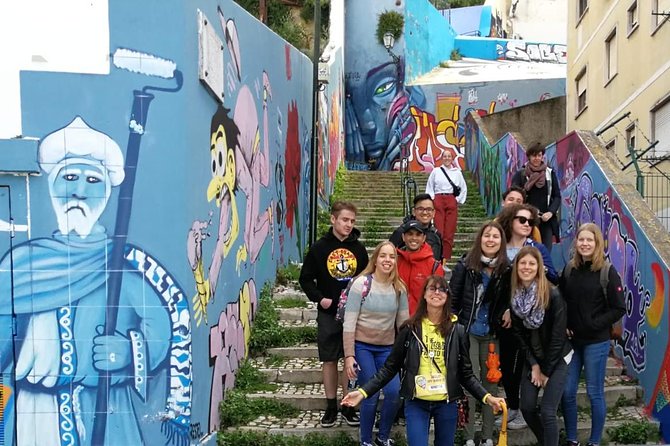
At $33.88 per person, this isn’t a freebie. So the question is: what are you paying for?
You’re paying for three practical things:
- Access to the right streets
Street art can be uneven. Without local guidance, you might miss the best murals or only find the obvious ones.
- Interpretation
The tour aims to explain the stories and the context—artists, rules, and projects. That’s the part that makes the art feel meaningful.
- Time efficiency
In 2.5–3 hours, you cover multiple areas. You’re not spending half a day wandering without a plan.
The value improves if you enjoy learning as you go. If you’re the type who likes a guide because you want the “why,” this makes sense. If you only want pictures and don’t care about context, you could do a self-guided photo walk—but you’d likely spend more time guessing and less time understanding.
The tour is also offered in English and uses a mobile ticket, so it’s set up to be straightforward once you’re there.
Group size and guide attention: how it feels on the ground
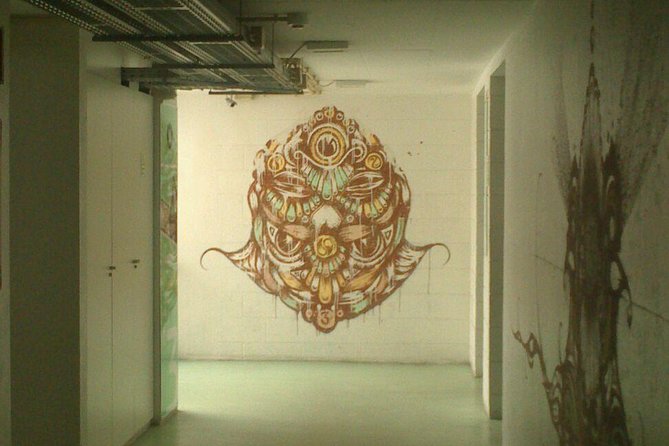
The tour caps at 50 people. That number matters because it affects how much you can hear and how easy it is to keep up.
When groups are smaller, it’s easier to ask questions and slow down if you want to read details. On tough weather days, a small group can happen, and that often leads to more personal attention and more time for conversation about Portugal beyond street art.
Either way, the guide’s role is to keep the walk moving while still giving you enough information to enjoy the stops. The tour feedback consistently points to guides who are on time and provide clear meeting directions—tiny detail, big comfort when you’re navigating a city you don’t know yet.
Quick planning tips before you go
A few small habits will make this tour smoother:
- Wear shoes you don’t mind getting sweaty. Hills are part of the package.
- Bring sun protection even if the sky looks mixed.
- Stay close to the group at every stop. Street corners and lanes can feel like they blend together.
- Have your confirmation handy. You’ll get confirmation at booking time, and it helps if you need to check the exact details.
- If you need help the day of the tour, it’s worth knowing the provider’s support rhythm: they’re available Monday to Friday from 9am to 6pm, and after that you may need to use phone contact methods.
Should you book this Lisbon Street Art Walking Tour?
Book it if you want street art with context, not just photos. This tour is a good fit if you enjoy walking through real neighborhoods, like Mouraria and Graça, and you’d rather understand the stories behind murals than chase them alone.
Skip or rethink if you have limited mobility or hate hill walking. The tour expects moderate physical fitness, and the route can feel like you’re working for the views.
One more decision rule: book if your trip has space for one guided, 2.5–3 hour block. Lisbon rewards time spent slowly in neighborhoods, and this format gives you that time while keeping the learning curve friendly.
If you’re leaning yes, I’d also reserve ahead. The tour is often booked around 10 days in advance, so popular dates can fill.