REVIEW · BERLIN
Berlin: Alternative & Street Art Tour
Book on GetYourGuide →Operated by Alternative Berlin Tours · Bookable on GetYourGuide
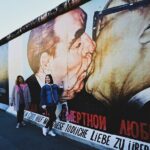
Berlin’s walls tell stories. On this 3-hour street art walk, you connect murals and graffiti to the subcultures that made them, from Haus Schwarzenberg to the Treehouse on the Wall. I like that the tour keeps the vibe human: rebellion, art, and community, not just pictures.
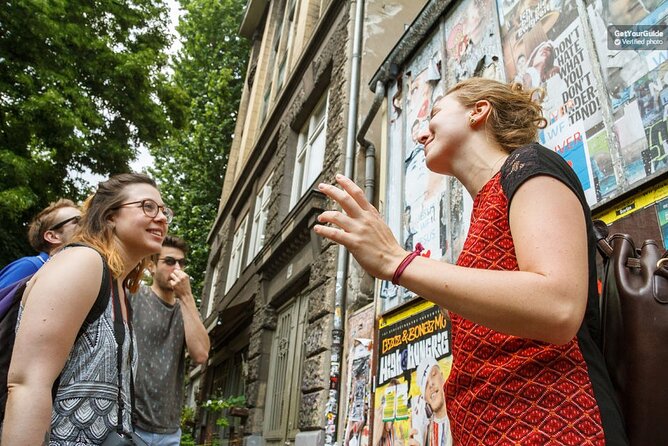
I also love the way the guide frames what you’re seeing. Guides named Damien and Antonio Castello have come up in recent bookings for being calm, enthusiastic, and great at turning punk, techno, politics, and squatting culture into real context you can actually use.
One thing to plan for: this tour runs rain or shine and it’s mostly on your feet. If you’re not into steady walking, you’ll want comfy shoes and a light rain layer so the day stays fun instead of annoying.
In This Review
- Key highlights to know before you go
- The point of this tour: Berlin’s street art isn’t decoration
- Starting on the right foot under the TV tower
- Mitte, Kreuzberg, and Friedrichshain: how the route shows Berlin’s shift
- Haus Schwarzenberg: street art where alternative life goes on display
- YAAM Beach: where graffiti and community show up with music
- Kunstlerhaus Bethanien: squatting culture and contemporary art in one place
- The Treehouse on the Wall: resilience you can see
- SO36: punk and eclectic music heritage, in street-level reality
- Photo guide: how to get better shots without slowing the group
- Walking pace, timing, and what 3 hours really means
- Value check: is $23 worth a street art culture crash course?
- Who should book this tour (and who might prefer something else)
- Should you book the Alternative & Street Art Tour?
- FAQ
- Where is the meeting point?
- How long is the tour?
- What is the price?
- What’s included in the tour?
- Is food or drinks included?
- Does the tour run in bad weather?
- What areas of Berlin does the tour cover?
- Is it wheelchair accessible and suitable for all ages?
Key highlights to know before you go
- Street art with a story at stops like Haus Schwarzenberg and the Treehouse on the Wall
- Alternative Berlin neighborhoods across Mitte, Kreuzberg, and Friedrichshain
- Community-focused culture at YAAM Beach, where music and graffiti energy meet
- Squatting and activism context at Kunstlerhaus Bethanien
- Music heritage in the mix with a look at SO36’s punk and eclectic roots
- Great photo timing built into the route so you’re not just wandering for angles
The point of this tour: Berlin’s street art isn’t decoration
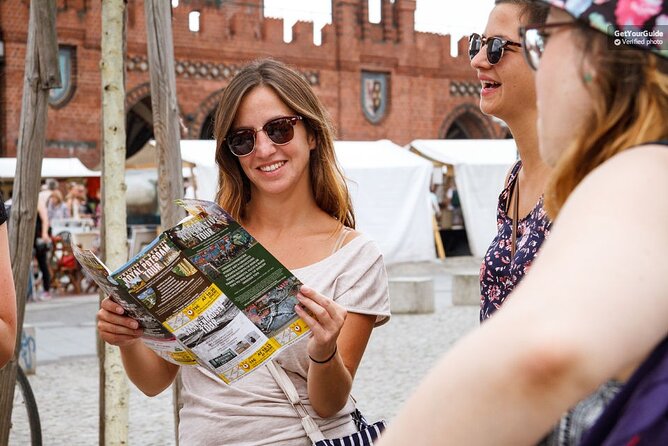
Berlin’s street art scene works differently than in many cities. Here, it’s tied to identity, protest, and creativity in plain sight. This tour gives you the meaning behind the paint—so you’ll look at a wall and think about who made it, why, and what it challenged.
I like that the tour connects multiple threads at once: punk rock revolutions, techno’s underground rise, political energy, and the squatting culture that helped shape parts of the city. If you’re the type who likes understanding what you’re photographing (not just shooting it), you’ll get a lot out of the way the guide explains each stop.
And because the route covers different “moods” of Berlin—quiet side streets, big-city energy, and creative enclaves—you get variety without feeling like you’re running across town all day.
A few more Berlin tours and experiences worth a look
Starting on the right foot under the TV tower
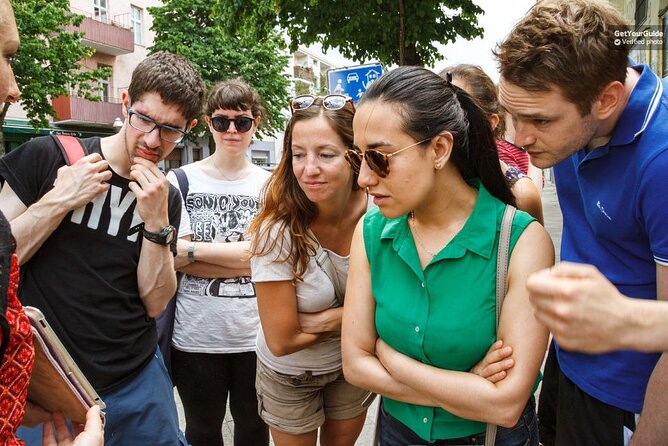
You meet right underneath the TV tower (Fernsehturm), in front of Vapiano. That’s a very practical meeting spot: easy to recognize, and it places you close enough to central Berlin that the tour can start quickly and build momentum.
If you’re arriving by transit, give yourself a few extra minutes to find the exact spot in that busy area. Once you’re with the group, the walking pace is designed for a 3-hour tour, so you won’t be stuck standing around for long.
Mitte, Kreuzberg, and Friedrichshain: how the route shows Berlin’s shift
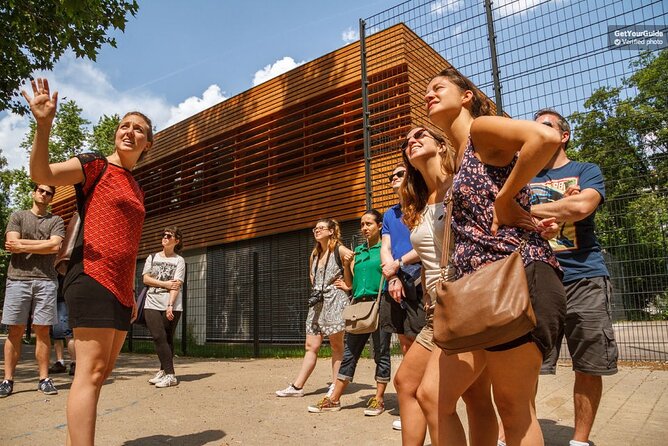
The tour moves through Mitte, Kreuzberg, and Friedrichshain, and that matters. These districts each carry a different shade of alternative culture, and the walk is built to let you feel that progression.
- Mitte is where you’ll start to see how creativity sits beside iconic city landmarks and official Berlin.
- Kreuzberg is often where street art culture and multicultural energy feel tightly connected to everyday life.
- Friedrichshain brings a more raw, underground feel, where graffiti and DIY creativity can feel less like an event and more like an ongoing language.
You’ll also get guided context on why so many artists chose Berlin in the first place. The big idea is that Berlin has long attracted people who want room to experiment, build communities, and challenge the status quo—legally or not. That explanation is what makes later stops like Bethanien and SO36 land harder.
Haus Schwarzenberg: street art where alternative life goes on display
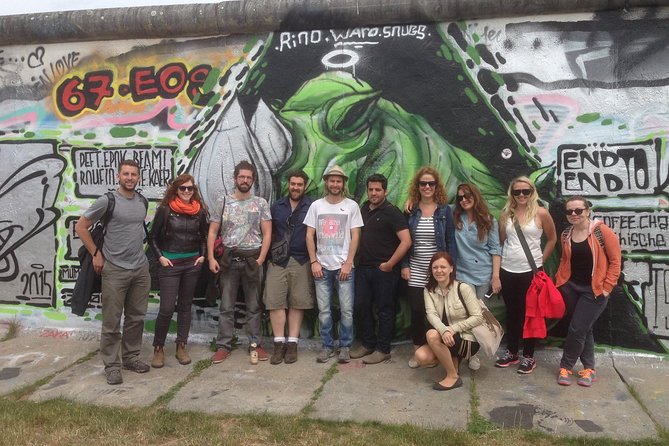
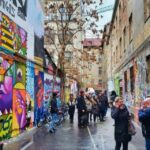
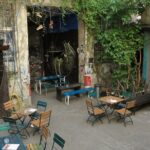
Haus Schwarzenberg is one of the tour’s anchor stops, and it’s easy to see why. This is where street art and alternative Berlin culture meet in a very visible way. You’re not just looking at a mural; you’re reading a layer of city identity.
What I like here is the balance between art and attitude. The guide ties the visuals to the broader alternative scene, so you understand why the walls look the way they do. If you’re into photography, this is also a strong stop for picture variety—wide-angle views for the setting and close-ups for details.
Potential consideration: because the artwork can attract attention from passersby, you might share angles with others. That’s not a dealbreaker, just something to remember if you’re chasing a specific photo without distractions.
YAAM Beach: where graffiti and community show up with music
YAAM Beach brings a different kind of urban scene into the story. It’s described as a cultural oasis where reggae, music, graffiti scenes, and community converge. That combination is the point: Berlin’s alternative culture isn’t only about street walls. It’s also about gathering.
On this stop, you’ll get a sense of how creativity can become social life—music, events, and visual expression feeding each other. If you’ve only seen Berlin as a museum-city, this helps correct that. It shows how street art connects to ongoing community energy.
Photo wise, YAAM is usually the kind of place where backgrounds feel textured and alive, not sterile. Just be ready for the fact that you’ll need to walk a bit more around the area to find your best angles.
Kunstlerhaus Bethanien: squatting culture and contemporary art in one place
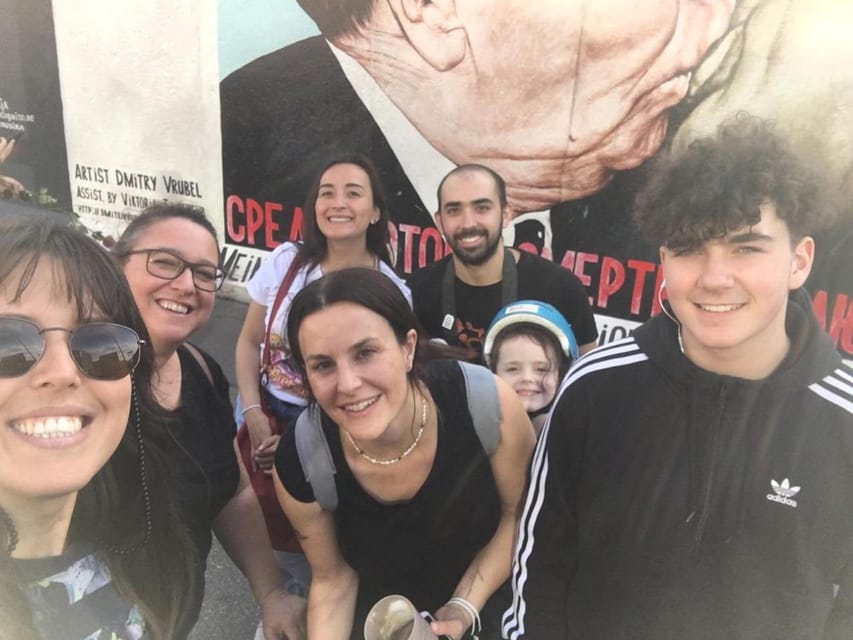
Kunstlerhaus Bethanien is where you get a sharper historical and cultural frame for what you’ve been seeing. This is presented as a hub for contemporary art and linked to the origins of Berlin’s squatting scene, plus its connection to alternative housing and activism.
This stop is valuable because it turns “street art” into “urban politics.” You’ll likely understand the art more clearly after hearing about how people used spaces, challenged rules, and made room for new ways of living. Even if you’re not a politics person, you’ll feel the difference in how the guide interprets the walls and buildings.
Practical note: it’s one of the stops where listening matters as much as looking. If you’re constantly scanning your phone, you may miss the thread that connects this to the rest of the route.
The Treehouse on the Wall: resilience you can see
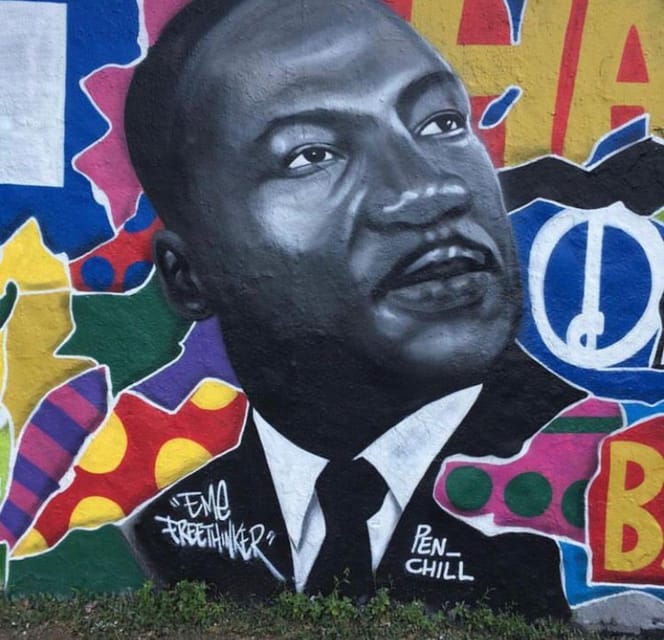
The Treehouse on the Wall is described as a unique symbol of resilience and creativity, and that theme fits perfectly into an Alternative Berlin tour. This is the kind of stop that doesn’t just look cool—it makes you think about ingenuity under constraints.
I like that it represents more than one thing at once: creativity, defiance, and the idea that public space can be repurposed by people with imagination. If you’ve ever felt that cities are too rigid, this stop gives you proof that they can be negotiable.
Photo tip: don’t just shoot the treehouse itself. Step back and capture the way it sits against the surrounding urban environment. That context is what will make your photos feel like a story, not just a subject.
SO36: punk and eclectic music heritage, in street-level reality
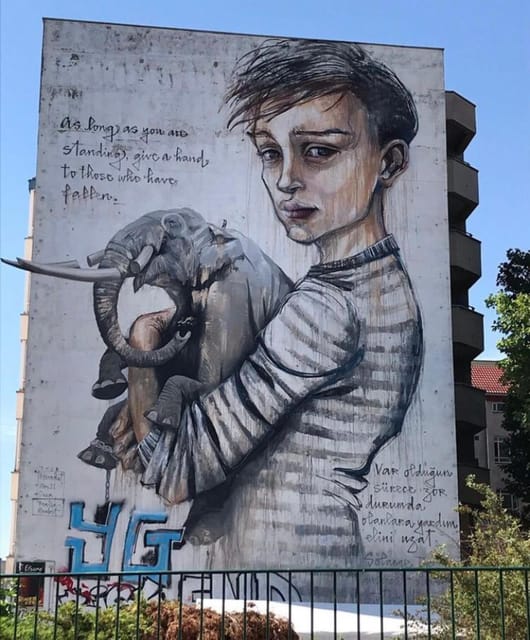
SO36 is included as the legendary club echoing Berlin’s punk, eclectic, and alternative music heritage. This stop helps tie the street art scene to sound—because in Berlin, music and visual culture have often moved together.
Even if you don’t plan to go clubbing, the point is understanding how subcultures spread. Clubs, DIY spaces, and artistic scenes create networks. Those networks feed the walls, the parties, and the people who keep showing up.
For photos, the club stop can be more about the atmosphere and the surrounding streetscape than a single “wow” mural. Focus on angles that show the setting, not just signage.
Photo guide: how to get better shots without slowing the group
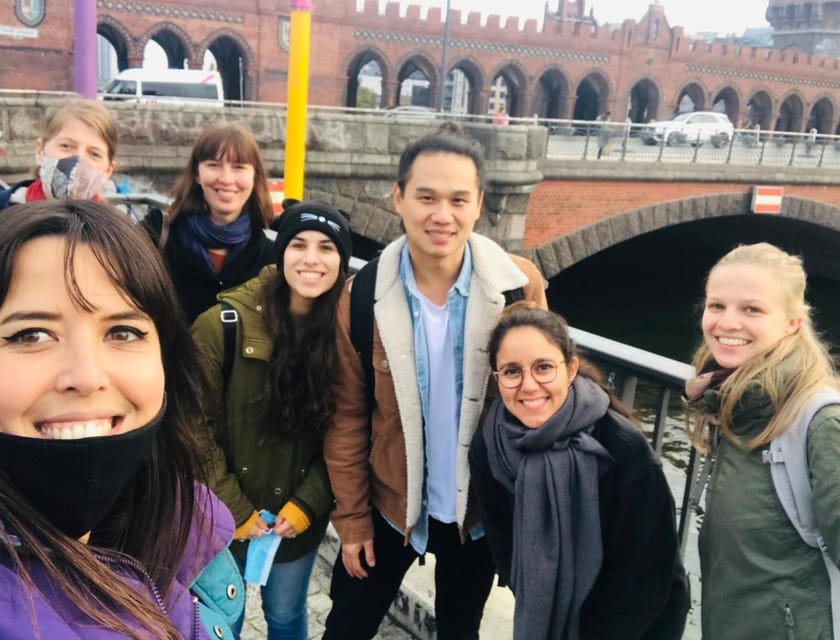
This tour is built for amazing foto opportunities, but you’ll get better results if you approach it with a simple plan:
- On mural stops (like Haus Schwarzenberg), take one wide shot first, then move for tight detail shots.
- At context-heavy stops (like Bethanien), pause for photos only after you’ve listened to what the guide is connecting to the visuals.
- For symbolic sites like the Treehouse on the Wall, try a couple of distances so you capture both the subject and the surrounding wall space.
Also, because it’s a 3-hour walk, don’t expect unlimited time at every corner. If you want clean photos, pick your moment—then step aside so others can get theirs.
Walking pace, timing, and what 3 hours really means
A 3-hour format is great for doing something meaningful without burning your whole day. It’s long enough to get real stops—Mitte, Kreuzberg, Friedrichshain plus key sites—yet short enough that you won’t feel stuck for hours.
The tradeoff is simple: you’ll be walking steadily. This tour runs in rain or shine, so your best friend is footwear that handles wet pavement and quick turns from sidewalk to side street.
If you’re the type who loves “one neighborhood at a time,” you might find the pace fast. If you like variety and want a working overview of alternative Berlin in one go, it’s a smart length.
Value check: is $23 worth a street art culture crash course?
At $23 per person for a 3-hour guided experience, the value comes from three things you can’t easily get on your own:
- Interpretation: the guide connects what you’re seeing to punk, techno, politics, and squatting culture.
- Smart stop selection: the tour hits specific sites like Haus Schwarzenberg, YAAM Beach, Kunstlerhaus Bethanien, the Treehouse on the Wall, and SO36.
- Time efficiency: you’re walking a route designed to show a coherent story across multiple districts.
This isn’t a luxury “drive-by” tour. It’s a city-walk with a point. If you enjoy urban art and want meaning with your photos, $23 feels like a small price for a guided perspective that makes the walls read like text.
Who should book this tour (and who might prefer something else)
Book this if you:
- Want street art and graffiti with context, not just visuals
- Enjoy punk, techno, and politics as part of a city’s culture
- Like photographers’ routes that minimize random wandering
- Prefer guided walking over self-guided guesswork
You might skip it if you:
- Want a mostly seated, relaxed experience with long breaks
- Are uncomfortable walking for a few hours in changing weather
It’s also suited for all ages, so families who can handle steady walking often fit it well.
Should you book the Alternative & Street Art Tour?
If you want Berlin in its alternative mode—walls with backstories, places tied to activism and community, and a guide who can explain how punk and techno culture connect to the city—this is a solid choice. The tour’s long-running reputation and the way guides like Damien and Antonio Castello have been praised for clear, friendly storytelling are good signs that you’ll feel guided, not rushed.
I’d book it if your goal is street art you can understand and photograph with intention. I’d think twice only if you hate walking in rain or want a very quiet, low-energy outing.
FAQ
Where is the meeting point?
You meet right underneath the TV tower in front of Vapiano.
How long is the tour?
It runs for 3 hours.
What is the price?
The price is $23 per person.
What’s included in the tour?
An English-speaking tour guide is included.
Is food or drinks included?
No. Food and drinks are not included.
Does the tour run in bad weather?
Yes. The tour takes place rain and shine.
What areas of Berlin does the tour cover?
It includes walking through Mitte, Kreuzberg, and Friedrichshain.
Is it wheelchair accessible and suitable for all ages?
Yes. It’s wheelchair accessible and suited for all ages.
If you want, tell me your travel dates and what you’re most excited about (graffiti photos, punk and techno history, or squatting/activism context), and I’ll suggest what to prioritize during the 3 hours.