REVIEW · BERLIN
Berlin: The Wall Museum East Side Gallery Ticket
Book on GetYourGuide →Operated by The Wall Museum - East Side Gallery · Bookable on GetYourGuide
A Wall Museum lesson is built into Berlin’s street map. This ticket gets you into a multimedia museum right beside the East Side Gallery, using films and personal accounts to explain why the Wall mattered.
I especially like how the experience is structured into 13 themed rooms and how the Wall’s story is told from building in 1961 to the 1991 fall.
One thing to consider: the format is very media-heavy, so if you prefer hands-on exhibits over screens and interviews, this may not feel like a perfect match.
In This Review
- Quick hits before you go
- A Wall Museum Ticket Right by East Side Gallery
- How the 13 Themed Rooms Tell the Berlin Wall Story
- Post-war Berlin: What the city looked like after WWII
- 1961: Watching the Wall get erected
- Life in a divided city: Daily reality, not just politics
- The fall in 1991: When the Wall broke open
- The “truth behind the wall” and what changed afterward
- What about the other rooms?
- Multimedia Displays: Films, Interviews, and Artifacts
- Location and the East Side Gallery Advantage
- Price and Logistics: Is $14 Good Value?
- Who This Works For (and Who Might Want a Different Plan)
- Potential Downsides to Keep Expectations Real
- Should You Book This Wall Museum East Side Gallery Ticket?
- FAQ
- Where is the Wall Museum East Side Gallery meeting point?
- How much does the ticket cost?
- How long is the experience?
- What’s included with the ticket?
- Is the museum experience wheelchair accessible?
- What languages are available?
- Does this include a multimedia presentation?
- Is free cancellation available?
Quick hits before you go

- Skip-the-line entry means you spend more time inside and less time waiting outside.
- 13 themed rooms guide you through the Wall’s story with films, documents, and interview material.
- The museum covers key turning points: post-war Berlin, the Wall’s 1961 erection, daily life in a divided city, and the 1991 fall.
- It’s located next to the East Side Gallery, including Berlin’s largest still-standing Wall section.
- You’ll get a clear, emotional Cold War narrative, built for understanding, not memorizing dates.
A Wall Museum Ticket Right by East Side Gallery
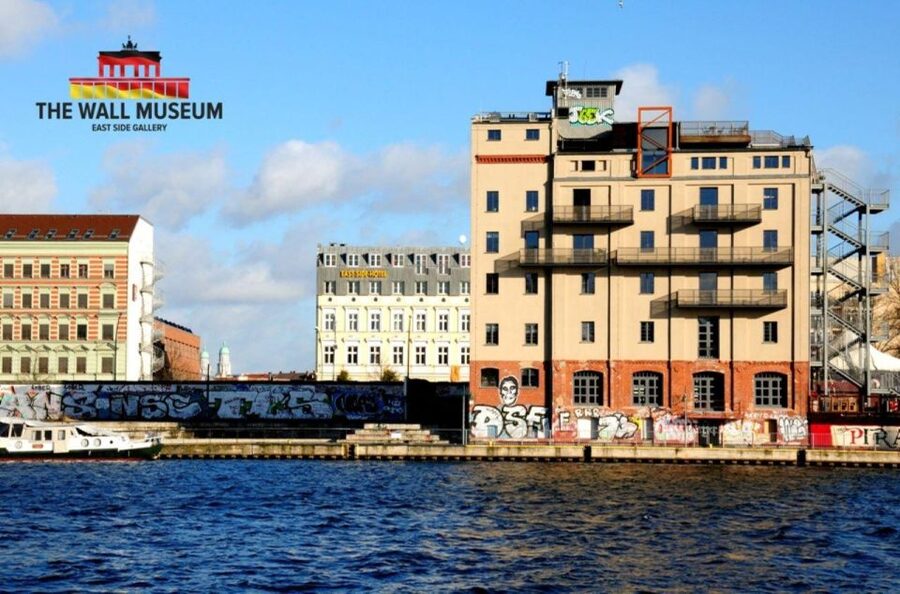
If you’re already walking the East Side Gallery area, this museum is the logical next stop. You’re not traveling to some far-off site; you’re standing in the neighborhood where the Wall’s presence is still real—because the museum is next to the largest section of the Berlin Wall still standing.
What makes the experience especially worthwhile is the way it turns a huge historical idea into something you can actually process. Instead of only seeing walls and dates, you’ll encounter the human side through film clips, interviews, and artifacts. It’s one thing to read about Cold War Berlin; it’s another to see how the story is packaged room-by-room.
There’s also a practical win: the ticket includes skip-the-line entry. Even if you’re a patient person, waiting while your history gets delayed is never fun. The museum is easier to plug into a day of sightseeing when you know you won’t be stuck at the front door.
A few more Berlin tours and experiences worth a look


How the 13 Themed Rooms Tell the Berlin Wall Story
Think of this museum visit as a guided path through the Wall era—built around a sequence of themes. You move through 13 themed rooms, and the content is arranged to help you connect political events to everyday life. You’ll also see how the story changes as the city moves from division to reunification.
Here’s what you should expect as you progress through the rooms:
Post-war Berlin: What the city looked like after WWII
Early sections focus on Berlin after the war. This matters because the Wall didn’t appear out of nowhere—it grew out of an already stressed, sharply divided Europe. When the museum starts with the situation after WWII, you get the context you need to understand why the next step became so extreme.
If you’re visiting Berlin for the first time, this is a great on-ramp. You’ll get your mental map sorted before you move to the Wall itself.
1961: Watching the Wall get erected
One of the most direct parts of the museum experience is the room that shows how the Wall was erected in 1961. You’ll see it not just as a headline, but as an event with impact—using multimedia presentations rather than relying only on text.
This section is valuable because it turns an abstract “then the Wall happened” moment into something you can picture clearly. It also helps you understand that the Wall wasn’t just a barrier; it was a system.
Life in a divided city: Daily reality, not just politics
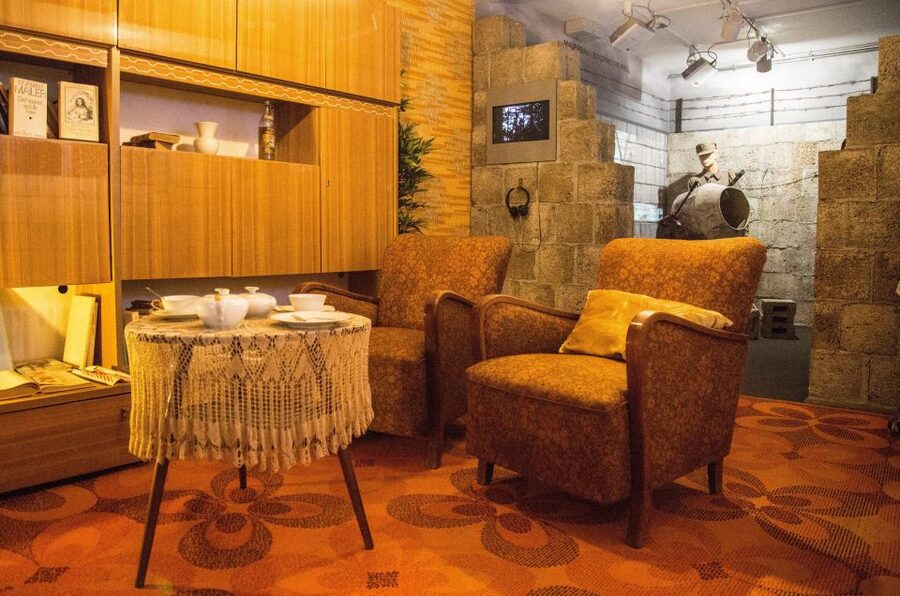
After the Wall appears, the museum shifts to what life was like in a divided Berlin. This is where the story becomes more personal. You’ll encounter documents and interview material that aim to show how ordinary routines and freedom changed under division.
For me, the strongest value here is perspective. You don’t only learn about government decisions; you learn what those decisions meant for people living inside the system.
You can also read our reviews of more museum experiences in Berlin


The fall in 1991: When the Wall broke open
Eventually, the museum brings you to the dramatic fall of the Berlin Wall in 1991. The tone changes here, because the narrative stops being only about restriction and starts being about change. You’ll watch how the city’s trajectory shifted when the Wall came down.
Even if you know the general story already, seeing it laid out with film and interviews helps you remember that 1991 was not just a political event—it was a turning point for real lives.
The “truth behind the wall” and what changed afterward
The museum doesn’t end at the moment the Wall falls. It also looks at the truth behind the Wall—how it affected Berlin, and how the Wall’s existence changed the city. That closing approach is important because it prevents the experience from becoming a straight line: build wall → fall wall. Instead, it emphasizes consequences.
What about the other rooms?
You’ll also pass through additional themed spaces that connect the timeline with broader explanations through film, documents, and interviews. The key point: the museum is built as a full 13-room arc, not a quick slideshow.
Multimedia Displays: Films, Interviews, and Artifacts
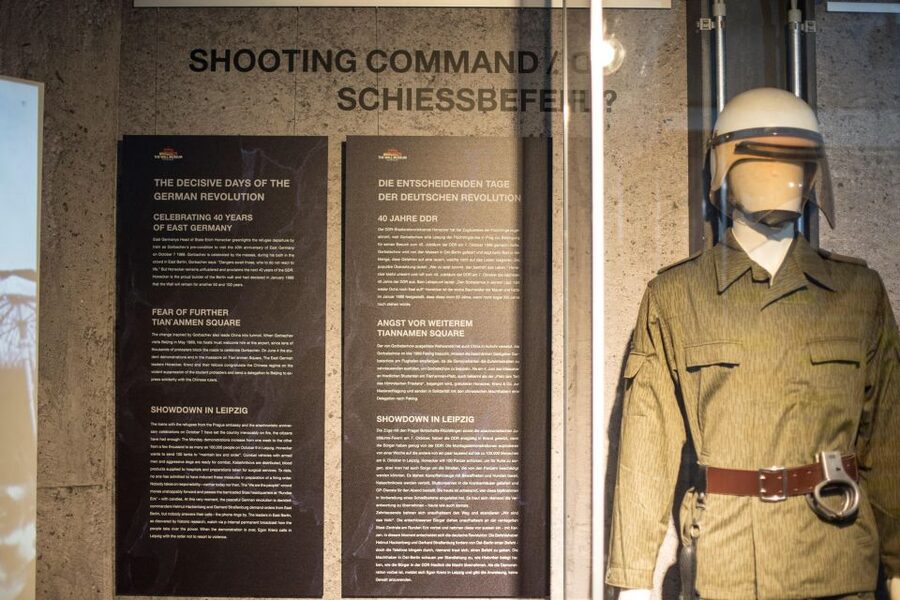
This is not a silent-history museum. The museum leans heavily on screens and audio/visual storytelling. The museum’s pitch is clear: you’ll see films, interview material, and artifacts across the themed rooms.
That’s a good thing, as long as you match the format. Multimedia helps people understand complicated topics faster. It can also help you emotionally follow the story, because interviews bring voice to what could otherwise feel like cold, distant events.
Also, don’t expect this to be a collection of random exhibits. The content is organized to tell a story from the post-war period through 1961 and 1991, with the “in-between” lived experience of a divided city. If you like historical narrative that builds step-by-step, you’ll likely feel at home here.
Location and the East Side Gallery Advantage
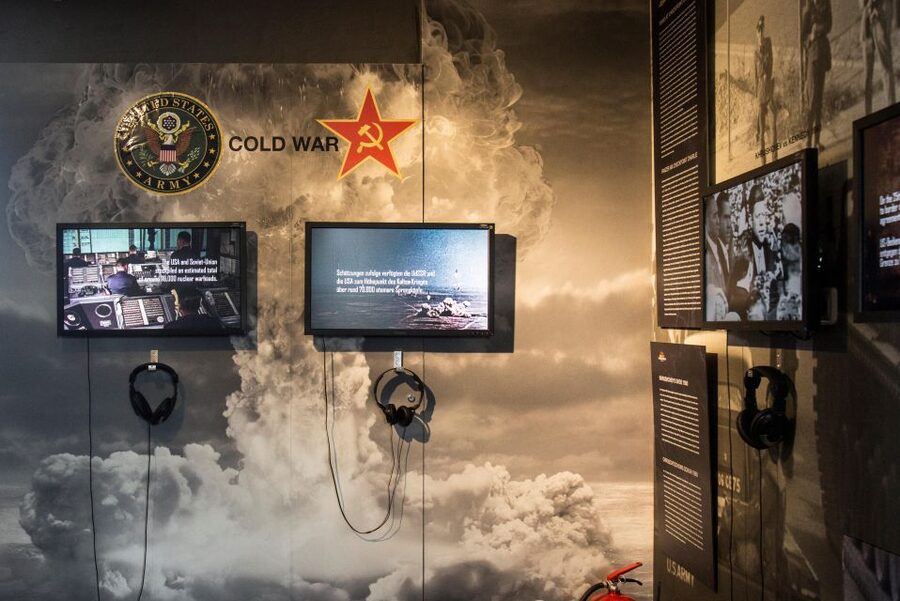
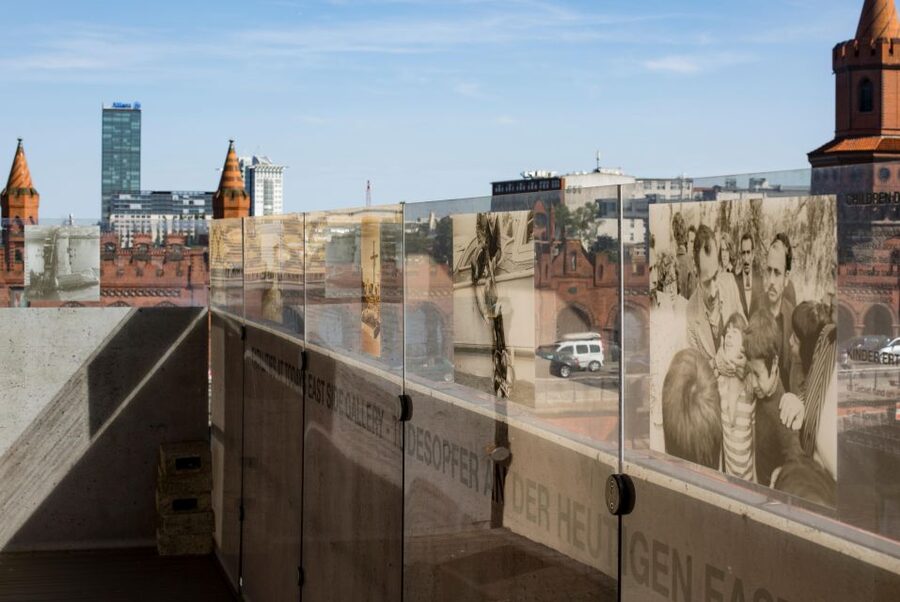
The setting is part of the value. This museum is next to the East Side Gallery and close enough that you can pair both without wasting time on transportation. You get a two-layer experience: the outdoor Wall segment you can see, plus the indoor explanation that fills in the context.
The meeting point is very specific: Mühlenstraße 78-80, 10243 Berlin (in the Mühlenspeicher, second floor, next to the Pirates Restaurant). When a meeting point is that clear, it usually means your arrival is less stressful.
If you’re thinking about timing, you’ll do best by building in a buffer. Berlin days can run long, and a multimedia museum benefits from not rushing.
Price and Logistics: Is $14 Good Value?
At $14 per person for a 1-day ticket, this is priced in the practical range for a focused museum stop. The “value” angle here isn’t only the cost—it’s what you get for it:
- You’re buying into skip-the-line entry, which saves time when you’re on a tight sightseeing schedule.
- You’re getting a structured visit through 13 themed rooms with films, interviews, and artifacts.
- You’re placing the experience in a historically meaningful location beside the East Side Gallery.
So the question isn’t just whether it’s cheap. It’s whether it saves you time and gives you context. At this price, it can make sense if you want an efficient way to understand the Berlin Wall without turning your day into hours of wandering and guessing.
Who This Works For (and Who Might Want a Different Plan)
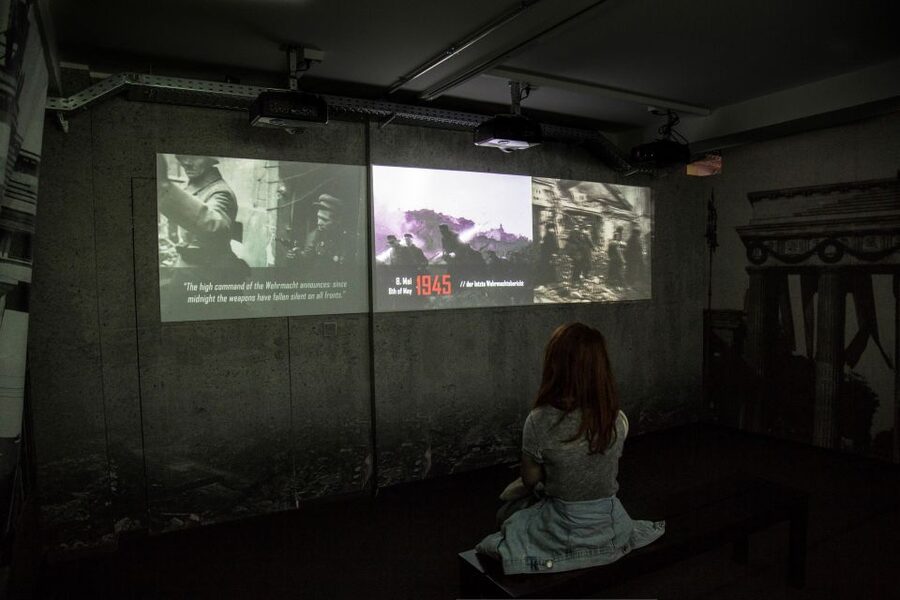
This museum suits travelers who want clarity. If you like your history organized—events in sequence, themes that build understanding—this should click.
It’s also a strong fit for first-timers who want the big picture plus the personal angle. The museum covers the key milestones you’d expect: post-war conditions, 1961 erection, life in the divided city, and the 1991 fall.
Families and groups can also work well here because the museum is designed as a complete indoor journey. Just keep in mind that multimedia-heavy exhibits may be less appealing for kids who want lots of hands-on interaction, depending on attention spans.
If you already know Berlin Wall history very deeply, you might still find it useful as a “story refresher” through curated multimedia rooms. But if you’re looking for a purely outdoor experience—walks, markers, and street-level viewing—you may need to pair this with additional time at the East Side Gallery area.
Potential Downsides to Keep Expectations Real
From the information provided, the museum is built around multimedia rooms with films, interviews, and artifacts. That’s great for many people, but not for everyone.
Here’s the main drawback to consider:
- If you’re sensitive to presentation style or you prefer text-heavy exhibits over screen-based storytelling, you may find it less satisfying.
Also, since the experience is organized into themed rooms, it’s not a “quick pop-in” museum. You’ll likely want time to move through the rooms at your own pace rather than rushing through.
If you come in expecting a lightweight overview, you might feel the content is more intense than you wanted. If you come in expecting a guided historical narrative, it should feel like exactly what you paid for.
Should You Book This Wall Museum East Side Gallery Ticket?
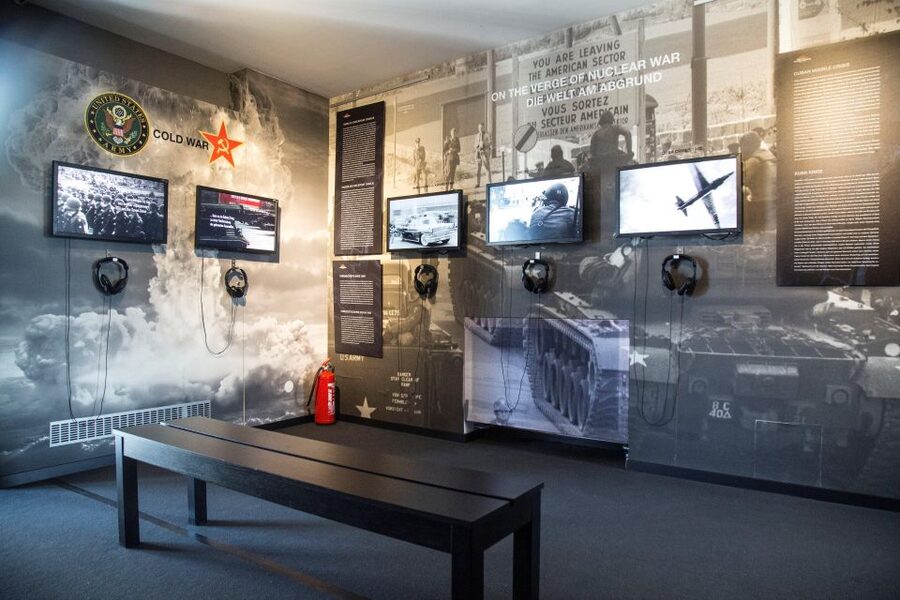
Yes, I’d book it if you want a structured, multimedia-driven explanation of the Berlin Wall in a smart location. The skip-the-line entry and the 13 themed rooms make it a high-efficiency choice for a day in Berlin. At $14, it’s also reasonably priced for what you get: films, interviews, documents, and a timeline that reaches from 1961 to 1991.
Skip it only if you’re strongly opposed to multimedia exhibits or you already have a very complete Wall-focused plan that doesn’t leave room for a room-by-room story experience. Otherwise, pairing this with the East Side Gallery area is one of the easiest ways to turn “I saw the Wall” into “I understand what I saw.”
FAQ
Where is the Wall Museum East Side Gallery meeting point?
The meeting point is Mühlenstraße 78-80, 10243 Berlin, at the Mühlenspeicher, second floor, next to the Pirates Restaurant.
How much does the ticket cost?
The ticket price is $14 per person.
How long is the experience?
The ticket is listed as valid for 1 day, with the visit organized by available starting times.
What’s included with the ticket?
The ticket includes skip-the-line entry.
Is the museum experience wheelchair accessible?
Yes, it is listed as wheelchair accessible.
What languages are available?
The experience is available in German, English, Spanish, and Italian.
Does this include a multimedia presentation?
Yes. The museum features a multimedia experience with films, interviews, and artifacts across 13 themed rooms.
Is free cancellation available?
Yes. You can cancel up to 24 hours in advance for a full refund.