REVIEW · MEXICO CITY
Mexico City; ART NACO : Murals & Street Art Bike Tour
Book on Viator →Operated by Poray · Bookable on Viator
Bikes, murals, and barrio stories. This Mexico City street art bike tour is a small-group ride that trades the usual sights for neighborhoods where murals feel tied to everyday life. I like the street-art focus because you’re not just seeing walls, you’re hearing why they matter.
I love the small-group size (max 10) because it keeps the ride calm enough to actually look closely. I also like that the tour feeds you: bottled water plus street food snacks like tacos, quekas, tlacoyos, gorditas, chilaquiles, and more, with options for different diets.
One thing to consider: the bikes and English fluency can vary a bit by guide and bike shop setup, so it’s smart to arrive ready to do a quick check and ask questions if you need clarity.
In This Review
- Key highlights you’ll feel right away
- Street art on two wheels: what ART NACO is really like
- Where you ride: Guerrero, Lagunilla, and the mural corridors
- Safety in traffic: why the crew matters on a bike tour
- Stop by stop: what you’ll see and why it’s worth your time
- 1) Poray and the start of the street-art neighborhoods
- 2) Obrera and Doctores, plus the Antique Toy Museum
- 3) A break in Jardín Pushkin and the Rome Chic moment
- 4) Juárez and Cuauhtémoc: crossing into big-mural territory
- Guides and storytelling: what makes the art click
- Included street food: what you’re actually eating
- Price and value: why $60.56 can make sense
- What to watch for before you book
- Who this bike tour is best for
- Tips to get the best experience on the day
- Should you book ART NACO: Murals & Street Art Bike Tour?
- FAQ
- How long is the ART NACO street art bike tour?
- What is the group size limit?
- What time and where does the tour start?
- Is the tour offered in English?
- What’s included in the price?
- Is hotel pickup included?
- Are children allowed?
- What is the cancellation policy?
Key highlights you’ll feel right away
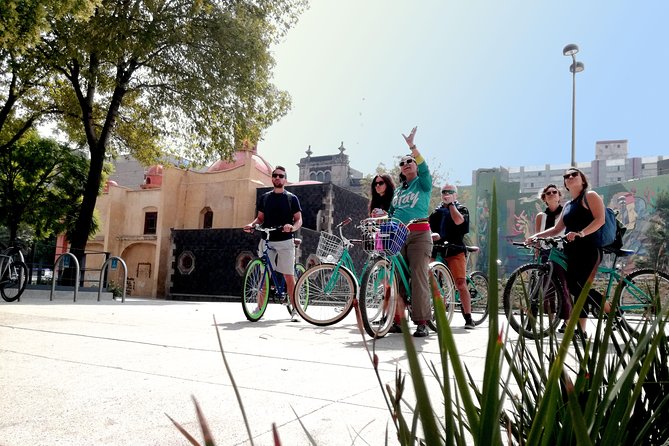
- Small-group control (10 max): easier pacing for street stops and photo time
- Two route choices (north or south): pick the theme that fits your interests
- Safety support on busy streets: extra crew helps manage crossings
- Street food included: you eat local specialties, not just an optional snack
- Museum + mural context: art stops come with explanations, not just sightseeing
- Bike rental included and fitted to you: less hassle than renting on your own
Street art on two wheels: what ART NACO is really like
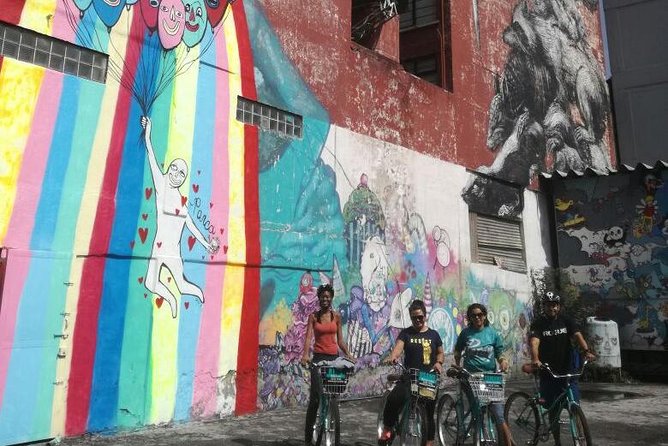
If you’ve ever felt like Mexico City sightseeing can turn into a checklist, this tour is the antidote. You get a bike, a local guide, and a route through neighborhoods where murals feel less like decoration and more like public conversation. The pace is slow enough that you can notice details on walls, then turn around and follow the group without stress.
The format also matters. This is a small group, with a max of 10 people, and the staff uses extra help to keep the ride moving through traffic. In practice, that means you’re not doing a white-knuckle bike commute. You still ride in real city conditions, but the crew is actively managing crossings so you can focus on the art.
And yes, you’ll eat. This tour includes street food snacks plus bottled water, which makes it feel like a full morning or afternoon outing instead of a quick photo loop. For $60.56, you’re not just paying for a guide’s time—you’re getting bike logistics, safety support, and food baked into the ticket price.
You can also read our reviews of more cycling tours in Mexico City
Where you ride: Guerrero, Lagunilla, and the mural corridors
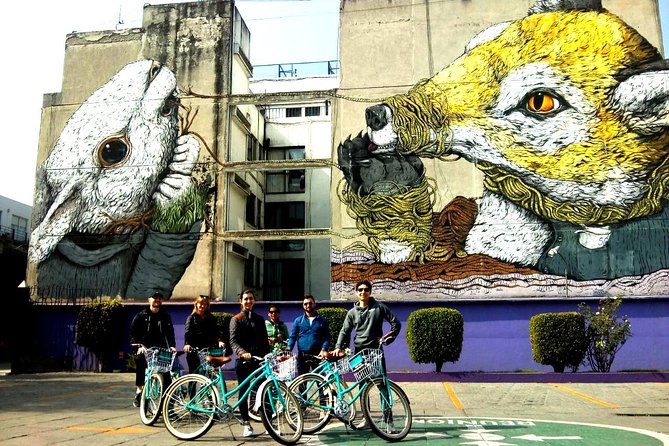
Your tour starts in central Mexico City at Av. P.º de la Reforma 24-1, Colonia Centro, Cuauhtémoc, 06040, with a 10:00 am start. You return to the same meeting point when you’re done, which is handy if you’re pairing this with other plans later in the day.
From there, you head through areas like Colonia Guerrero and Lagunilla, plus parts of the “non-tourist” center. That shift is the whole point. The city’s mural scene isn’t limited to postcard streets, and the best examples are often tucked into neighborhoods where you’d normally walk past without a reason to stop.
The tour also offers two routes to choose from: north or south. The basic thread stays the same—street art, neighborhoods, and big mural viewing—but your exact streets and emphasis change. If you’re trying to cover more of Mexico City in one short trip, choosing a route that matches your interests is a smart move.
One practical note: because you’re biking, it helps to be comfortable with slow city cycling. You don’t need to be an athlete, but you do need to be willing to ride steadily for about three hours.
Safety in traffic: why the crew matters on a bike tour
Mexico City traffic can be intimidating if you’re used to quieter streets. The good news: this tour is built around active safety support, not just a guide leading the way. In multiple runs, groups have had two guides and additional staff acting as blockers or crossing helpers, and people repeatedly mention that they felt safe throughout.
What does that mean for you? It means you’ll stop often, the staff will help create safe moments to cross, and the ride is organized so the group stays together. You’re still riding near cars and buses, but you’re not doing it alone.
There’s also a second layer to this: bike handling. The bikes are fitted to you, which helps with control and comfort. Still, a small number of people noted that bike condition wasn’t perfect on every day—weak brakes or weird shifting. That didn’t ruin the experience for most, but it’s a fair consideration. When you arrive, take 30 seconds to check the brakes and gears before the tour rolls out. If something feels off, tell the staff right away.
Stop by stop: what you’ll see and why it’s worth your time
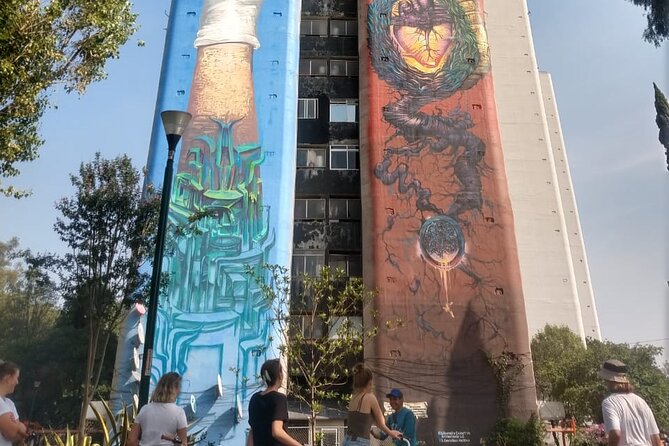
1) Poray and the start of the street-art neighborhoods
Your first main stop is around Poray, then you head into the Colonia Guerrero and Lagunilla zone. This is where the tour begins to feel different from a standard walking route. Instead of only viewing murals from sidewalks, you’re moving through the city at bike speed, which lets you connect clusters of art to the blocks around them.
This early stage is a good warm-up. You’ll get used to the pace, the group spacing, and how the guide explains what you’re looking at. It also sets the tone: this isn’t street art as random decoration. The guide frames it as part of community identity.
You can also read our reviews of more city tours in Mexico City
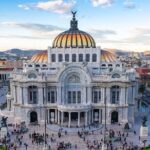


2) Obrera and Doctores, plus the Antique Toy Museum
Next you move through Obrera and Doctores to visit the Antique Toy Museum. The museum has a notable street-art connection: it’s described as home of the first Street Art Festival in 2011, and the local spirit has kept pushing the community to preserve and promote new art and creative work.
Even if you’re not a museum person, this stop works because it gives context. You’re learning where the mural energy came from, and why street art can be tied to local creativity rather than only outside artists showing up for photos.
Also, the tour notes admission is free, so you’re not hit with extra entry fees mid-tour. That keeps the value clean and predictable.
3) A break in Jardín Pushkin and the Rome Chic moment
To keep the tour lighter, there’s a break in Jardín Pushkin. People often underestimate how much a short pause improves the experience on a bike tour. It lets you stretch your legs, reset your focus, and look at the surroundings without rushing to the next stop.
You’ll also get to know Rome Chic during this break. The inclusion here feels practical: you’re not just taking a break in theory; you’re stopping at a real spot as part of the route rhythm.
4) Juárez and Cuauhtémoc: crossing into big-mural territory
Then comes one of the most visual parts of the route. You cross through Juárez and Cuauhtémoc neighborhoods to admire some of the largest murals, described as painted using various Alameda techniques (a reminder that mural work has its own style traditions and methods).
This is where biking helps you. Big murals are often on streets that don’t line up neatly for walking-photo sessions. By bike, you can get closer to the mural corridor and keep momentum between viewing points.
The tour also specifically mentions the Diego Rivera mural. Rivera is a name you’ll hear around Mexico City, and seeing the scale in person makes the reference land. Even if you know the basics, the tour framing helps you look beyond the famous name and toward the wall as a public canvas.
One of the smartest parts here is the route choice. The north and south options change what you focus on, including which mural clusters you’ll prioritize. If you’re the type who loves comparing how style changes block to block, you’ll appreciate the structure.
Guides and storytelling: what makes the art click
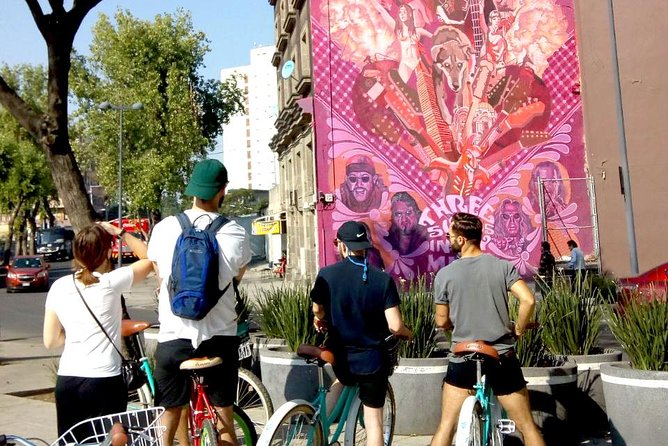
This is the kind of tour where the guide can make or break your experience. Luckily, the tour has a strong pattern of staff showing both enthusiasm and structure. You’ll see guide names like Alberto, Iván, Gaby, Cesar, Eduardo, and supporting staff such as Timon, Beto, and others, and people consistently mention that the guides tie art to local culture and neighborhood context.
Sometimes English clarity varies a bit. That’s not unusual on tours where guides are multilingual. If you rely on very specific details, ask a question when you’re at the mural stop and make sure you’re following the explanation. A quick clarification beats guessing while you’re taking photos.
You may also notice that guides handle curiosity with flexibility. For example, one guide (Iván) offered to help with a detour idea like checking out a library while the bikes were managed by staff. That’s a good sign: it’s not rigid to the point of ignoring what you care about.
Included street food: what you’re actually eating
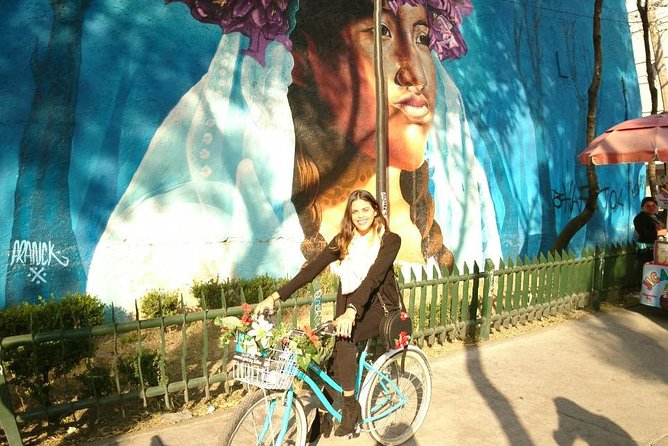
Let’s talk about the food, because it’s part of why the tour feels worth it. You get street food snacks plus bottled water. The menu isn’t one item. It’s a mix, with examples like:
- tacos
- quekas
- tlacoyos
- gorditas
- chilaquiles
- and other street-food options
They also state there are options for diet restrictions, which is a big deal. If you have dietary needs, you’ll want to mention them when you book (or to the staff at the start) so the snacks match what you can eat.
In at least a few outings, the food stops include places like Maize Azul tacos. Even if your exact stand differs, the goal is consistent: a local bite that reinforces what you’re learning about the neighborhoods you’re riding through.
Food also solves a practical bike-tour problem. Three hours of street art can be mentally tiring. A snack break keeps energy up, and it makes the time feel less like a schedule and more like a shared day out.
Price and value: why $60.56 can make sense
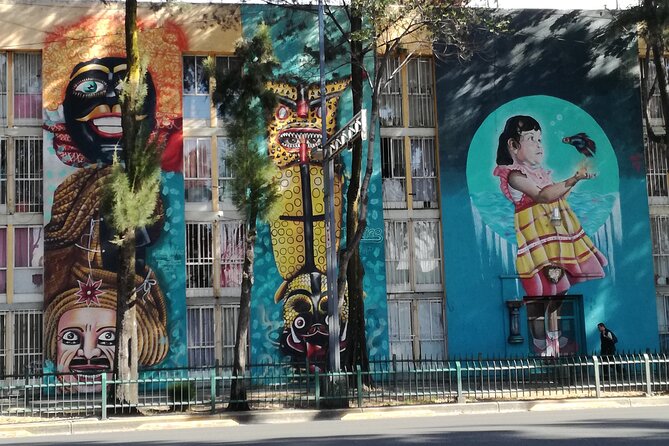
At $60.56 per person for about 3 hours, the value is strongest when you break it down:
- You’re paying for a local guide who explains what you’re seeing
- You get a bike rental fitted to you
- You also get bottled water and multiple street-food snacks
- The group is limited to 10 people, which makes the ride more manageable
- There’s extra safety support to help with crossings
If you were to do the same day on your own, you’d still pay for a bike rental and likely spend money on food somewhere. The real question is whether the art context and guided route are worth the difference. Based on how people talk about the explanations and neighborhood access, this tour aims to answer yes.
And because it ends back where you start, you avoid a lot of friction. You don’t need complicated transportation planning to finish the experience.
What to watch for before you book
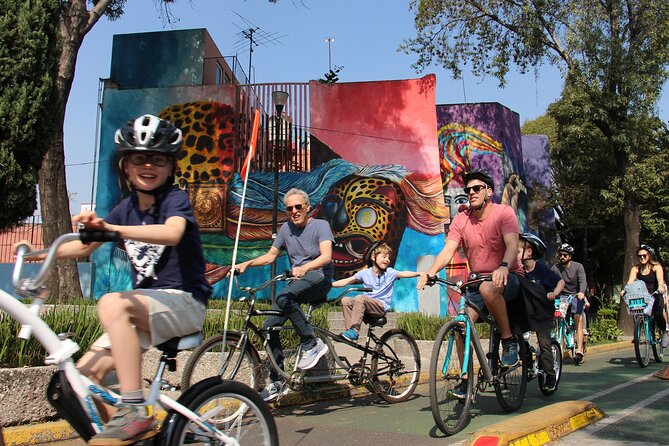
This tour is designed for most people, but two practical considerations come up:
1) Bike condition can vary. Most rides feel comfortable, but it’s smart to do that quick brake/gear check at pickup.
2) English can vary by guide. English is offered, and guides may be multi-lingual, but clarity levels can differ. If you want deep detail, ask questions as you go.
There’s also a timing reality with group tours: if someone arrives late, the whole group can lose time. So arrive early with a clear view of the meeting address so you’re not searching mid-morning.
Finally, this is not a “sit back and relax” tour. You’re riding a bike. If you’re uncomfortable on two wheels or prefer strictly walking tours, that might change your expectations.
Who this bike tour is best for
This is a strong match if you:
- love street art and murals and want the story behind them
- want to see parts of Mexico City beyond the most obvious sights
- like guided pacing and want help managing crossings
- enjoy street food and want it included, not left to chance
- prefer small groups where you can actually hear explanations
It may be less ideal if you:
- have very limited comfort cycling in traffic-like conditions
- expect the bikes to be brand-new in perfect condition every single day
- need very high precision in English translation and don’t want to ask questions if anything is unclear
Tips to get the best experience on the day
A bike tour succeeds on small habits. Here’s what helps:
- Arrive early at Av. P.º de la Reforma 24-1 so you can get fitted smoothly.
- Bring sunscreen and something for sun protection; you’re outdoors on a street-art route.
- Do a quick bike check: brakes and gears before you start riding.
- If you have dietary needs, flag them at the beginning so the snacks match you.
- When you stop for murals, pause before taking photos. Read what the guide is pointing out first. The explanations are part of the payoff.
Also, pack your expectations for pacing. The ride is slow and safe-focused, but it still feels active. You’ll cover enough ground that the neighborhoods change, while still keeping the stops meaningful.
Should you book ART NACO: Murals & Street Art Bike Tour?
If your goal is to see Mexico City street art with real neighborhood context, this is an easy yes. The combination of murals, a museum connection, and street food snacks makes the ticket feel like a complete experience. Add in the small-group limit and the safety support staff, and you’ve got a practical way to ride beyond the usual tourist path without turning it into an exhausting day.
I’d book it especially if you like art that has people behind it. The best part isn’t only what you see on walls; it’s how the guide connects that art to places like Obrera, Doctores, Juárez, and Cuauhtémoc.
Book it if you can handle a bike tour and you’re ready to ask a question or two if the English framing isn’t perfect. It’s that kind of tour.
FAQ
How long is the ART NACO street art bike tour?
It runs for about 3 hours.
What is the group size limit?
The tour is a small group with a maximum of 10 people.
What time and where does the tour start?
It starts at 10:00 am at Av. P.º de la Reforma 24-1, Colonia Centro, Cuauhtémoc, 06040 Ciudad de México, CDMX, Mexico. It ends back at the meeting point.
Is the tour offered in English?
Yes, it is offered in English.
What’s included in the price?
Included are a local guide, a bicycle fitted to you, bottled water, small-group setup, and street food snacks (with options for diet restrictions).
Is hotel pickup included?
No, hotel pickup and drop-off are not included.
Are children allowed?
Children must be accompanied by an adult. A child rate applies only when sharing with 2 paying adults.
What is the cancellation policy?
You can cancel for a full refund if you cancel at least 24 hours before the experience’s start time. Free cancellation is available up to 24 hours in advance.