REVIEW · MEXICO CITY
Mexico City: National Art Museum Guided Tour
Book on GetYourGuide →Operated by José Vicente Figueroa- GM International Travel · Bookable on GetYourGuide
MUNAL makes Mexican art feel immediate. I love the chance to see Rivera, Orozco, Siqueiros and the other muralists with an art story you can follow, not just a checklist of names. I also like how the guide ties together eras so the museum feels like one long conversation. One drawback to consider: the entrance ticket isn’t included, so you’ll need to budget the 90 MXN fee on top of the tour price.
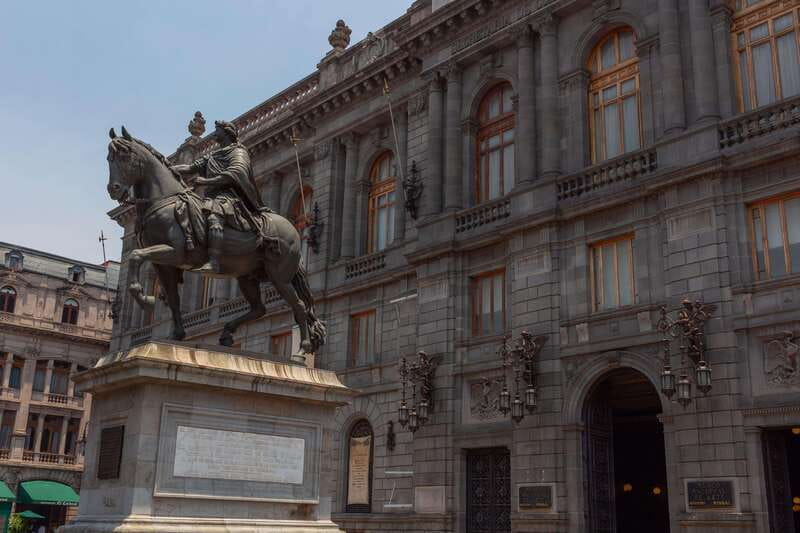
You meet at the main gate of MUNAL with the guide holding a Mexican flag, which helps you find the right group fast. In just two hours, you’ll cover muralism, Mexican landscape painting in the permanent collection, and even French frescoes and furniture, all with a bilingual guide who keeps things moving.
Because the group is capped at 10 people, you’ll get a more personal rhythm than with big tours. The trade-off is that you should arrive on time so you don’t slow the start—this is a tour built for momentum, not a leisurely drift.
In This Review
- Key things to know before you go
- Walking into MUNAL: why this start matters
- The 2-hour rhythm: what you actually cover (and what you skip)
- Mexican muralism at MUNAL: the heart of the experience
- Mexican landscape painting in the permanent collection
- San Carlos School sculpture and the French fresco angle
- Novohispanic art to 20th-century forms: how the story clicks
- Who’s this tour for?
- Guide style: what to expect from Jesús and José
- Price and value: is $52 a smart buy?
- Logistics that matter: languages, group size, and timing
- Should you book the Mexico City MUNAL guided tour?
- FAQ
- How long is the guided tour at MUNAL?
- What is the price of the tour?
- Is the museum entrance ticket included?
- Where do we meet for the tour?
- How big is the group?
- What languages are available for the live guide?
- Which art is covered during the tour?
- What is the cancellation policy?
Key things to know before you go
- MUNAL meeting at the main gate with the guide holding a Mexican flag, so you can spot your group quickly
- Small-group size (10 max) for questions and real back-and-forth during the walkthrough
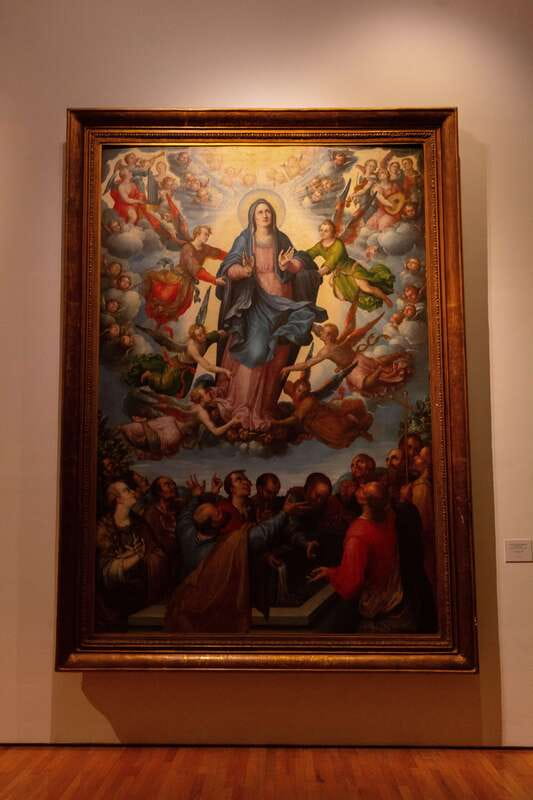
- Muralists front and center, including Rivera, Orozco, and Siqueiros, plus later modern artists
- Permanent exhibition focus, especially Mexican landscape painting
- Sculpture and cross-cultural pieces, including San Carlos School sculpture and French frescoes
- A time-travel style overview, moving through multiple Mexican art eras in a short visit
Walking into MUNAL: why this start matters
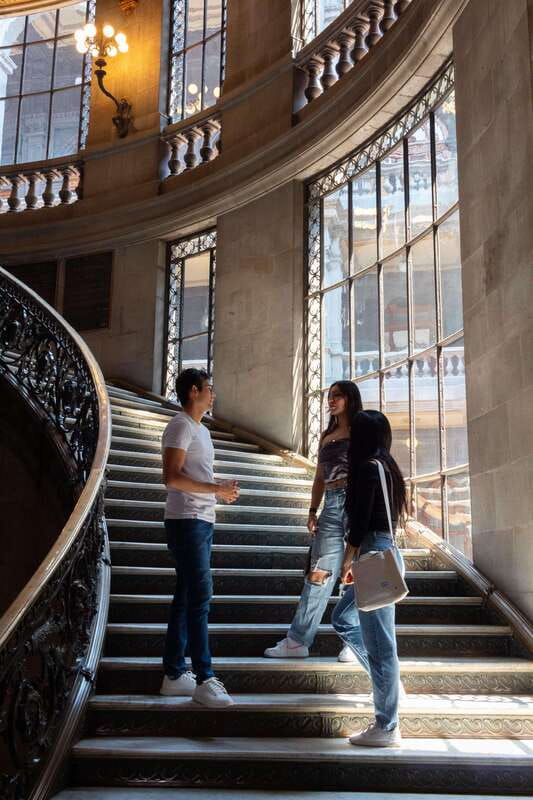
The National Art Museum in Mexico City, MUNAL, is one of those places where the setting can distract you. Big rooms, lots of artwork, and your eyes doing the normal tourist thing: jumping from one painting to the next.
This guided format fixes that problem from the first minute. You meet at the main gate and your guide holds a Mexican flag, which is simple but effective. It means you’re not wandering around trying to match faces and lanyards while your planned time slips away.
Once you’re inside, the tour turns the museum into a map. You’re not just looking at art; you’re learning how Mexican art changed over time—especially through the voices of muralists and then onward into newer 20th-century forms.
You can also read our reviews of more tours and experiences in Mexico City.


The 2-hour rhythm: what you actually cover (and what you skip)
This is a 2-hour guided tour, which is an important detail. In a museum like MUNAL, you could easily spend half a day and still feel like you missed things. Here, you’re choosing depth over volume.
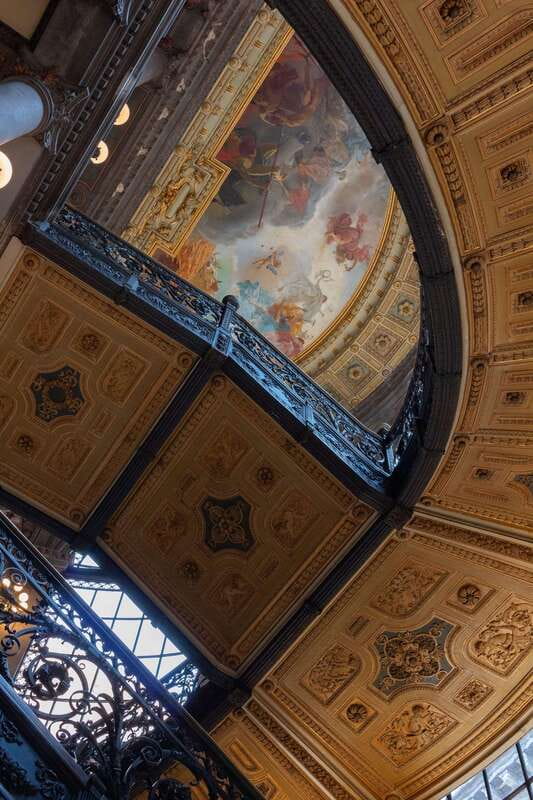
You’ll get a guided route that hits major themes and major artists, including work connected to muralism and Mexican landscape painting. You’ll also see sculpture highlights and French-influenced pieces. By the end, you should feel like you can name the eras and understand how the style shifts.
The trade-off is obvious: you won’t see everything in the museum. This tour works best if your goal is clarity—an overview with context—so you can decide what to return to on your own later.
Mexican muralism at MUNAL: the heart of the experience

If Mexican muralism is your entry point, you’re in the right place. The tour highlights work by Rivera, Orozco, and Siqueiros, plus other artists tied to the movement and its aftershocks.
What I like about this approach is that it treats muralism as more than famous names. You’re shown the background of the muralist push and how it connects to the broader history of Mexican art. Instead of memorizing titles, you start to recognize the logic behind the themes and the visual style.
You’ll also hear about other key artists included in the tour’s arc, such as Marta Izquierdo, Anguiano, Velasco, and Dr. Atl. That matters because these artists help bridge muralism-era energy with different directions in 20th-century art.
Practical note: plan to stand and look closely. Even if you’ve seen images online, the museum setting changes the scale and the details. A guide helps you notice what to watch for without turning the visit into a lecture.
Mexican landscape painting in the permanent collection
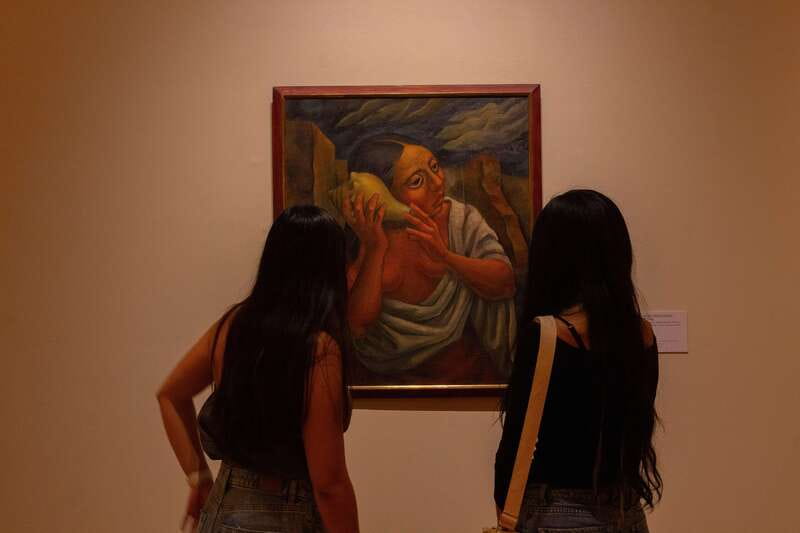
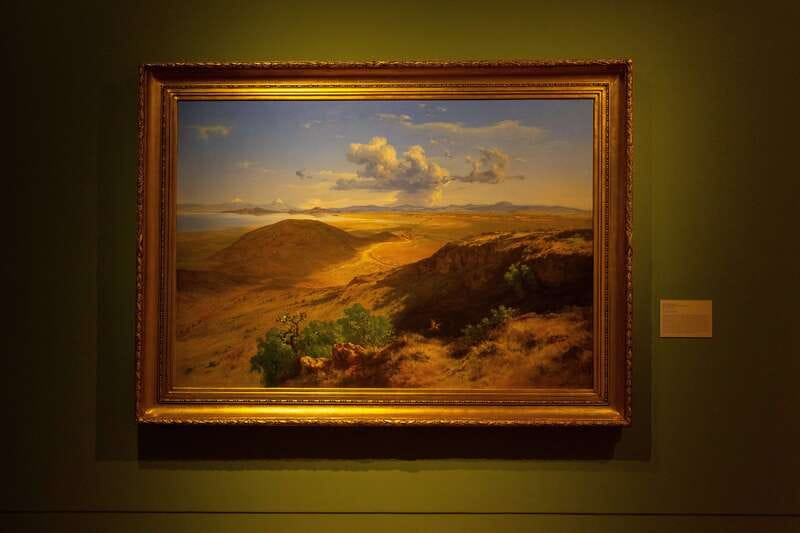
One of the tour’s anchors is the museum’s permanent exhibition on Mexican landscape painting. That might sound like a side stop, but it’s actually a helpful piece of the puzzle.
Landscapes in Mexico’s art aren’t only scenery. They’re often tied to how people viewed land, identity, and place during different periods. When you see these works in a museum sequence, you start connecting artistic choices to history.
A big win here is order. You don’t have to guess where the landscapes fit. The guide’s job is to connect them to what comes before and after—so you understand the shift from earlier influences toward later modern ideas.
If you’re the type who likes to understand why artists painted what they painted, you’ll probably find this section unusually satisfying for a “short” tour.
San Carlos School sculpture and the French fresco angle
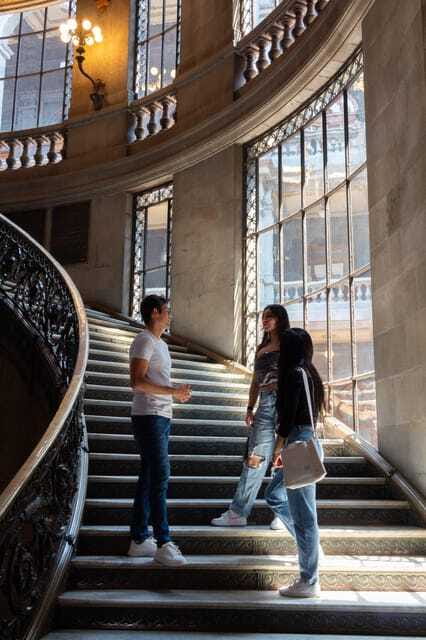
MUNAL isn’t only muralists and wall-sized drama. Part of the value of this tour is that it widens the lens.
You’ll see examples of sculpture from the San Carlos School, which helps you track how training and institutions shaped sculpture styles. Even if you’re not a sculpture person, it’s a good reminder that art history isn’t only painting.
Then comes the cross-cultural layer: you’ll encounter French frescoes and French furniture, along with Novohispanic art. This is where the museum becomes more than a Mexican-art-only storyline. You start seeing how Mexico’s art scene interacted with European influences and then reshaped them.
The practical benefit: this tour gives you language for what you’re seeing. Otherwise, French-influenced decorative pieces can feel like background. With context, they become part of the bigger narrative you’re building in your head.
You can also read our reviews of more city tours in Mexico City

Novohispanic art to 20th-century forms: how the story clicks
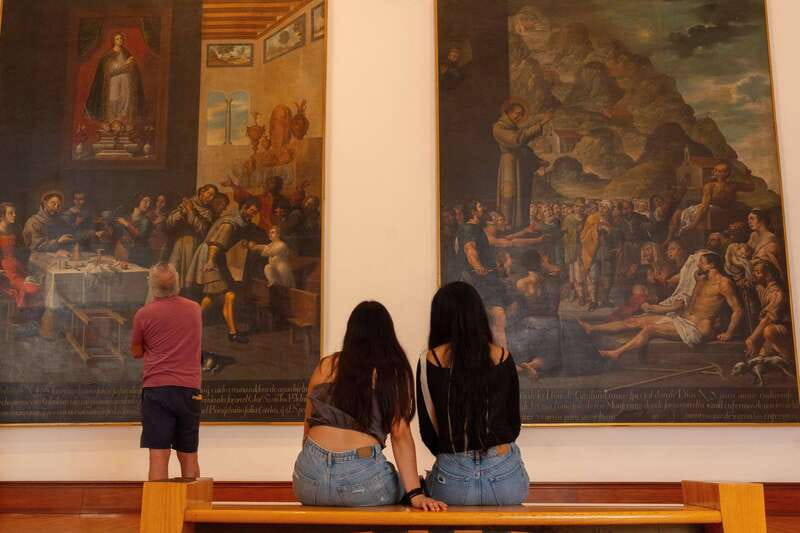
The real payoff is the way the guide uses the museum as a timeline. You’re taught a quick path through almost all of Mexico’s eras, moving from earlier periods (including Novohispanic art) toward new forms of the 20th century.
This is the moment where the tour stops being a list of artists and turns into a framework. You’ll see how shifts in society, aesthetics, and artistic goals show up on the walls. You also start to notice how newer styles don’t just replace older ones—they react, borrow, and reframe.
In the short span of two hours, you get enough structure to carry with you. That’s why this works even if you’re visiting for the first time: you leave knowing what to look for on your own.
One small consideration: museum buildings can feel overwhelming fast. The guide helps, but if you want a slow, quiet, totally self-directed visit, you might find the pacing a bit busy.
Who’s this tour for?
This guided tour is a strong match if:
- You want a clear overview of Mexican art history without spending all day hunting for the “right” rooms
- You’re excited about muralism and want to understand it beyond the headline names
- You like seeing how different mediums connect—painting plus sculpture plus French-influenced pieces
- You appreciate interactive guides who keep you engaged and willing to ask questions
It may be less ideal if:
- You’re looking for a silent, unstructured museum drift
- You prefer full freedom to linger on one piece for a long time (this tour is designed for coverage)
Guide style: what to expect from Jesús and José
The guided experience lives or dies on the person leading you, and this tour leans on strong, energetic storytelling. Guides named Jesús and José show up in the strongest accounts, and what stands out is how they keep you moving through the collection while connecting it to technique and meaning.
Some guides can be animated. For example, there’s mention of guides who are a bit flamboyant and of photos taken during the tour—so if you don’t love that, keep your expectations flexible and stay focused on the art story.
The good news: even in critiques, the consistent theme is that the guides explain the development of Mexican art clearly and keep the visit engaging. You also get the feeling that the museum isn’t treated like a warehouse of objects—it’s treated like a living narrative.
Price and value: is $52 a smart buy?
At $52 per person, you’re paying for what most travelers really need inside a museum: a route, context, and an explanation of what matters. The tour includes a bilingual guide, and the group is small (10 max), which usually makes the per-person cost easier to justify.
Your additional cost is the museum entrance ticket, listed as 90 MXN (about $6 USD) and not included in the tour price. So you should mentally plan for roughly $58 total for the guided visit.
Is that value? If your goal is a fast, coherent understanding of Mexican art—from muralists to 20th-century shifts—then yes. If you already know the history deeply and you want maximum time on your own, you might question whether the guided route adds enough. But for a first-time museum visit, this price is usually fair.
Logistics that matter: languages, group size, and timing
This tour runs for 2 hours, and the key time-saving piece is that you meet at the main gate and head straight into the museum story.
Language options are strong. The guide is available in multiple languages, including English, Spanish, Portuguese, German, and Italian. That’s a big deal because art-history explanations are only as good as your ability to follow the nuance.
The small-group cap at 10 participants is one of the biggest quality signals. It’s the difference between feeling like you’re in a crowd and actually getting your questions answered without waiting your turn.
Should you book the Mexico City MUNAL guided tour?
I’d book it if you want a structured overview of Mexican art that actually helps you understand what you’re seeing. The combination of muralists, Mexican landscape painting, San Carlos School sculpture, and French frescoes/furniture gives you variety without losing the thread. And because it’s a small group with a bilingual guide, you’re not stuck translating everything in your head.
I’d skip it if you prefer a slow solo museum experience where you can linger on one painting for 45 minutes. This tour is made for momentum and for connecting eras in a short window.
If you’re visiting MUNAL as your main art-history stop in Mexico City, this guided format is a smart way to get your bearings fast—and then decide what you want to revisit afterward.
FAQ
How long is the guided tour at MUNAL?
It lasts 2 hours.
What is the price of the tour?
The price is $52 per person.
Is the museum entrance ticket included?
No. The entrance ticket is listed separately as 90 MXN / 6 USD.
Where do we meet for the tour?
You meet at the main gate of the National Art Museum (MUNAL), where the guide will be holding a Mexican flag.
How big is the group?
The group is small, limited to 10 participants.
What languages are available for the live guide?
The live tour guide is available in English, Spanish, Portuguese, German, and Italian.
Which art is covered during the tour?
You’ll see key muralists and works such as Rivera, Orozco, Siqueiros, Marta Izquierdo, Anguiano, Velasco, Dr. Atl, and others, plus the permanent exhibition on Mexican landscape painting, sculpture from the San Carlos School, and examples including French frescoes and French furniture.
What is the cancellation policy?
Free cancellation is offered up to 24 hours in advance for a full refund.