REVIEW · BERLIN
Berlin: East Side Gallery and Cold War Segway Tour
Book on GetYourGuide →Operated by Firewheels Tour GmbH · Bookable on GetYourGuide
Berlin’s Wall art moves fast on a Segway. This tour is a smart mix of East Side Gallery street-level viewing and guided Cold War commentary that helps the big picture click while you’re gliding through central Berlin.
I especially like how you get both the “how did this happen?” context and the “look at this up close” moment, thanks to stops around Alexanderplatz, Hackescher Markt, and Nikolaiviertel before you reach the wall. One thing to keep in mind: the experience can vary depending on your guide’s pace and how much history they put into each stop, so arrive with curiosity and be ready to ask questions if something feels skimmed.
In This Review
- Key highlights at a glance
- Segway training, then Berlin at your speed
- The route: Alexanderplatz, Hackescher Markt, Nikolaiviertel, and more
- Alexanderplatz: the big junction feeling
- Hackescher Markt: courtyards and small-scale Berlin
- Nikolaiviertel: history you can almost walk into
- East Side Gallery: 1.3 kilometers of Berlin Wall murals
- What the art means (and why it’s tied to 1989–1990)
- The specific murals you’ll want to look for
- Why the guide matters more than you think
- Price and value: $100 for 150 minutes of Berlin Wall access
- Comfort, safety, and who should consider another option
- The best way to make the most of your East Side Gallery Segway ride
- Should you book this East Side Gallery Segway tour?
- FAQ
- How much does the Berlin East Side Gallery Cold War Segway Tour cost?
- How long is the tour?
- Where do I meet the guide?
- What’s included in the tour price?
- What languages are the live guides available in?
- What will I see at the East Side Gallery?
- How long is the East Side Gallery stretch?
- Is this tour suitable for children or pregnancy?
- Are there weight limits?
- What are the cancellation and payment options?
Key highlights at a glance
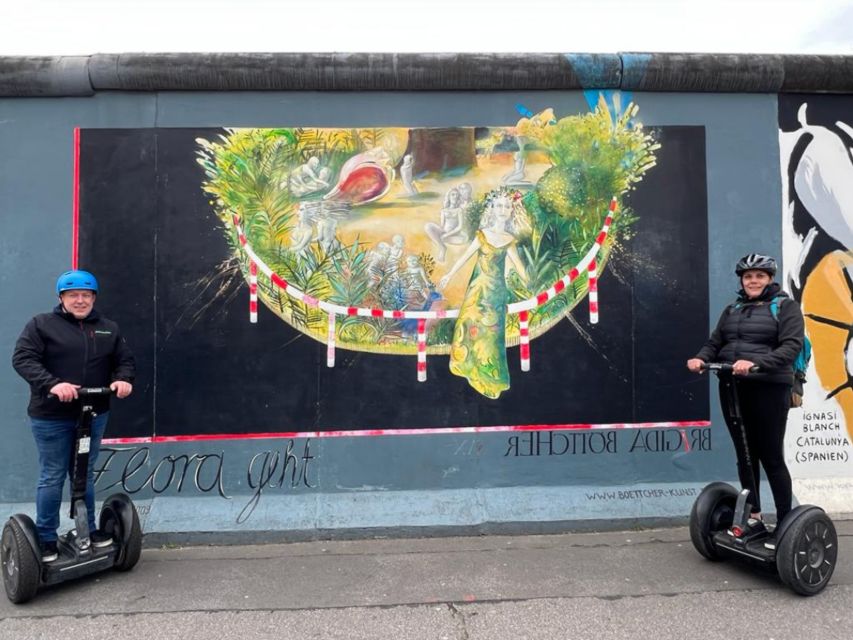
- 1.3-kilometer East Side Gallery: the longest surviving stretch of Berlin Wall, along the Spree River
- Cold War art with real names: Dmitri Vrubel’s Fraternal Kiss and Birgit Kinders’ Trabant breaking through the wall
- Segway time built in: you cover more ground without tiring out your legs
- Helmet and raincoat included: practical extras that keep the tour comfortable
- Stops in central Berlin: Alexanderplatz, Hackescher Markt, Nikolaiviertel, and more
Segway training, then Berlin at your speed

This tour is built for motion. You’re on a Segway for the full experience, which means you don’t spend your day hunting seats on trams or standing in lines. Instead, you can focus on noticing the layers of Berlin: old East vs. West, then the city that grew out of both.
Before you head out, you’ll get the Segway setup and a helmet, so you can concentrate on steering and balance. The “comfortable shoes” note matters here. Even though you’re riding, you still do short in-and-out moments, and Berlin sidewalks can be uneven.
The practical beauty of this format is simple: you move through places where the story is written into the street layout. If you’ve ever tried to connect Cold War history from museum captions, this is a way to make it physical. You’ll see major squares and neighborhoods, then link that geography to what happened along the wall.
You can also read our reviews of more museum experiences in Berlin


The route: Alexanderplatz, Hackescher Markt, Nikolaiviertel, and more
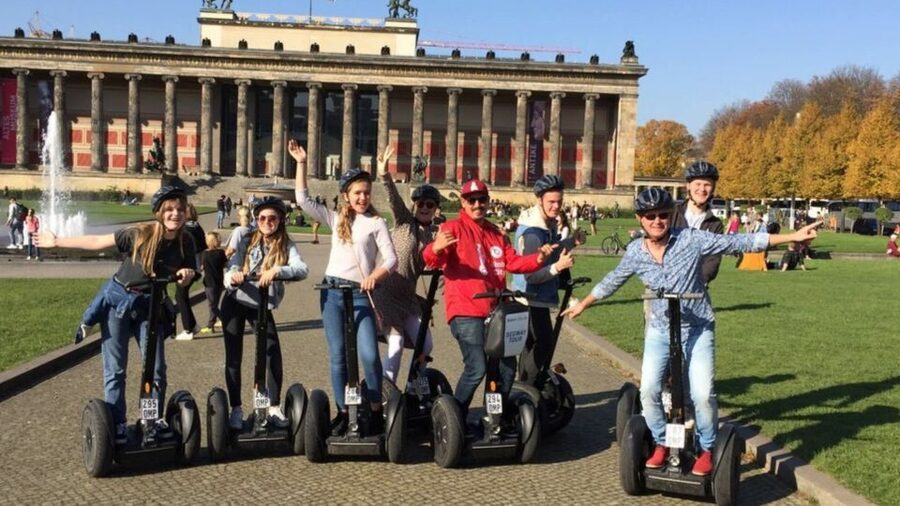
The tour starts in central Berlin and then works its way through key districts. You’ll pass through areas including Alexanderplatz, Hackescher Markt, and Nikolaiviertel, plus additional stops along the way. The exact order can depend on the day’s logistics, but the idea stays the same: you build context first, then land at the wall.
Alexanderplatz: the big junction feeling
Alexanderplatz is one of Berlin’s central gravity points. Even without deep research beforehand, you’ll notice it’s a place built for flow—transit, street crossings, and constant movement. On a Segway, that matters: you get a feel for how the city is structured around major hubs, which helps you understand why the wall’s presence felt so disruptive across daily life.
Hackescher Markt: courtyards and small-scale Berlin
Hackescher Markt is different in character. Instead of the open, transit-heavy vibe, you get a more human scale, with streets that invite wandering. From the Segway you can still cover ground quickly, but you’ll likely spot the variety in the streetscape—less like a single monument and more like a patchwork of urban life.
Nikolaiviertel: history you can almost walk into
Nikolaiviertel is known for its historic character, and it’s a good prelude before East Side Gallery because it shifts you from “major city” to “older streets.” The Segway still keeps things efficient, but you’re heading toward a part of Berlin where the past is displayed in plain sight.
Tip for you: if you care about the narrative, pay attention during the transit segments. That’s where your guide can connect neighborhood changes to broader political shifts, so the wall doesn’t feel like a standalone postcard.

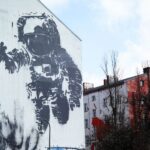
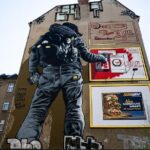
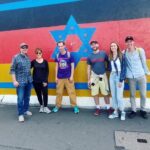

East Side Gallery: 1.3 kilometers of Berlin Wall murals

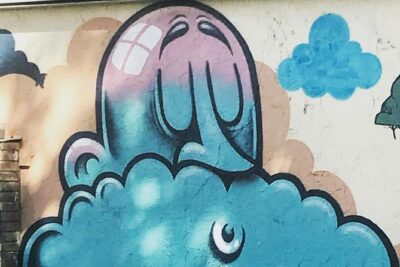
Eventually, the tour’s main event takes over: the East Side Gallery. This is the longest surviving section of the Berlin Wall and it’s now the longest open-air gallery in the world, stretched for 1.3 kilometers along the banks of the Spree River.
The location is more than scenic. Being outdoors, along a real waterway and real streets, you experience the wall as part of the city’s everyday fabric, not behind museum glass. You’ll have a strong chance to frame photos with the river and the wall art together, which is exactly the right angle for this kind of history.
What the art means (and why it’s tied to 1989–1990)
When the wall fell in 1990, this stretch became a canvas. More than 100 artists from over 20 countries decorated it, and many works functioned as commentary on the political upheaval between 1989 and 1990.
That’s one reason this stop works so well with a guided format. Without context, you might enjoy the murals as street art. With context, you see the murals as witnesses—visual reactions to a world in transition, created right as Germany’s political map was being redrawn.
The specific murals you’ll want to look for
Two of the most famous paintings often highlighted here are:
- Dmitri Vrubel’s Fraternal Kiss
- Birgit Kinders’ Trabant breaking through the wall
When you see these, try shifting from “what is the picture?” to “what is the message?” A lot of this art leans into liberation, irony, and the tension between old systems and new freedoms. And because the gallery is long, you can take in different styles and moods instead of only one iconic image.
Bring your camera. Do it like a realist: stop, take a shot, then turn back to the guide for the next explanation. That rhythm prevents you from spending the whole time photographing and missing the story thread.
Why the guide matters more than you think
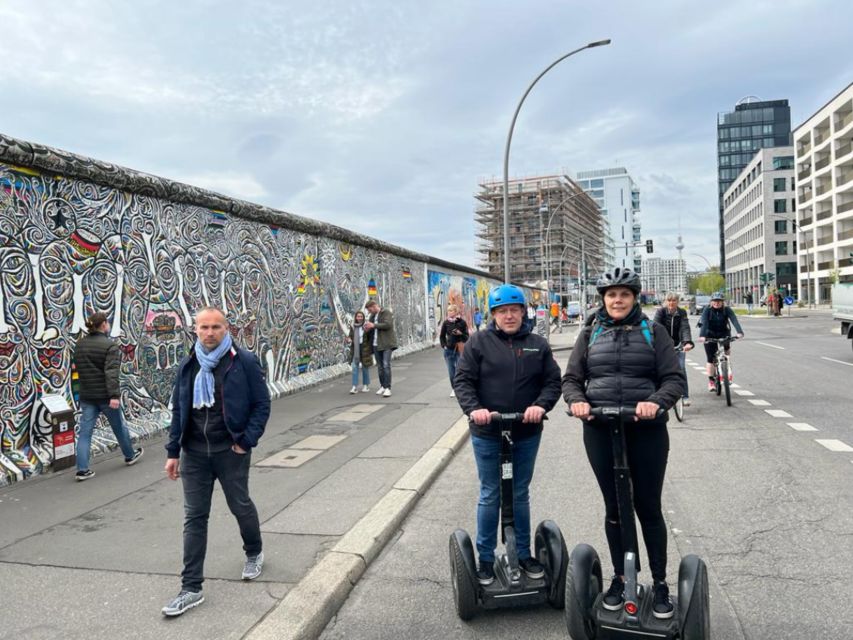
The tour lives or dies on the guide’s clarity. The best outcomes are when your guide explains enough that the wall art makes sense, and when they connect the streets you just rode with what happened politically.
Some guides here are noted for being sharp and efficient with the route and explanations, including names like Morgan and Fais being called out for performance. If you’re choosing a time slot, English-speaking or German-speaking, pick based on what matches your comfort level—not just availability.
Here’s a practical way to protect yourself from a “thin history” experience: during the early riding segments, ask one direct question about what you’re about to see. For example, you can ask what moment in the Cold War the guide wants you to notice most at the East Side Gallery. If your guide can answer quickly and connect it to specific murals, you’re in good shape.
And yes, routes can shift. One day’s best path may be different from another, which can change how long you spend on certain streets. The Segway makes detours feel less painful—but it still helps to keep your schedule flexible afterward.
Price and value: $100 for 150 minutes of Berlin Wall access
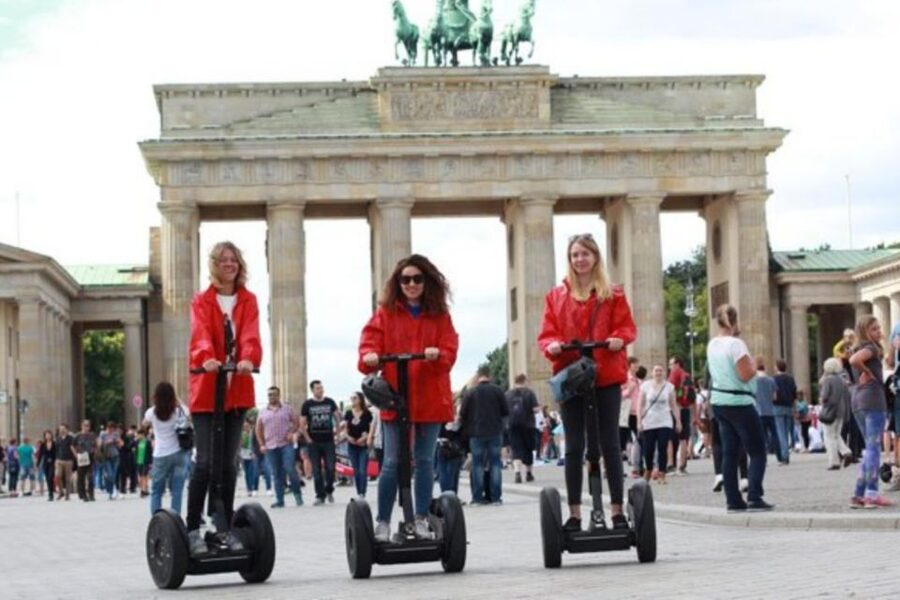
At $100 per person for 150 minutes, you’re paying for three things at once:
- A Segway (with helmet, and usually a bit of handling time)
- A local guide who can turn street art into political context
- A structured route through several central neighborhoods into the wall section
Is it worth it? For many people, yes—especially if you want to cover distance without exhausting your legs and you care about more than just a quick East Side Gallery snapshot. A wall mural walk can be done on your own, but a guided ride helps you connect why these works exist and what the wall meant day-to-day.
Also consider the opportunity cost. If you’re short on time in Berlin, 150 minutes gives you a compact “big ideas + specific places” format. You’ll leave with more than photos; you’ll have a storyline you can repeat when you see other Cold War sites later.
If you’re a super independent traveler who loves reading everything at your own pace, you might prefer a self-guided plan. But if you like someone translating the scene while you ride, this is a clean value proposition for the time you buy.
Comfort, safety, and who should consider another option
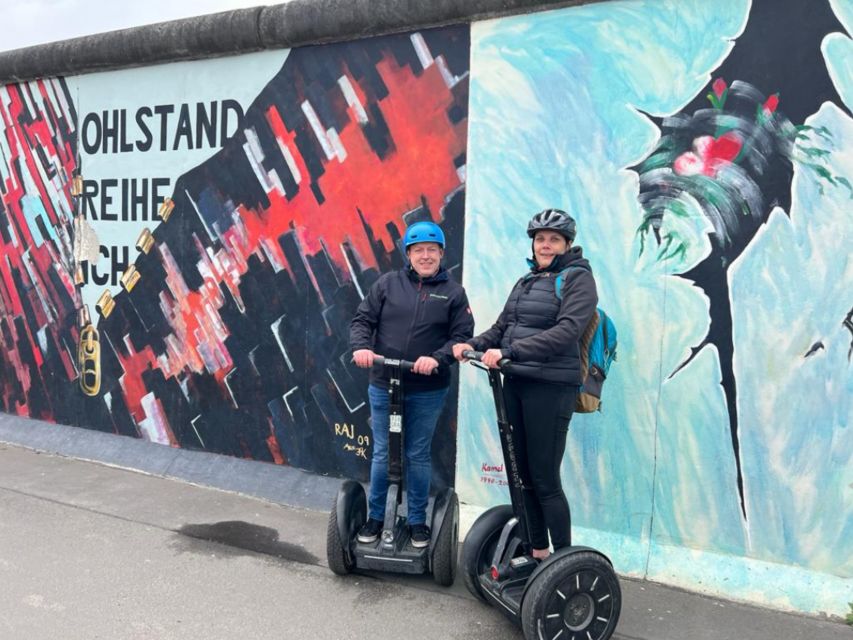
This tour isn’t for everyone, and the limitations are very clear.
It’s not suitable for:
- Children under 14
- Pregnant women
- People under 88 lbs (40 kg)
- People over 264 lbs (120 kg)
So if you or someone in your party is near those limits, check early. Also plan on comfortable shoes and weather-appropriate clothing. Berlin weather can change fast, and you’ll appreciate having a raincoat provided if conditions get wet.
The humor-free truth: a Segway is only fun if you feel stable and comfortable with basic movement. If you’re dealing with balance issues, consider whether a traditional walking tour might be a better fit.
The best way to make the most of your East Side Gallery Segway ride
You’ll get the most out of this tour if you treat it like a two-part experience: first, the city geography; then, the art wall.
- During the ride, watch for the way the city feels organized around major hubs like Alexanderplatz.
- When you reach the Spree-side stretch, slow down. That’s your chance to connect the mural message to the broader political story.
- Use your camera, but don’t let it replace the explanations.
If you care specifically about the famous pieces, look for Fraternal Kiss and Trabant breaking through the wall. But also pay attention to the lesser-known works—because this gallery is long, and the variety is part of what makes it more than one famous photo.
And if you want to feel confident about language, confirm you’re booking the guide language you want. The tour runs in English and German, so it helps to pick what lets you absorb the commentary without straining.
Should you book this East Side Gallery Segway tour?
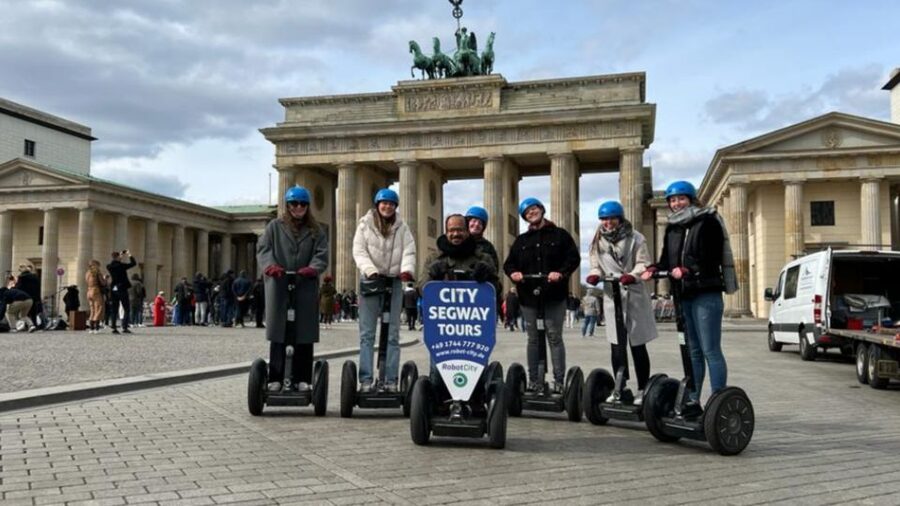
Book it if you want an efficient way to see the East Side Gallery and you enjoy having a guide connect Cold War context to what you’re staring at. It’s especially good value when you’re short on time but still want more than a simple stop-and-go photo session.
Skip it if you’re only interested in the murals themselves and you don’t care about the street-level context, or if the ride format doesn’t suit your body comfort or your party’s needs. If you’re on the fence, remember this: the Segway is the delivery system, but the history is the product.
FAQ
How much does the Berlin East Side Gallery Cold War Segway Tour cost?
The price is $100 per person.
How long is the tour?
The duration is 150 minutes.
Where do I meet the guide?
Meet your guide at the activity provider’s office.
What’s included in the tour price?
Included are a tour of the East Side Gallery, a local tour guide, use of a Segway, a helmet, and a raincoat in case of rain.
What languages are the live guides available in?
The live tour guide is available in English and German.
What will I see at the East Side Gallery?
You’ll visit the longest surviving section of the Berlin Wall, including famous paintings such as Dmitri Vrubel’s Fraternal Kiss and Birgit Kinders’ Trabant breaking through the wall.
How long is the East Side Gallery stretch?
It is 1.3 kilometers long.
Is this tour suitable for children or pregnancy?
No. It is not suitable for children under 14 and it is not suitable for pregnant women.
Are there weight limits?
Yes. It’s not suitable for people under 88 lbs (40 kg) or over 264 lbs (120 kg).
What are the cancellation and payment options?
You can cancel up to 24 hours in advance for a full refund. You can also reserve now and pay later.