REVIEW · BERLIN
Berlin: Alternative & Street Art Tour
Book on GetYourGuide →Operated by Alternative Berlin Tours · Bookable on GetYourGuide
Berlin has a funny way of turning walls into voices. This 3-hour walk brings you right into street art and subculture you don’t usually see from the typical sights route. I especially like how the guide connects what you’re looking at—graffiti, squats, music spots—to why Berlin attracts so many artists and weirdos in the first place.
I also love the variety on one loop: you’ll hit everything from the YAAM beach vibe to major urban art sites, plus places tied to squatting culture and gentrification. One drawback to consider is simple: it’s a walking tour in rain or shine, so you’ll want comfortable shoes and a light layer even when the sky acts unpredictable.
In This Review
- Key things to know before you go
- Meeting Under the TV Tower: the start point matters
- The “alternative Berlin” angle: what you’re really buying for $23
- How the tour is structured across Berlin districts
- Haus Schwarzenberg: when a building becomes a character
- YAAM Beach: the unexpected Berlin “pause”
- Künstlerhaus Bethanien: art spaces that act like crossroads
- Treehouse on the wall: seeing playfulness in subculture
- SO36: music culture you can feel in the streets
- RAW Gelände: where the city turns industry into culture
- Why Berlin keeps attracting artists (and why that matters to you)
- Guide energy is not a small detail
- Practical pacing: what you should bring
- Who this tour suits best
- Should you book this Berlin Alternative & Street Art tour?
Key things to know before you go
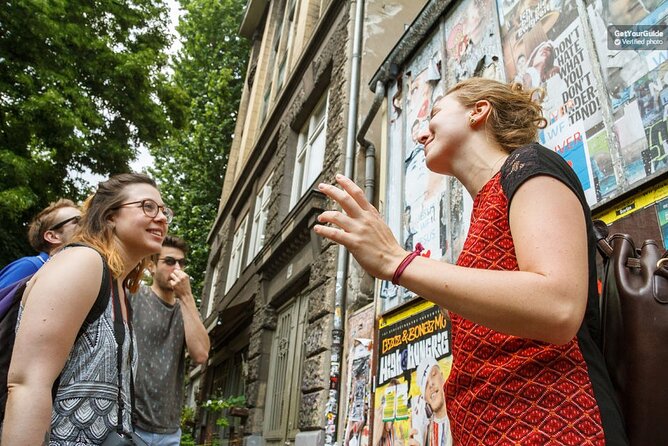
- Street-art and graffiti intro in Friedrichshain and Mitte, so you can read murals and tags with better context
- Alternative Berlin stops you can actually point at and say I saw that: Haus Schwarzenberg, Künstlerhaus Bethanien, Treehouse on the wall, SO36, RAW Gelände
- Music and politics in the mix, from punk-rock energy to techno culture and squatting history
- Photo-friendly moments built into the route, from big wall art to the YAAM beach setting
- Guide quality matters, and standout names like Damien and Antonio Castello are repeatedly praised for energy and insight
Meeting Under the TV Tower: the start point matters
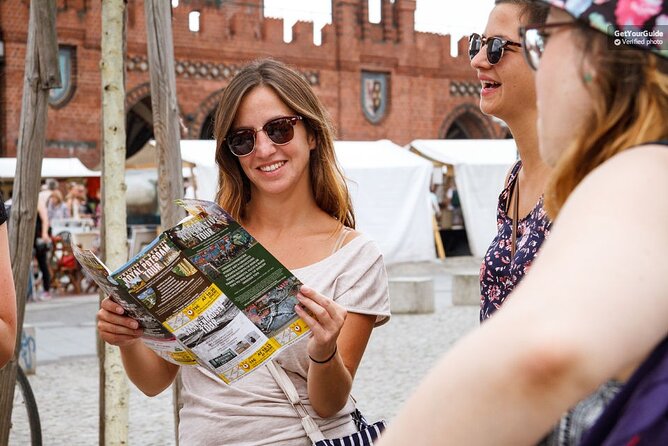
Your tour meets right underneath the TV tower, in front of Vapiano. It’s an easy landmark to find, and that helps when you’re showing up in a new city with your brain still buffering. Since the tour ends back at the same meeting point, you can plan your morning or afternoon around it without needing a complex transit puzzle.
The duration is about 3 hours, so this is not a half-day history lecture. It’s a paced walk with story beats. That matters because street art and subculture in Berlin aren’t just facts on a plaque. You understand more when you’re seeing the places in motion—turning corners, spotting styles, then getting the background right away.
A few more Berlin tours and experiences worth a look
The “alternative Berlin” angle: what you’re really buying for $23
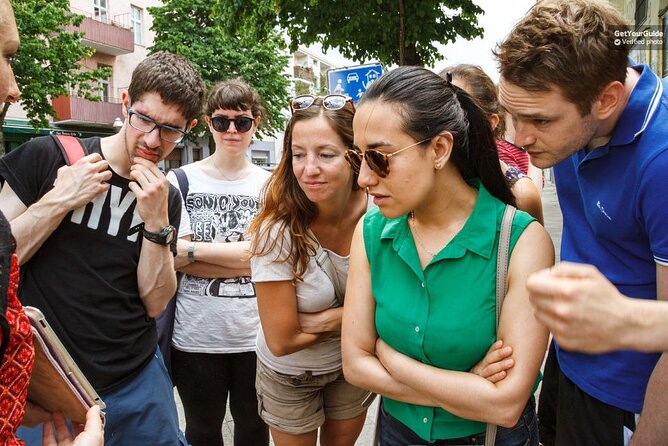
At around $23 per person, you’re paying for three things: an English-speaking guide, local context, and a route that matches how alternative Berlin actually lives day-to-day. You’re not paying extra for a museum ticket or transport pass, because those aren’t included.
Here’s the value logic I like: street art is one part visual, one part social. A good guide helps you move from I like this mural to I get why this exists here, right now. And Berlin’s alternative scenes—punk, techno, politics, squatting culture—are closely tied to geography. Without a local, it’s easy to miss why certain spots feel like pressure valves for the city.
How the tour is structured across Berlin districts
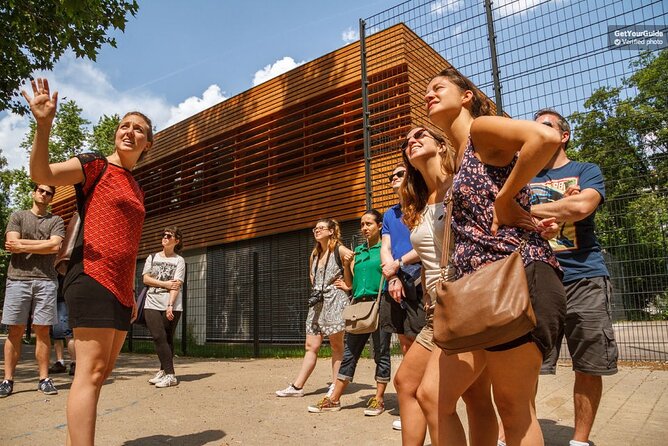
This walking tour uses two broad zones, and your guide may shift emphasis based on their focus and your interests.
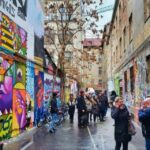
In Friedrichshain and Mitte, expect an introduction to street art and graffiti—how it developed, what kinds of work you’re seeing, and how different styles function in the city. This is where you start training your eye.
Then, in Kreuzberg, the emphasis moves toward the history and influence of squatting, revolution, and gentrification. This is where the stories get more political. The same wall can look like decoration and also act like a record of conflict, community, and change.
That split matters for you because it changes what you’ll remember. If you care more about art styles and photo moments, the Friedrichshain/Mitte portion will feel like your center of gravity. If you want the how-and-why behind Berlin’s alternative reputation, the Kreuzberg stories will stick with you longer.
Haus Schwarzenberg: when a building becomes a character
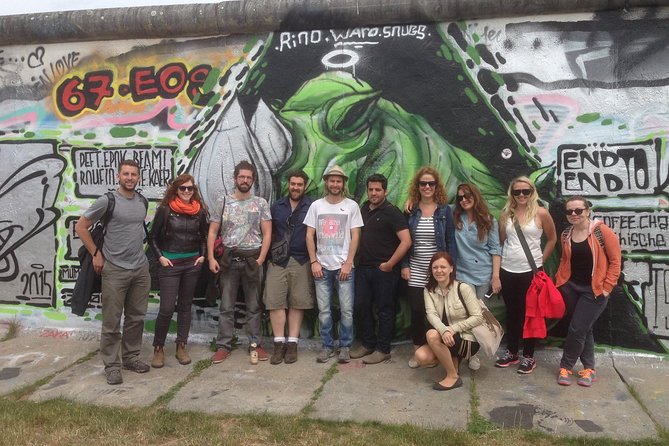
One of the first big stops on many versions of this tour is Haus Schwarzenberg. Think of it as a place where the city lets off steam. Sites like this tend to work as cultural magnets: people go for what happens there, then the walls become part of the message.
What you’ll get from a stop like this isn’t just aesthetics. You’re learning how Berlin’s alternative life often overlaps with public space. Even when you’re walking past, you’re being shown how the environment shapes the scene—and how the scene repaints the environment.
A practical note: bring your phone ready. This is the kind of wall-and-entrance area where you’ll likely want a few photos from different angles to catch both texture and scale.
YAAM Beach: the unexpected Berlin “pause”
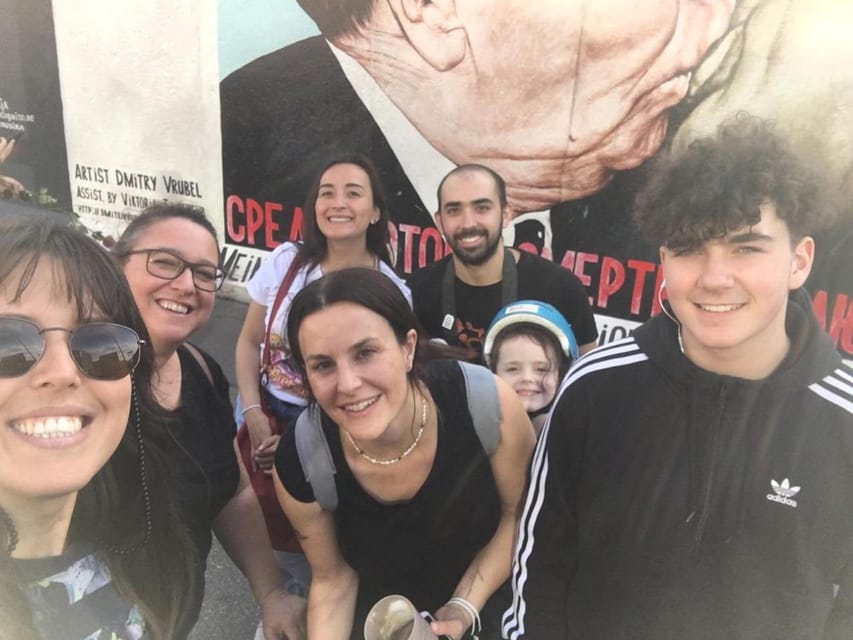
Then there’s YAAM beach, a stop that feels like a genre shift. One minute you’re in gritty urban context; the next you’re at a beach-style setting in Berlin. It’s a reminder that alternative culture here isn’t trapped in one aesthetic. People create temporary worlds inside the city, and they do it with real energy.
If you like tours that don’t only hit one mood, you’ll appreciate this contrast. It gives your brain a breather while still staying in the same theme: how Berlin makes space for different lifestyles.
For photo lovers: this is often one of the easiest places to capture that “I’m in Berlin, but it’s not the postcard” feeling.
Künstlerhaus Bethanien: art spaces that act like crossroads
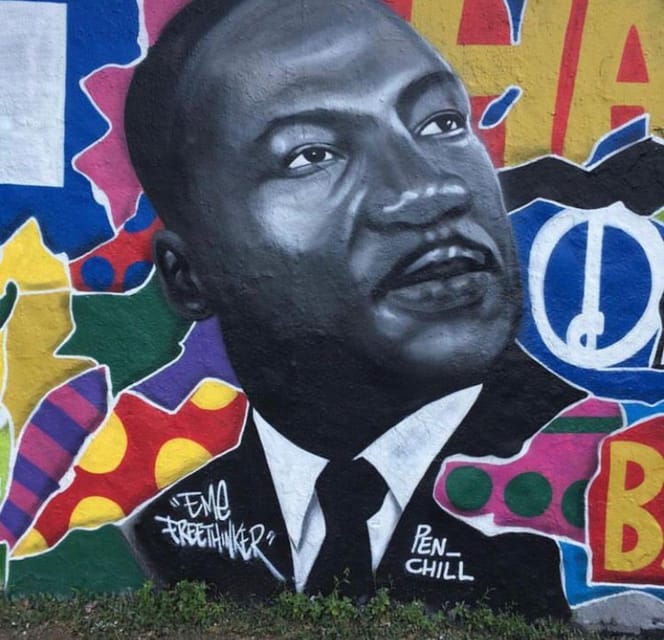
Next up is Künstlerhaus Bethanien, which brings you back into the art-world frame—an area tied to creative activity and urban art culture. Stops like this help you understand that Berlin street art isn’t only about going out at night or leaving tags quickly. It also connects to institutions and creative workspaces.
What I like about this kind of stop is that it bridges the gap between underground and visible art. You’ll start to see how styles travel between communities. Some artists keep it raw; others build longer projects. Either way, the city’s openness helps these scenes keep developing.
Treehouse on the wall: seeing playfulness in subculture
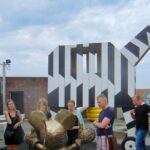
You’ll also visit the Treehouse on the wall. It’s exactly what it sounds like, and it’s the kind of spot that makes you think: who decided this was allowed, and why does it feel right here?
This is a great stop for two reasons. First, it’s visually unusual, so you’ll naturally photograph it. Second, it communicates a Berlin idea: space can be re-invented, even in places that look fixed. That creative mindset shows up again and again in Berlin’s alternative communities.
If you’re traveling with kids or you just want a lighter moment, this is one of the stops that helps the tour not feel heavy. The tour includes punk, techno, squatting history, and politics, but you’re not stuck in “serious mode” the whole time.
SO36: music culture you can feel in the streets
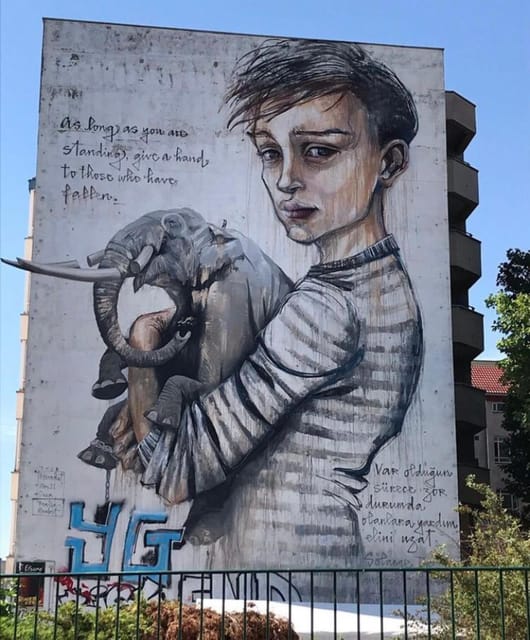
The route often includes SO36, a venue tied to Berlin’s music scene. When you pass places like this, the real value comes from what the guide adds. Music venues in Berlin don’t sit in isolation. They connect to communities, protest energy, youth culture, and the city’s nightlife identity.
Even if you’re not a club person, you can still appreciate what’s happening here as a social engine. These venues help define who finds each other and where stories get traded.
Photo tip: like with most Berlin wall-and-venue spots, step back for context. A close shot shows detail, but a wider shot helps you capture the street texture around the venue.
RAW Gelände: where the city turns industry into culture
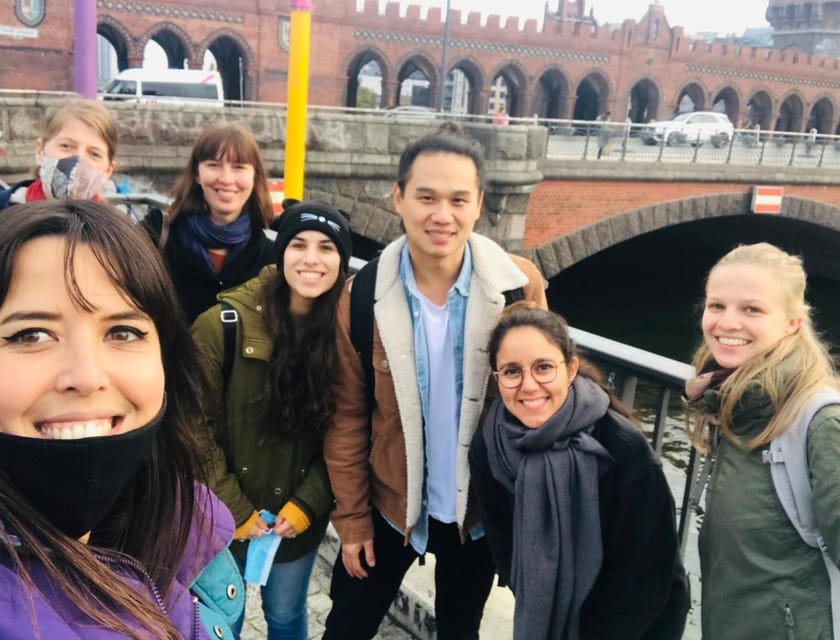
Another key stop is RAW Gelände. This area shows a Berlin pattern: old or industrial spaces used by alternative culture rather than wiped clean. It’s a place where the city’s past doesn’t vanish—it gets reused.
From a reader’s point of view, this is one of the most important stops on the tour because it supports the larger story. Berlin’s alternative scenes persist partly because the city has long tolerated reuse and reinvention. That’s why the guide’s political and gentrification context matters. It helps you understand why these spaces exist, and why they’re under constant pressure.
If you’re the type who likes to connect the dots, this stop will make the later conversation about change feel real instead of theoretical.
Why Berlin keeps attracting artists (and why that matters to you)
The tour promises a clear answer to one question: why Berlin is special, and why so many artists live here. The route points toward a few themes you can actually notice as you walk.
You’ll see how art and music anchor communities. You’ll also learn why squatting and revolution-era energy still echoes in the city’s culture. Then you’ll get the other side of the story: gentrification pressure that changes neighborhoods and pushes scenes to evolve.
That matters for your trip because it changes how you experience Berlin. After this tour, you’ll start to treat street art like a living document. You’ll stop seeing graffiti as random. You’ll start asking what community made it, what moment it reflects, and what message it tries to hold onto.
Guide energy is not a small detail
This is a walking tour, so the guide is the product. The best versions of this experience are driven by people who know how to tell stories without turning them into a textbook.
Two names that come up as standouts are Damien and Antonio Castello—both praised for enthusiasm, energy, and the way they made the alternative side of Berlin feel understandable and human. If you land with a guide who can pace stories to your questions, the whole thing clicks.
Look for your guide to connect the dots as you go: a wall style to its neighborhood context, a venue to its community role, squatting history to today’s pressure.
Practical pacing: what you should bring
This is rain or shine and built for walking. That’s not a minor note in Berlin—weather shifts fast. I’d bring:
- Comfortable shoes you don’t mind getting a little scuffed
- A light rain layer, just in case
- A charged phone for photo opportunities
The tour includes an English-speaking guide, but it does not include food, drinks, or transport tickets. So plan a snack and water before you start, then treat this as a concentrated cultural sprint rather than an all-day wander.
Who this tour suits best
This is a strong fit if you:
- Like street art and want context, not just pictures
- Want Berlin’s alternative culture through real places, not only monuments
- Enjoy stories that mix politics, music culture, and the city’s changing neighborhoods
- Travel with a curious group who likes asking questions
It may feel less ideal if you only want mainstream landmarks or if you hate walking for three hours in mixed weather. Also, if you’re hoping for a quiet, gentle stroll with minimal intensity, know that the tour theme explicitly covers punk, techno, politics, and squatting culture.
Should you book this Berlin Alternative & Street Art tour?
Yes, if you want the kind of Berlin experience that teaches you how to look. For the price, you get a structured route to major street-art and alternative-culture sites—Haus Schwarzenberg, YAAM beach, Künstlerhaus Bethanien, Treehouse on the wall, SO36, and RAW Gelände—plus an English guide to connect the scenes to the city’s ongoing story.
Book it especially if you care about photos with meaning, and if you like understanding why Berlin feels like it runs on creative friction. Skip it if you prefer museums only, or if weather and walking time are deal breakers for your day.
If you can handle rain and you’re curious about subcultures beyond the obvious, this one is a smart use of three hours in Berlin.