REVIEW · TOKYO
Tokyo: Flagship 2-Hour Street Go-Kart Tour by Street Kart
Book on GetYourGuide →Operated by Reservation Center · Bookable on GetYourGuide
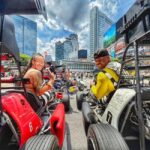
Driving across Rainbow Bridge on a go-kart feels unreal. You get a street-riding thrill in Tokyo Bay, plus the rare route that includes Rainbow Bridge and a run to Tokyo Tower. It also turns serious city driving into a full-on character moment with costume options and guided photo stops.
I love how the tour is built around real instruction and real safety. On my watch list are guides like Bryan, Alexis, and Kinna, who keep formation tight and check in so you don’t feel lost when you’re riding busy roads for the first time.
One thing to consider is the paperwork. You must bring a physical International Driving Permit (IDP) that fits the 1949 Geneva Convention rules (or a JAF translation for specific license countries), plus your physical passport, or you won’t be allowed to drive.
In This Review
- Key Things That Make This Go-Kart Tour Worth Your Time
- Tokyo Bay Streets and the Rainbow Bridge: Why This Karting Feels Different
- What 2 Hours Actually Feels Like: Check-In, Costume, Driving, Photos
- Safety First on Public Roads: How Guides Keep You Confident
- The Costume and Photo Combo: Making It Look Like a Movie
- Gear and Weather: Goggles, Rain Coats, and Comfort on Cold or Wet Days
- Driver Documents and Street Rules: Don’t Skip the Paperwork Step
- Price and Value: Why $64 Can Feel Like a Bargain (or Not)
- Who This Tour Fits Best (and Who Should Skip)
- Night vs Day: When Tokyo Tower Looks Best
- Should You Book This Street Kart Tokyo Bay Tour?
- FAQ
- How long is the Street Kart Tokyo 2-Hour Street Go-Kart Tour?
- What is included in the tour price?
- Do I need an English-speaking guide?
- What documents do I need to drive in Japan?
- Are cellphones allowed during the tour?
- Is this suitable for children?
Key Things That Make This Go-Kart Tour Worth Your Time
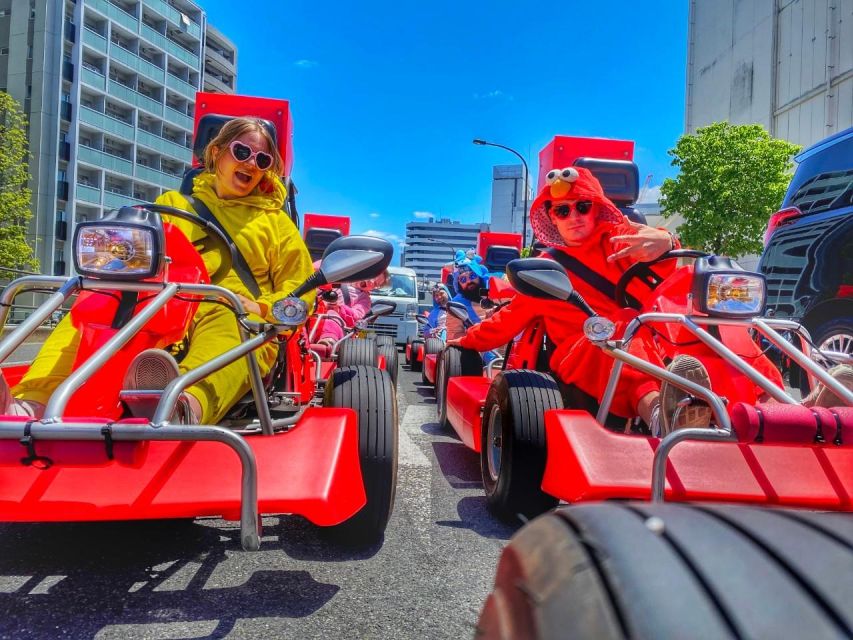
- Rainbow Bridge + Tokyo Tower street route: A rare Tokyo karting experience, not a closed-track gimmick.
- Guides who manage formations closely: You’ll follow clear signals and stay aligned in traffic-like conditions.
- Costumes make the whole thing more fun: Pick an action-hero look before you roll.
- Photo-heavy memories: Your guide takes photos during the tour, and you get the data afterward.
- Rain-ready gear and goggles: A rain coat is included, plus goggles for your run.
- Front-spot photo rotation: Guides often rotate who leads, so more than one person gets the money-shot angle.
Tokyo Bay Streets and the Rainbow Bridge: Why This Karting Feels Different
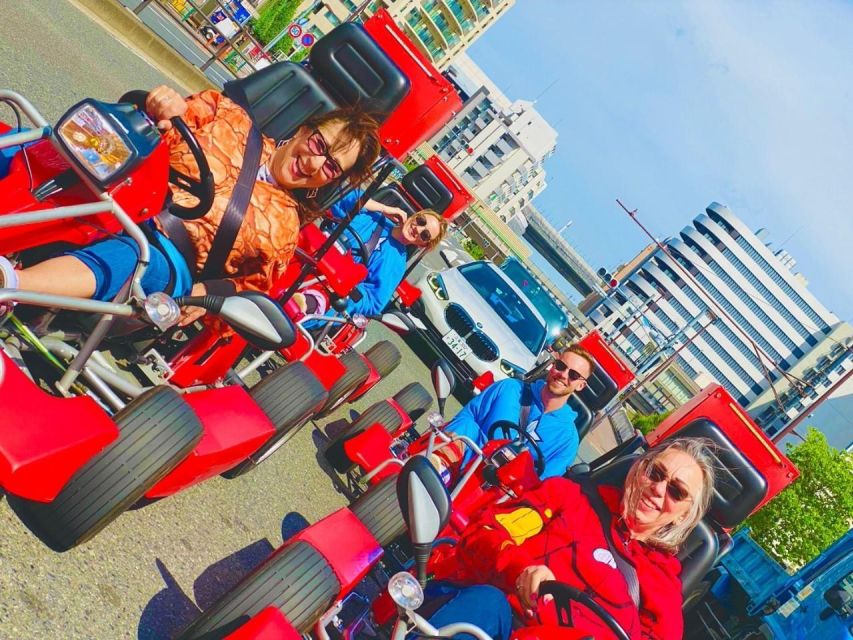
This tour sells two ideas at once: speed on street routes and views you usually see from train windows. The headline is the drive across Rainbow Bridge and then onward toward Tokyo Tower. That combination matters because it changes what your brain registers as you drive. You’re not just turning around cones in a test-your-reflexs circuit. You’re traveling through Tokyo’s skyline zone on roads meant for regular vehicles.
Tokyo Bay also has a special sense of “wide open” feeling compared with many dense city streets. Even though you’re still in traffic patterns, the space and the skyline backdrop give the ride a bigger-picture feeling, which is why the night slots get a lot of praise. When Tokyo Tower lights up, the whole kart experience feels like it’s timed for photos.
You can also read our reviews of more tours and experiences in Tokyo.
What 2 Hours Actually Feels Like: Check-In, Costume, Driving, Photos
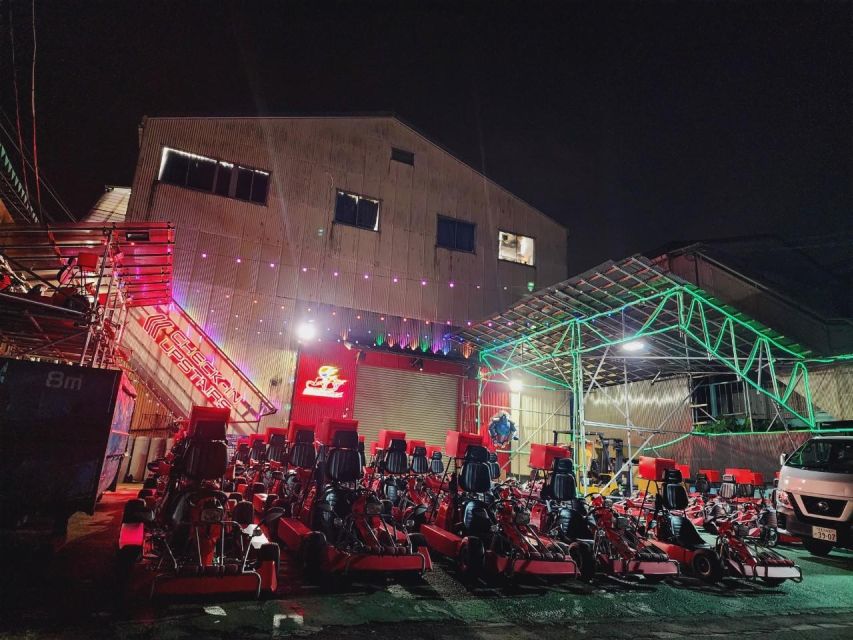
The meeting point is Street Kart Tokyo Bay, a warehouse area with karts outside. You’ll see stairs on the outside, and you go upstairs for check-in. That upstairs check-in matters because it’s where you get organized before anything starts moving.
Once you’re checked in, you’ll pick a costume. This is not an afterthought. The costume option is part of the experience design, and it helps put first-timers at ease. You’re still about to drive a motorized kart, but you’re doing it in a playful headspace.
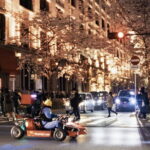
After you’re geared up, you’ll head out with your guide. The pace is “controlled adrenaline.” Your guide leads and sets the rhythm, and you’re expected to follow formation and signals. Several reviews call out the extra attention the guides give to alignment, including checking back to make sure cars are where they should be.
You also get photo support during the ride. Your guide takes photos while you’re on course and provides the photo data afterward. One review mentions a guide snapping 80+ photos on a night tour, which tells you the photo isn’t just a quick stop with one shot. You should expect lots of frames, not a single souvenir.
Safety First on Public Roads: How Guides Keep You Confident
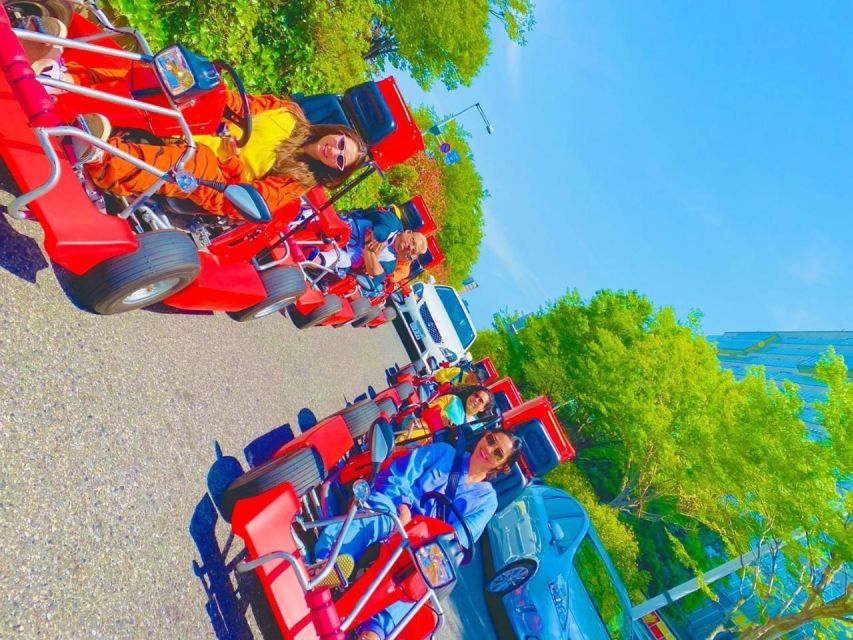
Street Kart isn’t treating this like a free-for-all. The tour is run with a professionally trained guide, and safety is a constant theme. You’ll get explanations before you start driving, including how the karts feel and how to follow instructions on the road.
What makes the safety piece more convincing is how the guides actually operate in the moment. Reviews highlight things like:
- Clear signals so you know what to do in formation
- Guides watching alignment and checking back
- Stops at safe points for photos
The practical takeaway for you: you’re not just being told to drive carefully. You’re being managed. That’s a big deal if you’re new to driving in Japan or new to driving at all while riding in a group.
Also, the ride includes goggles and rules around what you should and shouldn’t wear. That’s not just “safety theater.” It helps you keep your focus where it belongs: steering, braking, and staying smooth under guidance.
The Costume and Photo Combo: Making It Look Like a Movie
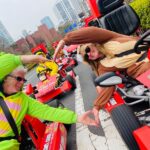
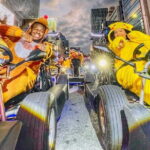
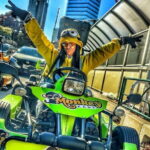
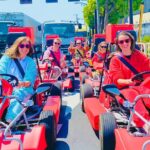
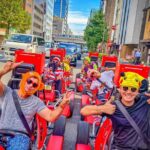
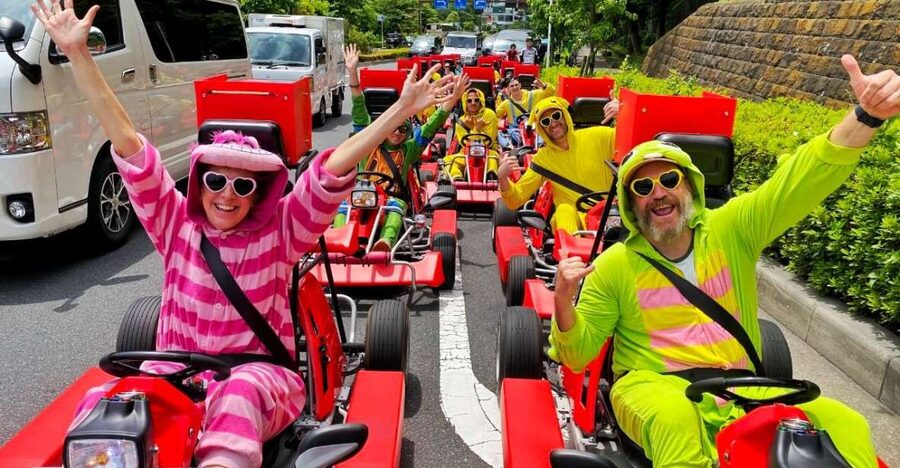
Costumes are one of the best parts for me because they change the vibe instantly. You’re driving through a real city setting, but you can also look like your favorite action character while you do it. That’s a rare mix in Tokyo: serious roads plus playful styling.
Your tour includes costumes and your guide takes photos during the experience. In practice, that means your character look isn’t just for fun. It gives the guide something visually distinctive to capture, especially on the skyline backdrops.
Quick realism check: some costume details can be tricky while driving. One review recommends bringing or using a separate costume hood because costume hoods didn’t stay up well while moving. If you care about staying photo-ready, that small prep tip could save you from adjusting mid-ride.
Gear and Weather: Goggles, Rain Coats, and Comfort on Cold or Wet Days
Included gear is simple and useful: goggles and a rain coat for rainy days. That’s great because Tokyo weather can change fast, and you’re not trying to solve a rain problem while you’re already suited up for driving.
Comfort matters too, especially if you’re doing a winter or evening slot. One review describes staff providing extra items like heat packs and spare gloves (and even glasses), which suggests the team thinks about more than just the bare minimum.
Still, I’d plan like this: the provided goggles might not be perfect for everyone. One review mentioned cloudy, scratched goggles and said visibility wasn’t great. If you wear prescription glasses or you’re picky about head gear, you might want to bring your own goggles just to avoid surprises.

Driver Documents and Street Rules: Don’t Skip the Paperwork Step
This tour has a hard gate that’s not negotiable: you need proper driving permissions. You and everyone in your party must obtain the special documents required to drive in Japan.
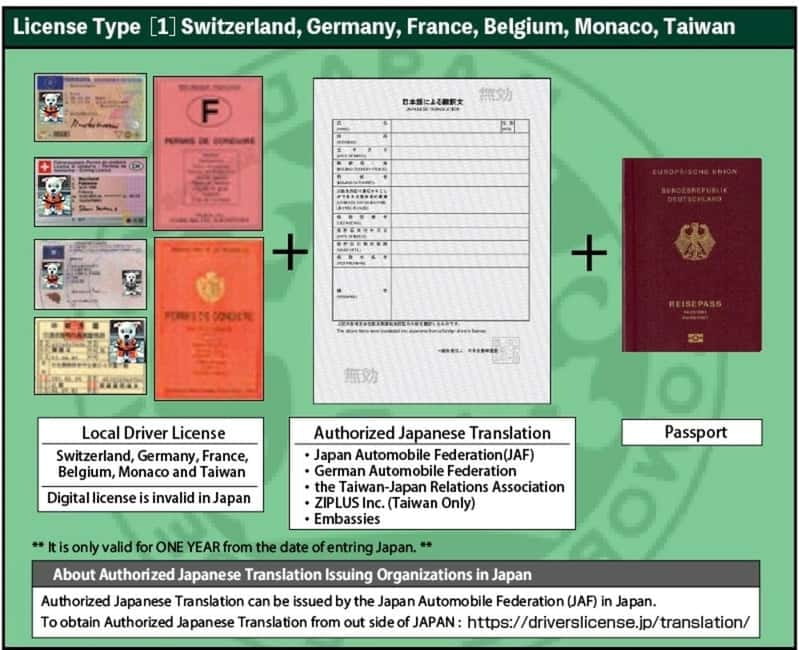
For most countries, you’ll need an International Driving Permit (IDP) issued in the booklet format compliant to the 1949 Geneva Convention. Key point: valid IDPs can only be issued by the same country that issued your domestic license, and you can’t get them online while traveling. You must bring the physical IDP booklet (not a phone photo), plus your physical passport.
There’s an important exception: if your license is issued in Switzerland, Germany, France, Taiwan, Belgium, or Monaco, you need a Japanese translation from the Japan Automobile Federation (JAF). That’s not done through an IDP in the way most people expect.
Also, some licenses are simply not permitted in Japan under these rules. If your country isn’t covered by the 1949 Geneva Convention list (examples mentioned include China, Indonesia, Mexico, Qatar, Saudi Arabia, and more), you won’t be allowed to drive.
On top of that, follow the on-site rules:
- No alcohol and drugs
- No cellphones
- No high-heeled shoes
- No open-toed shoes
My advice: confirm your IDP format before you leave home, then pack it where you’ll find it instantly on arrival. If the document check fails, it’s not a “late start” kind of problem. It’s a drive-not-possible problem.
Price and Value: Why $64 Can Feel Like a Bargain (or Not)
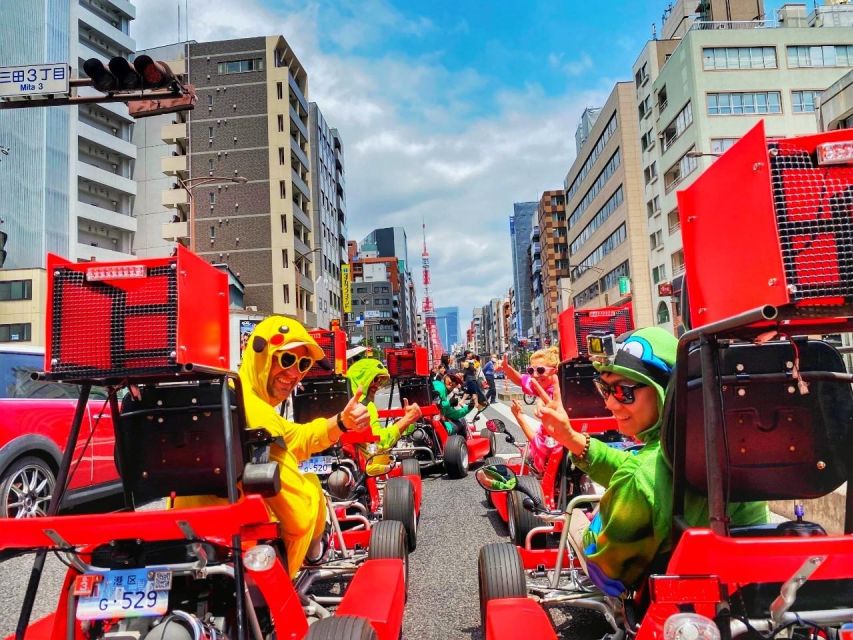
At $64 per person for about 2 hours, this is priced for a guided, photo-included, city-street experience—not just casual karting. The value is strongest if you care about the setting: Rainbow Bridge plus Tokyo Tower is the kind of “you can’t copy this yourself” itinerary piece. If you were trying to recreate it, you’d be spending time and money on planning a route, transport, and permissions, and you still wouldn’t get the same guided formation setup.
You also get a bundle that reduces add-on hassle:
- Kart and gasoline
- English-speaking guide
- Costumes
- Guide-taken photos during the tour (photo data after)
- Rain coat for rainy days
- Goggles
Not included costs do exist if you want action video. The listing notes action camera rental fees plus micro-SD and camera mount rental fees if you’re using that equipment package. Reviews also show people often like filming with personal GoPro-style cameras, and the key takeaway for you is this: bring your own if you already own one, but double-check what mounting and storage support costs might apply on-site.
So is it worth it? I’d say yes if you want:
- A memorable Tokyo Bay route
- Skyline moments
- A guide-led safety structure
- Photos without having to manage your own camera
It’s less of a value win if you’re primarily after sightseeing on foot or if you get easily overwhelmed by city driving. This is a drive-first experience, not a tour where you stop constantly to look around.
Who This Tour Fits Best (and Who Should Skip)
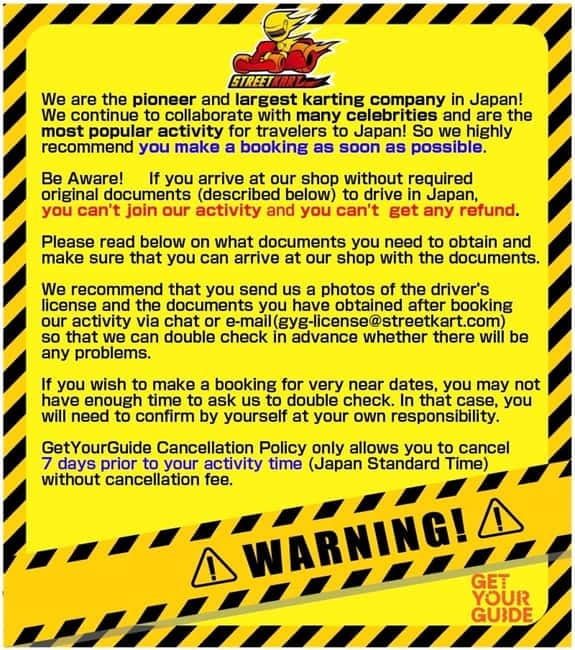
This is fun for a wide range of people, but it’s not for everyone.
Not suitable for:
- Pregnant women
- People with back problems
- People with mobility impairments
- Wheelchair users
- Children under 18
- People with pre-existing medical conditions
- Hearing-impaired people
If you fit the driving category and you’re comfortable following instructions in a group, it’s a strong choice, especially for first-timers who worry about Tokyo streets. Multiple reviews praise guides who help nervous drivers feel capable, with clear cues and formation guidance.
Also consider your comfort with the physical side of karting. You’re seated in the kart for about two hours, and you’ll be focusing on driving rather than lounging. One review even notes how stopping for breaks isn’t the point, so cotton shorts can get sweaty in warm weather while you’re sitting in place for long stretches. In other words: dress to stay cool and focused, not to look casual.
Night vs Day: When Tokyo Tower Looks Best
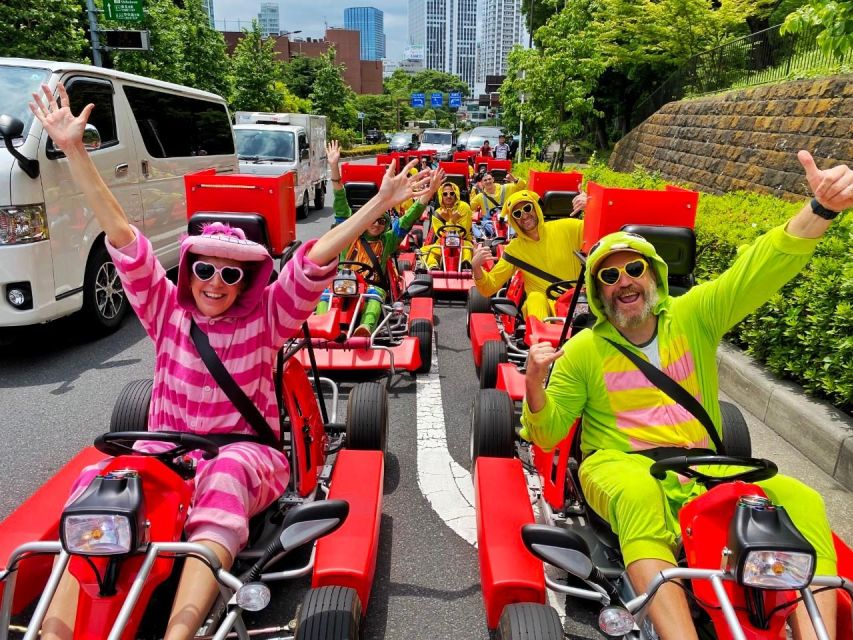
Several of the strongest stories revolve around evening driving. If you book a night slot, you can expect Tokyo Tower lighting up, and the Rainbow Bridge ride taking on a more dramatic, photo-friendly feel.
For you, the decision is simple:
- Day: bright skyline and clearer road visibility
- Night: the “movie poster” vibe with lights and skyline contrast
If you’re the type who buys souvenirs mostly for photos, night is a better fit.
Should You Book This Street Kart Tokyo Bay Tour?
Book it if you want a real Tokyo street-drive experience built around Rainbow Bridge and Tokyo Tower, with a guided setup that helps you feel safe. Book it if you like the idea of dressing up, then riding through a skyline area while someone else handles the “gotcha, take the best shots” part.
Pass or choose carefully if you:
- Don’t have the right IDP/document situation in hand
- Have a medical or mobility limitation listed as not suitable
- Need to stay connected to your phone (cellphones are not allowed)
- Expect a sightseeing day with lots of walking and stopping
If your plans include Tokyo Bay and you’re okay following instructions closely, this is one of those rare “only in this city” thrills that feels worth the money because it’s guided, structured, and built around skyline memories.
FAQ
How long is the Street Kart Tokyo 2-Hour Street Go-Kart Tour?
It lasts about 2 hours. You’ll check availability to see starting times.
What is included in the tour price?
The price includes the kart, gasoline, an English-speaking guide, costumes, photos your guide takes during the tour (with the photo data afterward), a rain coat for rainy days, and goggles.
Do I need an English-speaking guide?
Yes. The tour includes an English-speaking live guide.
What documents do I need to drive in Japan?
You’ll need a physical International Driving Permit (IDP) that complies with the 1949 Geneva Convention, unless your country’s license requires a Japanese translation from JAF. You also need to carry your physical passport.
Are cellphones allowed during the tour?
No. Cellphones are not allowed.
Is this suitable for children?
No. Children under 18 are not allowed to drive on this tour.