REVIEW · TOKYO
Shibuya/Tokyo Tower & Shinjuku/Shibuya Go Karting Tours
Book on GetYourGuide →Operated by JAPANKART · Bookable on GetYourGuide
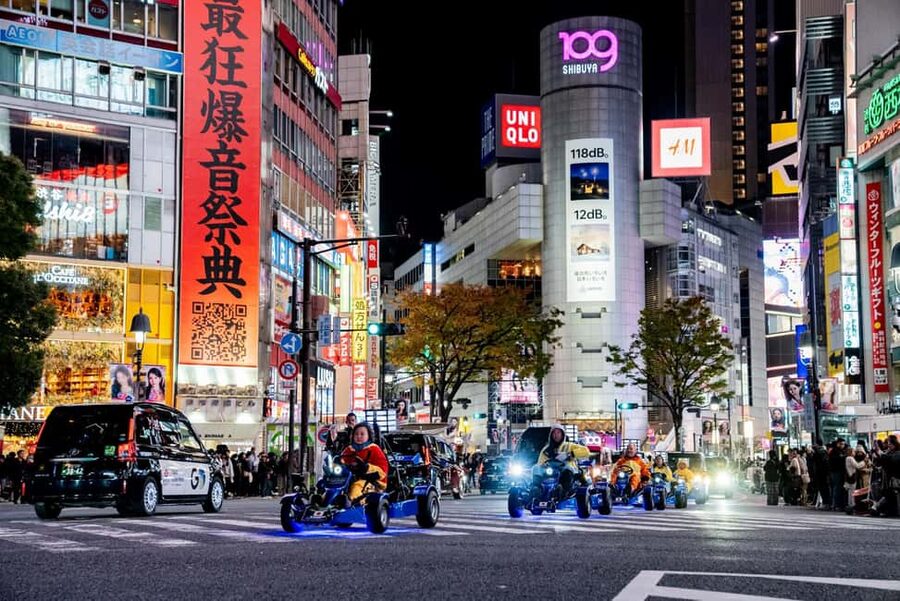
Shibuya feels different from the driver seat. This JapanKart go-kart tour takes you through iconic West Tokyo roads with road-focused karts and real photo time at places like Shibuya Scramble Crossing.
I also love the way the experience stays organized and confidence-building, not chaotic. One possible drawback: you must bring the correct driving paperwork in hard copy, or you may not be allowed to ride and you will not get a refund.
In This Review
- Key things that make this go-kart tour worth it
- Why driving in Tokyo (not just watching it) hits different
- Two route options: 90 minutes vs 2 hours
- Starting at Shinjuku or Kanda: the quick setup that matters
- Shibuya Scramble and Tokyo streets: what the ride actually feels like
- Tokyo Tower and Tokyo Station photo moments: classic-city contrasts
- Imperial Palace, Roppongi, and the route’s “see more” advantage
- Safety and support: how you stay confident on crowded roads
- Gear, costumes, weather, and what to wear
- Document checklist: the part you must get right
- Price and value: is $119 a good deal?
- Who should book this and who should skip it
- Should you book JapanKart go-karting now?
- FAQ
- How long is the go-kart tour?
- How many people are in the group?
- Where does the tour start and end?
- What landmarks will I see?
- What documents do I need to drive in Japan?
- Are International Driving Permits issued under the Vienna Convention accepted?
- What’s included in the price?
Key things that make this go-kart tour worth it
- Road-driving karts built for real city streets so the experience feels designed, not improvised.
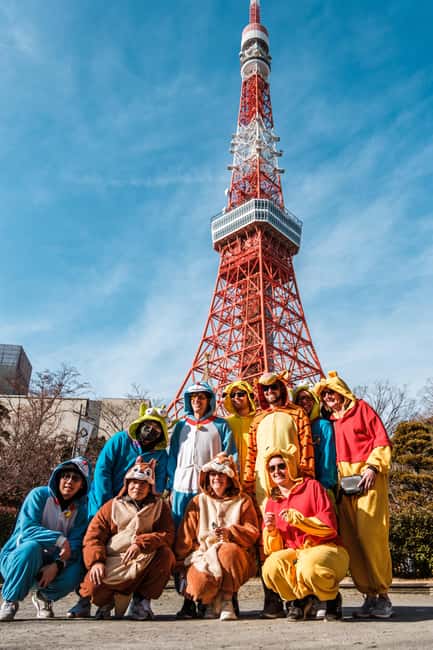
- Shibuya Scramble Crossing photo time for a ground-level view of one of Tokyo’s most famous intersections.
- Small group size (up to 10) which makes instructions easier and the ride feel calmer.
- Safety system with a lead vehicle and backup support so you’re not stuck wondering where the group went.
- Photo and video help included (including free sharing at the end, as many people report).
Why driving in Tokyo (not just watching it) hits different
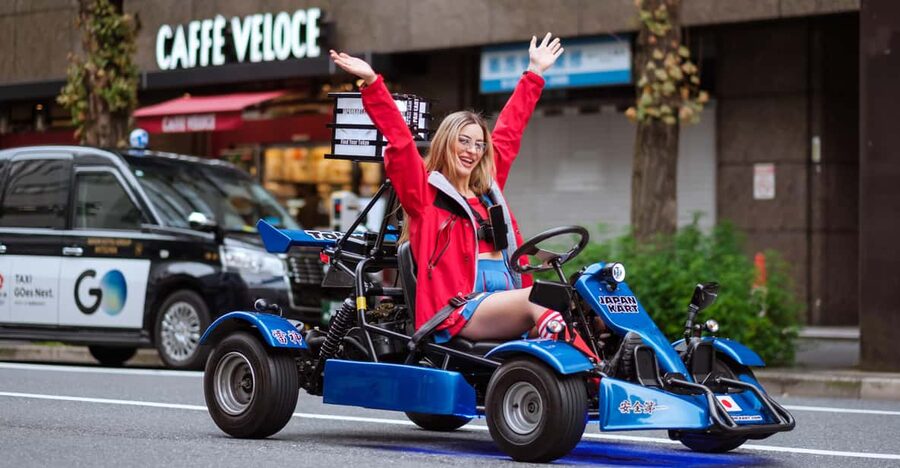
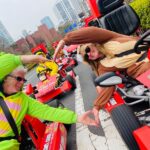
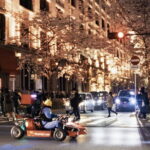
Tokyo is loud. You feel it from the sidewalk. But on a go-kart, the city becomes physical—wind, speed changes, and turns that put you inside the traffic flow. That is the big reason this tour feels memorable fast: you are not just taking in landmarks, you’re moving through them.
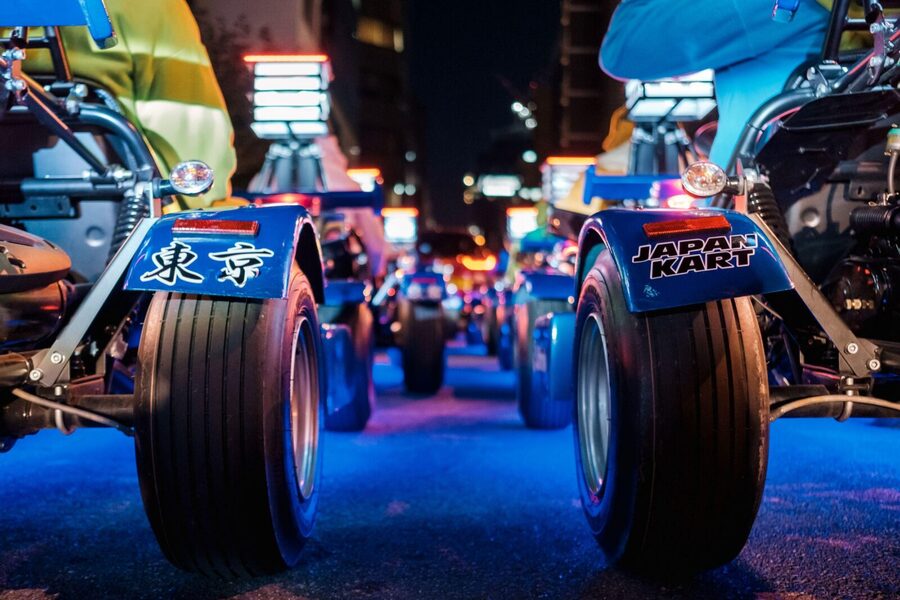
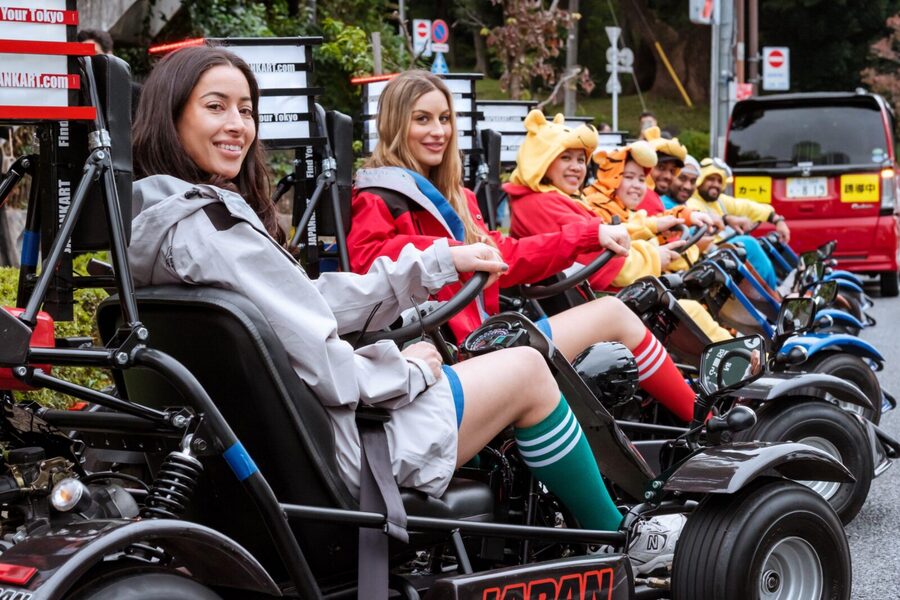
I like that JapanKart keeps things road-focused. The carts are described as originally designed for road driving, which matters because Tokyo streets are not a theme park track. You’ll still deal with lights and lanes like everyone else, but the whole setup is aimed at a smooth, street-real experience.
The other thing I really appreciate is that it’s built for peace of mind. Even if you’re nervous at first, the tour isn’t just, Good luck. There’s a full safety briefing, and the ride is run with structure so the group stays together and you get support if you lose confidence.
You can also read our reviews of more tours and experiences in Tokyo.
Two route options: 90 minutes vs 2 hours
Your best choice depends on which Tokyo highlights you want most.
The 90-minute West Tokyo route centers on trendy and classic street scenes. You’ll include Shibuya Scramble Crossing, plus areas like Harajyuku and Omotesando, and you can expect a run through Shinjuku Kabukicho.
The 2-hour route leans more into classic landmarks and big-city architecture. You’ll focus on Tokyo Tower, Shibuya Scramble Crossing, Imperial Palace, and Tokyo Station, with pass-by moments along the way (including Roppongi on the route plan you’ll follow). There’s also a mid-tour break that’s timed for photos and viewing.
In both routes, you’re getting that mix of Tokyo’s modern glare and its older, more grounded side. One of the tour’s stated highlights is that you may also catch spots associated with Ginza, and an older Tokyo feeling around Ueno and Asakusa depending on the option.
Starting at Shinjuku or Kanda: the quick setup that matters
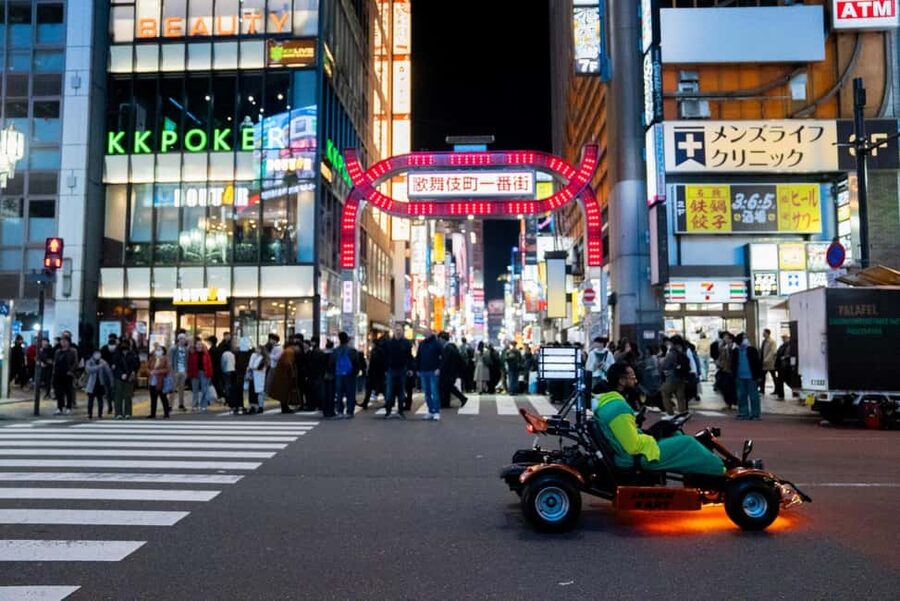
You start at one of two branches: JAPANKART Shinjuku or JAPANKART Kanda. Which one you choose can change the exact ride timing and route framing, but the core flow is the same: arrive, get fit and briefed, then get rolling as a group.
This part matters more than it sounds. If you show up missing gear or documentation, you can’t just improvise. The tour is very clear that you must have the correct driving paperwork in hard copy, and without it you can’t drive and you can’t expect a refund.
Once you’re checked in, you’ll get a full safety briefing and on-the-kart instruction. People specifically praise how clear the explanation is and how patient the staff are when someone needs a few extra tries to feel comfortable. That is a big deal if you’re not used to steering a compact vehicle on busy roads.
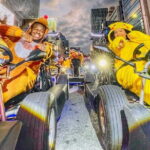
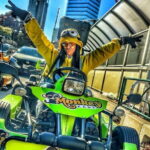
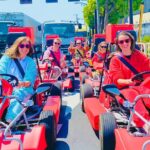
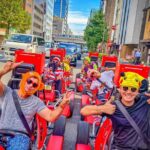
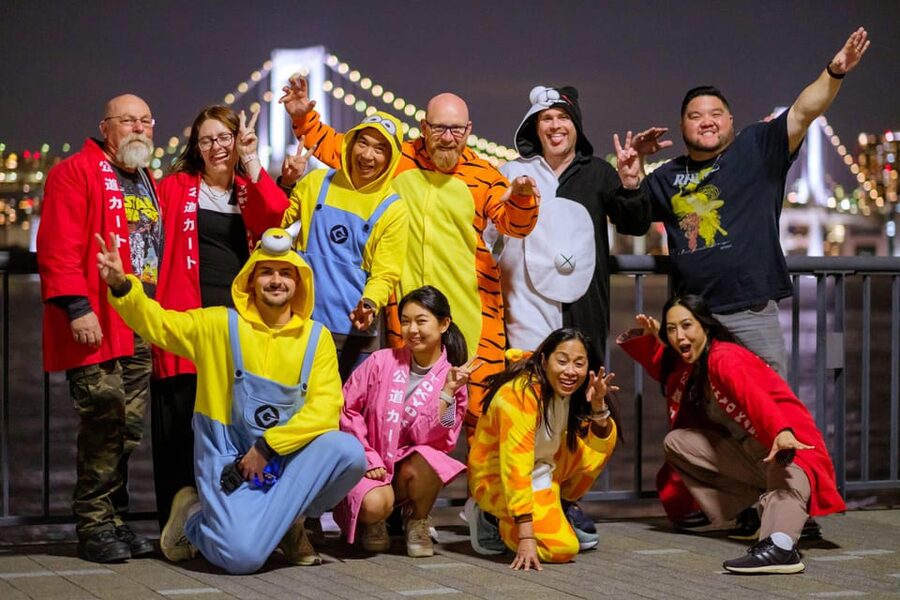
And yes, there’s costume energy. The tour includes costumes, plus jackets during colder months, which helps if you’re doing this in spring or autumn when Tokyo nights cool down quickly.
Shibuya Scramble and Tokyo streets: what the ride actually feels like
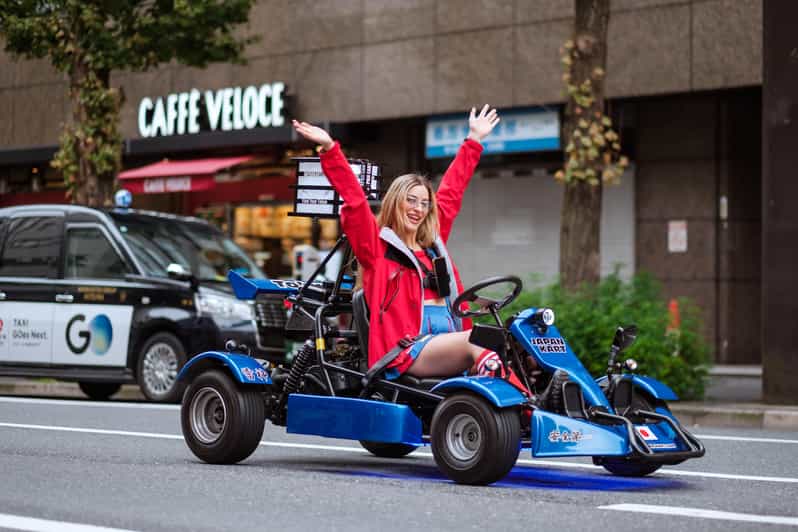
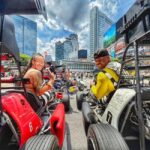
Shibuya Scramble Crossing is the star moment, and it’s not just a photo stop from behind a barrier. You’ll drive through the area as part of the street route plan, then pause for pictures. That ground-level view is a totally different mental snapshot than watching it from a high building.
A practical note: Tokyo traffic is Tokyo traffic. Expect slowing at lights and occasional stretches where you don’t feel the top speed. One downside people mention is more stop-and-go than you might imagine, but honestly, that’s the nature of driving in a giant city and not a failure of the tour.
What you can control is how you choose to experience it. If you go in expecting a track race, you’ll be disappointed. If you go in expecting guided city cruising with landmark moments, you’ll have a much better time.
Tokyo Tower and Tokyo Station photo moments: classic-city contrasts
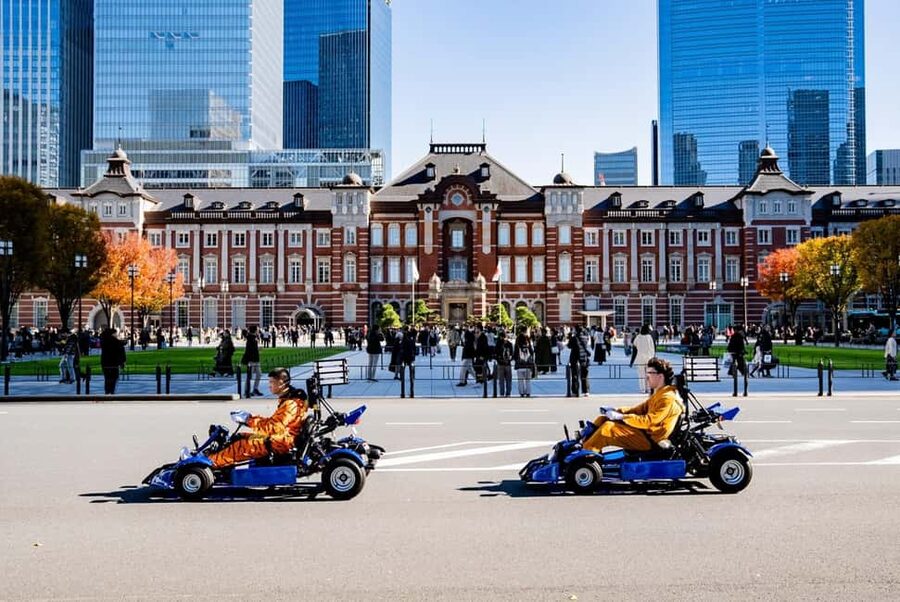
On the 2-hour option, you’ll get a break timed around Tokyo Tower and you’ll also stop for photos at Tokyo Station. These are the kinds of stops that make the tour feel like more than just a ride.
Tokyo Tower brings a famous silhouette you instantly recognize, even if you only know it from photos. Being at street level next to it changes the scale. Tokyo Station does the same in a different way—it’s grand and structured, and it breaks up the neon intensity with a more formal, iconic feel.
The timing also matters. You’re not just parked at a random corner. The route plan includes a mid-tour appreciation moment for architectural beauty, and the break is your chance to reset, hydrate if needed, and take steady photos before you continue.


Imperial Palace, Roppongi, and the route’s “see more” advantage
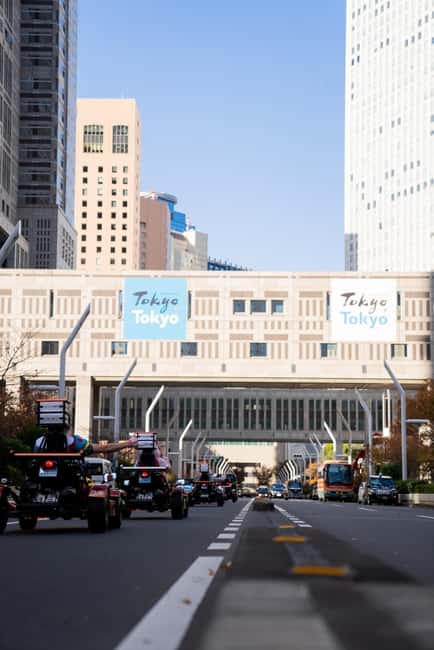
The route plan includes Imperial Palace as a pass-by, plus Roppongi as another pass-by. These aren’t always stops where you jump out and explore for long, but the value is in being able to see them as you drive through the city.
Why that helps: you get orientation. Even if you’re not spending hours walking, you start learning how Tokyo sections link together—where the big corridors are, how neighborhoods flow into each other, and where major landmarks sit relative to each other.
If you like travel that helps you map the city in your mind quickly, this part is for you. It’s also a nice contrast to the more fashion-forward areas in the 90-minute option, like Harajyuku and Omotesando.
Safety and support: how you stay confident on crowded roads
The best thing about this tour is the safety setup, and you’ll feel it right away. There’s a full safety briefing before you go out. Then, during the ride, the support system helps keep you calm:
- A lead car in front guides the route.
- A motorcycle in the rear helps manage the group.
- If you get separated, there are staff vehicles around to help you get back into position.
People also praise how staff guide riders who are nervous at the start. One of the most useful details is that the team can help build confidence step-by-step instead of rushing you out the door.
And since you’ll be moving and turning while learning, photo coverage and equipment support add another layer of confidence. The staff are reported to take videos and photos during the route, and some people mention mounts ready for phones or GoPros—then the media is shared at the end with no extra cost. That means you don’t have to stop to capture everything.
Gear, costumes, weather, and what to wear
This tour includes safety briefing, costumes, and jacket support in colder months, plus gas fee. What it does not include is food and drink, so plan to grab a snack before or after.
On clothing: no sandals or flip-flops are allowed. Wear shoes you can grip in and that stay secure. That rule matters because you’ll be bracing with your feet while you steer and shift weight through turns.
Weather can change how it feels. If it’s raining, you’ll likely feel colder, but staff support is reported to be helpful in bad weather. Tokyo in cherry blossom season can also be a great time for a street-level cruise, because the scenery makes the whole ride look like a postcard—without stopping the fun for a long walk.
Document checklist: the part you must get right
Here’s the deal-breaker section. To drive in Japan with this experience, you must show all the correct documents in hard copy at arrival.
You need:
- Your home country driving license
- An International Driving Permit (IDP) issued under the Geneva Convention 1949 (issued in your own country, not from online companies)
- Your passport
Important IDs rules:
- Vienna Convention 1968 IDPs are not accepted in Japan for this activity.
- Your IDP should be a booklet form, not paper-only.
- If your home license is from Switzerland, Germany, France, Taiwan, Belgium, Estonia, or Monaco, you also need an original license plus an official Japanese translation through the authorized organization (JAF), along with your passport.
If you show up without the right paperwork, you cannot drive—and you won’t get a refund. This is the one thing I’d treat as non-negotiable.
Price and value: is $119 a good deal?
At $119 per person, you’re paying for a rare combination: legal road driving with professional guidance, landmark access you can feel at street level, and a tight time window.
You’re also getting included items that reduce surprises:
- Full safety briefing
- Costumes
- Jackets in colder months
- Gas fee
And while food is not included, you’re not left to figure out the hard part of logistics. The group is small (up to 10), instructions are in English, and the route is managed so you spend your energy driving—not navigating.
The value gets even clearer when you compare this to options that are mostly sightseeing. Watching Shibuya or Tokyo Tower is one thing. Driving past them with a guide-run safety structure is something else. If you want one “wow” activity early in your Tokyo stay, this is one of the best ways to do it without spending half your trip in lines.
Who should book this and who should skip it
This go-kart tour is a great fit if:
- You’re comfortable following instructions and driving a vehicle with guidance
- You want Tokyo landmark time without doing long walking marathons
- You like photo-friendly experiences that don’t require you to organize everything
It may not be your best choice if:
- You do not want to deal with international driving paperwork
- You’re worried about being cold or wet in bad weather (it can be managed, but it affects comfort)
- You’re traveling with someone who can’t meet the document requirements
Also, the tour says it’s not suitable for drivers under 18.
Should you book JapanKart go-karting now?
If you can meet the documentation requirements—and you want an unforgettable way to see Tokyo at road level—yes, book it. This is one of those activities where the value comes from the combination: real street driving, landmark photo moments like Shibuya Scramble Crossing and Tokyo Tower, and a safety setup that helps even nervous riders settle in.
If paperwork feels stressful, take that seriously and double-check your IDP type and issuance source before you commit. Get your documents right, wear proper shoes, and plan to treat it like guided city cruising, not a racing event.
FAQ
How long is the go-kart tour?
You can choose a 90-minute tour or a 2-hour tour. Starting times vary by availability.
How many people are in the group?
The group is limited to 10 participants.
Where does the tour start and end?
You’ll start at a meeting point that depends on your selected option, either the JAPANKART Shinjuku branch or the JAPANKART Kanda branch, and the tour ends back at the meeting point.
What landmarks will I see?
On the shorter tour, you’ll include places such as Shibuya Scramble Crossing, Harajyuku, Omotesando, and Shinjuku Kabukicho. On the longer tour, you’ll include Tokyo Tower, Shibuya Scramble Crossing, Imperial Palace, and Tokyo Station (with additional pass-by areas on the route).
What documents do I need to drive in Japan?
You must bring your passport, your home driving license, and an International Driving Permit issued under the Geneva Convention 1949. You must also have hard copies.
Are International Driving Permits issued under the Vienna Convention accepted?
No. Vienna Convention 1968 IDPs are not accepted in Japan for this activity.
What’s included in the price?
Included: full safety briefing, costumes, jackets during colder months, and the gas fee. Not included: hotel pickup and drop-off, and food and drink.