REVIEW · FLORENCE
Florence: Michelangelo’s David and Accademia Gallery Tour
Book on GetYourGuide →Operated by mario gesu · Bookable on GetYourGuide
Michelangelo’s David can feel like a rumor until you hear the story. This 75-minute Accademia tour uses a native Florentine and a question-driven approach to explain David and the Prisoners in plain human terms, then ties it to Michelangelo’s wider spiritual message.
I love the way the guide connects David to the Sistine Chapel through a red-thread idea, and I love the interactive format that makes you think instead of just listen. One possible drawback: if you mainly want quick facts and lots of free time for photos, this won’t be the style for you.
In This Review
- Key things I’d book for
- Why David Feels Different in the Accademia
- Meeting Point and the 15-Minute Game Plan
- Skip-the-Line Reality: what you actually avoid
- David First: the early peak and Michelangelo’s goal
- The Prisoners Nearby: how unfinished can mean finished thinking
- The Red Thread to the Sistine Chapel
- A Tour Built on Questions, Not Just Talking
- What Happens After the Guided Portion
- Value Check: $57 for a native guide and museum time
- Who Should Book This Tour (and who may not love it)
- Should You Book This David and Accademia Tour?
- FAQ
- How long is the Florence: Michelangelo’s David and Accademia Gallery tour?
- Where do I meet the guide?
- What language is the tour in?
- What does skip-the-line mean for this tour?
- What is included in the price?
- What should I bring?
- Is it wheelchair accessible, and can I cancel for free?
Key things I’d book for
- A red thread connecting David to the Sistine Chapel (and why it matters)
- David first, then the Prisoners nearby, to show Michelangelo’s shift from youth to maturity
- Interactive inquiry: you’re encouraged to ask questions and work out meanings through metaphors
- A local Florentine guide, Mario Gesù, known in the city (including public performances as Dante)
- Continue independently after the guided portion, so you control what you linger on
- Headsets are included, which helps a lot in a museum where sound carries
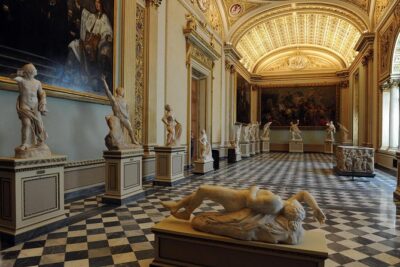
Why David Feels Different in the Accademia
The Accademia can be a photo stop for some people. You stand there, you stare, you snap a picture, you move on. This tour nudges you to slow down and look at David like a message in stone, not just a masterpiece.
What changes your experience is the lens. You’re not given a standard script that repeats the same body-part descriptions and dates. Instead, you’re guided into what Michelangelo seemed to be communicating—spiritual meaning, human struggle, and growth—using comparisons and logic you can follow right in the gallery.
Even if you already know David is famous, the experience helps you notice new details about how the statue works. You start seeing David’s stance and emotion as part of a larger creative journey—one Michelangelo was still figuring out as he sculpted.
You can also read our reviews of more museum experiences in Florence

Meeting Point and the 15-Minute Game Plan
Plan to be on time. The meeting point is at the ATM machine of Libreria evangelica, just in front of the Accademia museum entrance. The instructions ask you to arrive 15 minutes before the scheduled time.
Why that matters: you’re not only meeting a guide—you’re also buying yourself a smoother entry. One practical detail from real pacing on the ground: while you’re queuing for entry, Mario uses that waiting time to set context for David so you don’t start cold.
Quick tip: set a reminder so you’re not hunting for the exact ATM. In Florence, the street corners look similar fast, especially if you’re balancing gelato, shoes that need lacing, and museum crowds.
Skip-the-Line Reality: what you actually avoid
This is advertised as skip the ticket line, and for many people that’s true in the important way: you’re not stuck in the main general admission queue.
That said, don’t expect zero waiting. You may still join a time-grouped queue connected to the ticket window for your entry. The benefit is what you do with that time: you’re hearing background so the first minute inside doesn’t feel like walking into a lecture room.
So if your ideal museum day is: arrive, enter instantly, and start photographing—this may feel a little more structured than you’re used to. If your ideal museum day is: arrive, get oriented, and see more meaning per minute, you’ll like the flow.
David First: the early peak and Michelangelo’s goal
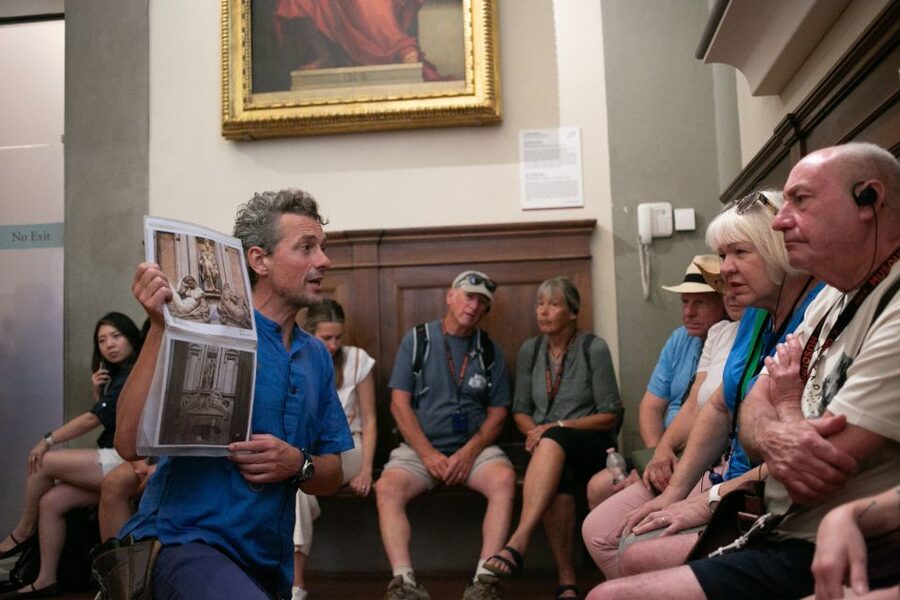
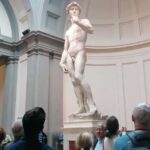
The tour begins with David as the pinnacle of Michelangelo’s early work. That framing is useful because it tells you what to pay attention to.
You’re encouraged to look at David as more than a single subject. The guide helps you understand David as a turning point: young energy, a certain kind of confidence, and a physical language that communicates resolve.
What I like about this start is how it sets up later contrast. You don’t just learn about what David looks like. You learn why Michelangelo might have chosen to create a youth figure with such emotional force. Then, when you move on, you’re prepared to see the change in style and meaning.
If you’re visiting with kids, this beginning is designed to be understandable. The approach uses metaphors and simple, logical discussion so the meanings don’t feel hidden behind jargon.
The Prisoners Nearby: how unfinished can mean finished thinking
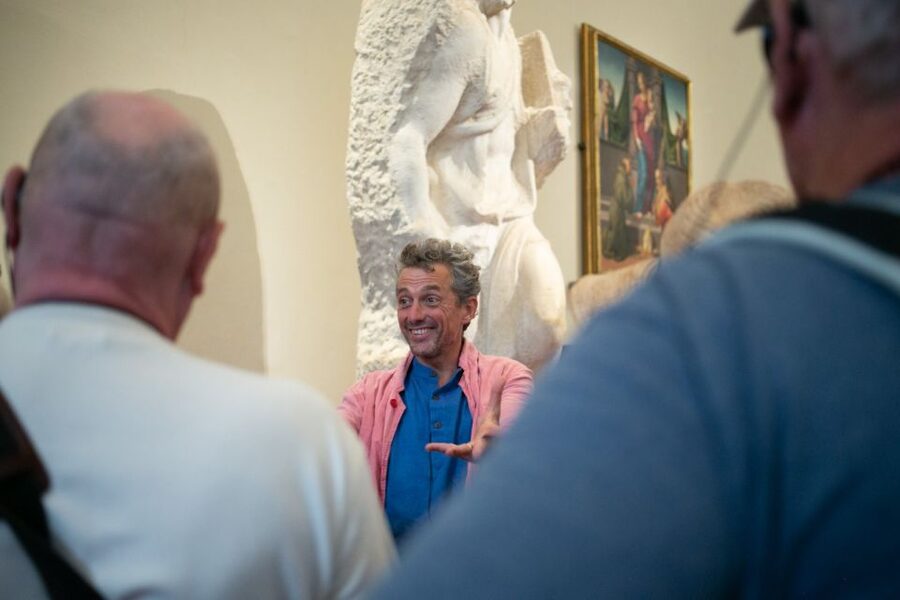
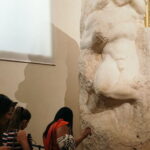
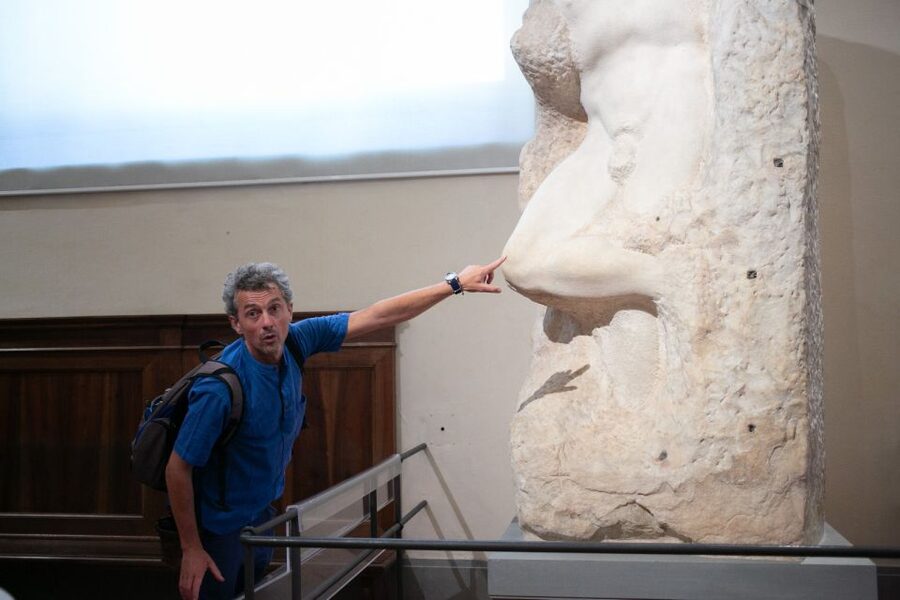
A few meters away from David, you’ll find the Prisoners. This is where the tour gets interesting in a very practical way: you see Michelangelo thinking in stages.
Instead of presenting the Prisoners as unfinished projects you should ignore until someone restores your expectations, the guide treats the “unfinished” approach as part of the story. You’re shown how the Prisoners connect to a more mature style than what you saw in David.
Why this matters for you: it changes how you interpret sculpture that looks incomplete at first glance. Many visitors assume “unfinished” means “unfinished.” This tour pushes you to consider “unfinished” as a method—one that reveals struggle, emergence, and the idea that art is also about transformation.
You may also notice that the tour doesn’t rush. The time is short (75 minutes total), but the pacing is built around meaning rather than speed. That helps you stay oriented while moving between works.

The Red Thread to the Sistine Chapel
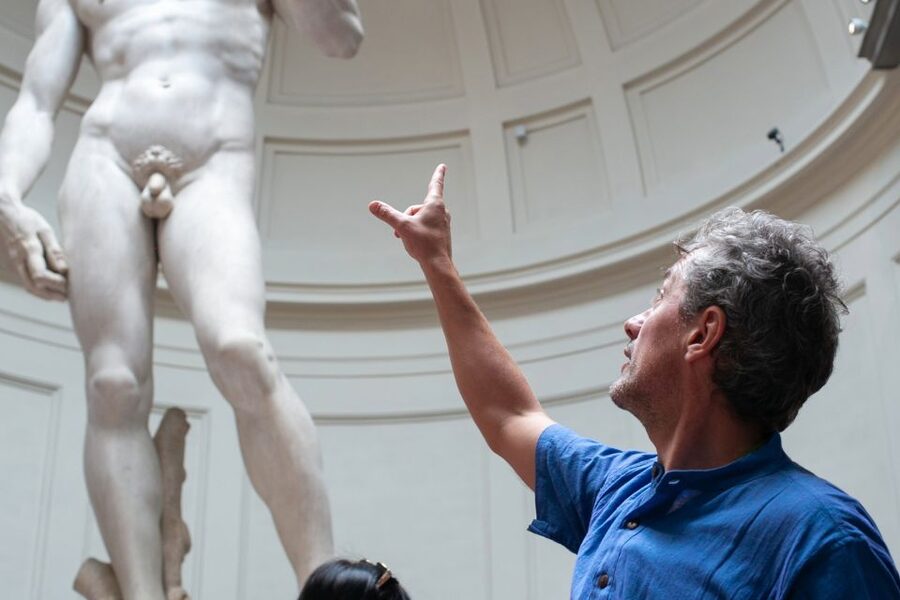
One of the strongest promises here is the red thread idea—how David connects to the Sistine Chapel. For some people, that sounds like a grand theory. In practice, the tour’s value is that you’re not just told to believe it. You’re guided through the spiritual logic behind the connection.
You’ll learn how Michelangelo’s creative world repeats certain ideas across different art forms. In this tour, that becomes a way to interpret David’s significance not only as a standalone statue, but as part of a bigger spiritual conversation.
This is also where the “museum guide” mindset shifts. Instead of just describing surfaces, you start thinking about Michelangelo’s message. The guide ties it to Michelangelo’s wider body of work and the spiritual meaning behind the creation.
And if you’re the type who’s visiting the Sistine Chapel later, this is the most useful kind of prep. It gives you a lens you can carry forward, so your later Vatican experience may feel less like a series of separate images and more like a connected set of ideas.
A Tour Built on Questions, Not Just Talking
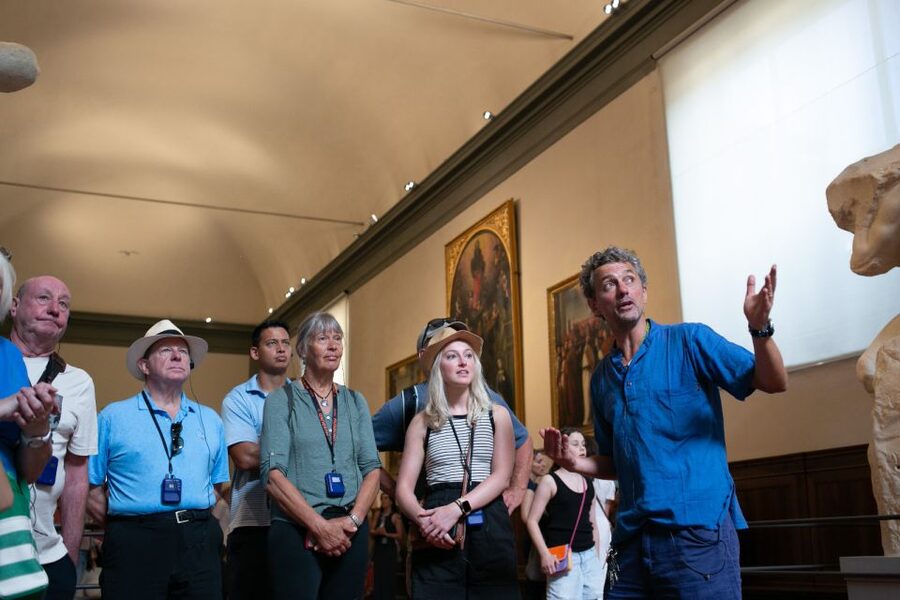
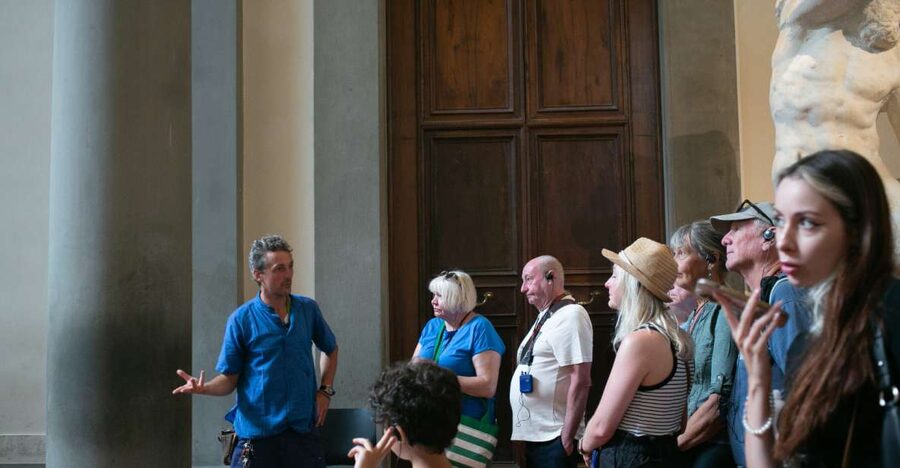
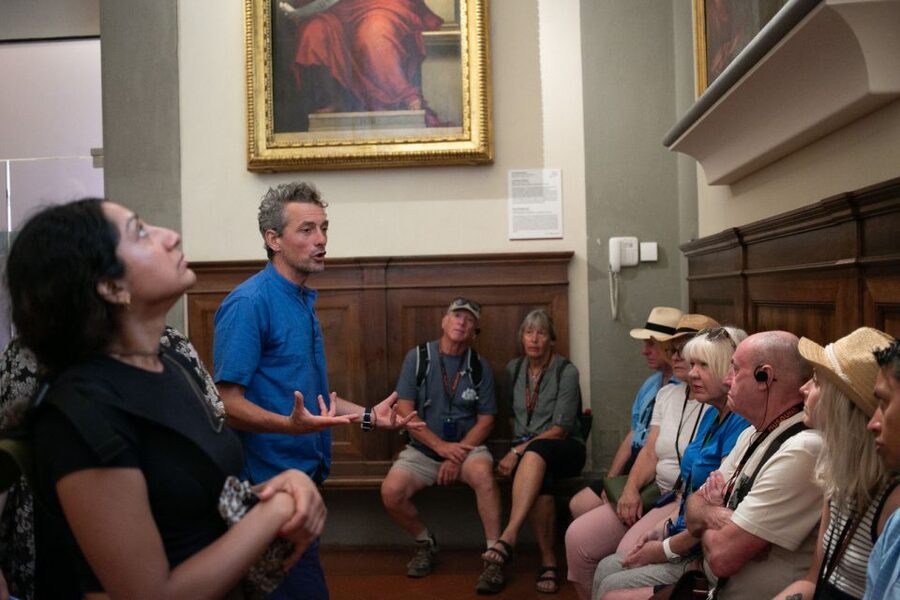
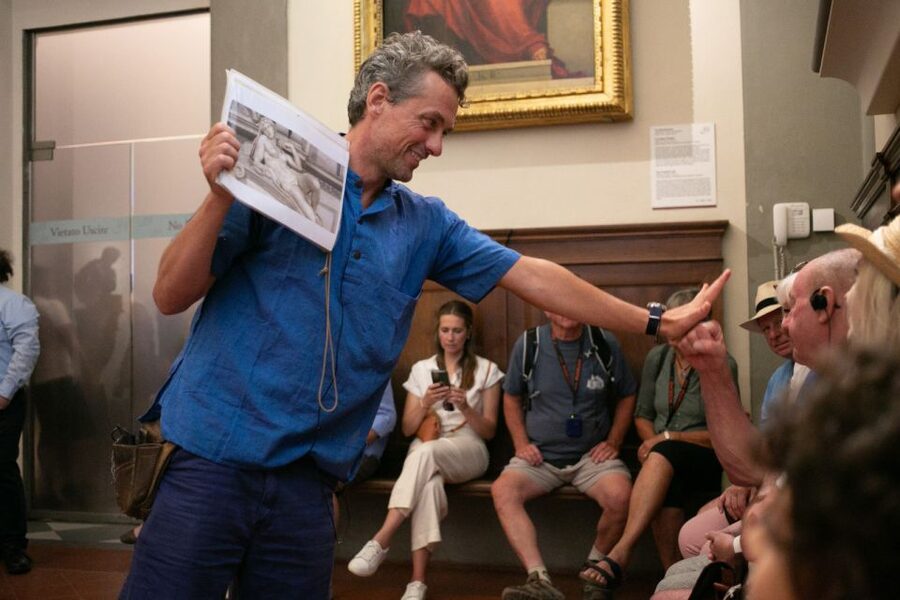
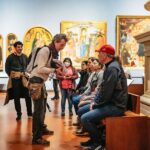
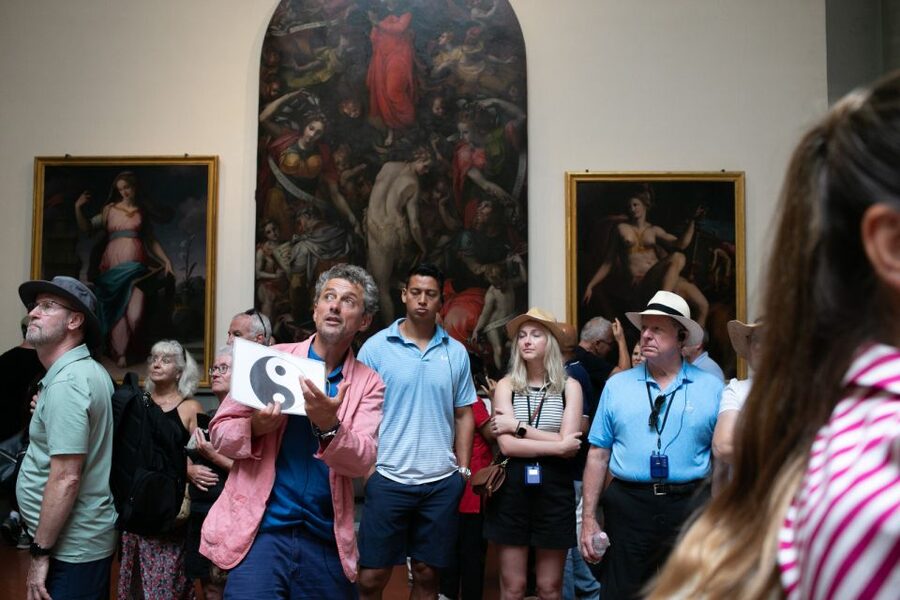
This tour uses an interactive style. The guide encourages questions and uses inquiry as part of the method, not as an afterthought.
You’ll be prompted to think through metaphors and make sense of what you’re seeing. The idea is that you don’t only hear about meaning—you practice finding it.
I also like that the tour is described as understandable even for children. That doesn’t mean it becomes shallow. It means the logic is presented in a way that matches how people learn when they’re not trying to impress anyone with art vocabulary.
Another point: Mario Gesù isn’t simply a guide. He’s a native Florentine and also performs as an actor in city events and restaurants, including portraying Dante in the Divine Comedy. That matters because it hints at how he performs ideas—story-forward, role-aware, and less “museum lecturer.”
What Happens After the Guided Portion
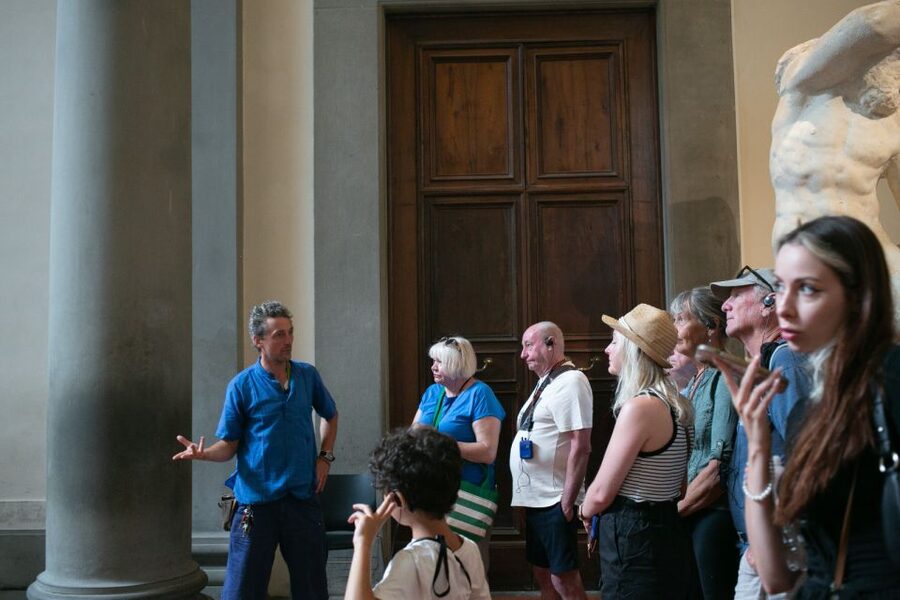
The tour doesn’t try to control your entire visit. At the end, you keep going independently through the museum.
This is a big deal for value. You get the meaning-building part with a guide, then you take over for the parts that call to you—whether that’s lingering with David again from a different angle, or spending extra time on other works you might have missed if the day had been entirely structured.
Because Accademia can feel dense, this split—guided meaning first, self-paced exploration after—often works better than a full “stay with the guide the whole time” format. You finish the tour with a mental framework, then you explore with purpose.
Value Check: $57 for a native guide and museum time
At $57 per person for 75 minutes, this isn’t the cheapest way into the Accademia. The question is: what are you buying?
You’re buying:
- A guided experience specifically focused on David and the Prisoners, not a general museum walkthrough
- Museum entry and headsets, so you can hear clearly
- A native Florentine guide with a research-style approach rather than a one-size-fits-all script
- The promised red-thread connection to the Sistine Chapel and the spiritual meaning angle
Is it worth it? For most people who care about meaning, yes—because you’ll likely get more “aha” moments per minute than you would from self-guided reading.
One note to keep you safe: your confirmation details should match what you’re expecting. The tour info you have indicates tickets are included, but it’s wise to check your booking confirmation anyway, since costs and inclusions sometimes vary by how a supplier bundles things.
Who Should Book This Tour (and who may not love it)
Book it if you:
- Want to understand David as a message, not just a famous figure
- Like tours that ask questions and invite your brain to work
- Are traveling with couples, families, or friends who don’t all agree on museums, because the format is broad enough for different ages
- Plan to visit the Sistine Chapel later and would rather have a lens than a random list of facts
You might skip it if you:
- Want a strictly factual “look at this, then that” walkthrough
- Prefer lots of downtime for photography without discussion
- Dislike tours that treat art as spiritual and philosophical, not just historical
Should You Book This David and Accademia Tour?
I’d book it if you want David to feel personal and purposeful. The best part isn’t only that you learn things—it’s that the guide helps you connect ideas across Michelangelo’s work using a clear method: David, then Prisoners, then the spiritual thread leading outward.
If your Florence plan is tight, consider it a high-impact use of time. Ninety percent of the benefit comes from the framing, and you get that in an hour-plus.
If you’re on the fence, do this quick test: ask yourself whether you want to leave with a stronger sense of why Michelangelo created what he created. If yes, this tour fits. If you just want quick museum access and photos, choose a more traditional route.
FAQ
How long is the Florence: Michelangelo’s David and Accademia Gallery tour?
The tour lasts 75 minutes.
Where do I meet the guide?
Meet at the ATM machine of Libreria evangelica, just in front of the Accademia museum entrance. Plan to arrive 15 minutes before the scheduled time.
What language is the tour in?
The tour guide provides the tour in English, and headsets are included so you can hear clearly.
What does skip-the-line mean for this tour?
You get skip the ticket line entry. You may still wait in a time-grouped queue, but you avoid the main general admission line.
What is included in the price?
The price includes the Accademia Gallery tour, museum tickets, a local guide, and headsets.
What should I bring?
Bring passport or ID card for children, headphones, cash, and your disability card if applicable.
Is it wheelchair accessible, and can I cancel for free?
Yes, the experience is wheelchair accessible. It also offers free cancellation up to 24 hours in advance for a full refund.