REVIEW · LOS ANGELES
Los Angeles: Arts District Street Art, Graffiti Walking Tour
Book on GetYourGuide →Operated by LA Art Tours · Bookable on GetYourGuide
Street art gets real fast in LA. This 2-hour walk is a hands-on way to understand how the Arts District tells its story through murals, tags, and graffiti, not just pretty walls. I especially love the local street-artist guides who explain the meaning and technique as you go, and I also love the sheer volume—100+ separate works—so you keep finding new details instead of repeating the same sights.
My only real watch-out: guide styles vary, and the tour can feel more like reading streets than photographing them. One review flagged a guide who ran late and talked a lot about himself, and another noted that you may see more lettering and style than big, easy-to-photograph “graffiti pictures.”
In This Review
- Key things you’ll like on this Arts District walk
- Where the Arts District is the main character
- Meeting point at Colyton and Palmetto: plan your first 10 minutes
- The 2-hour route: how you see 100+ works without feeling rushed
- Learning the visuals: technique and meaning on the sidewalk
- ArtShare: where creativity meets a real neighborhood mission
- The Container Yard: big scale, artist energy, and a clear reason it works
- Arts District Co-op, the American Hotel area, and other landmarks
- Tiny tags to big murals: what you’ll actually spot on this walk
- Guide personality matters: what to expect from Sergio and other artist-led tours
- Sunday add-on: spray can and stencil workshop (if you can stay for the extra time)
- Price and value: is $20 for 2 hours a fair deal?
- Who this tour fits best (and who should rethink it)
- Should you book LA Arts District Street Art and Graffiti Walking Tour?
- FAQ
- How long is the Arts District Street Art, Graffiti Walking Tour?
- How much does the tour cost?
- Where do I meet the guide?
- Who is the guide?
- What will we see during the walk?
- Is the tour wheelchair accessible?
- What should I bring?
- Are meals included?
- What is the Sunday add-on workshop?
Key things you’ll like on this Arts District walk
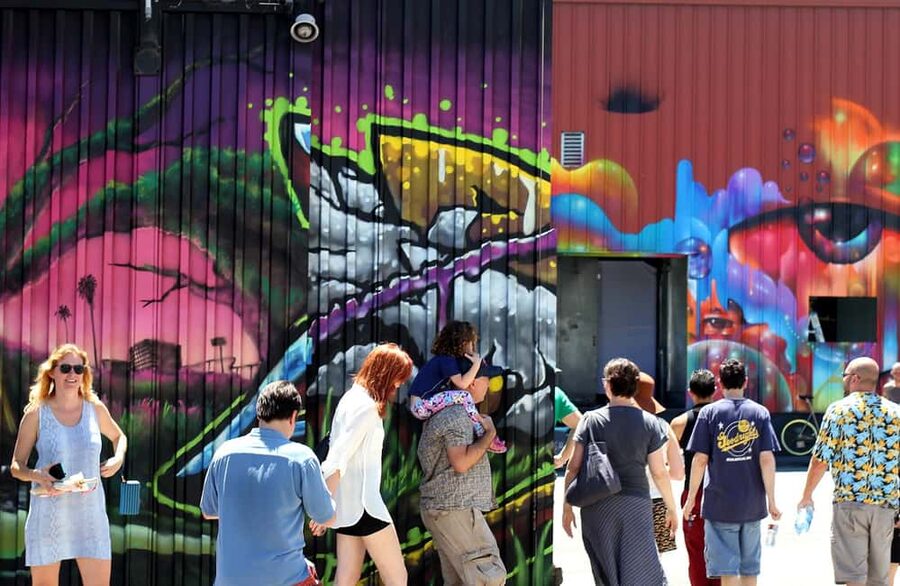
- A real artist guide who lives in the neighborhood and shares art-world context
- 100+ works across murals, tags, stencil-style marks, and small surprises
- Stops at major landmarks like ArtShare and The Container Yard
- A guided way to decode the visuals, from lettering to yarn-bomb style details
- An optional Sunday spray can and stencil workshop that turns you from viewer into maker
Where the Arts District is the main character
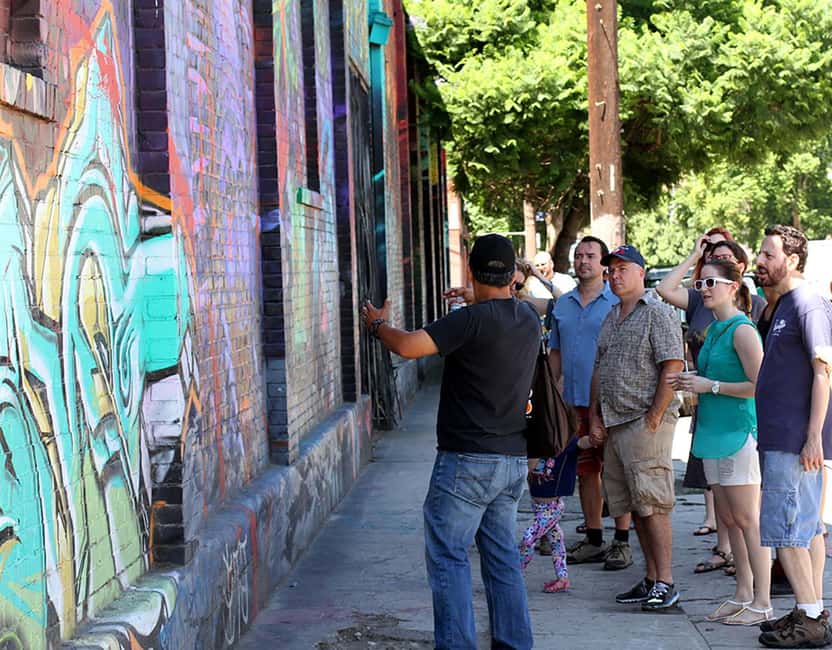
The Los Angeles Arts District is one of those places where the art isn’t waiting for you inside a gallery. It’s built into the block: walls, loading docks, fences, and alley edges that get repainted, layered, and revised over time. That matters, because graffiti and street art are about process—artists show up, make marks, get noticed, and (sometimes) get challenged by the next crew.
On this tour, you’re not just hunting for murals. You’re learning how the creative community formed and why certain spaces became hubs. The guide is a longtime Arts District community member and a working artist, so the explanations tend to connect art choices to neighborhood culture: who got seen, what styles spread, and how technique can become identity.
You can also read our reviews of more tours and experiences in Los Angeles.
Meeting point at Colyton and Palmetto: plan your first 10 minutes
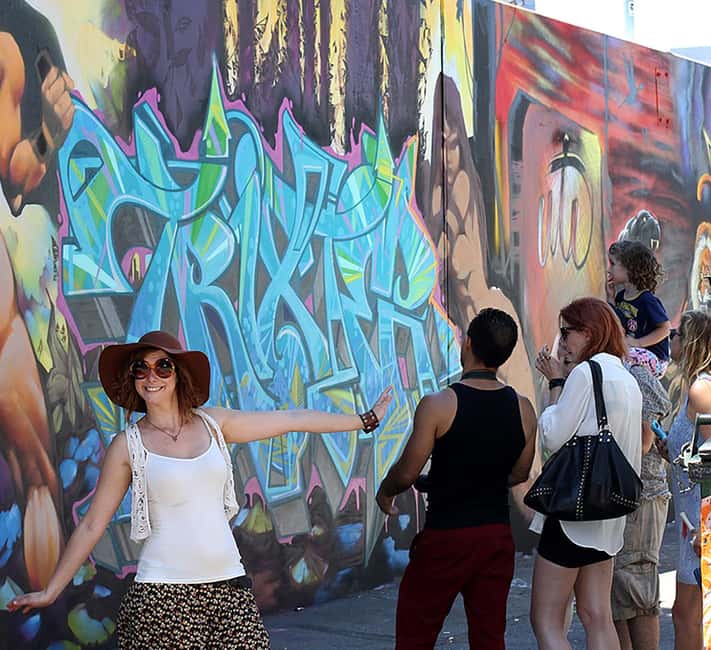
You start at 527 Colyton St, but the actual meet-up is at the green/benches at the corner of Colyton and Palmetto. This is one of those details that can save you stress. If you arrive early, the goal is to stand by the benches and get oriented; don’t wander into the building doorway area.
Two practical points I think you’ll appreciate:
- Wear comfortable shoes. The whole point is walking between works that you can’t see all at once.
- Bring water and sunscreen, especially if you’re touring in warmer months. This is a mostly outdoor experience.
The 2-hour route: how you see 100+ works without feeling rushed

A two-hour walking tour can either feel like a sprint or like a street-level education. The best version of this one is the second: a steady pace where the guide points out individual works and helps you read them.
Here’s what you can expect from the structure:
- You’ll see over 100 individual pieces, ranging from building-sized murals to tiny tags.
- The guide uses the street art as a lesson plan—history, culture, and technique appear as you encounter each style.
- You’ll learn to notice things most people miss: lettering choices, placement logic, and how artists build meaning through repetition and variation.
One review complaint is worth taking seriously: if you’re only interested in the biggest, most visually loud graffiti pieces, you might find more emphasis on lettering and style than you hoped. Still, that can be a feature, not a bug—because tags and marks are often where skill and personality show up first.
Learning the visuals: technique and meaning on the sidewalk
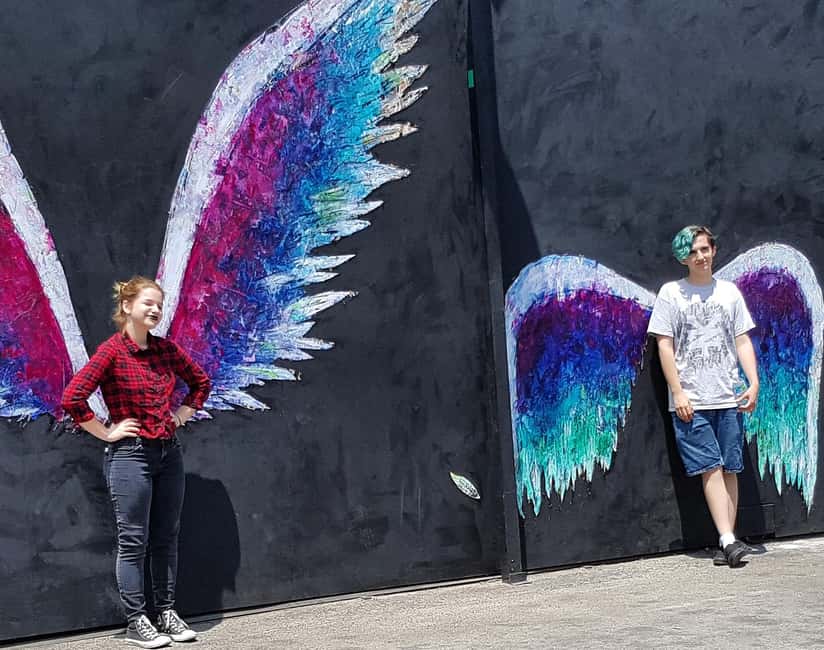
The tour gives you a way to understand street art beyond the first glance. As you walk, you’ll hear how different styles work and why artists use them. You’ll also get context on the community around the murals—local masters and internationally known names, presented as part of a living scene, not as a museum exhibit.
The most praised element here is the “decode it” approach. One of the standout comments praised an actual graffiti artist who keeps working in the area and teaches you how to read what you’re seeing. That kind of guidance changes your experience fast. Instead of thinking, That’s cool, you start thinking, I see why it’s placed there, why the lines are built that way, and what the artist is trying to communicate.
A tip that will help you get more out of the walk: pause when the guide points. Street art photography usually tempts people to move on immediately. If you take a few seconds per piece—especially small marks—you’ll collect more understanding than just images.
ArtShare: where creativity meets a real neighborhood mission
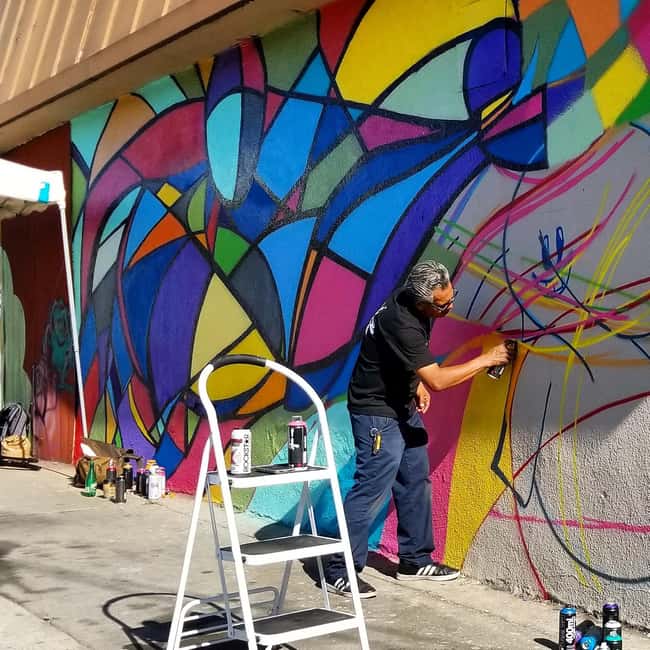
ArtShare is one of the named stops, and for a good reason. It represents the bridge between street-level art and the broader art community—where programs and community-focused efforts can legitimize street art as more than vandalism.
On the sidewalk, this is where you’ll likely hear about why certain institutions matter. Street art thrives on attention, but it also needs spaces where artists can grow, collaborate, and be seen without losing their voice. If you’ve ever wondered how a neighborhood creative scene stays alive, stops like ArtShare help answer that.
Drawback to keep in mind: if you’re expecting a purely graffiti-only itinerary, you’ll still get plenty of street art—but you’ll also see the culture-making sides of Downtown, not just walls.
The Container Yard: big scale, artist energy, and a clear reason it works
Another key stop is The Container Yard, a place that’s known for turning ordinary structures into an arts space. During the tour, this kind of stop is valuable because it shows how art adapts to the neighborhood’s architecture and industrial history.
What I like about this part of the tour is that it helps you connect the dots. You don’t just see the end product; you see a setting where art can stay visible, change over time, and keep attracting artists and viewers. It also gives you contrast: sometimes street art is hidden in plain sight; here it’s organized enough that you can focus without feeling lost.
Arts District Co-op, the American Hotel area, and other landmarks

The itinerary also points you toward several notable spots, including Arts District Co-op and the American Hotel, plus Joel Bloom’s Spot and the former site of Al’s Bar.
Even without turning this into a history lecture, these locations matter because they help explain why the Arts District became what it is. Street art culture rarely grows in a vacuum. It follows foot traffic, it borrows from nearby venues, and it’s shaped by the relationships artists build with businesses and each other.
Here’s what you should watch for as you move between these stops:
- How murals respond to building faces and transitions between spaces
- Whether a piece looks like it’s meant to be seen from a distance or up close
- How tags and stencils might act like breadcrumbs leading you to the next area
Tiny tags to big murals: what you’ll actually spot on this walk
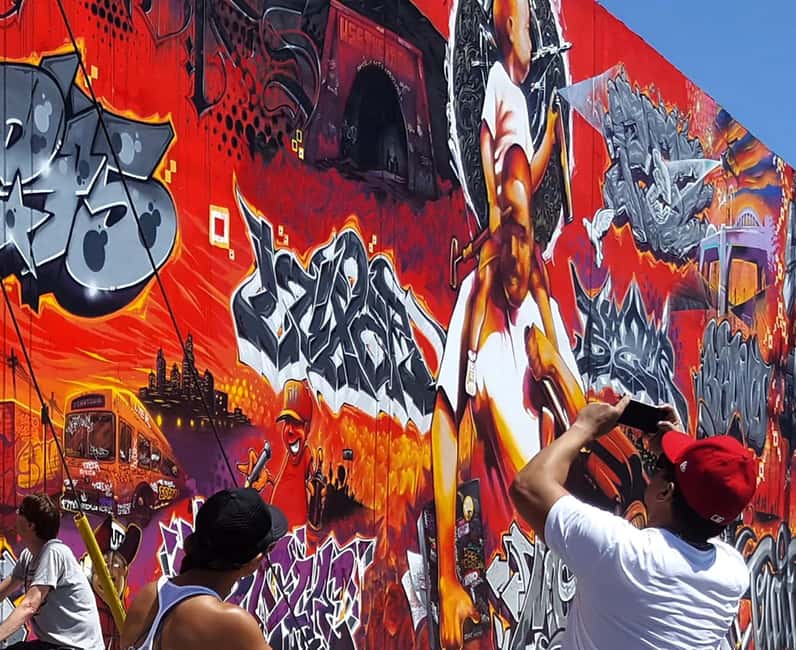
This is where you’ll feel the value of having a guide. The description makes it clear you won’t just see “a few murals.” You’ll see:
- Building-sized murals
- Tiny art tags and quick marks
- Stencil-style elements
- Yarn-bomb style details (yes, that counts as street art)
- A mix of works by local and globally recognized talents
A word of advice: bring your camera, but also bring your attention. Street art can reward slow looking. If you rush for only the biggest wall art, you’ll miss the writing-based pieces and the small interventions that often carry the story.
If you’re the type who likes to compare styles—letters, outlines, shading—you’ll get more out of this tour because the guide’s job is to help you see patterns.
Guide personality matters: what to expect from Sergio and other artist-led tours
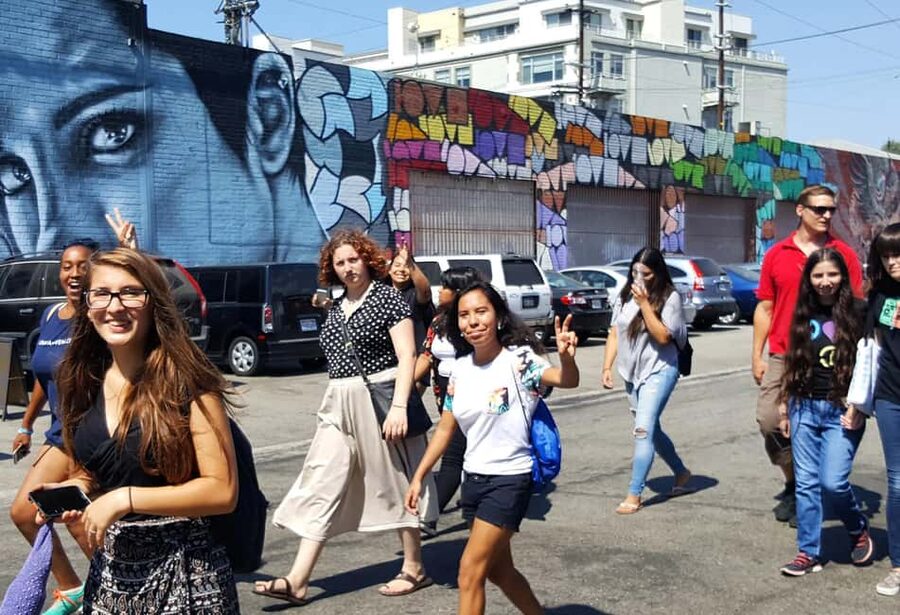
You’ll likely hear from different guides depending on the day. One named guide in the reviews is Sergio, who was described as great, knowledgeable, and fun. That lines up with the core promise: an artist guide who can explain what you’re seeing in a way that actually sticks.
At the same time, there’s at least one complaint about a guide running late and spending too much time on personal storytelling rather than giving broad subject context. That doesn’t mean the tour is bad—it’s a reminder to set expectations. This is not a silent photo walk. It’s a conversation with the street, and conversation has personality.
If you really want a balanced history-and-technique ratio, arrive with the mindset that you’re here to learn reading skills, not just collect snapshots.
Sunday add-on: spray can and stencil workshop (if you can stay for the extra time)
If you’re doing this on Sunday, you can add a spray can and stencil painting workshop. This part shifts from watching to making, and it’s described as hands-on, with materials provided.
What you’ll learn includes:
- Stencil cutting
- Spray can painting techniques
The guide also offers the fun option of transforming clothing—bring items like a t-shirt, sweatshirt, pants, hat, and you can paint on them.
One of the smartest practical things here: if you care about keeping your results wearable (or at least intact), bring something you’re comfortable marking. You’ll want to think about fabric type and fit, but the big point is simple—you leave with something you made, not just something you photographed.
Price and value: is $20 for 2 hours a fair deal?
At $20 per person for a 2-hour guided walk, this is one of those low-cost cultural activities that competes well with museums—especially if you like street-level learning.
You’re paying for four main value drivers:
- A local street artist guide who can explain technique and context
- Access to a concentration of art—100+ individual works—within a short window
- Stops at recognizable locations like ArtShare and The Container Yard
- A guided way to see small, easy-to-miss details that you’d probably overlook alone
Could it be disappointing? If your personal goal is only huge murals you can photograph and ignore everything else, you might feel short-changed. But if you want to learn how street art communicates, the price looks fair because the guide’s explanations are part of what you’re buying.
Who this tour fits best (and who should rethink it)
This tour is a strong match if you:
- Like street art but want help understanding it
- Enjoy learning from working artists
- Want a walking route through Downtown without needing transport planning
- Plan to bring a camera and also want to notice details
You might want to reconsider if you:
- Only care about the biggest murals and dislike smaller tags or lettering-focused work
- Get frustrated by guide timing inconsistency (some reviews note lateness)
- Prefer a more formal, museum-style narration instead of artist-led conversation
Should you book LA Arts District Street Art and Graffiti Walking Tour?
Yes, book it if your goal is street art with context, not just street art as decor. The best reviews emphasize artist-led teaching, art decoding, and an immersive feeling that comes from seeing technique explained on the spot. At $20 and two hours, it’s also a practical add-on to a Downtown LA day.
If you’re sensitive to guide delays or you want strictly photo-forward murals, read your own preferences carefully. You’ll still see a lot of work—big and small—but the tour’s direction leans toward learning how the visuals work.
If you can do Sunday, the stencil and spray workshop is a solid bonus because it turns the whole theme into something you physically try, not just observe.
FAQ
How long is the Arts District Street Art, Graffiti Walking Tour?
The tour lasts 2 hours.
How much does the tour cost?
The price is $20 per person.
Where do I meet the guide?
Meet at the green/benches at the corner of Colyton and Palmetto. The address 527 Colyton St is for mapping purposes.
Who is the guide?
The tour is led by a local street artist guide, described as a real artist and longtime member of the Arts District community.
What will we see during the walk?
You’ll see murals, street art, and graffiti, with over 100 individual works. The tour also includes visits to spots such as ArtShare, The Container Yard, Arts District Co-op, and the American Hotel, plus other named stops.
Is the tour wheelchair accessible?
Yes, the tour is wheelchair accessible.
What should I bring?
Bring comfortable walking shoes, a camera (recommended), sunscreen, and water.
Are meals included?
No. Meals and drinks are not included.
What is the Sunday add-on workshop?
On Sundays, you can add a spray can and stencil painting workshop. It includes learning stencil cutting and spray can painting, and materials are provided. You can also bring clothing items you want to paint.