REVIEW · BERLIN
East Meets West: Berlin Food Culture & Street Art
Book on Viator →Operated by Fork & Walk - Food Tours Berlin · Bookable on Viator
Berlin eats have a story. This tour strings food, street art, and history into one walkable route, with a small group and enough stops to keep you full and curious. You sample everything from Turkish street food and Ukrainian soul food to classic Berlin bites like schnitzel and currywurst, then you walk the wall-and-mural side of the city.
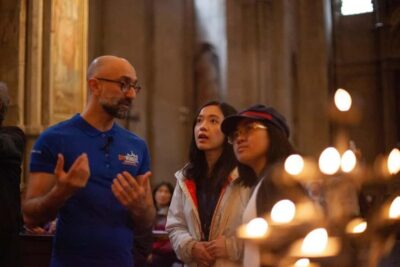
I like that you get both the flavor and the context: what changed in these neighborhoods during Nazi Germany and the Communist era, and how Berlin’s creative culture took root afterward. I also like the pacing. With a max group size of 8, you get time to ask questions and actually understand why each place matters, not just where to stand for photos.
One possible drawback: if you want a sights-heavy sightseeing tour with fewer food stops, this is still very much a tasting and neighborhoods experience. You’ll walk, you’ll eat, and the art-history moments are woven into the route rather than treated as long museum-style stops.
In This Review
- Key things to know before you go
- Why this Berlin food-and-street-art walk feels different
- Friedrichshain first: East Berlin flavor and context
- East Side Gallery: the Berlin Wall as political street art
- Kreuzberg time: where food trends and history overlap
- Classic Berlin bites: schnitzel and currywurst
- Turkish influence in Little Istanbul: Leylak and Kreuzberg’s food identity
- Slava Berlin: Ukrainian soul food and nalivanki
- Street art stop beyond the Wall: murals as East-West storytelling
- Markthalle Neun: a market hall that survived and stayed itself
- Coffee shop detour: hipster Berlin, but with a purpose
- Vegan donuts at Brammibal’s: Berlin can do plant-based without apology
- Drinks, beer, and why you should plan to skip dinner
- Price and value check: what $169.38 buys you
- Who this tour is best for
- Should you book East Meets West: Berlin Food Culture & Street Art?
- FAQ
- Do I need to buy a public transportation ticket for this tour?
- How long is the tour, and when does it start?
- What language is the tour offered in?
- Is the group small?
- Are there vegetarian options or dietary accommodations?
- What tastings are included?
- Where does the tour start and end?
- How much walking is involved?
Key things to know before you go
- Small group (max 8): easier questions, less wandering, and more time at each stop
- East Side Gallery Wall access: you get to see (and even touch) a still-standing stretch of the Berlin Wall
- A mix of cuisines in one loop: Turkish, Ukrainian, classic German, and vegan donuts in the same afternoon
- Street art plus war-era context: murals tied to the story of East and West Berlin
- Market-hall stop that feels local: Markthalle Neun is a real food hub, not a generic souvenir setup
- You eat enough to skip dinner: 6 tastings plus drinks, including Berliner pilsner beer
Why this Berlin food-and-street-art walk feels different
Berlin can be a lot of things at once. You’ll see it in how this route is built: the itinerary links neighborhoods that used to “mean something different” to one another, and then it explains what that meant for daily life—right down to what people ate, drank, and drew on walls.
This tour starts in Friedrichshain and gradually moves westward toward Kreuzberg, then you end near U Kottbusser Tor. That direction matters. It’s not just geography; it’s a way of moving through Berlin’s layers: East Berlin in the early part, West Berlin as you cross over, and the creative-culture aftermath visible in street art and food.
The best part is that the food is not random. Each tasting is attached to a neighborhood identity. You’re going to try German classics, but also the immigrant food culture that helped reshape Kreuzberg into one of Berlin’s most-loved areas. And when you stop for murals, you’re not just looking at pretty paint—you’re connecting the visual language to the city’s political shifts.
You can also read our reviews of more tours and experiences in Berlin.

Friedrichshain first: East Berlin flavor and context
You begin in Friedrichshain, a neighborhood associated with revolutionary East Berliners. The point here is orientation. Even before you hit the big Wall-and-mural moments, you’re learning how this area fits into Berlin’s 20th-century story. That context makes the rest of the walk click.
Friedrichshain also sets expectations for the kind of Berlin you’ll see on foot: bold, creative, and very much “lived-in.” This is the part of the city where it feels natural that street art would grow up alongside cafés, bars, and small local eateries.
Practical note: you’ll be on your feet fairly steadily. The tour warns you about moderate walking and recommends comfortable shoes and a rain jacket or poncho. I’d take that seriously. Berlin weather loves changing its mind.
East Side Gallery: the Berlin Wall as political street art
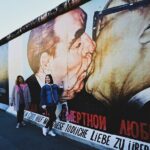
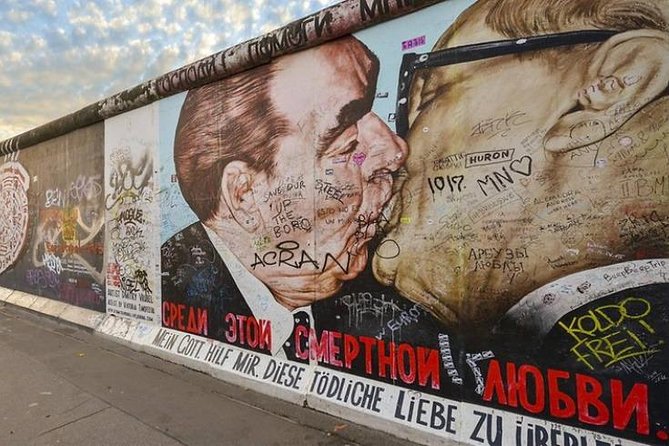
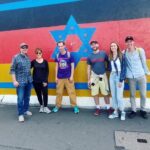
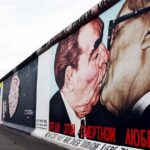
Then you hit the stop that anchors the whole theme: the East Side Gallery. This is the famous stretch of the Berlin Wall turned into a canvas for political art. You get to explore the secrets of the Wall and even touch a still-standing section, which makes history feel physical instead of abstract.
You’ll also learn how street art functioned as commentary in a divided city. The tour frames these murals as stories told through paint—linked to the fall of the Wall and what it meant for Berlin’s identity. It’s one thing to see photos online. It’s another to stand next to the actual remaining Wall and hear how people used art to make political points in public.
Time here is limited, so come in ready to look fast. Don’t plan to read every small detail like you’re studying for an exam. Use the guide’s framing to catch the big ideas, then pick a couple of murals to linger on.
Kreuzberg time: where food trends and history overlap
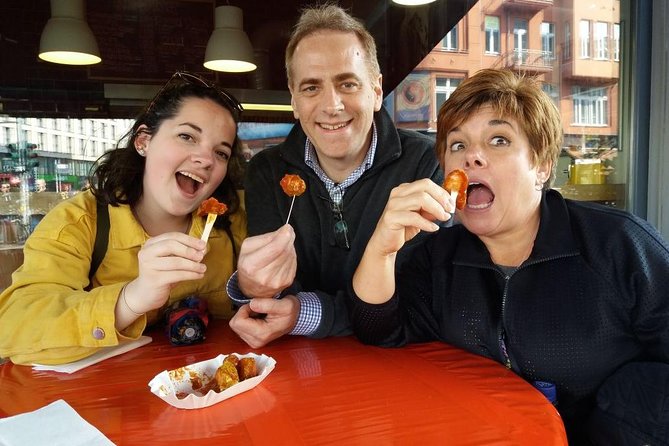
Next the route swings into Kreuzberg, the former West Berlin side of this story. Kreuzberg is where the city’s immigrant communities and nightlife culture helped define what “modern Berlin” looks like.
This is the part where the tour’s food choices start feeling extra purposeful. Kreuzberg isn’t just trendy. It carries history in its streets, and the tour ties that history to the neighborhoods’ food. You’re also walking through a place where café culture, bars, and street-level food are part of normal life, not tourist theater.
If you’re hoping to learn about Berlin through everyday scenes—where people actually eat, hang out, and argue about the best coffee—Kreuzberg is where that happens. It’s also where you’ll start noticing how many cultures are baked into the street.
Classic Berlin bites: schnitzel and currywurst
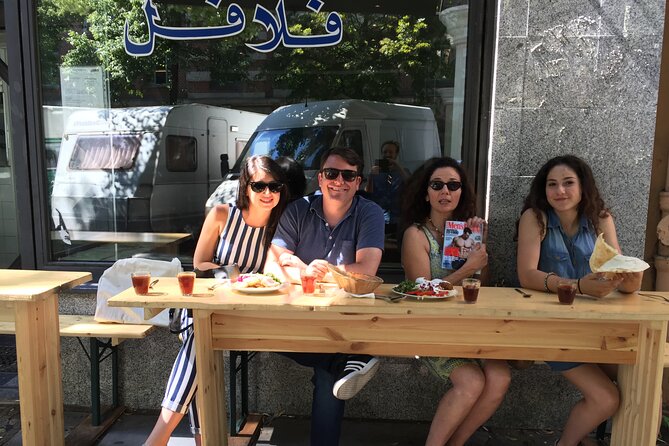
Berlin wouldn’t be Berlin without a couple of classic comfort foods, and the tour doesn’t treat them like a checkbox. It treats them like cultural markers.
At Scheers Schnitzel, you stop for Berlin-style schnitzel from a local institution. This is the kind of meal Berlin people know how to order without thinking too hard. Expect a hearty, satisfying flavor profile built around breading and meat and the no-nonsense Berlin approach: good food, served plainly, in a straightforward way.
Then comes Ketels Curry, where you hear the story behind currywurst—a Berlin staple that helped shape how the city became known for its casual street food. The tour frames currywurst as something many people don’t realize has a behind-the-scenes origin story. That kind of context is exactly why this works. Food turns into a timeline.
Portion-wise, this is one of those tours where you’ll want to arrive hungry. The tastings and drinks add up. One downside only if you’re the type who hates surprises: you may not choose the exact foods you’d pick on your own menu. But the swaps are still very Berlin.
Turkish influence in Little Istanbul: Leylak and Kreuzberg’s food identity
Now you get into the part of Kreuzberg that locals talk about with pride: Turkish food. The tour calls out the area’s nickname Little Istanbul, because the Turkish community here is one of the largest outside Turkey, and that shows up in the food.
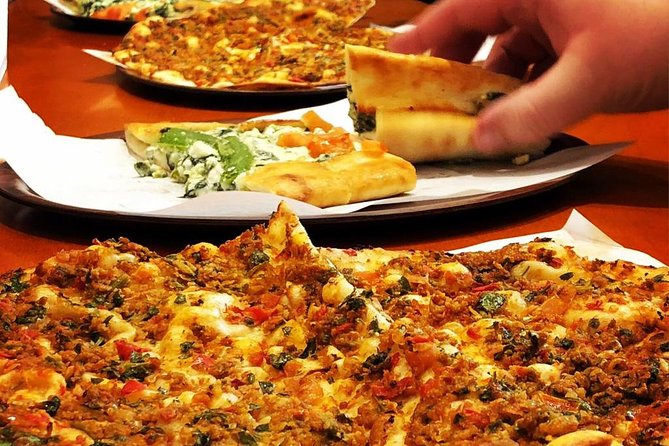
At Leylak, you’re guided to the heart of Anatolian street-food-style recipes. This is where the tour stops feel like you’re tasting the neighborhood’s everyday life rather than just sampling famous Berlin dishes. You’ll get flavors that feel grounded—less about gourmet plating, more about what people actually eat.
Two things to keep in mind here:
- Your tastes might shift from “German classic” mode to “spiced street-food” mode quickly.
- If you have dietary restrictions, tell your guide early so the restaurant tastings stay comfortable for you. The tour says you can request dietary needs at booking, and a vegetarian option is available.
Slava Berlin: Ukrainian soul food and nalivanki
Another highlight is the stop at Slava Berlin! Ukrainian Soulfood & Nalivanki, a restaurant led by immigrant women. This matters because it’s part of the tour’s bigger point: Berlin’s food scene is shaped by migration and community, not just by old recipes.
The tasting here ties to the idea of a modern Ukrainian story in Berlin. In practice, it’s a chance to broaden your sense of what “European comfort food” can mean—beyond what you might expect from a classic German-focused route.
If you love food that carries identity, this stop tends to land well. It’s not just a taste; it’s a window into how communities recreate home in a new city.
Street art stop beyond the Wall: murals as East-West storytelling
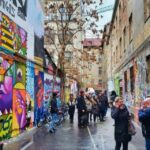
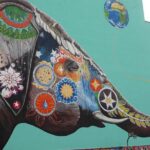
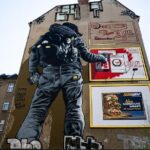
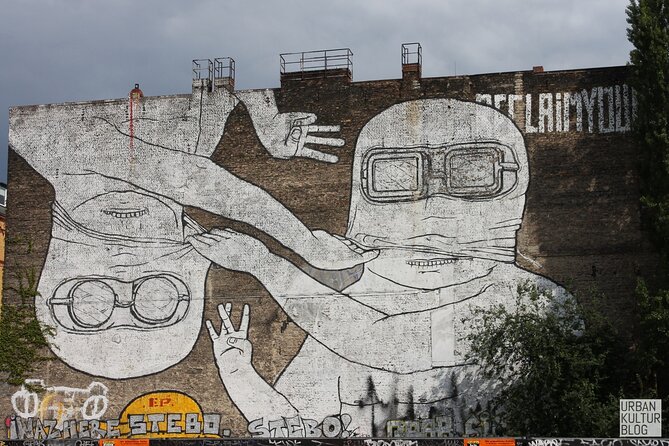
After the Wall, the tour doesn’t leave street art behind. It includes a stop labeled Street Art Berlin, described as a mecca for street art across Europe. You also get to see one of the world-famous murals tied to stories of East and West, past and future.
This is one of those moments where it helps to have someone else connect the dots. Street art can look like chaos if you don’t know what themes to look for. With the guide’s framing, you’ll start noticing how artists use the city as a message board—how political memory shows up in paint, and how Berlin’s change over time is visible on brick and concrete.
Also, it’s a good reminder that the “edgy” side of Berlin isn’t just nightlife. Some of the most meaningful art is happening in plain sight.
Markthalle Neun: a market hall that survived and stayed itself
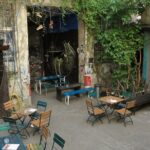
One of the smartest stops on the route is Markthalle Neun, a refurbished 1900s market hall. The tour notes that the space survived WW2 annihilation and avoided the fate of being flattened into something totally generic.
This matters for your experience because market halls are where Berlin feels most like a working city. You’re not just walking past storefronts. You’re seeing a communal food setting where producers and people connect through programming and events.
The tour frames Markthalle Neun as a culinary epicenter with an event calendar that brings together top food and beverage people and connects them to nearby producers. In other words: it’s not a dead hall. It’s active, and that energy changes how the food tastes and how the crowd moves.
If you’re the kind of traveler who likes to understand Berlin through daily food culture, this is the stop that gives you that feeling the most.
Coffee shop detour: hipster Berlin, but with a purpose
You also include a visit to one of the neighborhood’s hippest coffee shops. The idea isn’t only caffeine. It’s a tempo shift.
This works well mid-walk because you’ll likely be transitioning between savory tastings and heavier stops. Coffee also gives you a breather where you can absorb the stories the guide has been sharing—World War II and the Communist era themes, then the more present-day scene of cafés, creativity, and street art.
If you drink coffee, you’ll probably enjoy this stop most. If you don’t, it’s still helpful as a reset moment. Just don’t plan to “power through” without taking breaks when your guide suggests quick pauses—this route works best if you stay in sync.
Vegan donuts at Brammibal’s: Berlin can do plant-based without apology
Later, you finish with Brammibal’s Donuts (Maybachufer) for vegan donuts. The tour describes them as beautiful and sumptuous, and the stop leans into the idea that Berlin does vegan in a very normal, stylish way.
This is a fun final flavor because it’s a contrast to the savory stops you’ve had. After schnitzel, currywurst, Turkish street food, and Ukrainian tastes, a sweet stop helps everything feel complete.
If you’re traveling with someone who gets stuck on food preferences, this is also a strong group win: vegan, sweet, and generally appealing even if you normally don’t seek out plant-based desserts.
Drinks, beer, and why you should plan to skip dinner
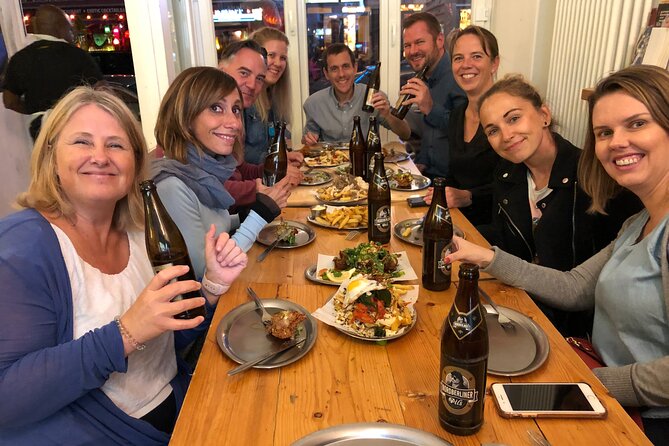
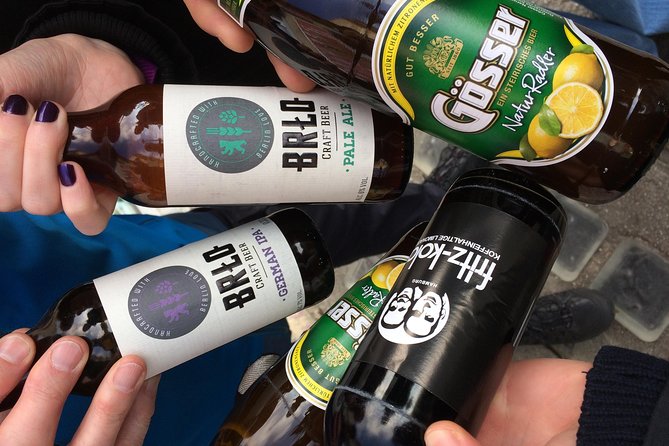
Included in the tour are beverages, plus 6 local tastings, and a local Berliner Pilsner beer. That sounds straightforward, but it affects your day.
This is not a light snack walk. You’ll be tasting across multiple stops. Most people do better if they eat normally before the tour but skip a big heavy breakfast or plan to keep dinner later and lighter. One of the tour vibes is that it gives you enough food that you don’t feel tricked into buying extra later.
If you’re sensitive to alcohol or don’t drink beer, ask your guide what alternatives are available at the time. The tour includes beer, but it also includes beverages generally, so you won’t be left empty-handed.
Price and value check: what $169.38 buys you
At $169.38 per person for about 3 hours 30 minutes, you’re paying for more than food. You’re paying for:
- A small-group format (max 8)
- A local guide
- Six tastings plus drinks and beer
- Time and access to places tied to Berlin Wall and street art themes
That price can feel steep if you expect a standard food court crawl. But it starts to make sense when you consider the mix: history walking, multiple neighborhood shifts, and tastings across different cultures. You also avoid the hassle of piecing together a route yourself—especially if you’re short on time.
One caution: if your priority is “more sights, less tasting,” you might want to compare this against a straight sightseeing tour. This route aims for a specific balance: street art, yes, but always as part of a food-and-neighborhood story.
Who this tour is best for
This is a great match if:
- You like street art with context, not just photo stops
- You want German classics plus immigrant neighborhood food in one loop
- You enjoy learning how history shows up in everyday life
- You’d rather be in a small group than a big bus crowd
It might not fit if:
- You want long, uninterrupted time at famous landmarks
- You’re picky to the point that tastings feel like a chore (tell the operator ahead of time if you’re very restricted)
- You don’t like walking through several neighborhoods in one afternoon
Should you book East Meets West: Berlin Food Culture & Street Art?
I’d book it if you want your Berlin to feel like a real day on the ground: eating at spots locals actually use, then stepping into street art and the Wall story with a guide who connects the dots.
The big selling points are the mix of cuisines, the Wall-and-murals focus, and the small-group feel that makes history questions worth asking. If you’re willing to eat your way through neighborhoods—rather than treat food as a side dish—this tour delivers good value for a 3.5-hour hit.
FAQ
Do I need to buy a public transportation ticket for this tour?
Yes. The tour notes that a BVG transport ticket is not included, so you’ll want to have one if you need it to get to the meeting point or from the end point.
How long is the tour, and when does it start?
The tour runs for about 3 hours 30 minutes and the start time listed is 12:00 pm.
What language is the tour offered in?
The tour is offered in English.
Is the group small?
Yes. This experience has a maximum of 8 travelers.
Are there vegetarian options or dietary accommodations?
A vegetarian option is available. You should advise any specific dietary requirements at booking.
What tastings are included?
You get 6 local tastings, plus beverages and a local Berliner Pilsner beer.
Where does the tour start and end?
It starts at Industriepalast Hostel, Warschauer Str. 43, 10243 Berlin. It ends near U Kottbusser Tor (U8 and U1 line).
How much walking is involved?
The tour involves a moderate amount of walking. Comfortable walking shoes are recommended, along with a rain jacket or poncho depending on the weather.