REVIEW · BERLIN
Cold War, Berlin Wall, Spies and the East Side Gallery
Book on Viator →Operated by Insider Tour Berlin · Bookable on Viator
Cold War Berlin can feel close, even today. In about three hours, you’ll trace the “Death Strip” and the Wall with real stops like the Palace of Tears (Tränenpalast) and the East Side Gallery, plus context on CIA, KGB, and Stasi surveillance and everyday life in the GDR.
I especially love that the tour connects big-power tension to what it meant on the street, and that the guide keeps the pace readable while still hitting the key sites around Friedrichstraße, Alexanderplatz, and beyond. One thing to consider: you’ll be moving on foot (and some public transit), so it’s worth wearing comfortable shoes and bringing a transit daypass for AB Zone.
In This Review
- Key Highlights to Expect
- Cold War Berlin in 3 Hours: What You Actually Get
- Starting at Friedrichstraße and the Ghost Train Shortcut
- Tränenpalast (Palace of Tears): The Separation Museum That Lands
- Following the Death Strip: Wall Remains and Stasi Shadows
- Brandenburg Gate and the Big Monument That Changed Meaning
- East Berlin’s Daily Life Setpieces: Alexanderplatz and Karl-Marx-Allee
- East Side Gallery: When the Wall Becomes Public Art
- Guides Matter: Why This Tour Gets Near-Perfect Scores
- Price and Value: Is $18.04 a Deal?
- Getting the Most From It: Simple Tips Before You Go
- Should You Book This Cold War Berlin Tour?
- FAQ
- How long is the Cold War Berlin Wall tour?
- What’s included in the price, and what isn’t?
- Do I need a transit ticket to join?
- Where do you start and where does it end?
- What are the main stops or sites on the route?
- Is there free cancellation?
Key Highlights to Expect
- Friedrichstraße start + the ghost train route that once connected East and West Berlin
- Tränenpalast (Palace of Tears), where departures and separation were the whole point
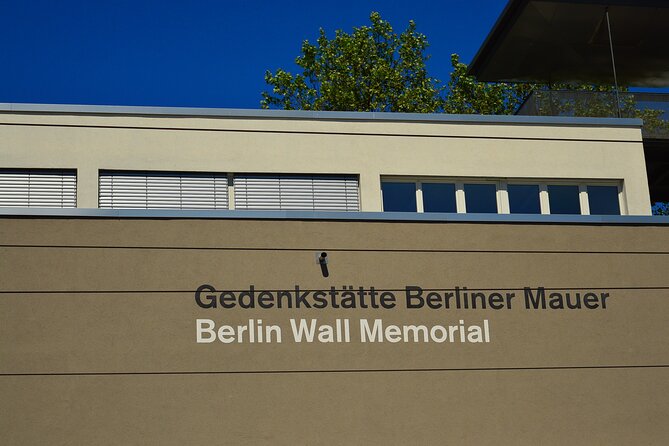
- Death Strip context with Wall remains, Berlin Wall Memorial area moments, and Former Stasi-linked stops
- Cold War spy systems explained: CIA, KGB, and Stasi surveillance techniques in plain language
- East Berlin showpieces at Alexanderplatz and Karl-Marx-Allee, not just a quick photo stop
- East Side Gallery as the long-arc turning point from barrier to street-level art
Cold War Berlin in 3 Hours: What You Actually Get
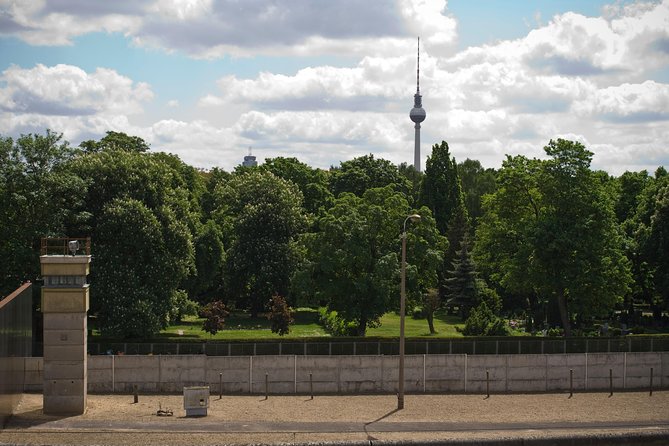
This is the kind of tour that helps your brain stop treating Cold War Berlin as one big poster. You get a guided walk that turns the story into locations, routines, and pressure points—places where people tried to leave, places where they were watched, and places where politics showed up on daily life.
The value is in the “why here” details. Instead of just naming the Wall, you learn how the division worked in practice: which powers were competing, what surveillance looked like, and how families experienced the separation long before reunification ever became real.
And because the group stays small (up to 22), you can ask questions without feeling like you’re shouting into a crowd. That matters on a topic this heavy.
You can also read our reviews of more museum experiences in Berlin


Starting at Friedrichstraße and the Ghost Train Shortcut
You meet at the Friedrichstraße area, right in the core of Berlin’s division story. Friedrichstraße Station is famous because it sat right where East and West contact happened—after the city was split, it also became a stage for control, paperwork, and decisions that could change lives.
From there, the tour includes an underground segment described as the ghost train route, an old connection line between East and West Berlin from the Cold War era. Even if you know Berlin, this part helps you picture the city as a system of borders and corridors, not just an outline on a map.
If you’re the type who likes “how did they do it” questions, you’ll probably enjoy how the guide frames this transition from open movement to managed passage. It’s also a good mental warm-up before the more emotional stops.
Tränenpalast (Palace of Tears): The Separation Museum That Lands
The Palace of Tears (Tränenpalast) is one of those places where you don’t need Hollywood drama to feel the sting. This was a former border crossing where East and West Berliners had to say tearful goodbyes as separation became the routine.
What I like is that it’s not just a sad signboard moment. The site is now a museum, and it focuses on the emotional and physical toll the Wall took—escape attempts, the hard reality of divided lives, and what reunification changed afterward.
Plan for a slower tone here. You don’t want to rush a stop built around loss and longing. If you’re traveling with kids, it can be a surprisingly useful way to explain why borders can cut families apart, even when adults call it politics.
Following the Death Strip: Wall Remains and Stasi Shadows
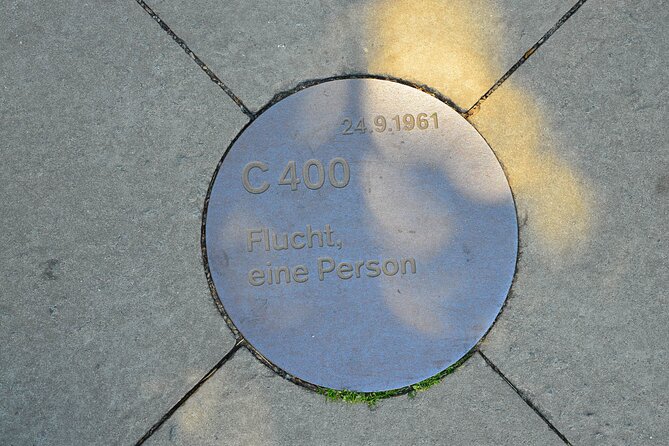
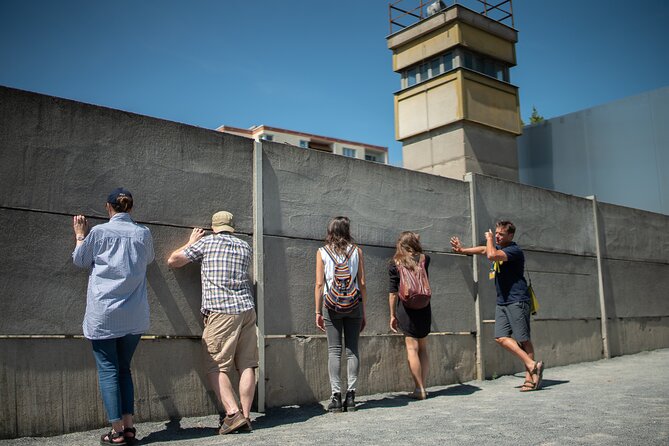
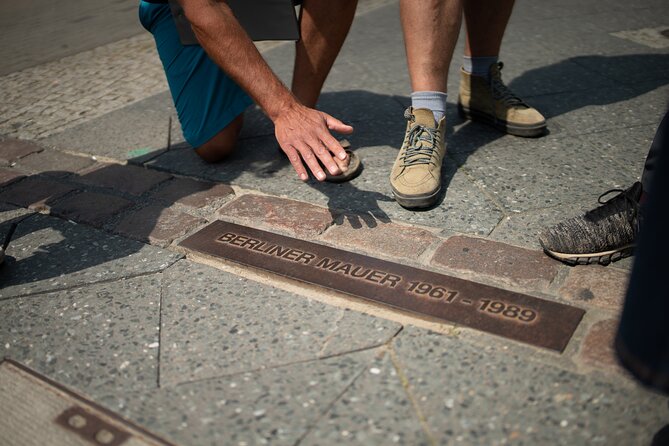
The heart of the experience is walking the trail of the Death Strip and seeing Wall-linked remains in key areas connected to memory and policing. The tour is designed to give you the sense of how dangerous that zone was—one of those details that makes the Wall feel less like a barrier and more like a threat system.
You’ll also hear about surveillance techniques tied to the CIA, KGB, and Stasi. This is where Berlin’s Cold War story gets practical: who watched whom, how information moved, and why governments treated everyday behavior like a security issue.
The tour also points you toward the Berlin Wall Memorial area and sites related to the Former Stasi (DDR secret police). Even without turning this into a spy thriller, the message comes through: the Cold War wasn’t only tanks and treaties. It was neighbors, records, and risk—especially in the GDR, which was described here as the most heavily policed Eastern Bloc state.
Brandenburg Gate and the Big Monument That Changed Meaning
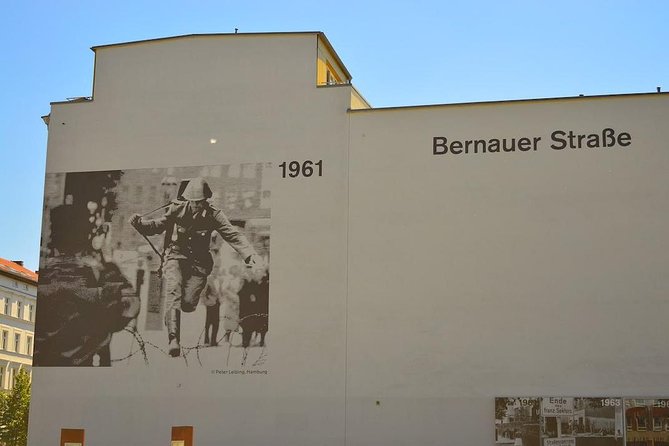
Yes, you’ll pass the Brandenburg Gate, and no, it’s not just for selfies. During the division years, it stood as a symbol of separation between Berlin and Germany. In the reunified story, it takes on a different role—national peace and unity—so the same landmark ends up carrying two meanings depending on when you stand there.
This stop works because the guide doesn’t treat it as a standalone photo moment. You connect the monument’s symbolism back to what the division meant for movement, identity, and national life.
If you only know Brandenburg Gate from the postcard version, you’ll come away with a sharper sense of how monuments can change faster than people do.

East Berlin’s Daily Life Setpieces: Alexanderplatz and Karl-Marx-Allee
Two stops do something smart: they show you how communist power was staged in public.
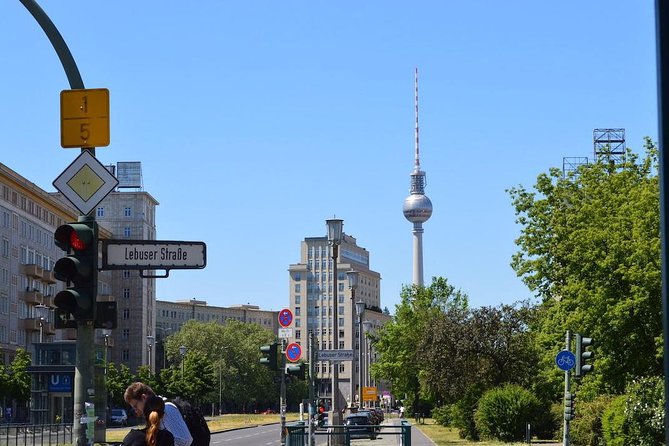
Alexanderplatz is framed as the beating heart of East Berlin—mass rallies, socialist symbolism, and the day-to-day reality of living under surveillance. Around this area, the Cold War isn’t explained as theory. It’s shown as architecture, signage, and crowd culture.
Then you move to Karl-Marx-Allee, described as East Germany’s showcase boulevard—grand Stalinist design intended to impress the world. The key idea the guide brings is the contrast: monumental ideology in public space, with ordinary life happening under a different set of rules.
One practical consideration: these areas can feel busy and open compared to more enclosed memorial sites. If you prefer quiet moments, bring your “headphones and focus” mindset. The tour guide’s job here is to keep the story grounded while you’re surrounded by modern city movement.
East Side Gallery: When the Wall Becomes Public Art
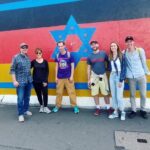
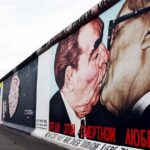
The tour finishes at the East Side Gallery at Mühlenstraße. This is the longest permanent graffiti wall in the world and also the largest remaining section of the Berlin Wall—now turned into open-air art.
The effect is immediate: you go from the Wall as control to the Wall as expression. Murals replace concrete oppression with messages of resistance, hope, and the fall of the divide.
I like ending here because it gives you a clean emotional arc. You can carry the sobering context from earlier stops, then see what people chose to write on the barrier when it was no longer untouchable.
It’s also a great practical choice: the endpoint is surrounded by transit options, so it’s easy to continue exploring without a complicated return plan.
Guides Matter: Why This Tour Gets Near-Perfect Scores
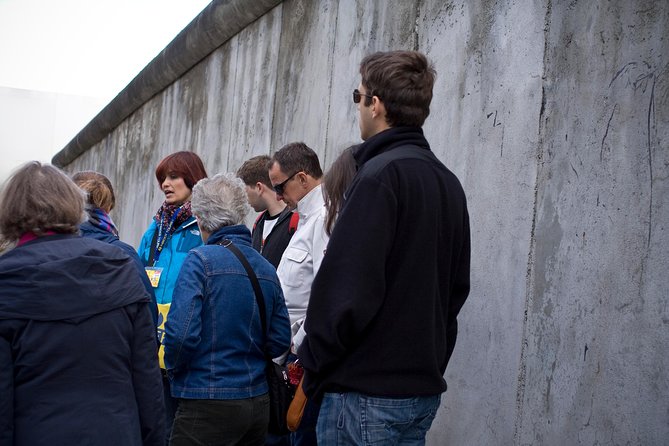
This tour’s ratings make sense when you look at what people consistently praise: the guides know how to explain complicated Cold War systems without turning it into a lecture.
Many past groups have highlighted guides like Klaus for encyclopedic Cold War context presented in an engaging way, and Maria for teaching the subject in a clear, straightforward manner. Others named Ariel for being engaging and story-focused about life and escape attempts, and Nickolai for entertaining, informative delivery plus personal, family-connected perspective on growing up under communist Germany.
You’ll also see praise for people like Tobi (a firsthand angle on growing up in East Berlin), Tina (passion and subject drive), Paul (bringing the time period to life), and Xavier (outstanding, enthusiastic delivery).
What’s especially valuable across names is responsiveness. People describe guides who take questions seriously and keep a moderate pace, which is key on a tour that mixes heavy topics with walking.
Price and Value: Is $18.04 a Deal?
At $18.04 per person, this tour is priced like a budget win—especially because the guide is included and you also get access to some stops without paying extra on-site.
But do the math the smart way. The tour requires a Berlin Transport daypass AB Zone, listed at €10 per person, and food and drinks are not included. Some locations on the route are noted as not included for admission.
So your realistic out-of-pocket can land closer to roughly the cost of that transit ticket plus the tour price, depending on what you already have for transport.
Still, this is usually worth it if you care about context. Cold War Berlin is easy to misunderstand if you only rely on signage and quick photos. Here, you’re paying for a trained local guide to connect places like Friedrichstraße, Tränenpalast, and Wall sites to the real mechanics of division—surveillance, propaganda, and attempts to escape.
Also, the tour being booked around a month in advance suggests demand is steady, which is often a sign of consistent quality (and it helps you plan).
Getting the Most From It: Simple Tips Before You Go
Bring comfortable shoes. The route is walking-focused, and the tour runs about three hours.
Be ready for a mix of tones. Expect emotional weight at the Palace of Tears and memorial areas, and then more civic energy at Alexanderplatz, Karl-Marx-Allee, and the East Side Gallery.
If you get cold easily, dress for it. Berlin weather can turn a city walk into a battle, and you’ll want your head clear for the story.
Finally, come with at least one curiosity: ask how surveillance worked day-to-day, or how the Cold War played out between the US/NATO side and the Soviet bloc. The tour is built for those questions.
Should You Book This Cold War Berlin Tour?
I think this is a strong choice if you want Cold War Berlin to feel real and organized in your mind. It’s short enough to fit into a busy schedule, but structured enough to cover major themes: border separation, the Death Strip, spy-era surveillance, and what daily life looked like behind the Wall.
Skip it only if you hate walking or want a purely sightseeing route with no emotional stops. This tour includes sites connected to loss, policing, and escape attempts, so the topic is not light.
If you want the Wall story with context and a guide who can handle questions, this is a solid booking.
FAQ
How long is the Cold War Berlin Wall tour?
It runs about 3 hours (approx.).
What’s included in the price, and what isn’t?
The tour includes a local expert guide. It does not include a Berlin Transport daypass AB Zone ticket (listed at €10 per person), food and drinks, or hotel pickup/drop-off.
Do I need a transit ticket to join?
Yes. A Zone AB transportation ticket is required, and you’ll need the daypass mentioned above.
Where do you start and where does it end?
The tour starts at the Friedrichstraße area (with a stated meet point also listed as Reichstagufer 17, 10117 Berlin), and it ends at the East Side Gallery (Mühlenstraße, 10243 Berlin).
What are the main stops or sites on the route?
Key sites include Friedrichstraße, the Palace of Tears (Tränenpalast), Wall and Death Strip-related areas with memorial context, Alexanderplatz, Karl-Marx-Allee, and the East Side Gallery.
Is there free cancellation?
Yes. You can cancel for a full refund up to 24 hours before the experience starts.