REVIEW · BERLIN
Berlin: Street Art and Alternative Tour
Book on GetYourGuide →Operated by Vive Berlin e.G · Bookable on GetYourGuide
Street art tells Berlin’s cold-war story. On this Berlin Street Art and Alternative Tour, you see how the city’s alternative culture grew out of politics and pressure, not just aesthetics.
I love two things most: the way the guide connects urban art to real Cold War events, and the small-group pace that makes it easy to stop, look closely, and ask questions. You also get the payoff stop at the East Side Gallery, where “wall” stops being a metaphor and becomes a lesson you can walk through.
The main consideration is logistics: you’ll need an AB 24-hour public transport ticket for the day, and the meeting point can vary depending on your booked option. It’s a minor hassle, but it matters if you’re trying to keep your day tight.
In This Review
- Key highlights worth planning for
- Wall-Era Berlin: Why the Streets Became a Canvas
- Kreuzberg on Foot: The Alternative Quarter You’ll Actually Walk
- Friedrichshain and Mitte: Big Murals, Small Stories
- East Side Gallery: When a Wall Piece Becomes Real History
- Your Guide: Italian or French Storytelling That Makes You Look Closer
- 3 Hours, Small Group Pace: What to Wear and How to Move
- Price and Value: Getting Context for $31 (Plus the Transport Ticket)
- Who This Tour Is Best For (and Who Should Skip It)
- Should You Book This Berlin Street Art Tour?
- FAQ
- How long is the Berlin Street Art and Alternative Tour?
- Is this a private tour or small-group experience?
- What languages do the guides speak?
- Do I need a public transport ticket?
- What should I bring?
- Where is the meeting point?
- Can I cancel and get a full refund?
- Can I reserve now and pay later?
- Who runs the tour?
Key highlights worth planning for
- Street art with political context instead of a photo-only route
- Kreuzberg’s alternative quarter on foot, at an easy walking pace
- East Side Gallery as a major historical anchor
- French- or Italian-speaking live guides (great for questions)
- Berlin’s wall-era to today story, including post-1989 shifts and gentrification
- Big murals and tiny hidden pieces in courtyards and corners
Wall-Era Berlin: Why the Streets Became a Canvas
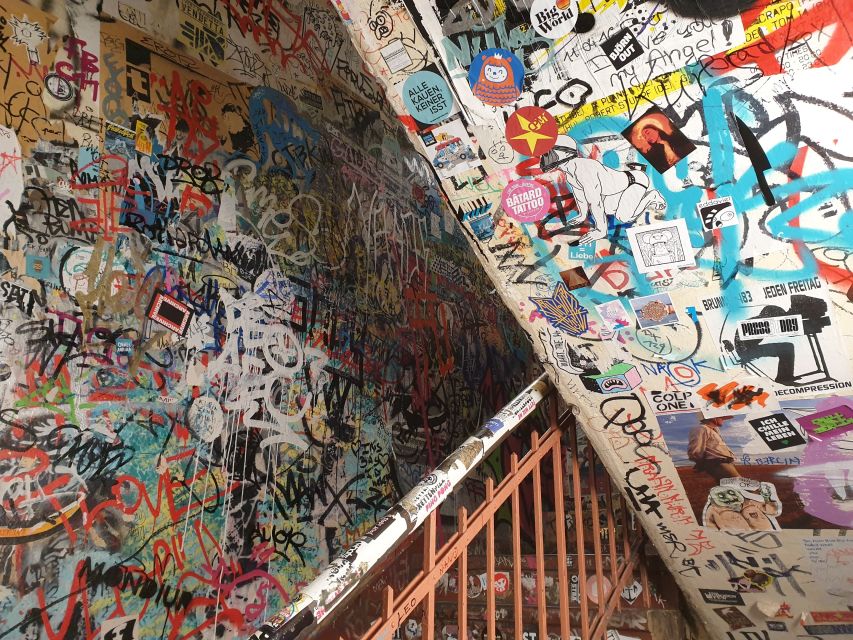
Berlin’s street art makes a lot more sense when you understand its political backstory. This tour frames the city as a border zone—east meets west—and shows how that pressure shaped what people painted, where they painted, and why painting became a form of speech.
You’ll hear how the fall of the Wall in 1989 didn’t end history. It shifted it. The route tracks changes through the economic and social waves after 1989, then brings you to the present, including the constant argument over who gets space to live, work, and create—what today looks like gentrification.
What makes this connection valuable for you is simple: it stops street art from feeling like random decoration. You start reading walls the way locals read posters—like something someone meant, in a moment someone cared about.
A few more Berlin tours and experiences worth a look

Kreuzberg on Foot: The Alternative Quarter You’ll Actually Walk
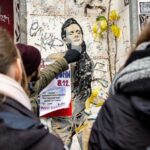
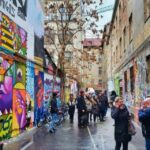
Kreuzberg is one of the best places to understand Berlin’s “alternative” reputation, and this tour uses it as a core thread. You’ll spend time walking through that neighborhood’s street life and art scenes, with your guide tying what you see to the city’s shifting identity over decades.
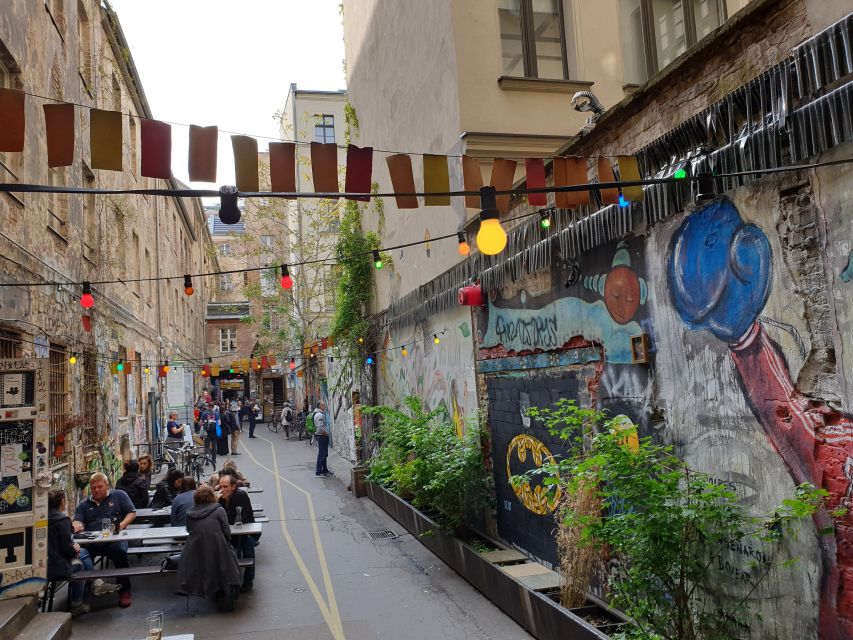
Here’s what to expect: large works rising between buildings, plus smaller pieces tucked into corners. Berlin is great at hiding art in plain sight, and Kreuzberg is where that becomes part of the game—pay attention to doorways, side alleys, and the edges of streets where people tend to look less.
A bonus from the reviews that matches the spirit of the tour: guides like Antonella and Iacopo (Italian-speaking) are praised for passion and involvement, making the neighborhood feel like a living story rather than a list of sites. That matters because street art often has layers—political, personal, and artistic—and a good guide helps you sort the layers fast.
Friedrichshain and Mitte: Big Murals, Small Stories
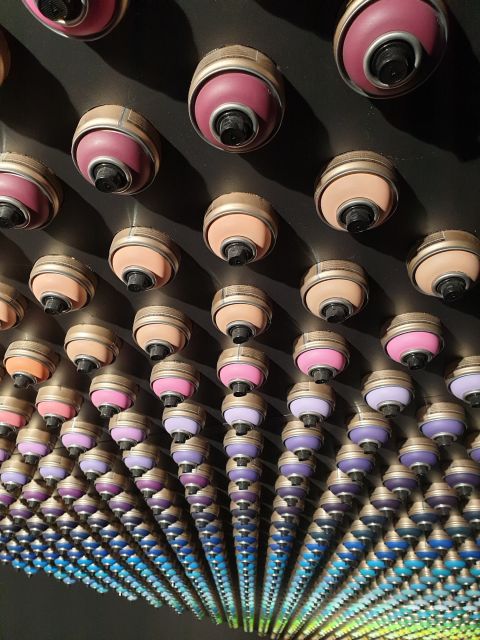
The tour doesn’t treat Berlin street art as one style. It treats it as a system of communication across neighborhoods—especially where east/west tensions still show up in the urban fabric.
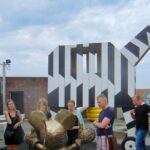
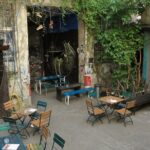
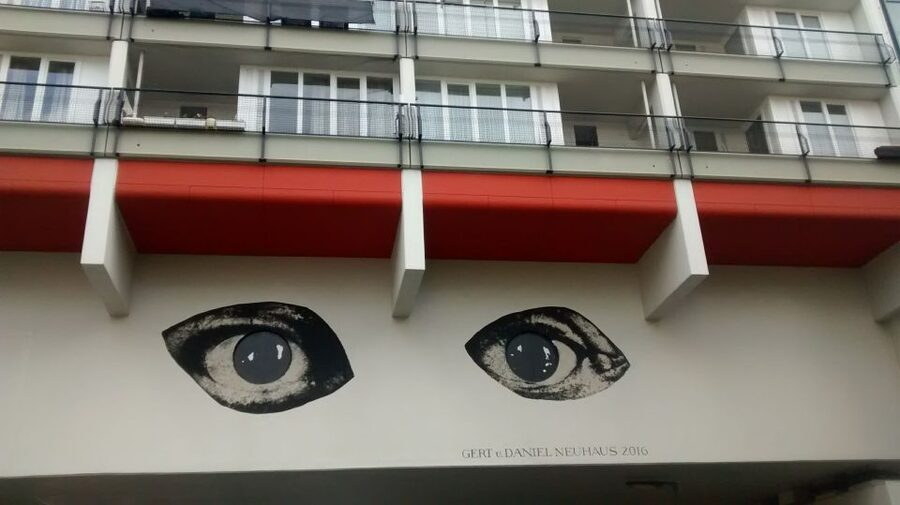
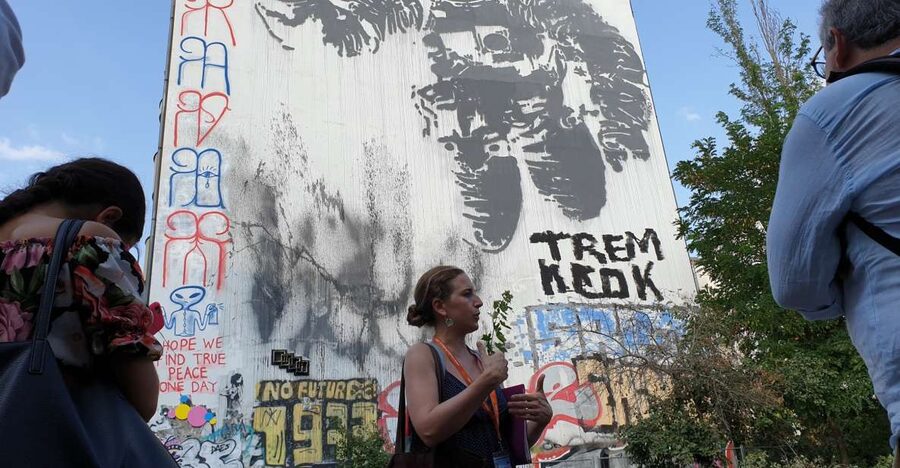
Between Friedrichshain and Mitte, you’ll get a mix of scale. Think gigantic works that grow between buildings, and also smaller “wedged-in” art you’d miss if you were walking like a tourist with your head up and your camera ready. The tour encourages you to slow down enough to see how artists use courtyards and nooks—spaces that feel private, but become public when the right artist claims them.
This section is where you’ll likely feel the tour’s real usefulness. If you come to Berlin hoping to understand the city beyond the obvious landmarks, it’s these in-between places—courtyards, corners, street-level surprises—that teach you how Berlin thinks.
East Side Gallery: When a Wall Piece Becomes Real History
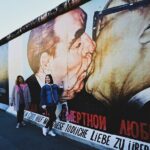
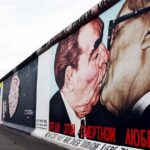
The East Side Gallery is a highlight for a reason: it’s famous, but it’s also specific. You’re not just seeing art; you’re seeing art placed in the path of history, which changes how you look at every painted image.
On this tour, the East Side Gallery works like a historical anchor. You connect what you saw earlier—street art as politics and expression—to a place where the wall itself was the message. In other words, you’re watching the city talk to itself across time.
One practical thing to keep in mind: because it’s a major stop, you should expect to spend real time looking. The best value comes when you don’t rush past the pieces like they’re just scenic backdrops. Let the guide’s explanations give you the context, then take your own time to spot what changes from one section to the next.
Your Guide: Italian or French Storytelling That Makes You Look Closer
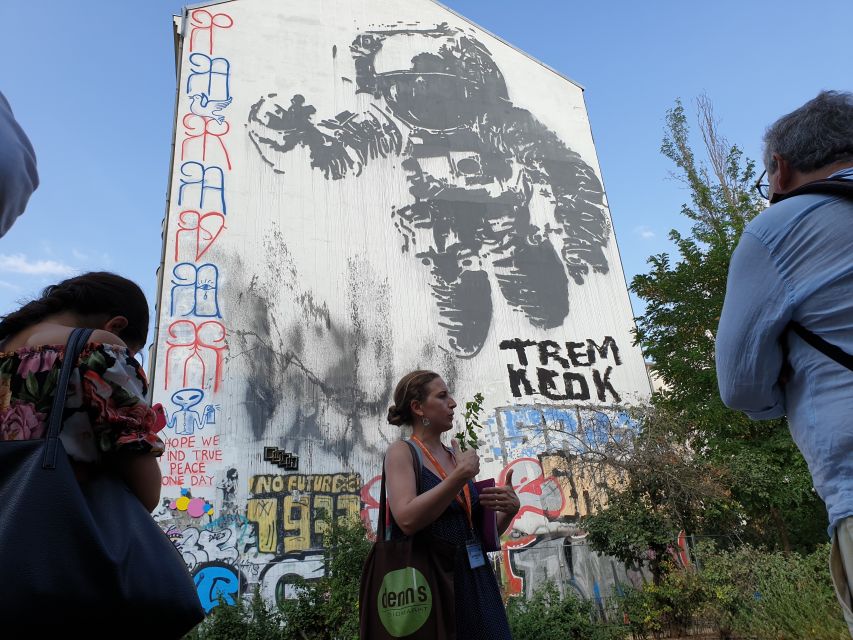
This tour is led by a live guide who speaks French or Italian, and that language choice has a real effect on your experience. When you can ask questions in a language you understand—or at least follow closely—you don’t have to settle for vague impressions.
The reviews give you a sense of the guide style: Martin is mentioned for sharing an accessible historical lens and communicating clear love for Berlin. Marie is praised for joy, answering questions, and adding up-to-date anecdotes that make the neighborhood feel current rather than frozen in time. And in a different review, Antonella and Iacopo are noted for guiding guests through the city’s history with energy and involvement.
You don’t need to memorize everything they say. You just need enough to connect the art to the why. A good guide turns street art from a visual trend into a set of understandable ideas.
3 Hours, Small Group Pace: What to Wear and How to Move
The tour lasts about 3 hours, and it’s a walking tour with a small group. That combination is what makes the experience work. You get time for context without getting trapped in a marathon, and you get enough stops that you can notice the details that bigger bus-style tours miss.
Your biggest “gear” requirement is simple: comfortable shoes. Berlin streets can be uneven, and the route involves looking up and around, not just moving forward. If you’re planning this alongside other activities, give yourself a little recovery time after, because you’ll probably walk more than you expect once you slow down for the art.
Also, this is the kind of tour where curiosity is part of the fun. Bring questions. Ask why a piece exists in a specific place, or what changed as Berlin moved from Wall-era division to post-1989 reality and today’s debates about space.
Price and Value: Getting Context for $31 (Plus the Transport Ticket)
At $31 per person for a 3-hour small-group guided walk, the value is tied to one thing: interpretation. Street art tours can be cheap if they’re basically guided sightseeing. This one tries to do better by linking what you see to the city’s Cold War story, the post-Wall transition, and today’s reshaping of neighborhoods.
What’s not included is a 24-hour AB public transport ticket for the day. So your real budget should include that added cost. Still, paying for a guide who helps you read the art is usually worth it in Berlin, because the meaning is often hard to spot on your own unless you already know the history.
If you’re the type of traveler who likes photos but also wants understanding, this price feels fair. You’re buying time with someone who can explain the “why” behind the paint, and that’s what turns a wall into a conversation.
Who This Tour Is Best For (and Who Should Skip It)
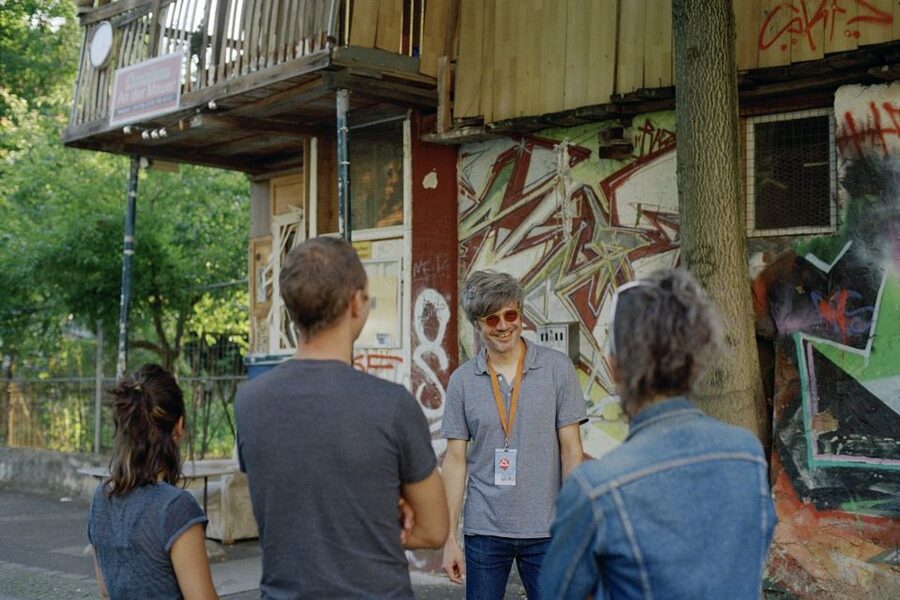
This tour is a great fit if you want Berlin’s alternative side without feeling lost. You’ll enjoy it most if you:
- like street art but want the political/social backstory
- enjoy walking neighborhoods like Kreuzberg rather than only famous monuments
- want a short (3-hour) experience that still covers a big arc: Cold War to post-1989 to now
- prefer a guide you can talk with in French or Italian
If you only want the most iconic landmarks with minimal walking, you might feel this is too “neighborhood-first.” But if you want Berlin to make sense as a living city—where art and politics overlap—this is one of the better ways to get there fast.
Should You Book This Berlin Street Art Tour?
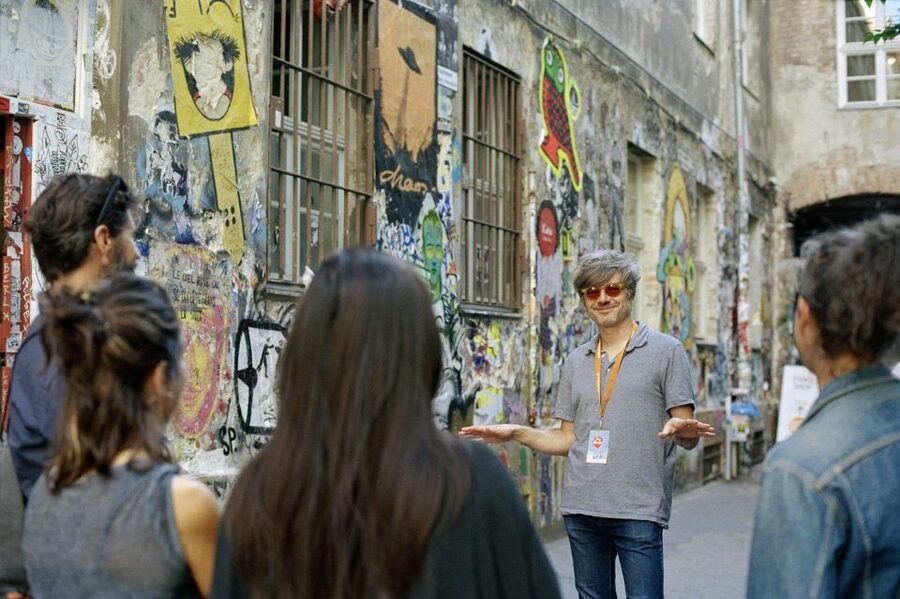
I’d book it if your goal is understanding, not just photos. The tour’s core strength is the way it connects murals and small pieces to the city’s historical pressures and modern changes, including gentrification. And the small-group setup means you’re not stuck watching someone else interpret the walls—you can actually participate.
Book it especially if you’re curious about why Berlin became a magnet for alternative culture after the Wall fell. You’ll leave with more than images. You’ll have a framework for seeing street art as communication—an ongoing record of who argued, who hoped, and who refused to be quiet.
If the AB 24-hour ticket is a hassle in your plan, factor that cost in early. Also, double-check your meeting point details since it can vary by option booked.
FAQ
How long is the Berlin Street Art and Alternative Tour?
The tour lasts 3 hours.
Is this a private tour or small-group experience?
It’s a walking tour with a small group.
What languages do the guides speak?
The live tour guide speaks French or Italian.
Do I need a public transport ticket?
Yes. You need to purchase a 24-hour AB ticket for public transport to take the tour.
What should I bring?
Wear comfortable shoes.
Where is the meeting point?
The meeting point may vary depending on the option you book.
Can I cancel and get a full refund?
You can cancel up to 24 hours in advance for a full refund.
Can I reserve now and pay later?
Yes. The offer includes reserve now and pay later, so you can book your spot and pay nothing today.
Who runs the tour?
The experience provider is Vive Berlin e.G.