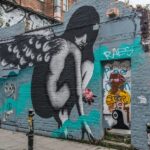
REVIEW · LONDON
The Original London Street Art Tour
Book on Viator →Operated by Alternative London · Bookable on Viator
Street art here reads like a newspaper. This 2-hour walk in East London is built for people who want real context—not just pictures—because an artist guide leads the route and explains what you’re seeing.
I especially like that you don’t have to navigate. The guide does the turns, the pacing, and the pointing, so you can focus on the art and the neighborhood around it.
I also like the rhythm: frequent stops for photos on foot. You get time to step closer, look at details, and get the story behind pieces in places most people would walk past.
One thing to consider: the group can be up to 18 people. That’s still a manageable size for a walking tour, but if you prefer a smaller chatty group, it might feel a tad busy at times.
In This Review
- Key highlights worth planning for
- Street art in East London that makes sense fast
- Price and time: a smart two-hour hit at $27.73
- Where you meet (and why being on time matters)
- Walking pace and fitness: easier than it sounds
- Stop 1: Old Spitalfields Market and Brushfield Street warm-up
- Stop 2: Brick Lane—where style differences feel obvious
- Stop 3: Shoreditch High Street Station for angles and anecdotes
- What you’ll learn: more than graffiti—technique, message, and context
- Photo breaks on foot: easy sightseeing without parking stress
- Group size and guide energy: small enough to feel personal
- Who should book this tour (and who might not)
- Should you book The Original London Street Art Tour?
- FAQ
- How long is the London Street Art Tour?
- Where does the tour start and end?
- What does it cost?
- Is it suitable for children?
- Does the tour run in bad weather?
- What language is the tour offered in?
- Is there a group size limit?
- What’s the cancellation window?
Key highlights worth planning for
- Artist-led route so you’re not hunting for the art yourself
- Frequent photo stops built into a 2-hour pace
- East London focus on Spitalfields, Brick Lane, and Shoreditch
- Meaning over just visuals, including technique and message
- Small-group cap of 18 for a more personal walk
- Guides include working street artists such as Eva, Gabby, Laura, Josh, and Natalie
Street art in East London that makes sense fast
If you’ve ever looked at a street wall and thought, I like it, but what does it mean?—this tour is for you. East London has street art everywhere, but it’s easy to miss the layers: styles, tools, locations chosen on purpose, and the social mood behind the work.
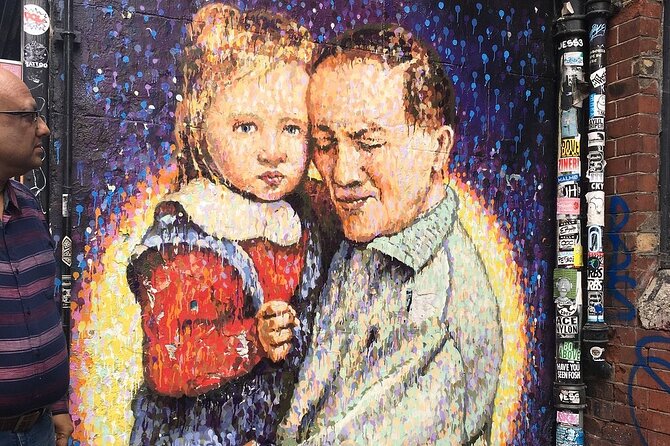
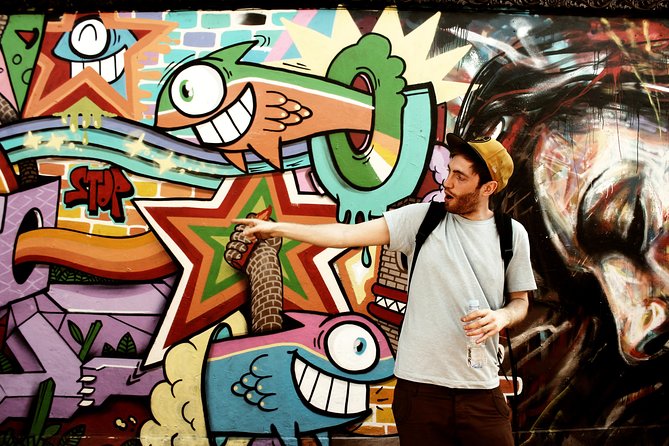
What makes this walk work is the guide’s job description. You’re not being sent off with a map and a vague suggestion to look harder. You’re walking with a person who reads the street like a gallery guide—pointing out work you’d likely step by without noticing, then explaining why it’s there and how different artists leave different fingerprints on the same kind of surface.
And because it’s a walking tour, you get the setting, too. The art isn’t floating in a vacuum. You’re seeing it in the actual streets where people live, shop, commute, and talk. That’s where the stories start to click.
A few more London tours and experiences worth a look



Price and time: a smart two-hour hit at $27.73
At $27.73 per person for about 2 hours, this isn’t a big-ticket experience. It’s also long enough to matter. A street art tour that’s only 45 minutes can feel like a speed-run. Two hours gives you enough time to see patterns—how styles repeat, how themes show up, and how the neighborhood shapes what gets painted (or pasted, or tagged).
For value, I think about three things:
- You’re buying interpretation. The “what is this?” part is where the money goes—and where this tour delivers.
- You’re buying route efficiency. You don’t lose time circling blocks trying to find the right wall.
- You’re buying time to look. The frequent photo stops mean you actually see details, not just pass by them.
If you’re on a tight schedule, this is a solid choice. If you’re already obsessed with street art and want studio-level history, you might still enjoy it—but you may want to pair it with other art stops afterward for deeper context.
Where you meet (and why being on time matters)
The tour starts at I Goat, Brushfield St, London E1 6AA. It ends at 19 Hessel St, London E1 2LR. You’ll also get a mobile ticket, plus confirmation at booking.
This matters for two reasons.
First, this is a street-walk. The art doesn’t wait. If you show up late, the group may have already moved on—especially since routes can shift to catch the best pieces and angles. Second, the start point is specific. Use the provided Google Maps link and the location guidance you receive, rather than trusting memory.
Practical tip: if you’re new to London, plan to arrive early, stand near the meeting marker, and double-check the street name spelling. It sounds basic, but it’s the difference between starting the tour relaxed versus stressed.
Walking pace and fitness: easier than it sounds
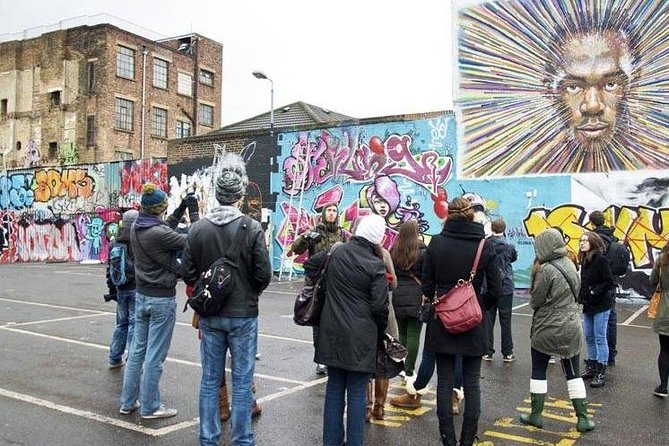
The tour is listed for people with moderate physical fitness. That usually means you should expect real walking time and standing while you look at walls up close. It’s not described as an off-the-charts endurance event, but it is still a city walk.
Also, it operates in all weather conditions. That’s great for consistency, but you’ll want a jacket you can move in and shoes that handle wet sidewalks. If it’s windy or rainy, plan to keep your phone accessible for photos but protected enough that you won’t spend half the tour fiddling with gear.
Stop 1: Old Spitalfields Market and Brushfield Street warm-up
The tour kicks off around Brushfield Street, starting at Old Spitalfields Market area. This first segment is about getting your eyes trained.
You’ll see street art examples down the road and learn the basics of how to read the medium. Early on, guides often help you sort out what you’re looking at—different styles, how a piece fits into its spot, and what to pay attention to as you keep walking.
What I like about starting here is the mix of visibility and texture. Spitalfields has a long-running market vibe, so the streets feel like a living part of the city, not a theme park. You’re also close enough to key East London arteries that the next part of the walk feels natural, not like a sudden jump across town.
Potential drawback? Because this is a “warm-up,” the art might feel less shocking than what you’ll see later around Brick Lane. If you’re hoping for big headline pieces right away, keep an open mind—your eyes will calibrate fast.



Stop 2: Brick Lane—where style differences feel obvious
Then you move into Brick Lane and the surrounding streets for about 30 minutes. This is the heart of the tour for most people, and it’s easy to see why: the density of street art here lets your guide point out how artists differ.
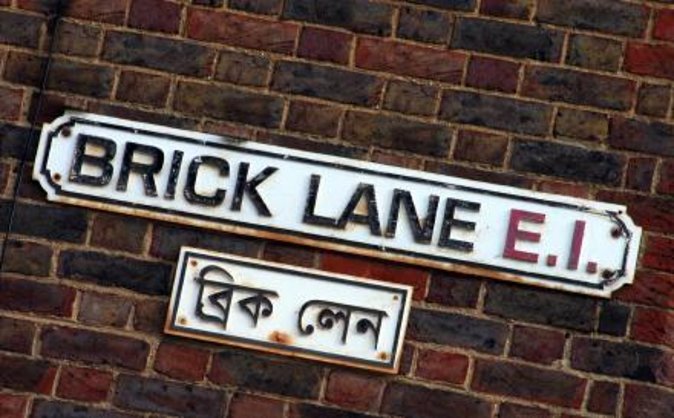
This is where you start learning categories in a way that actually sticks. You might hear about techniques like slap and paste (sticker or paste-based methods), tagging, and the way artists create recognizable signatures. You’ll also get the human side: the neighborhood history around this area and how street art reflects social mood, pushback, and identity.
One thing I found helpful as a concept is how the guide treats graffiti as a language instead of just a mess on a wall. With the right explanation, you start noticing intent: scale, placement, repetition, and even the way pieces talk to each other across surfaces.
If you’re sensitive to political messaging, know that street art here can carry strong themes. That’s part of the point. You’ll leave with a better sense of why people create—and why the art can land like a statement.
Stop 3: Shoreditch High Street Station for angles and anecdotes
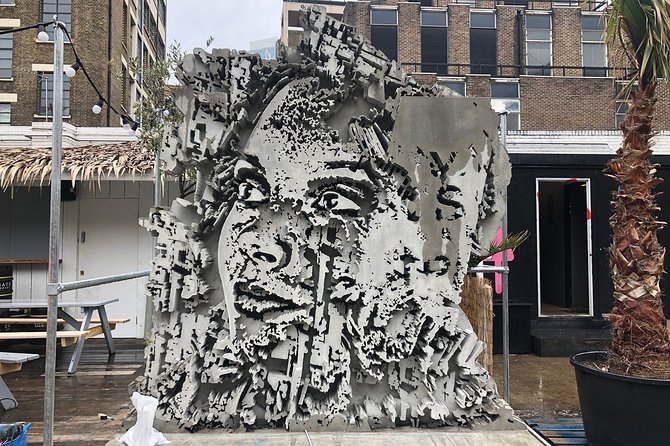
The walk ends at Shoreditch High Street Station (Stop F) for about 20 minutes. This stop is great because it’s where you notice street art like a photographer: from different angles, in different light, in spots where you might only glance while walking to a train.
The guide points out more examples and shares anecdotes about the history and culture of the medium. Station-area street art often feels like it belongs to transit life—something you’d catch on the way somewhere else—so you’re learning how street art integrates into everyday routes.
Why this matters: it trains your street perception. After a tour like this, you’ll start spotting pieces in the margins—under bridges, on side streets, behind storefront edges—where your eyes used to skim.
A small consideration: this part can include busier foot traffic because of the station. The guide’s job is to keep you moving at a pace that still allows looking, but if you hate crowds, plan your timing carefully around rush hours.
What you’ll learn: more than graffiti—technique, message, and context
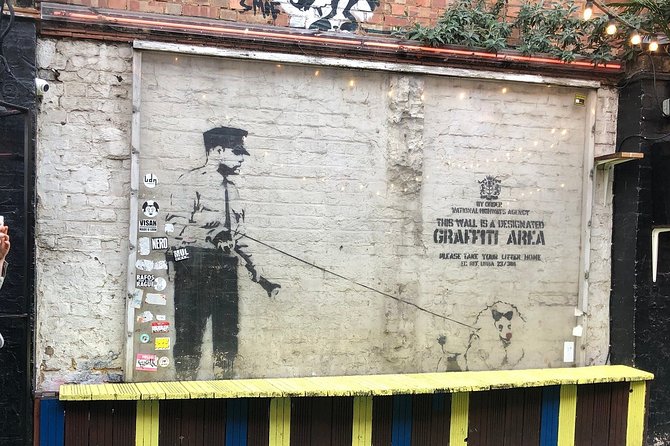
The most praised part of this tour is how much meaning you walk away with. Across different guides—Eva, Gabby, Laura, Josh, and Natalie—the style stays consistent: art first, explanation second, then a story you can repeat.
Here’s the kind of learning you can realistically expect:
- Nuances between artists: guides help you see that two pieces can look similar but come from different approaches.
- Techniques and formats: you’ll hear about tagging and other street art methods such as slap and paste.
- History tied to place: you get context for why East London has such a strong street art identity.
- Cultural and political undertones: you’ll often come away understanding the anti-establishment or subversive messages that street art can carry.
And the tone matters. Guides who are also artists tend to explain like they’ve practiced the thinking: not just facts, but how to look. That’s why this tour works for first-timers and people who already know a bit.
Photo breaks on foot: easy sightseeing without parking stress
A big advantage of a walking tour with a guide is that you’re not stuck with logistics like finding parking, driving between far-flung spots, or stopping every time someone needs directions.
Here, you simply keep walking and your guide builds in frequent stops so you can snap photos. You’re not asking the group to pause; you’re using the planned moments to do what street art sightseeing actually requires—getting close, stepping back, and checking details.
If you’re serious about photos, bring a phone camera setting you’re comfortable with. Street art often sits on textured surfaces, and lighting can bounce off brick and metal. You’ll capture more if you’re ready to take a few shots as soon as your guide points you to a good angle.
Group size and guide energy: small enough to feel personal
The tour caps at 18 travelers, which helps. It’s big enough that you won’t feel awkward as a solo traveler, but small enough that guides can keep moving without herding chaos.
In practice, what you’ll get is more conversation than a big coach group. Guides often manage pacing well because they’re leading a walk with lots of “look here” moments. Some guides are described as funny and engaging, others as warm and energetic, but the through-line is enthusiasm and a true sense of artistic attention.
If you’re bringing teenagers or you’ve got a mix of ages, this can work nicely because street art is visual, local, and easy to relate to—even if you don’t agree with every piece. You’ll likely leave with opinions, not just photos.
Who should book this tour (and who might not)
I’d steer you toward this tour if you want:
- an East London introduction that focuses on meaning
- a route that’s hard to replicate on your own
- a walk you can enjoy even if you’re new to street art
- stories about techniques like tagging and slap and paste
- a more neighborhood-centered alternative to the big-ticket tourist stops
I’d think twice if:
- you hate walking and standing for short bursts
- you strongly prefer only curated art (this is street art, which can include rough edges)
- you get thrown off by small groups and prefer one-on-one tours
For most people, it’s a great “make the streets explain themselves” experience.
Should you book The Original London Street Art Tour?
Yes—if you want street art to feel understandable. The price is reasonable, the time fits into a busy London schedule, and the guide-driven format solves the biggest problem with street art sightseeing: you can’t always tell what matters or why it’s there just by looking.
Book it when you’re willing to be curious. You don’t need to love graffiti already. What you need is the mindset to stop, look longer than usual, and accept that street art often carries opinions.
If you do book, here’s my practical advice: show up early at I Goat on Brushfield St, keep your phone handy in case you need clarification, and wear shoes you’ll enjoy standing in. Then you’ll get the best version of this tour—the one where you leave with a new way to read the city’s walls.
FAQ
How long is the London Street Art Tour?
It runs for about 2 hours.
Where does the tour start and end?
The tour starts at I Goat, Brushfield St, London E1 6AA and ends at 19 Hessel St, London E1 2LR.
What does it cost?
The price is $27.73 per person.
Is it suitable for children?
Children must be accompanied by an adult.
Does the tour run in bad weather?
Yes. It operates in all weather conditions, so dress appropriately.
What language is the tour offered in?
The tour is offered in English.
Is there a group size limit?
Yes, the maximum group size is 18 travelers.
What’s the cancellation window?
You can cancel for a full refund up to 24 hours in advance.