REVIEW · KRAKOW
Krakow: Jewish Quarter and Ghetto Sightseeing Golf Cart Tour
Book on GetYourGuide →Operated by EXCURSIONS CITY EUROPE · Bookable on GetYourGuide
Two neighborhoods, one uncomfortable history. This heated electric golf cart ride stitches together Kazimierz and Podgórze with onboard audio commentary, so you get the big picture without parking yourself in long lines or big crowds. I like that the cart feels built for real comfort in chilly weather, and I also like the way the audio ties Jewish daily life to what came next in WWII. One consideration: it’s not a stroller-friendly tour, and the rules say it’s not suitable for children under 10.
What makes it work is the pacing and the format. You’ll glide past synagogues and historic cemeteries while the audio narrates what you’re seeing, and guides like Olivia and Jacob can add extra human context in their own English explanations. Still, this isn’t a full live-guide walking tour, so if you want lots of spontaneous Q&A or deeply interactive history, you may find audio-only sections feel a bit one-way.
In This Review
- Key Points That Make This Tour Worth It
- Two Districts, One Quiet Electric Ride
- Kazimierz Jewish Quarter: Streets That Explain Centuries
- Christian Kazimierz and Coexistence You Can Still See
- Crossing the Vistula to Podgórze, the WWII Reality
- Ghetto Wall Fragments, Ghetto Heroes Square, and Under the Eagle Pharmacy
- Audio Guide Format: Helpful Narration With Some Limits
- Price and Value: What $34 Buys You in Krakow
- Where You Start and How to Keep It Smooth
- Who Should Book This (and Who Might Skip It)
- Should You Book This Krakow Jewish Quarter and Ghetto Golf Cart Tour?
- FAQ
- How long is the Krakow Jewish Quarter and Ghetto sightseeing golf cart tour?
- How much does the tour cost?
- Is an audio guide included?
- Is there a live guide?
- What’s included in the ticket price?
- Are entrance tickets included?
- Where do I meet the tour?
- What do I need to bring or wear?
- Is the tour wheelchair accessible?
- (And yes: flash photos?)
Key Points That Make This Tour Worth It
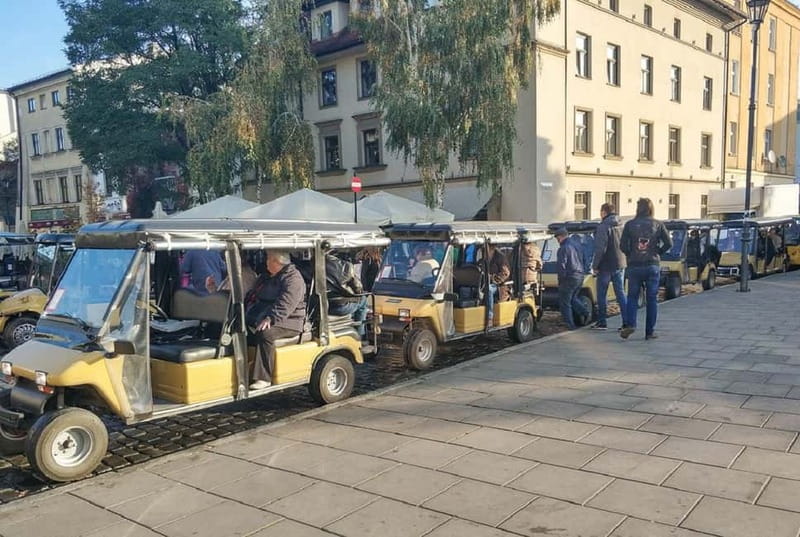
- Heated eco-friendly cart: warmth plus low-stress city touring.
- Onboard audio in many languages: from English to Hebrew and dozens more.
- 20+ notable stops in 90 minutes: you cover Kazimierz and Podgórze without marathon walking.
- Former ghetto locations on the route: you see the area tied to the WWII ghetto.
- Specific memorial touchpoints: including Ghetto Heroes Square and a symbolic chair installation.
- A practical, respectful way to learn: especially if you’re juggling time in Krakow.
Two Districts, One Quiet Electric Ride
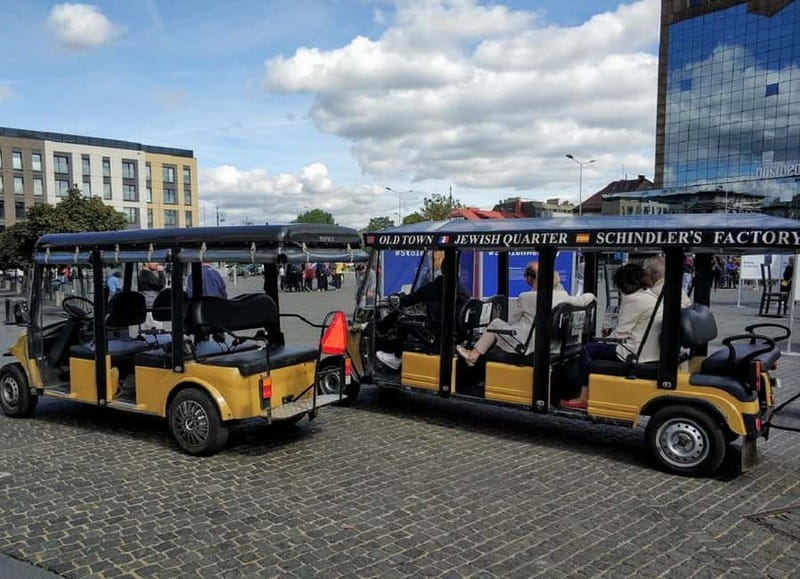
Krakow can feel like two different cities stitched together: the old streets of Jewish Kraków, and the wartime geography of what was destroyed and survived. This tour puts both sides on one loop, with a ride that’s calm instead of sweaty and exhausting.
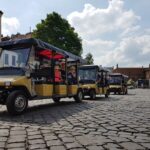
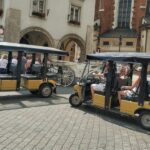
The cart is electric and heated, which matters more than you’d think. You’re spending a lot of time looking at street-level details—doorways, street angles, wall fragments, square layouts. When you’re not freezing, you actually pay attention.
The pacing is the other big win. With 90 minutes, you get a serious overview of Kazimierz and Podgórze without burning half a day. It’s also a smart choice when you want historical context but still plan to explore the rest of Krakow after.
You can also read our reviews of more tours and experiences in Krakow.

Kazimierz Jewish Quarter: Streets That Explain Centuries
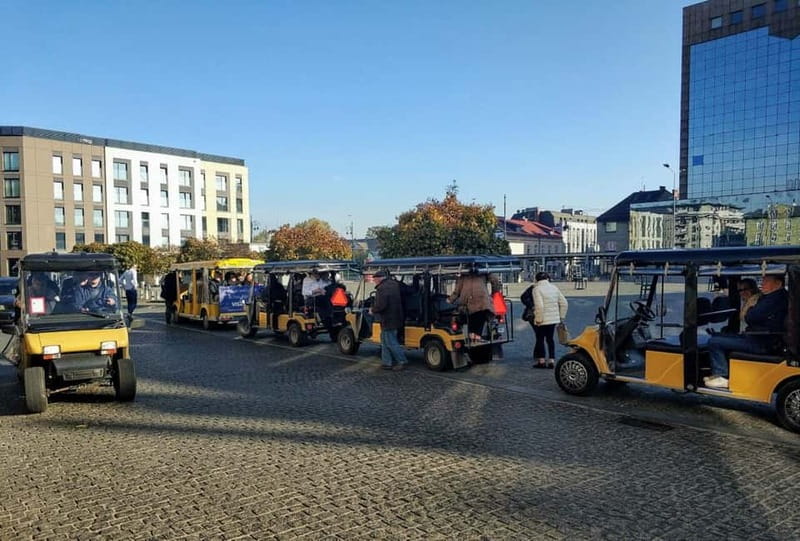
Kazimierz is where the story begins. This is the area that served as a center of Jewish religious, social, and cultural life for centuries, and the route is set up so you don’t just pass by—it’s meant to explain.
On the cart, the audio guides you through what shaped daily life: places tied to religious practice (including synagogues you’ll pass), the rhythm of neighborhood streets, and the kinds of residential areas that helped form community. You’ll also get context for traditions, not just dates. That’s important because WWII history hits hard, and you need the “before” to understand what was lost.
One practical plus: you’re not constantly stopping to read plaques. Instead, you move at a steady pace while the audio connects the dots between what you see and what it meant.
Christian Kazimierz and Coexistence You Can Still See
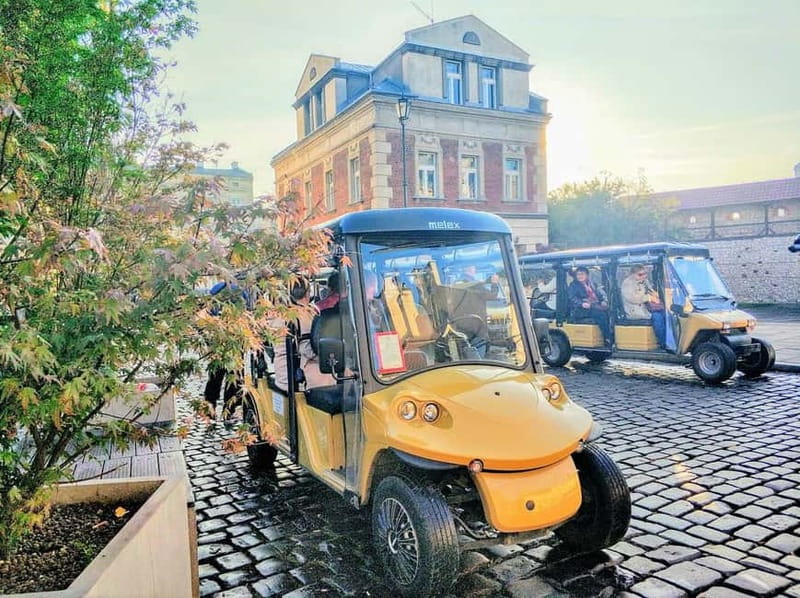
Kazimierz didn’t exist in a vacuum. The tour crosses into what’s often described as Christian Kazimierz, an area shaped by centuries of coexistence. Today, it’s known for cafés and galleries, and that present-day feel is part of why this works.
Here’s the key idea: you’re seeing how neighborhoods evolve without pretending everything stayed the same. The audio helps you understand that “history” isn’t only museums and monuments—it’s also street form, local businesses, and how people share space over time.
A small caution, though: this portion can feel lighter in mood because the neighborhood vibe is more normal. Keep your focus on the narration, since the emotional weight ramps up as you move toward Podgórze.
Crossing the Vistula to Podgórze, the WWII Reality
When the tour moves into Podgórze, the tone changes. You cross the Vistula River to the site of the former Nazi German ghetto, and the audio shifts from long-term community life to persecution and survival.
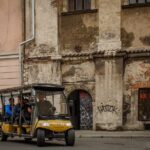
This section is built around specific reminders of what happened. You’re not asked to memorize a textbook. Instead, you’re guided to locations that let the geography do the talking: the square layouts, the way fragments of the ghetto wall remain, and the key symbolic spots that mark memory.
If you’re the type who learns best through place, this part will land. Seeing where things occurred gives the story a physical shape that reading alone often can’t.
Ghetto Wall Fragments, Ghetto Heroes Square, and Under the Eagle Pharmacy
This tour doesn’t just say the ghetto existed—it points you toward places tied to remembrance. You’ll pass preserved fragments of the ghetto wall, which is one of the strongest “you are here” signals you can get in the city.
Then comes Ghetto Heroes Square, including a symbolic chair memorial. It’s a small thing compared to the scale of the tragedy, but memorials like this are designed to make memory personal, not abstract.
Another standout stop area is Under the Eagle Pharmacy. The audio frames it as a powerful reminder of persecution and survival. Even if you don’t go inside for any specific exhibit, you’ll understand why the building matters and what role that kind of place had during wartime.
One more practical note: these parts can feel heavy. The tour is well-paced, but you’ll still want to take your time with the photos—and to let the narration sit with you for a minute or two.

Audio Guide Format: Helpful Narration With Some Limits
The tour uses onboard audio in the language you select at booking, and it’s available in a very wide range of options. You’re also protected from the usual walking-tour problem: losing the plot because you’re trying to follow a guide while also navigating crowds.
Still, audio has its own quirks. You’re more of an observer than a participant, so if you like to ask questions, you may feel the difference. The cart ride helps, though. You’re not juggling maps, and you can keep your attention on the route.
Also, you’ll want to listen for transitions. The story shifts from centuries of life in Kazimierz to the wartime reality in Podgórze, and the audio is designed to make that shift clear rather than random.
If you’re lucky with your guide add-ons, you’ll feel that extra layer. Guides such as Olivia or Jacob can contribute additional explanation in English alongside the audio, and that human reinforcement helps the details click.
Price and Value: What $34 Buys You in Krakow
At about $34 per person for a 90-minute tour, you’re paying for two things: access to a guided route through key historic areas and the convenience of a heated cart. In Krakow, time is money, and history is spread out. This tour compresses a lot of meaningful ground without requiring you to do huge distances on foot.
You also get practical value in the form of onboard narration. Instead of relying on your own reading while you walk (which often turns into a rushed photo session), you get explanations tied to what you’re passing.
Two things aren’t included: entrance tickets and any live guide. So think of this as a route-and-context tour. If you want to go inside sites for tickets, you can still plan that separately—but this is best for understanding the neighborhood story first.
Where You Start and How to Keep It Smooth
You meet at Parking Kiss&Ride, 2 Mikołaja Zyblikiewicza Street, in front of the Zabka store. Look for a golf cart labeled excursions.city.
Arrive early. The tour asks you to be there about 10 minutes before it starts. If the group leaves and you’re late, you can’t hop on afterward, and tickets are non-refundable in that scenario. So I’d treat arrival like catching a train: early beats stressed.
Bring comfortable shoes anyway. Even though you’re on a cart, you’ll still be stepping around stops. Also bring water and a camera if you want photos. The note about a head covering or kippah is included, so if that matters to you, plan ahead.
Two rules to remember: no smoking, and flash photography isn’t allowed. It’s a small list, but following it keeps the mood respectful.
Who Should Book This (and Who Might Skip It)
This tour is a strong match if you:
- want a comfortable, low-walk way to see two major districts in one go
- prefer learning through audio narration rather than reading your way through everything
- care about understanding the “before” in Kazimierz so the “after” in Podgórze makes emotional and historical sense
It’s less ideal if you:
- have young children, since it’s listed as not suitable for kids under 10
- need a fully compatible setup for mobility needs, because the info includes both “wheelchair accessible” and a note that it’s not suitable for wheelchair users
That last one is important. Because the details conflict, I’d double-check with the operator directly if wheelchair use is involved. Don’t guess—ask.
Should You Book This Krakow Jewish Quarter and Ghetto Golf Cart Tour?
I’d book this if you want a respectful, efficient way to understand Krakow’s Jewish heritage and the WWII ghetto geography without spending hours walking. The heated electric cart makes it practical, and the onboard audio keeps you oriented while you pass a long list of meaningful sites.
Skip it only if you need a live, discussion-heavy guide experience or you know you strongly prefer tours that include site entrances and ticketed museum stops. For a first pass, though, this is a smart way to get the story straight fast—then build your own plan afterward with whatever you want to see more closely.
FAQ
How long is the Krakow Jewish Quarter and Ghetto sightseeing golf cart tour?
The tour lasts 90 minutes.
How much does the tour cost?
The price is $34 per person.
Is an audio guide included?
Yes. The tour includes an onboard audio guide in the language you choose at booking.
Is there a live guide?
The tour includes an audio guide, and it does not list a live guide as included. A professional, experienced driver is included.
What’s included in the ticket price?
Included items are the golf cart tour of Kazimierz Jewish Quarter and Podgórze, the audio guide in your selected language, the heated vehicle, and an experienced driver.
Are entrance tickets included?
No. Entrance tickets are not included.
Where do I meet the tour?
Meet at Parking Kiss&Ride, 2 Mikołaja Zyblikiewicza street, in front of the Zabka store. Look for a golf cart labeled excursions.city.
What do I need to bring or wear?
Bring comfortable shoes, a head covering or kippah, a camera, and water.
Is the tour wheelchair accessible?
The activity info says wheelchair accessible, but it also lists that it is not suitable for wheelchair users. If wheelchair use is a factor, you should confirm directly with the operator before booking.
(And yes: flash photos?)
You can take photos with your camera, but flash photography is not allowed. Smoking is also not allowed.