REVIEW · KRAKOW
Cracow: Jewish Quarter and Ghetto Sightseeing Golf Cart Tour
Book on GetYourGuide →Operated by MyRide · Bookable on GetYourGuide
A few streets, many stories. On this Krakow Jewish Quarter and ghetto golf cart ride, you can cover a lot of ground fast while learning how Kazimierz shaped life between Jewish and Christian communities. I love the way the electric cart helps you see 20+ monuments without turning your day into a long slog on foot, and I also like that you’ll spot public art like paintings and sculptures while the audio guide explains what matters. The main drawback: it’s a group experience with an audio guide rather than a live guide, so you won’t be able to ask follow-up questions in real time.
You’ll start in Kazimierz, ride through picturesque streets, then move toward WWII-era traces in the former ghetto area. The vehicles are heated, and the audio guide is available in many languages, which makes it practical for mixed groups. One more thing to plan for: food isn’t listed as included, even though there’s time connected to a lunch moment, so keep some money set aside for Polish food if you want to eat.
In This Review
- Key highlights before you go
- Krakow’s Kazimierz on an Electric Golf Cart: the fast way to see 20+ monuments
- From Kazimierz streets to ghetto remnants: what each major stop teaches
- Art and daily-life details you’ll notice along the way
- Ghetto Heroes Square, the wall fragment, and Pod Orłem pharmacy
- How the multilingual heated audio guide works for a group tour
- Lunch for traditional Polish food: what’s included and what you’ll pay
- Who this tour fits best (and who might prefer a different style)
- Should you book this Krakow golf cart tour?
- FAQ
- What is the duration of the Cracow Jewish Quarter and Ghetto sightseeing golf cart tour?
- How much does the tour cost?
- What’s included in the tour price?
- Where do I meet the tour?
- Is lunch included?
- Are large bags allowed on the golf cart?
Key highlights before you go
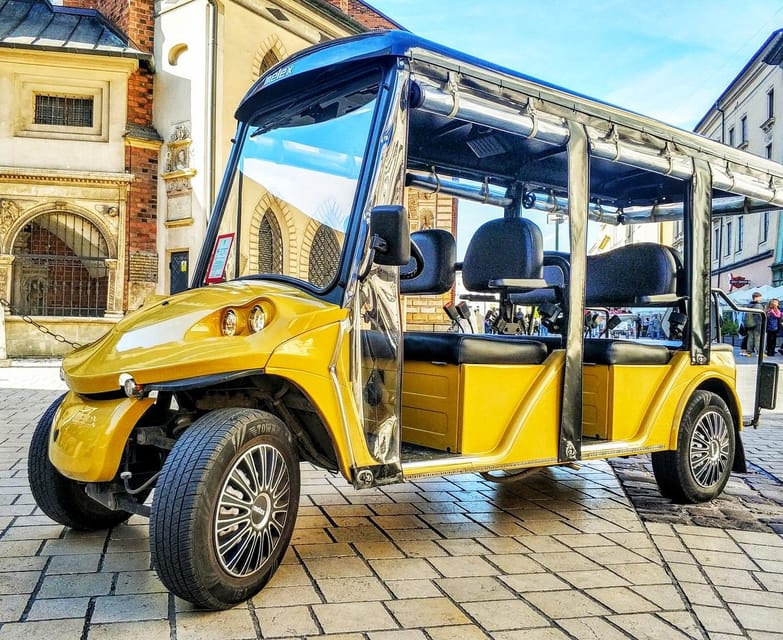
- Eco-friendly electric golf cart means less walking and smoother pacing
- Kazimierz’s coexistence story where Christian and Jewish cultures intertwined
- Over 20 monuments packed into a 90-minute circuit
- Ghetto traces you can still recognize like a wall fragment and displaced-homes area
- Historic Pod Orłem pharmacy as a landmark tied to the wartime story
- Lunch time for traditional Polish cuisine, but you’ll still pay for food and drink
Krakow’s Kazimierz on an Electric Golf Cart: the fast way to see 20+ monuments
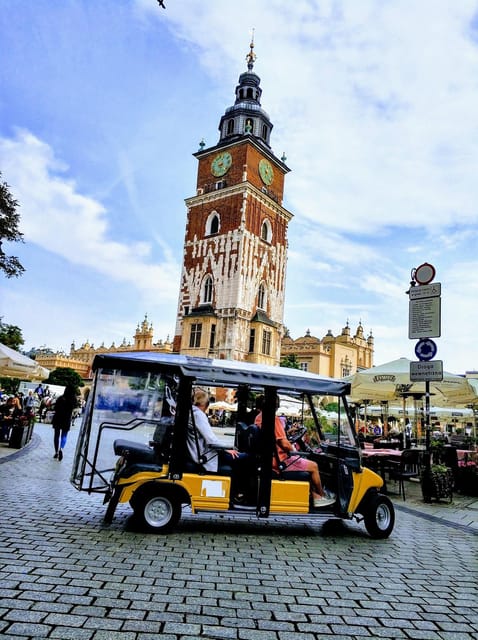
Kazimierz is the oldest district of Krakow, and it once stood as its own separate city. That matters, because the neighborhood doesn’t just feel like a stop on a tour. It has layers: architecture, street rhythm, and a sense that different communities lived close enough to share everyday space.
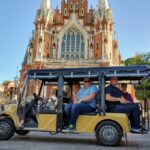
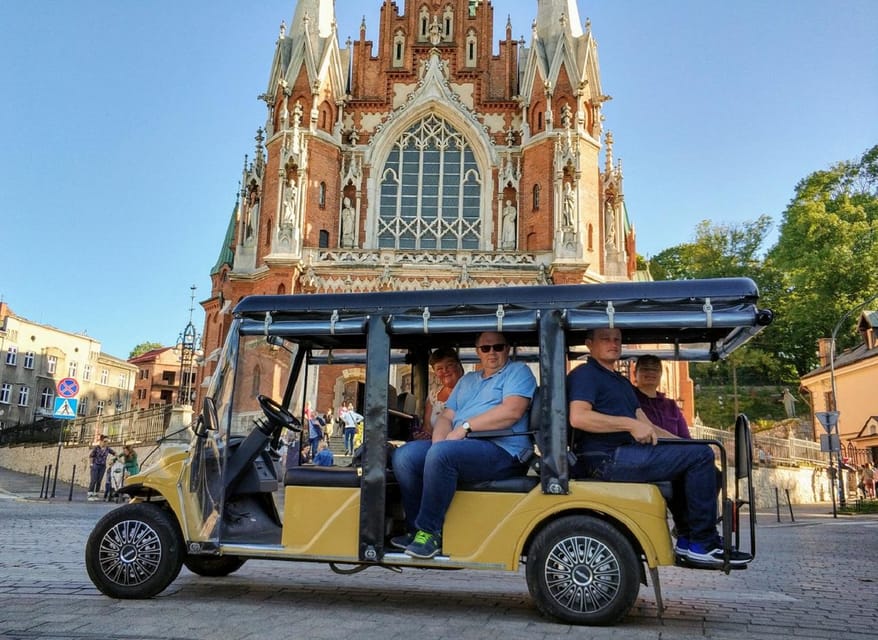
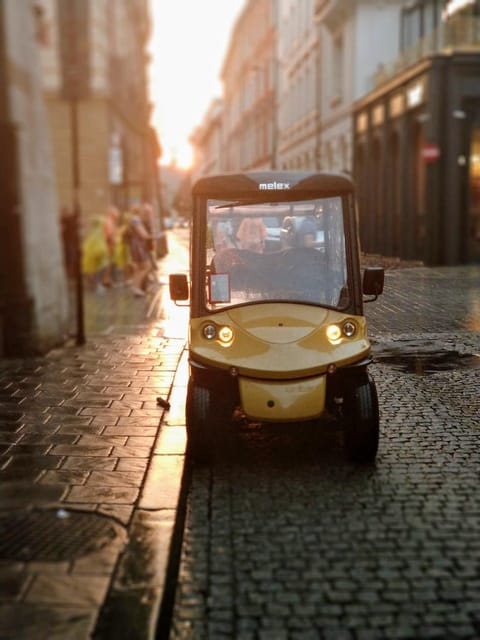
On a golf cart, you get to keep that “feel” while covering more points than you would with a slower walking route. The big value here is pacing. In 90 minutes, you’ll move through key areas and see plenty of sights without burning your energy before the rest of your Krakow day. The carts are also heated, which is a quiet bonus if you’re visiting in cooler months or if Krakow is doing its typical shoulder-season weather switch.
You’ll ride along the picturesque streets of Kazimierz, and the audio guide nudges you to look beyond the postcard view. Think: what the street scene suggests about daily life, and why certain places became important to the community. It’s also a solid choice if you’re trying to balance sightseeing with a respectful focus, because the format encourages steady, controlled movement rather than rushed stop-and-go walking.
You can also read our reviews of more tours and experiences in Krakow.

From Kazimierz streets to ghetto remnants: what each major stop teaches
This tour follows a clear emotional arc: first Kazimierz, then the former Jewish ghetto area. You start by learning the neighborhood’s context—how Christian and Jewish culture intertwined there, and how Kazimierz functioned as a meaningful part of Krakow’s wider story.
As you ride, you’ll learn about the inhabitants of the district and see more than 20 monuments along the way. That’s a lot of “information per minute,” and it works best when you approach it like a guided orientation. Don’t try to memorize everything. Instead, let each stop act like a label you can connect later when you visit other sites on your own.
Then you head into the former ghetto area, where the focus shifts from neighborhood life to the wartime reality. You’ll see traces of what happened, including:
- a fragment of the ghetto wall,
- houses where displaced Jews lived,
- and the memorial area at Ghetto Heroes Square.
The practical advantage is that you get these WWII-era references within one organized ride. The caution: because it’s an audio-guided group tour, you’ll want to stay attentive and not let the novelty of the cart distract you from the seriousness of the sites.
Art and daily-life details you’ll notice along the way
One thing I like about this kind of cart tour is that it’s built for noticing things you might miss while walking quickly. The highlights specifically mention seeing works of art, including paintings and sculptures. That doesn’t mean you’ll get a museum deep-dive, but it does mean the route isn’t just bare streets and monuments. You’ll have reminders that this neighborhood produced culture as well as community.
In Kazimierz, small artistic details can also help you understand tone. Public art often reflects what a place wants to remember or celebrate, and in this district, that’s especially important. The audio guide ties these visual elements to the broader story, so when you spot paintings or sculptural forms, you’re not just seeing décor—you’re seeing another way the area communicates identity.
Here’s a tip that makes this part land better: when you pass an art-related stop, pause for a second and take a photo from a steady spot. Don’t snap while the cart is still moving fast. You’ll get a clearer image, and you’ll give yourself a moment to actually connect the visual with the explanation.
Ghetto Heroes Square, the wall fragment, and Pod Orłem pharmacy
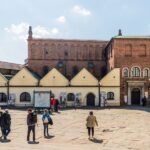
The most sobering part of the tour is also the most historically grounded. You’ll view a fragment of the ghetto wall, which is the kind of physical remnant that makes the past feel concrete. You’ll also see houses where displaced Jews lived—an uncomfortable but essential reminder that the ghetto wasn’t just a concept, it was a lived place.
Then there’s Ghetto Heroes Square, where you’ll find the monument there. Memorial spaces like this are designed to slow you down, even if you’re on a moving tour. Try to treat this segment like a short pause in your day, not a photo-op. If you keep your phone tucked away for a moment and let the audio guide do its job, the meaning hits harder.
A standout landmark on this route is the historic pharmacy Pod Orłem. Because it’s a specific local site, it helps break the story into something you can point to on the map. Instead of only thinking about the ghetto as a single block of time, you also remember that life and services still existed in complex ways until they were violently interrupted.
If you want to use the tour for maximum value, take note of these three reference points—the wall fragment, the monument at Ghetto Heroes Square, and Pod Orłem—so later you can read about them or revisit them with clearer context.
How the multilingual heated audio guide works for a group tour
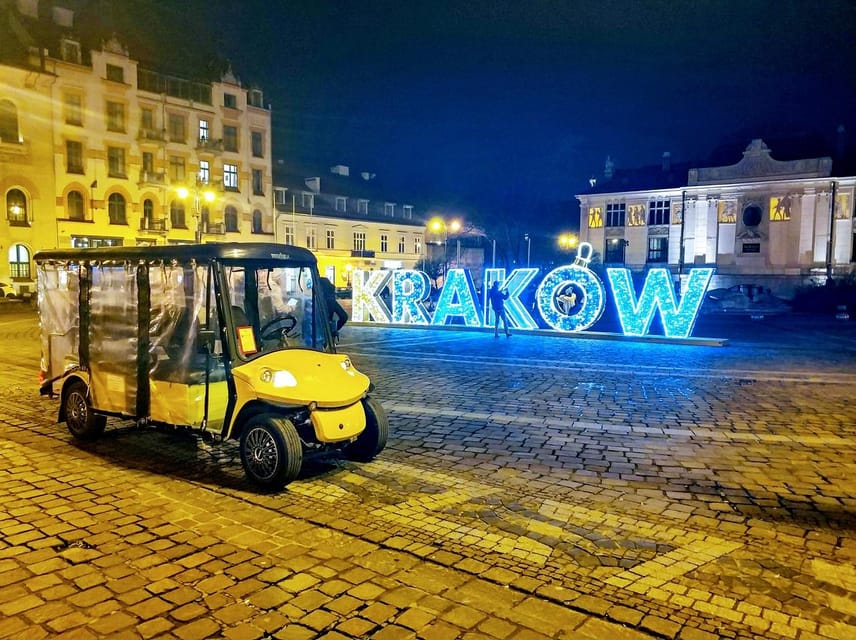
This isn’t a live-guided walking lecture. It uses an audio guide, and the vehicles are heated and equipped for it. That setup is a big reason this tour is able to cover so much quickly: you’re listening while moving, rather than stopping for every explanation.
Good news: the language options are extensive. The audio guide includes languages such as English, Polish, German, French, Spanish, Hebrew, Ukrainian, Turkish, Italian, Swedish, and more. If you’re traveling with someone who prefers a different language, you’ll likely find a match from the available list.
Because it’s a group tour, you’ll also want to be realistic about your pace. You won’t be the only person reacting to each stop. So do yourself a favor: keep your mindset simple. Your job is to follow the story and notice the key places the guide mentions—then later you can zoom in on the parts you care about most.
Also remember the rule that the tour starts at the specified time. Being late can break your rhythm, and since the audio is tied to the route, arriving late may mean missing some context early.

Lunch for traditional Polish food: what’s included and what you’ll pay
The highlights mention a lunch moment for traditional Polish cuisine. That’s appealing, because it means the tour isn’t only about walking from landmark to landmark; it gives you a reasonable human break during a longer history-focused experience.
But food and drink are not listed as included. So interpret it like this: there’s time connected to lunch, and you can choose what to eat (or how you want to keep your energy up). Plan to bring spending money for meals and drinks if you want that traditional Polish taste during the lunch stop.
If you’re the type who likes to eat local but doesn’t want to overthink it, this part of the tour is still useful. You’ll get a natural point in the day to refuel, and you can stick with something simple rather than hunting for food right after the ghetto area.
One more practical note: you should travel light. Large bags aren’t allowed, so if you’re carrying a daypack, keep it manageable for a cart-based group experience.
Who this tour fits best (and who might prefer a different style)
I think this works especially well for:
- first-timers in Krakow who want a guided orientation to Kazimierz and the WWII-era sites,
- people who want to see a lot in 90 minutes without long stretches of walking,
- and travelers who prefer learning through structured commentary rather than asking a live guide questions.
It may be less ideal if you:
- want deep Q&A or a slow, discussion-heavy approach,
- need a private, completely flexible schedule,
- or are traveling with lots of luggage (since large bags aren’t allowed).
It’s also a good option for mixed groups because the audio guide supports many languages, and the carts are heated. For families: children 0–6 can ride for free on a parent’s lap, which can help keep costs down for younger kids.
Should you book this Krakow golf cart tour?
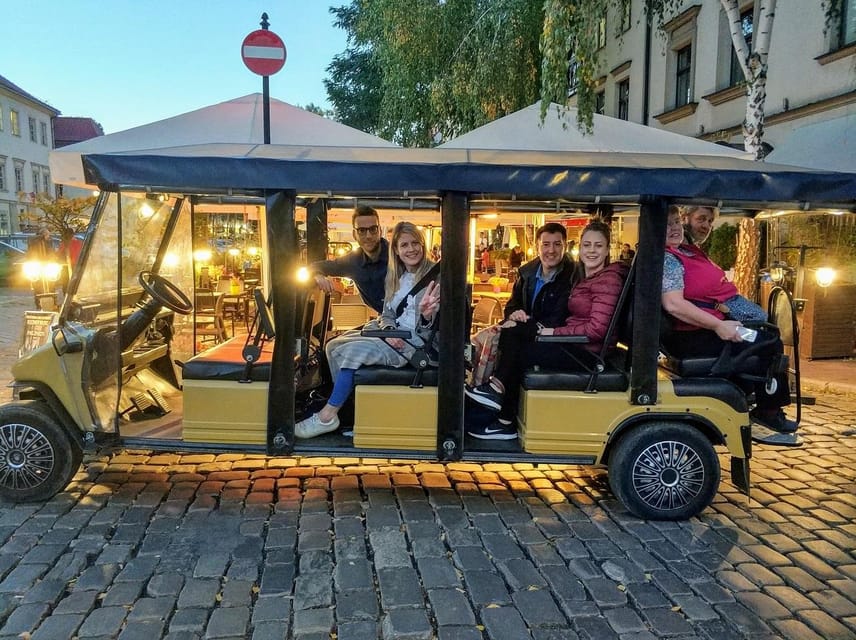
Book it if you want a practical, respectful way to connect Kazimierz with the former ghetto area, using an eco-friendly electric cart and a multilingual audio guide in just 90 minutes. It’s good value if you like seeing many monuments without exhausting your feet, and you’ll especially appreciate the focus on recognizable traces like the ghetto wall fragment, Ghetto Heroes Square, and Pod Orłem pharmacy.
Hold off if you’re the kind of traveler who needs a live guide to answer questions on the spot or you prefer a slower, more conversational format. Also, if you strongly care about lunch being fully included, you’ll want to plan for your own food and drink since they’re not listed as included.
In short: if your goal is smart coverage, clear context, and a smooth ride through one of Krakow’s most important areas, this is a solid choice.
FAQ
What is the duration of the Cracow Jewish Quarter and Ghetto sightseeing golf cart tour?
The tour lasts 90 minutes.
How much does the tour cost?
It costs $34 per person.
What’s included in the tour price?
Transport by golf cart and a multilingual audio guide are included.
Where do I meet the tour?
Meet at Parking Kiss&Ride (2 Mikołaja Zyblikiewicza street) in front of the Zabka store. Look for a golf cart labeled excursions.city.
Is lunch included?
Food and drink are not included. The experience includes time connected to a lunch moment for traditional Polish cuisine, but you should expect to pay for what you eat and drink.
Are large bags allowed on the golf cart?
No. Luggage or large bags are not allowed.