REVIEW · KAKADU
Kakadu National Park Wildlife & Ubirr Rock Art Tour from Darwin
Book on Viator →Operated by Wildlife Tours Australia · Bookable on Viator
Kakadu in one long day can hit hard. This tour pairs 20,000-year Ubirr rock art with crocodile country at Cahills Crossing, and you move through World Heritage Kakadu with a guide who keeps the whole route making sense. I also like that you get built-in viewing time, not just drive-by photos.
My other big win is how the day is set up for real wildlife and real culture stops. You’ll spend time at the wetlands like Fogg Dam, then get story-led context at places such as Bowali Visitors Centre, before heading to the main rock art viewpoints at Ubirr.
The main thing to consider is that it’s a long day with a long drive from Darwin, and there’s some walking on uneven ground at Ubirr. If you’re sensitive to tight seating, plan to keep your bag light because comfort on the mini-coach can feel a bit snug.
In This Review
- Key things that make this Kakadu day trip worth your time
- Darwin to Kakadu: the long ride with a purpose
- Timing, comfort, and what to expect from the mini-coach
- Fogg Dam Conservation Reserve: birds first, big scenery second
- The optional Jumping Crocodile Cruise on the Adelaide River
- Corroboree Park Tavern and lunch strategy: bring money, not stress
- Kakadu welcome photo stop and Jabiru: quick grounding points
- Inside Kakadu National Park: guided time that doesn’t feel random
- Cahills Crossing: saltwater crocs from the viewing platform
- Ubirr Rock Art: the climb, the views, and the main story
- What to pack for a 12-hour day in the Top End
- Price and value: what you’re really paying for at $168.55
- Who should book this Kakadu from Darwin tour
- Should you book this Kakadu National Park tour?
- FAQ
- What time does the tour depart Darwin?
- Where do I meet in Darwin?
- How long is the tour?
- Is Kakadu National Park entry included in the price?
- Is the Jumping Crocodile Cruise included?
- Where do you stop for crocodiles?
- Does the tour include Ubirr Rock Art time?
- Is lunch provided?
- What should I wear or bring?
- Is it suitable for young children?
Key things that make this Kakadu day trip worth your time
- Ubirr rock art plus a climb: you get time on the rock formations and a semi-climb to viewpoints with big scenery angles.
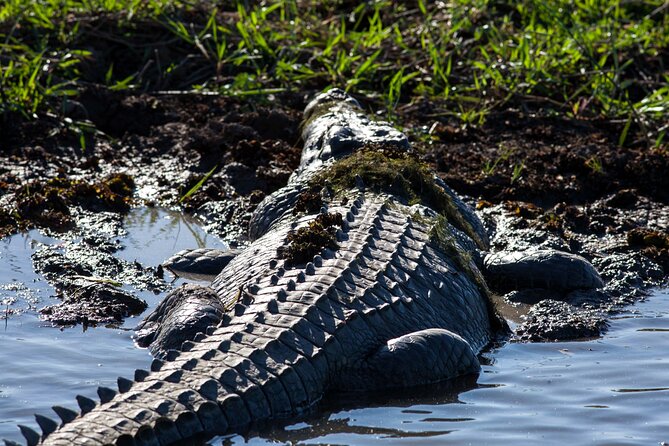
- Cahills Crossing crocodile spotting: you’re set at a proper viewing platform for saltwater crocodiles.
- Wetlands time at Fogg Dam: a good early stop for birdlife and that Top End wetland feeling.
- Optional Jumping Crocodile Cruise: you can swap in the cruise (or bird-focused time) depending on what you pick.
- Small-group feel (up to 21): helps pacing and keeps the day from feeling like cattle-herding.
- Guides who tell the story well: names like Rick, Tim, Boggi/Bogdan, Aaron/Arran, Dani, Darryl, and Alex come up again and again for being engaging and practical.
Darwin to Kakadu: the long ride with a purpose
This is a true day trip, which means you’re leaving Darwin early and getting back around 19:30. The upside of that schedule is you’re not waiting around for a multi-day itinerary—you’re stacking the best-known highlights into one guided route.
You’ll be in an air-conditioned mini-coach with selected pickup and drop-off within Darwin City, and the tour runs on a mobile ticket. For many people, the biggest “value moment” here is simply getting transport solved: the Stuart Hwy run and then the Kakadu circuit can be a pain if you’re driving yourself with limited time.
Timing, comfort, and what to expect from the mini-coach
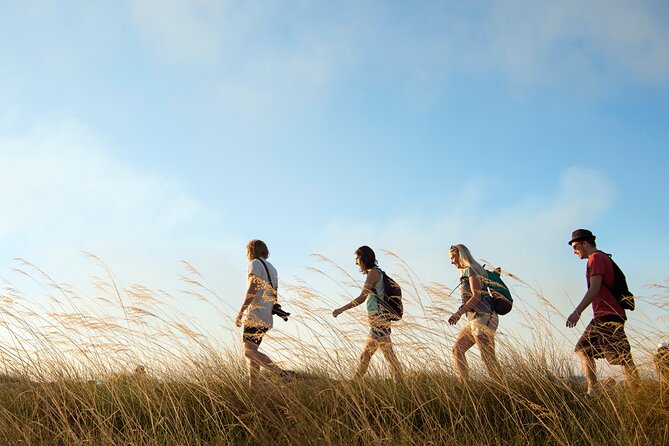
Departure is 7:30 am from Leea Darwin at 64 Cavenagh St. You’ll have regular breaks built into the day, but the day is still long. If you’re tall, or you hate shoulder-to-shoulder seating, don’t be surprised: one review specifically called out tight seating and limited storage space.
My advice: travel light and bring what you’ll actually need for stops, not everything you own. A compact daypack plus a hat and sunscreen goes a long way, because you’ll be moving in and out for viewpoints and short walks.
Also note the practical reality: you’re in a tropical environment with weather changes. The tour operates in all weather conditions, so you’ll want rain-ready layers even if the morning starts bright.
Fogg Dam Conservation Reserve: birds first, big scenery second
The Fogg Dam stop is a strong opener if you like seeing nature before you go full rock art-and-croc mode. You spend around an hour in the conservation reserve area, including time at the conservation centre and viewing decks.
Why it’s worth it: wetlands set your expectations for the Top End. It’s not just a “pretty stop.” It helps you spot how the landscape changes with water, and it often shifts your focus from driving views to living wildlife.
If you’re the type who enjoys birds, this is one of the easiest wins on the route.
The optional Jumping Crocodile Cruise on the Adelaide River
You have a choice here, and it affects your day’s rhythm. The Jumping Crocodile Cruise is a 1-hour add-on on the Adelaide River, and it’s not included in the base price by default (it’s an optional upgrade). If you skip it, you’ll do bird wetlands time with your tour guide instead.
If you’re wondering whether the cruise is worth extra money: it’s the most “action-forward” part of the day. The whole point is that you’re getting very close to saltwater crocodile behavior in a controlled setting.
My practical take: if you don’t get many chances to see crocodiles safely, add it. If you’re more into birds or you prefer slower walking time, choose the bird-focused alternative. Either way, you’re still landing at Ubirr for the main cultural highlight.
Corroboree Park Tavern and lunch strategy: bring money, not stress
At the Corroboree Park Tavern stop, you’ll have about 30 minutes for refreshments. Lunch is for purchase on your own, and the tour keeps your food fresher by storing it in an esky until later.
This matters because Kakadu days can run hot and messy. You don’t want to scramble for food after hours of driving, so having a scheduled break (and a way to keep lunch from turning into an emergency science experiment) is a real convenience.
Pack some snacks too, even if you’ll buy lunch. You’ll get comfort stops through the day, but having extra bite-size food helps if your timing runs slightly different or you just want to nibble while you wait for crocodiles to appear.
Kakadu welcome photo stop and Jabiru: quick grounding points
You’ll make a few shorter stops that do two jobs: keep you oriented and give you small local moments between longer driving segments.
There’s a photo opportunity at the Welcome to Kakadu National Park signage on Arnhem Hwy. Then you pass through Jabiru, a small town that functions as a gateway area for people exploring Kakadu’s Aboriginal culture and wildlife.
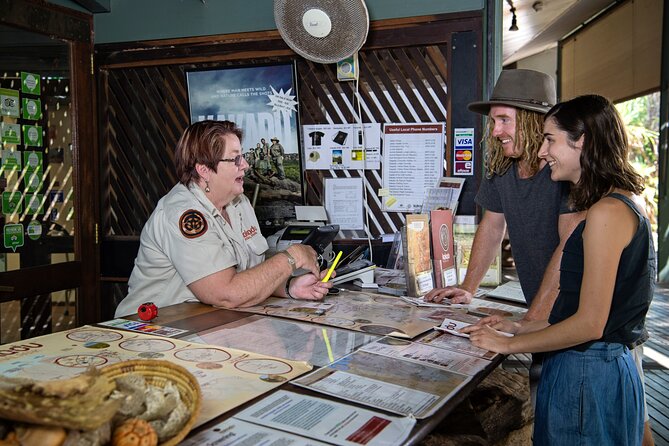
Finally, there’s time at Bowali Visitors Centre for local artwork. It’s short (about half an hour), but it’s a helpful bridge: it turns Ubirr rock art from just “old paintings” into part of a broader living culture and landscape of meaning.
Inside Kakadu National Park: guided time that doesn’t feel random
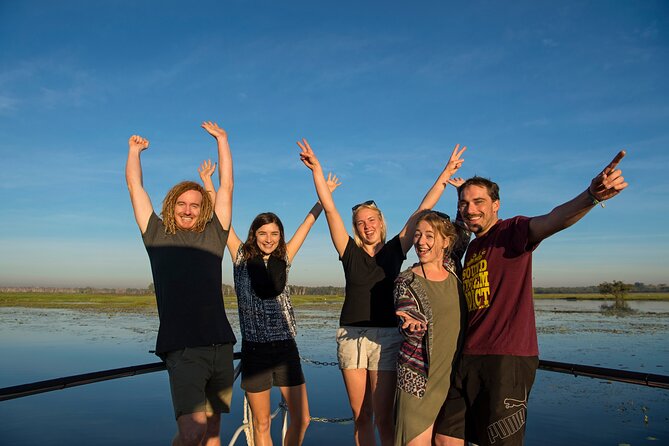
You’ll spend time inside Kakadu as a guided walking experience, with about two hours allocated. This is where the day stops being just stops and becomes a route with explanation—how the land, water, plants, and animals connect.
Even if you only have a single day, this guided block gives your eyes a framework. Instead of scanning randomly, you’re listening for what matters: which habitats you’re seeing, and why certain areas attract wildlife.
Two practical notes:
- Wear shoes you’re happy to walk in for uneven ground.
- Keep a bottle handy, especially in hot weather. The day is long even when the stops are short.
Cahills Crossing: saltwater crocs from the viewing platform
If you’re hoping for crocodiles, Cahills Crossing is the moment. You’ll get about an hour here, and it’s built around safely spotting saltwater crocodiles from a viewing platform.
Why this stop works: you’re not chasing wildlife. You’re waiting where the crocodiles come to you. That makes the experience calmer and more watchable, especially if you’ve got different fitness levels in your group.
Bring your best “quiet observer” mode. Crocs can be slow movers—what you’ll notice is behavior, position, and how they use the crossing area.
Ubirr Rock Art: the climb, the views, and the main story
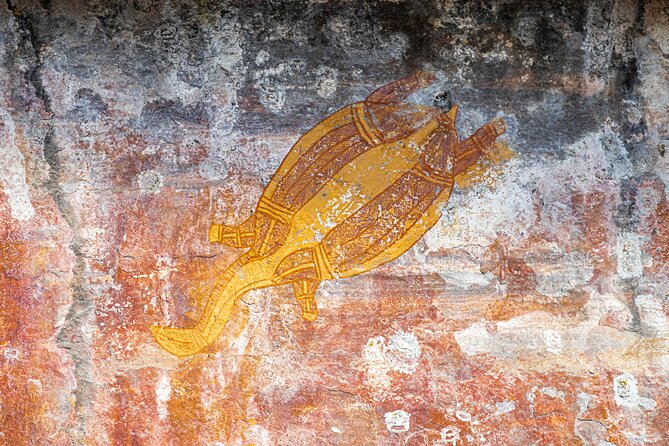
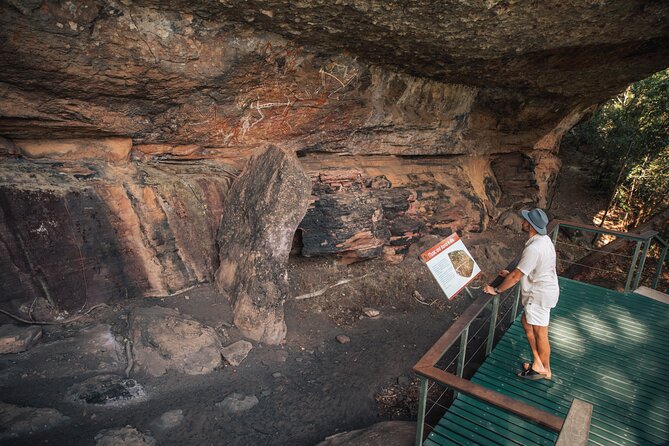
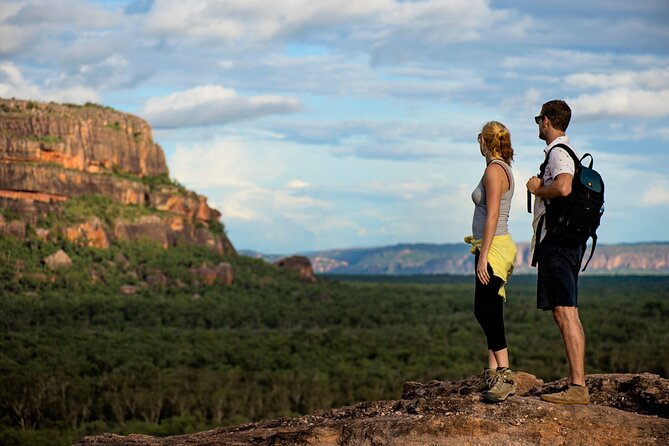
This is the star. Ubirr is home to Aboriginal rock art that goes back thousands of years, and it’s also one of the best spots for panoramic views. You’ll have about an hour here, and that includes time at the rock art sites plus a semi-climb to a higher viewpoint.
Multiple guides are singled out for bringing the art to life—names like Rick, Tim, Boggi/Bogdan, and Arran show up often for mixing cultural context with practical info about what you’re seeing. The walking is manageable for many people, but it is not flat stroll territory. One helpful reminder from past experiences: some participants needed a clearer heads-up about walking over rocks, so if you want to move confidently, arrive with good traction and take your time.
What you’ll remember most is the combination:
- the rock art itself
- the feel of standing in a place people have looked at for a very long time
- the sweep of the scenery from higher ground
If you only do one thing in the Top End besides the big-name sights, make it this.
What to pack for a 12-hour day in the Top End
This tour runs about 12 hours (approx.), and it’s in all weather. Here’s what I’d pack, based on the practical needs the day creates:
- Hiking shoes or grippy walking shoes (recommended)
- A hat and sunscreen (Ubirr can be exposed)
- A light rain layer or poncho (weather can change fast)
- Water bottle plus small snacks
- A compact daypack so you can handle the mini-coach and stops easily
Moderate physical fitness is requested, and kids under 5 aren’t suitable. If you’re traveling with older family members, tell your guide what pace you need. Many guides are praised for helping people feel comfortable in the climb and on the rocky sections.
Price and value: what you’re really paying for at $168.55
At $168.55 per person, you’re mostly paying for three things:
- transport from Darwin (and back), including a full-day route
- a guided experience with commentary across multiple Kakadu highlights
- Kakadu National Park entry fee coverage (not everything else)
Food and drinks aren’t included, and the Jumping Crocodile Cruise is an optional upgrade. So the real “value math” depends on whether you add the cruise and what you spend on lunch.
The good news: you’re not paying entry fees separately for the park itself, and the guide-led time at Ubirr is where the day’s meaning stacks up. If you’re short on time in Darwin and don’t want to hire a car, this kind of guided one-day structure can be cost-effective because it reduces friction and planning.
If you love animals but also care about culture and history, this tour’s mix is a strong match. If you’re only chasing one thing—like crocodiles only—then you may prefer a more focused option. But if you want the big Kakadu snapshot that still feels guided, this price lands in a reasonable zone.
Who should book this Kakadu from Darwin tour
This is a great fit if you:
- are visiting Darwin for only a few days and want a major Kakadu hit in one go
- want crocodiles plus Aboriginal rock art, not just one or the other
- like guided commentary and don’t want to handle driving and logistics
It’s also a good choice for mixed-age groups if everyone can manage uneven ground for the Ubirr area. Guides are repeatedly praised for safety and help during the day, including with the semi-climb and pacing.
Choose carefully if:
- you’re sensitive to long sitting time and tight seating on a mini-coach
- you strongly dislike walking over rocks or uphill viewpoints
- you’re traveling with young kids (this isn’t suitable for children aged 5 and under)
Should you book this Kakadu National Park tour?
If you’re short on time and you want your day to cover Ubirr rock art, Cahills Crossing crocodiles, and key wildlife spots like Fogg Dam, I’d book it. It’s a lot of moving parts, but the structure keeps the day from feeling chaotic.
Decide about the Jumping Crocodile Cruise based on your priorities. If seeing crocodiles up close is your top goal, add it. If you’d rather trade that time for more bird-focused nature watching, skip it and put your energy into the Ubirr climb and viewpoints.
Either way: wear real shoes, bring water, and don’t underestimate how long the day is. Kakadu repays you for the effort.
FAQ
What time does the tour depart Darwin?
It starts at 7:30 am.
Where do I meet in Darwin?
Meet at Leea Darwin, 64 Cavenagh St, Darwin City NT 0800.
How long is the tour?
It runs about 12 hours (approx.), with return to Darwin around 19:30.
Is Kakadu National Park entry included in the price?
Yes. Kakadu National Park entry fee is included (only).
Is the Jumping Crocodile Cruise included?
It’s an optional upgrade. The cruise itself is not included as a default extra, and it’s listed as not included in the standard inclusions.
Where do you stop for crocodiles?
Cahills Crossing, with saltwater crocodile viewing from a platform.
Does the tour include Ubirr Rock Art time?
Yes. Ubirr is included and includes time with Aboriginal rock art, plus a viewpoint climb.
Is lunch provided?
No. All food and drinks throughout the day are not included. You can purchase lunch during a stop, and your lunch can be stored in an esky.
What should I wear or bring?
Dress appropriately for hiking and bring hiking shoes (recommended). The tour operates in all weather conditions, so plan for changing conditions.
Is it suitable for young children?
Children must be accompanied by an adult, and the tour is not suitable for children aged 5 and under.