REVIEW · FLORENCE
Florence: Accademia Gallery Skip the Line Small Group Tour
Book on GetYourGuide →Operated by Inside Out Italy · Bookable on GetYourGuide
David feels bigger with the right guide.
This Accademia Gallery skip-the-line small-group tour lines up a timed entry and a clear chronological walkthrough, so you’re not just staring at famous works—you’re learning how they connect. I love the radio headsets approach (easy to hear, even in crowded rooms) and the focus on Michelangelo’s David with an expert local guide. One thing to think about: the experience is built around standing and walking through the gallery, so go in with comfortable shoes and a light pack.
Plan for movement and a bag check.
The museum has a cloakroom where you’ll need to store large bags and backpacks, and the tour runs in all weather conditions. If you’re limited on mobility, double-check fit—this activity is listed as wheelchair accessible, but it also notes it isn’t suitable for people with mobility impairments.
In This Review
- Key things that make this Accademia tour worth it
- Why timed entry at Accademia changes the whole visit
- Meeting point and the walk that sets the tone
- Hall of Colossus: the scale shock before David
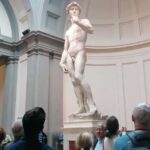
- Michelangelo’s David under the domed skylight
- What the guide helps you notice
- A practical viewing tip
- Florentine Gothic to Renaissance painting: a story you can follow
- Museum of Musical Instruments: piano history and a Stradivarius violin
- Guides: the difference between seeing and understanding
- Price and value: what $58 buys for 1 hour
- Who this Accademia tour fits best (and who should reconsider)
- Should you book this Accademia Gallery skip-the-line tour?
- FAQ
- How long is the Accademia Gallery skip-the-line tour?
- Where do I meet the guide?
- Does the tour include timed entry and skip-the-line access?
- Are radio headsets provided?
- Is Michelangelo’s David included?
- What other areas of the Accademia do you visit besides David?
- What languages are available for the live guide?
- What should I bring and wear?
- Is it wheelchair accessible?
Key things that make this Accademia tour worth it
- Timed entry + express security so you waste less time before you reach the art
- Max group size 19 for a calmer pace and more chances to ask questions
- Headsets included so you can actually follow the guide in busy rooms
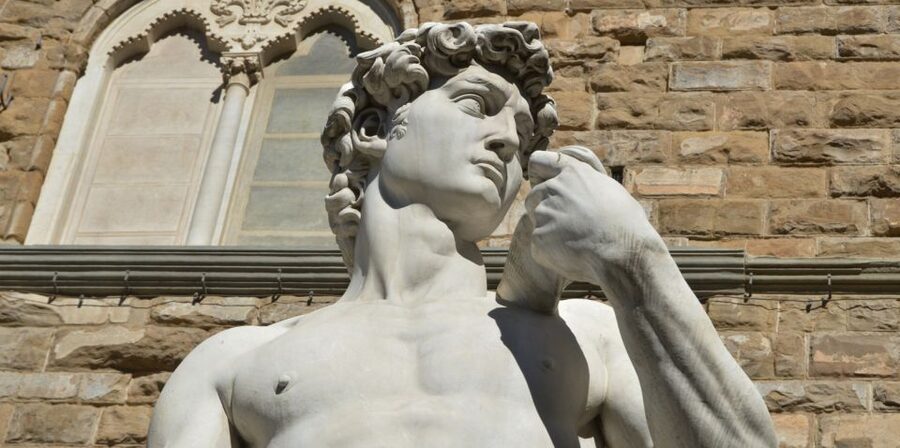
- Michelangelo’s David focus with guided viewing from multiple angles
- Museum of Musical Instruments stop featuring an upright piano and a Stradivarius violin
- Local guide storytelling that connects Renaissance art to Florence’s wider story
Why timed entry at Accademia changes the whole visit
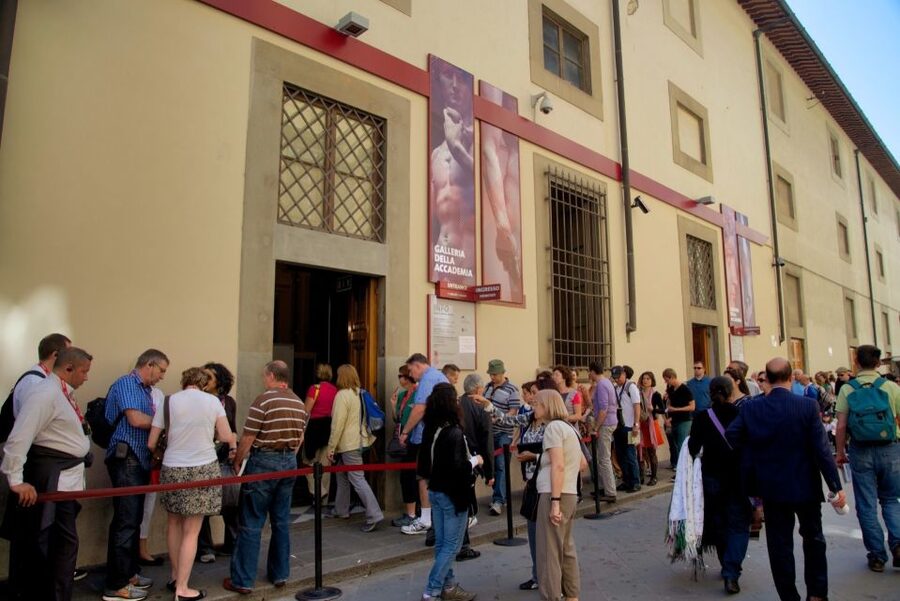
Accademia is one of those Florence museums where the time outside can feel like the hardest part. This tour is designed around getting you through the entrance process with fast-track tickets and an express security check, then letting the guide lead once you’re inside.
That matters because Accademia’s highlights are concentrated. You’ll want enough energy left to appreciate details when you reach the top objects—especially Michelangelo’s David, which is at the heart of what most people come for.
You can also read our reviews of more museum experiences in Florence

Meeting point and the walk that sets the tone
You’ll meet your guide at the tourist office on Via Camillo Cavour 19. Aim to arrive 15 minutes early so you’re not stressed if the museum area is busy or you need a quick bathroom break before entry.
What I like about tours that start this way is that the guide can help you get oriented before you start weaving through rooms. Several guides on this operator’s lineup are praised for weaving Florence context into the approach—so you’re not arriving “cold” at the museum.
Hall of Colossus: the scale shock before David
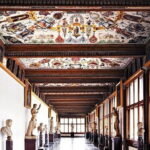
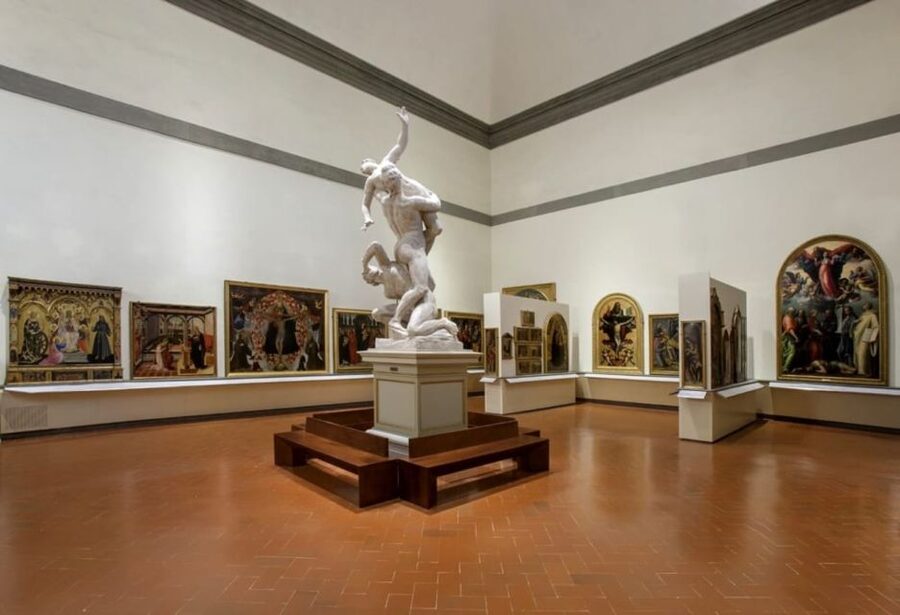
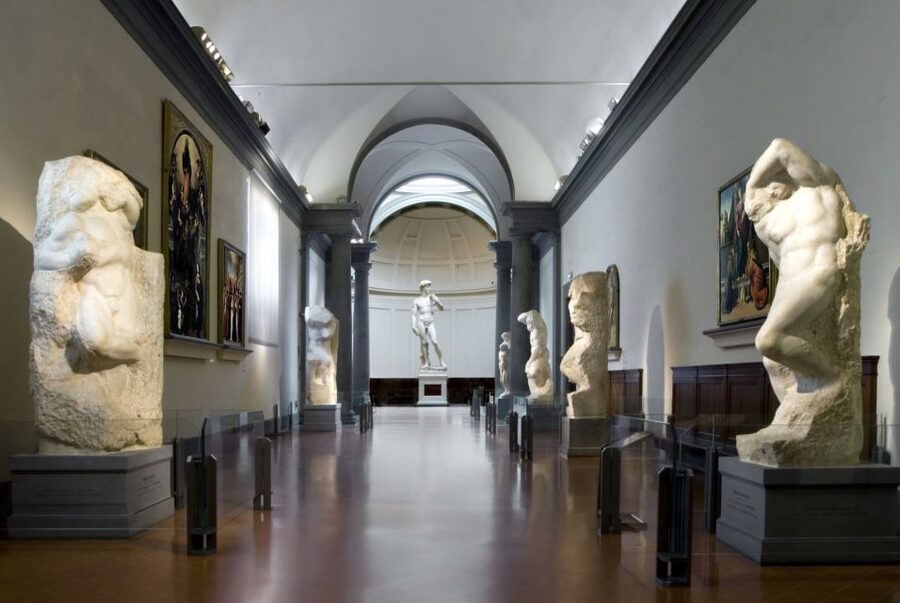
Once you’re in, the tour takes a chronological journey that builds toward the most famous sculpture. You start with the Hall of Colossus, named for the large-scale works that dominate the space.
In this room, you’ll encounter sculptures such as Giambologna’s Rape of the Sabines. This stop isn’t just filler; it helps you calibrate your eye. Before you look at David, it’s useful to notice how Florentine Renaissance-era artists worked with drama, proportion, and movement.
Then you continue along a corridor toward the main moment. The guide’s pacing helps you shift from one visual scale to the next, so David doesn’t feel like it came out of nowhere.
Michelangelo’s David under the domed skylight
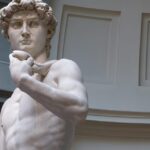
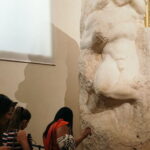
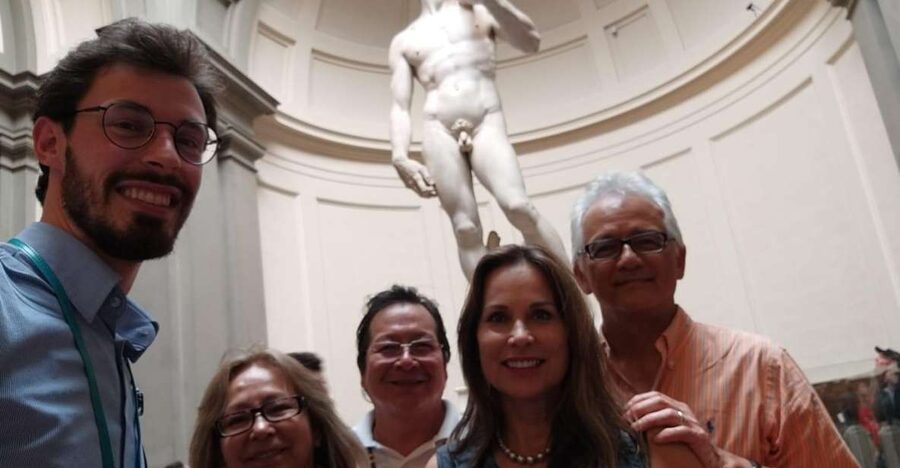
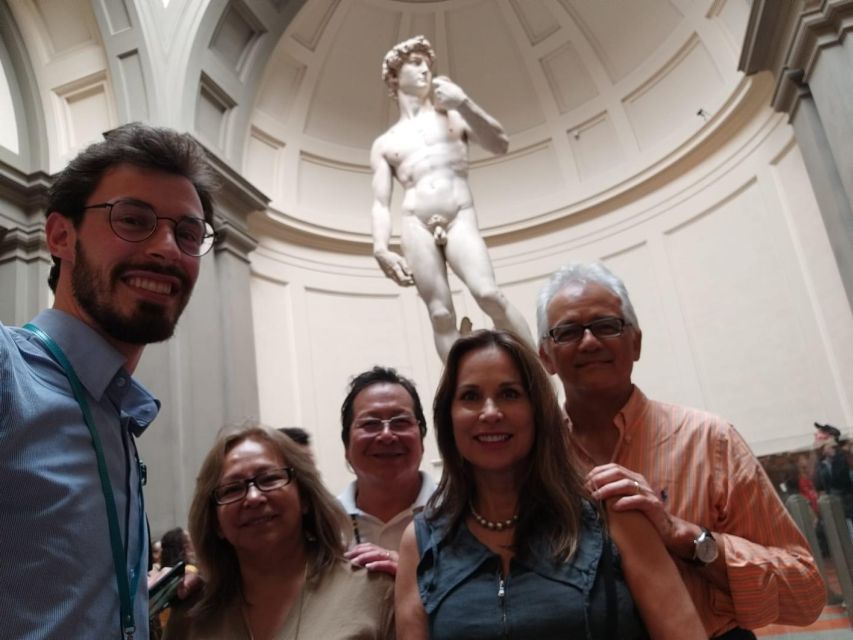
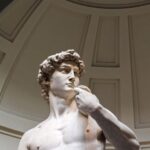
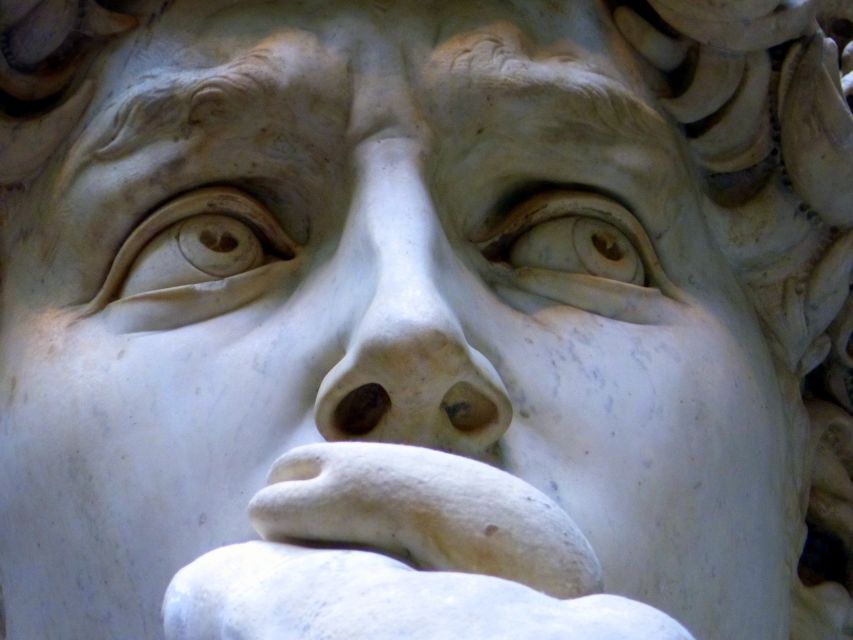
David is a 5-metre-tall marble statue, and Accademia does something special with how you approach it—framed by the space and brought into view at the end of the corridor under a domed skylight. On a standard visit, it’s easy to spend your time rushing photos or staring straight ahead.
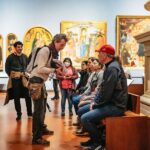
With a small group and a guide, you can slow down and actually look.
What the guide helps you notice
This tour is built to emphasize the “why” behind David, not just the “wow.”
Expect to get:
- A clear explanation of the statue’s anatomical precision—musculature, veins, and lifelike posture
- Details on how Michelangelo’s mastery of the human body shaped the Renaissance view of ideal form
- Context about the sculpture’s influence on later art, so David feels like a milestone rather than a standalone masterpiece
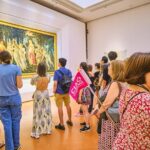
The small group size (max 19) matters here. Your guide can keep the viewing flow from turning into a bottleneck, and you’re more likely to get your questions answered instead of being swallowed by the crowd.
A few more Florence tours and experiences worth a look
A practical viewing tip
Bring your eyes, not just your camera. David’s power comes from the whole figure—gesture, balance, and expression. If you only shoot from one angle, you miss what the guide will be pointing out (especially the way different angles reveal different emphasis).
Florentine Gothic to Renaissance painting: a story you can follow
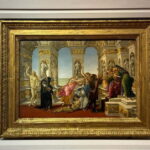
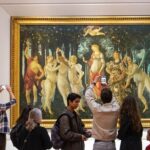
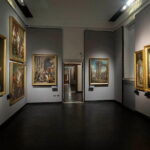
After David, the tour moves into a dedicated painting section, where you’ll see the Florentine Gothic art thread that leads into the Renaissance style. This part is helpful because it fills in the “transition” that many quick visits skip.
You’ll encounter works attributed to or associated with major names such as:
- Giotto
- Lorenzo Monaco
- Bernardo Daddi
The value here is how the guide connects changes in style to changes in thinking. Gothic religious art and early Renaissance art can look similar at a distance if you’re not paying attention. A good guide helps you notice what shifts: realism, perspective instincts, emotion, and how artists tried to make figures feel present and human.
If you’re the type who likes to understand how an art movement evolves, this portion gives you a clean path through a complicated museum.
Museum of Musical Instruments: piano history and a Stradivarius violin
The final act is one of Accademia’s most surprising sections: the Museum of Musical Instruments. If you think of the Accademia only as a David museum, this stop is a smart way to add variety without adding another full-ticket attraction.
You’ll get to see:
- The oldest surviving upright piano
- A Stradivarius violin
Even if you’re not a music expert, it’s genuinely interesting because instruments tell a story about craftsmanship, technology, and culture. This stop also helps the tour feel balanced. After the intensity of David and the dense art history of paintings, you end with something that’s different in texture and mood.
Guides: the difference between seeing and understanding
This tour lives or dies by the person leading it. The guide lineup has shown consistently strong personalities and teaching styles in past tours—names you might hear include Galya, Francesco, Pam, Maria Christina, Martina, Mirella, Marco, Ivano, and Giacomo.
Here’s what gets praised most often, and why it matters for you:
- Guides who explain David’s symbolism and technique in a way that you can actually picture
- People who connect Florence’s streets and buildings to what you’re seeing inside
- Guides who adjust pacing—like Francesco, who reportedly paused for seating breaks for seniors on the group
- Guides who tailor the flow to what the group wants, like Pam, who checked in and adjusted along the way
You can’t guarantee a specific guide, but the pattern is clear: the best experience comes when you choose the timed, guided route rather than a solo hop-in-and-out plan.
Price and value: what $58 buys for 1 hour
At $58 per person for about 1 hour, you’re not paying for a long museum day. You’re paying for a tight, guided hit of the museum’s main attractions—plus ticket handling that’s often the friction point in Florence.
What’s included is meaningful:
- Fast-track entrance tickets
- Reservation fees
- A professional tour guide
- Radio headsets to hear clearly
If you’ve ever done museums with audio guides that are either too quiet or too hard to hear over crowd noise, headsets here are a big quality upgrade. They turn “I think I heard something” into “I know what I’m looking at.”
This tour is also a good fit if you want the David experience but don’t want to spend half your visit figuring out what to prioritize.
Who this Accademia tour fits best (and who should reconsider)
I’d put this tour at the top of your list if:
- You want Michelangelo’s David with context, not just selfies
- You like a structured walkthrough that moves chronologically through art
- You appreciate clear audio and a guide who can answer questions in a small group
- You’re curious about the unusual side of Accademia, like the Musical Instruments collection
I’d reconsider if:
- You struggle with standing and walking. This tour explicitly notes that the experience isn’t suitable for people with mobility impairments, even though wheelchair accessibility is listed.
- You’re carrying a lot of gear. The museum requires you to store large bags and backpacks in the cloakroom. Going lighter makes your tour smoother.
Should you book this Accademia Gallery skip-the-line tour?
If your top goal is Michelangelo’s David—and you want it explained with real attention to anatomy, symbolism, and influence—this is a strong way to spend one hour in Florence. The value isn’t only the fast entry; it’s the combination of headsets, a small group, and a guide-led path that takes you from David to painting transitions and then into the Museum of Musical Instruments.
Book it if you want the museum to feel guided and purposeful, with less wasted time and more meaning per stop. Skip it only if you’re certain you don’t want a structured tour and you’re comfortable navigating Accademia on your own without the added audio support.
FAQ
How long is the Accademia Gallery skip-the-line tour?
The tour duration is 1 hour.
Where do I meet the guide?
Meet at the tourist office at Via Camillo Cavour 19 in Florence. Arrive 15 minutes before the scheduled time.
Does the tour include timed entry and skip-the-line access?
Yes. It includes fast-track entrance tickets and skip-the-line through express security check, with timed entry for the Accademia Gallery.
Are radio headsets provided?
Yes. You’ll receive radio headsets so you can clearly hear the guide.
Is Michelangelo’s David included?
Yes. The tour specifically focuses on Michelangelo’s David, including the chance to view the sculpture as part of the guided route.
What other areas of the Accademia do you visit besides David?
You’ll also visit the Museum of Musical Instruments and a section focused on Florentine Gothic and Renaissance-related paintings.
What languages are available for the live guide?
The guide can offer tours in Italian, English, German, Spanish, and French.
What should I bring and wear?
Bring passport or an ID card. Wear comfortable footwear, since the tour involves standing and walking and runs in all weather conditions.
Is it wheelchair accessible?
It lists wheelchair accessible, but it also states the tour is not suitable for people with mobility impairments. If mobility is a concern, you should verify whether the experience will work for your needs.