REVIEW · FLORENCE
Semi Private Uffizi Gallery Guided Tour in Florence
Book on GetYourGuide →Operated by StarEurope Tours · Bookable on GetYourGuide
Florence’s Uffizi makes more sense with a guide. This semi-private tour is built to help you connect the famous paintings to the Medici people and the building itself. I especially like the Medici-focused storytelling, because you don’t just see art—you understand why Florence collected it.
My second favorite part is the practical setup: you get an official certified guide plus a radio system so you can actually hear the explanation without craning your neck. One caution: the tour can run longer than expected, and if you’ve planned a tight next stop, you may end up rushed and standing more than you want.
In This Review
- Key Highlights to Look For
- Finding the Uffizi’s Meaning in 90 Minutes (Without Losing Your Mind)
- Meeting at the Leonardo Da Vinci Statue and Getting Inside Fast
- The Medici Story Starts Before You Even See the Paintings
- The 13th-to-18th Century Timeline, Explained as a Story
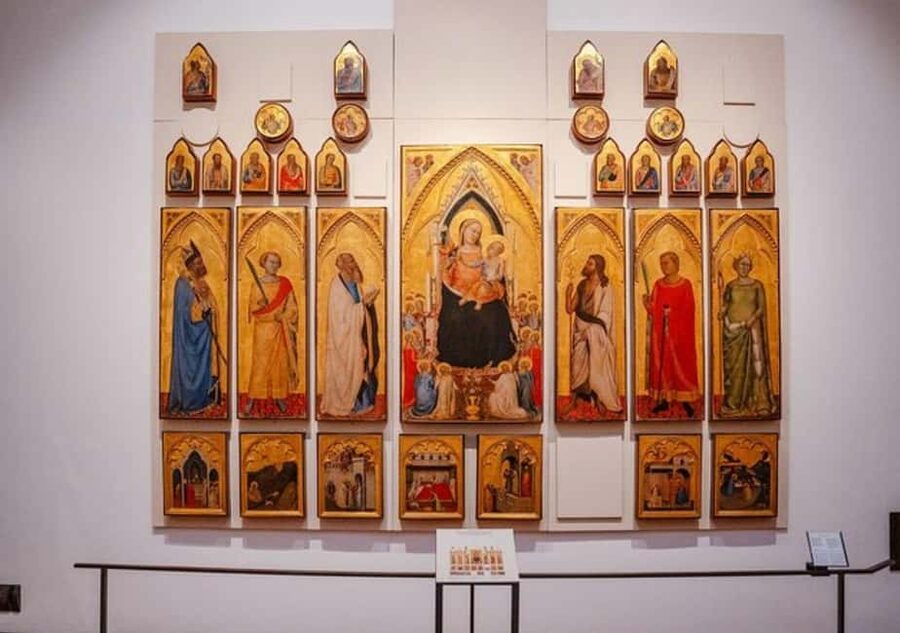
- Giotto’s Madonna di Ognissanti and the Moment the Art Turns On
- Brunelleschi, Architecture, and the Art of Seeing the Museum Differently
- Botticelli’s Birth of Venus, Leonardo’s Annunciation, and What the Guide Corrects
- Michelangelo’s Only Panel Painting (and Why You’ll Want One More Look)
- Optional Wine Tasting at Vino Tasting Global Srl: A Nice Follow-Up
- Price and Value: What $104 Buys You in Florence
- Who This Tour Fits Best (and Who Should Be Careful)
- Should You Book This Semi-Private Uffizi Tour?
- FAQ
- How long is the Uffizi Gallery part?
- Where do I meet for the tour?
- Does this tour skip the ticket line?
- What languages is the guide available in?
- Is wine tasting included?
- Is the tour wheelchair accessible?
Key Highlights to Look For
- Medici-to-city context: you’ll see how the collection shaped Florence, not just the artists
- Anna Maria Luisa de’ Medici portrait: the guide ties her gift to how the Uffizi became public
- A sweep from the 13th to the 18th century: you’ll get the timeline, not just the posters
- Giotto’s Madonna di Ognissanti: a standout stop that helps you read early Renaissance style
- Michelangelo’s famed panel painting: a quick way to understand why it matters in his career
- Optional wine tasting add-on: if you select it, you’ll tack on a guided pairing experience after the gallery
Finding the Uffizi’s Meaning in 90 Minutes (Without Losing Your Mind)
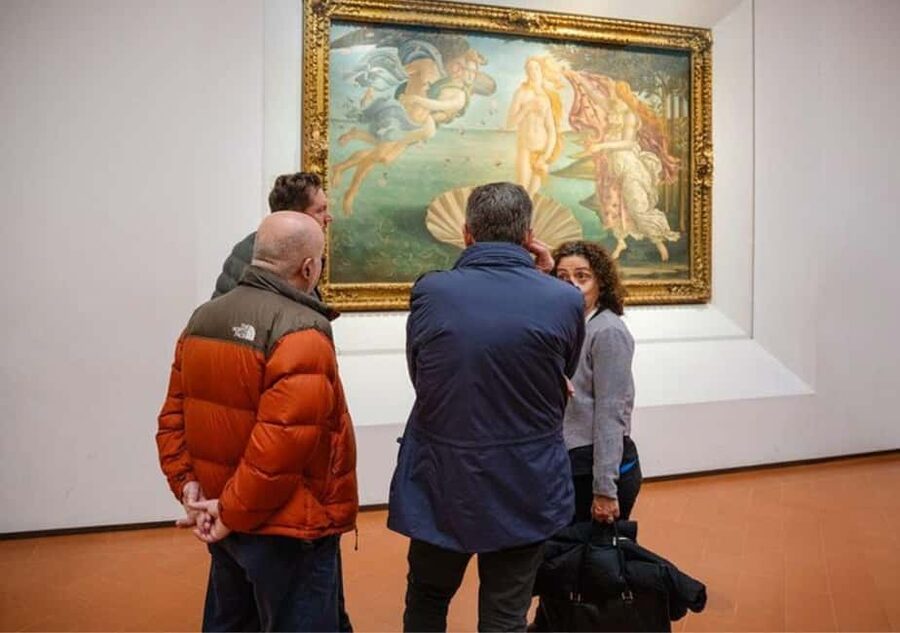
The Uffizi can feel like drinking from a firehose. One moment you’re staring at a masterpiece everyone recognizes; the next you’re unsure what you’re even looking at. This tour is designed to slow that down. You’ll still hit major works, but you’ll also get the “who, what, and why” that turns a quick look into real understanding.
The semi-private setup also matters. With a smaller group feel, you’re more likely to keep momentum and follow the guide’s thought process. And because you’ve got a radio system, you can hear the story even when the room is busy and bodies are pressing in.
Value-wise, you’re paying for time and clarity. At $104 per person for a guided experience, it’s not the cheapest way to see the Uffizi. But it can be a smart purchase if you care about context, want to skip the ticket line, and don’t want to piece together the museum on your own with guesswork.
You can also read our reviews of more guided tours in Florence
Meeting at the Leonardo Da Vinci Statue and Getting Inside Fast
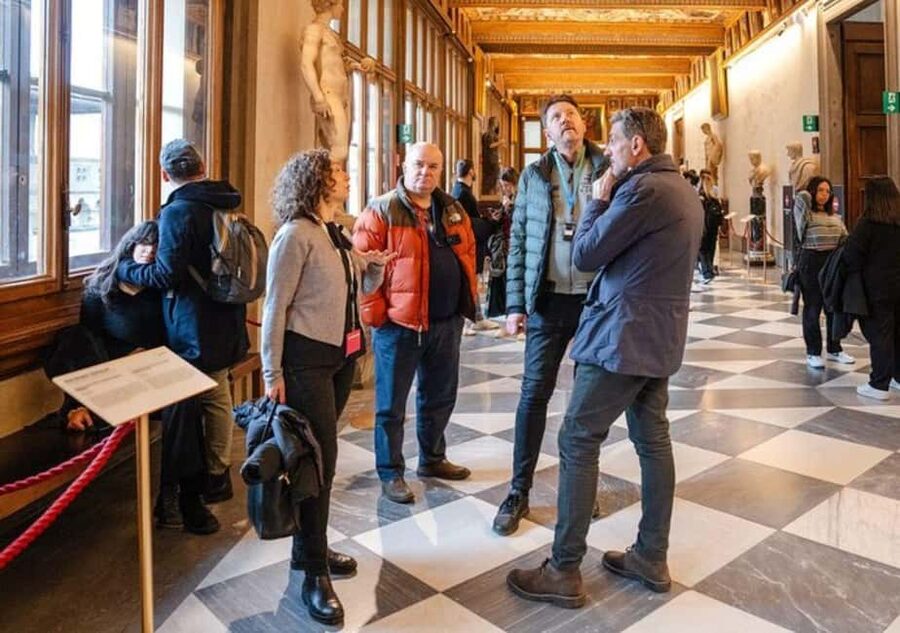
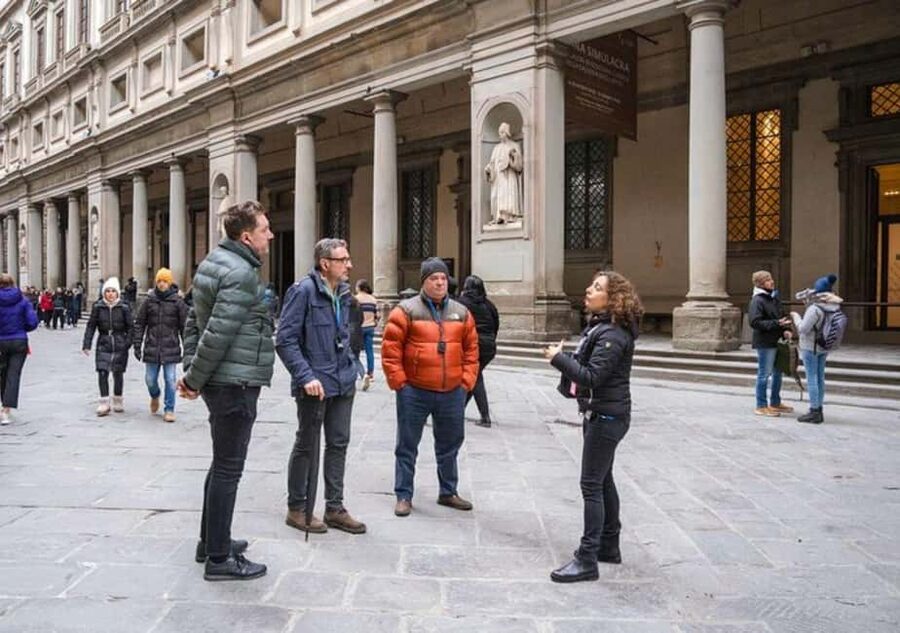
Your meeting point is right at the start: the Statua di Leonardo da Vinci at Piazzale degli Uffizi. The key detail is timing—show up 15 minutes early. In Florence, being late means you can miss the departure and the tour won’t be adjusted afterward.
Once you’re with the guide, the setup is straightforward. You’ll get a ticket and reservation, and the tour is meant to skip the ticket line even in peak season (unless the museum has delays or strikes). That alone can save you an hour of standing around, which you can spend actually looking at art.
Also, plan your “what to carry” decision now. The tour does not allow oversize luggage or large bags, so travel light. Comfortable shoes matter too. The Uffizi is all floors, angles, and crowds, and even when the route is efficient, you’ll still be on your feet.
The Medici Story Starts Before You Even See the Paintings
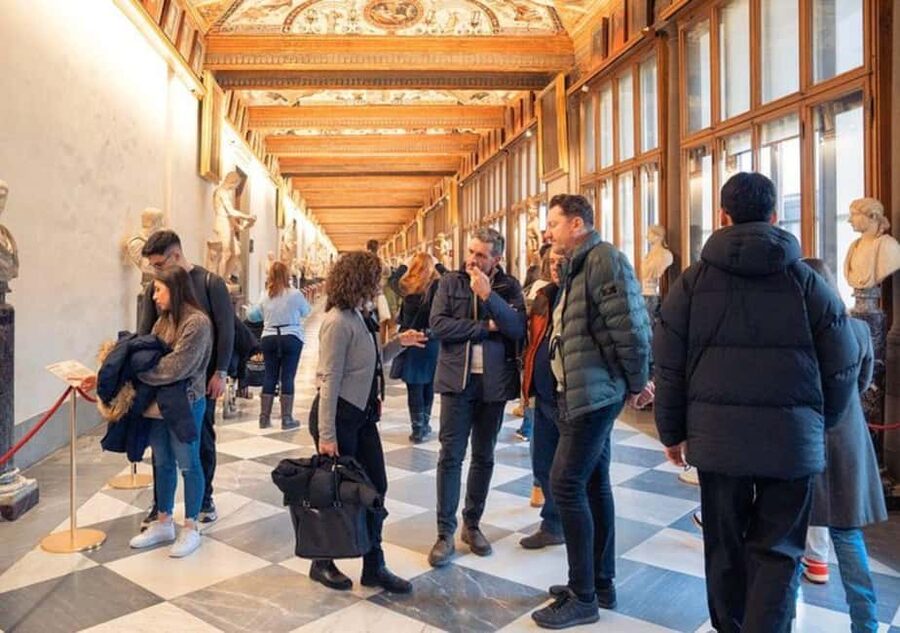
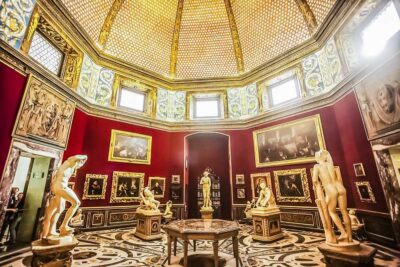
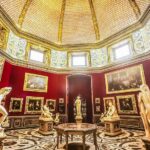
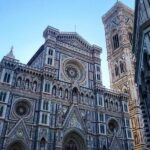
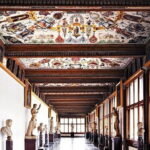
One of the most useful things this tour does is put the Uffizi in human terms. You start with the idea that the building itself has a life story—at one time it served as a Medici palace—then you move into how the art collection became part of Florence’s identity.
A highlight in the early moments is the portrait of Anna Maria Luisa de’ Medici, the person associated with gifting the family’s collection to the city. That’s not just trivia. It changes how you interpret what you’re seeing. Instead of thinking of the Uffizi as a random museum of famous names, you start thinking of it as a deliberate transfer of power, taste, and legacy.
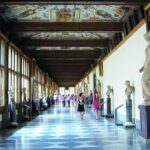
Then you’ll climb the grand staircase with the guide telling architectural and behind-the-scenes stories. This is where many people rush without realizing it matters. The guide’s pacing helps you understand the museum as a designed experience—rooms arranged to shape attention, and artwork placed with meaning.
The 13th-to-18th Century Timeline, Explained as a Story
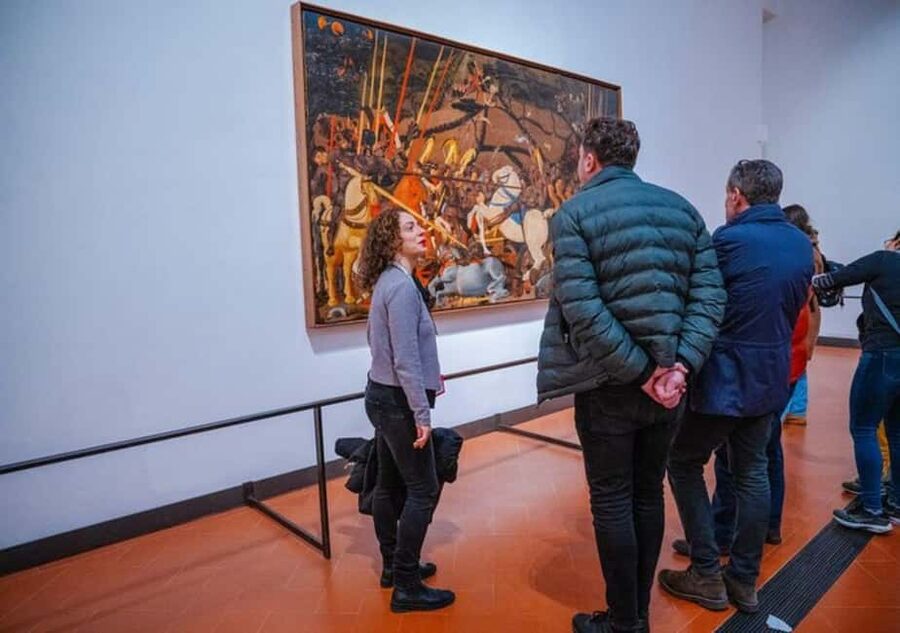
This isn’t a quick walk-by of thumbnails. The tour is built to cover house paintings across a long span, from the 13th century through the 18th century. That wide range is the reason it helps if you’ve ever felt lost at the Uffizi.
What you gain isn’t just dates. You gain a way to read style changes. The guide’s approach ties the art to patrons and shifts in taste. So when you move from earlier works to later Renaissance masterpieces, you’re not only noticing differences—you know what those differences likely meant to the people paying for them.
One practical upside: covering a broad timeline in one planned session prevents the “I saw one room and got tired” problem. You get enough structure to feel oriented, even if you don’t have the energy to tackle the entire museum afterward.
Giotto’s Madonna di Ognissanti and the Moment the Art Turns On
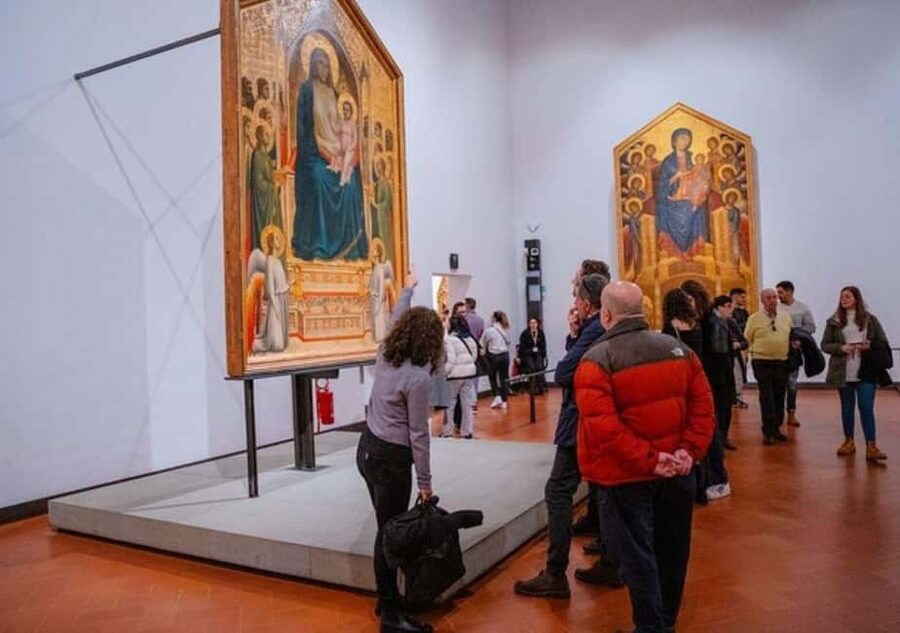
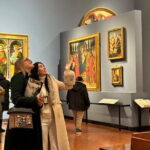
If you’re a fan of early Renaissance work, the stop around Giotto’s Madonna di Ognissanti is a big deal. Early paintings like this can be hard to read if you only approach them as a famous name. The guide helps you notice the qualities that made Giotto’s style influential—ways of modeling figures, emotional clarity, and the sense that religious scenes weren’t meant to be distant.
I like this stop because it gives you a baseline. Once you understand what Giotto is doing, later scenes feel less random. You start seeing continuities and changes across the centuries, which makes the rest of the tour land better.
This also helps you interpret the broader claim of the Uffizi being more than a highlight reel. When you get one strong anchor work early, the museum stops being just a checklist.
You can also read our reviews of more private tours in Florence

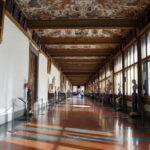
Brunelleschi, Architecture, and the Art of Seeing the Museum Differently
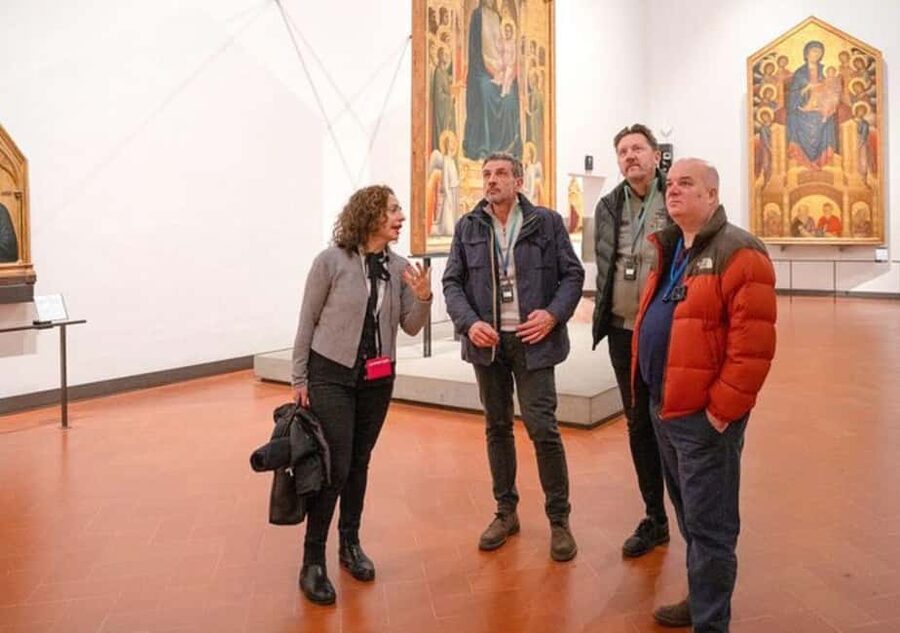
You’ll also spend time with a work or creation attributed to Filippo Brunelleschi. Even if you know him mainly as an architect, it’s a reminder that Renaissance art wasn’t separated into neat boxes. Engineers, builders, painters, and patrons all fed each other’s ideas.
The reason this matters on a guided tour is that the guide doesn’t treat it like a side note. You’re meant to connect how architecture and art share the same brain. Florence’s greatness isn’t only paint on wood; it’s the whole way the city thinks about proportion, space, and design.
If you tend to enjoy museums where the building itself is part of the story, you’ll probably feel more engaged here. The tour’s structure supports that kind of attention.
Botticelli’s Birth of Venus, Leonardo’s Annunciation, and What the Guide Corrects
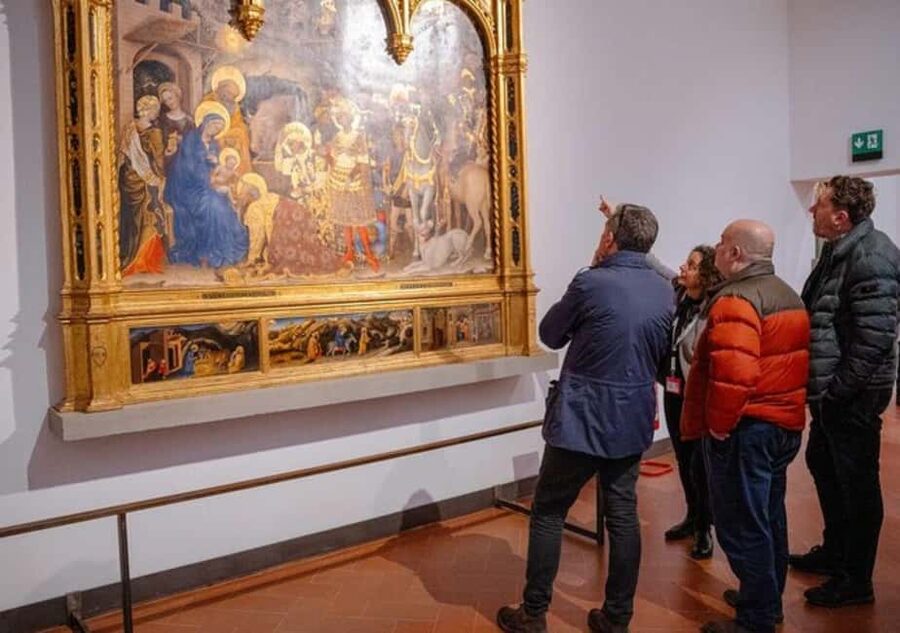
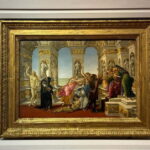
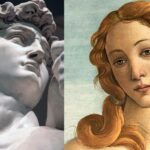
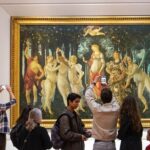
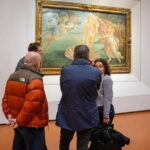
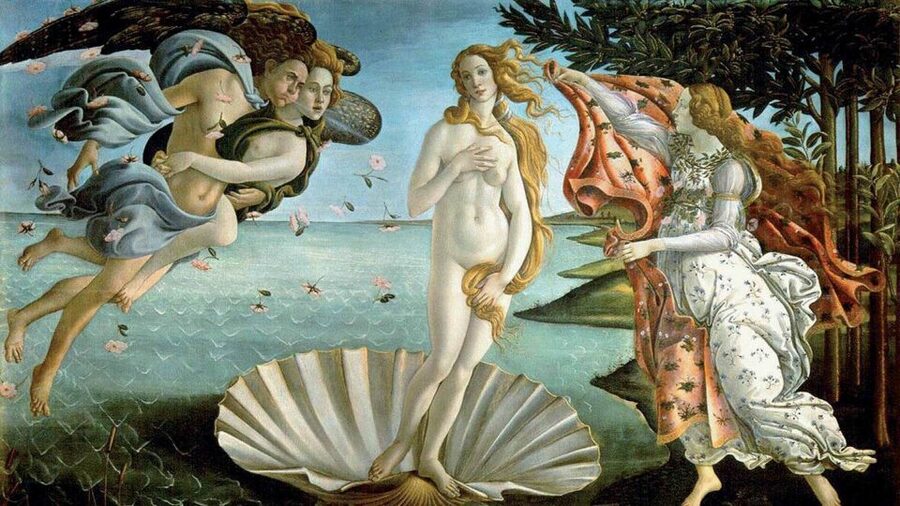
Two famous names show up in the heart of the experience: Sandro Botticelli’s The Birth of Venus and Leonardo da Vinci’s Annunciation. These are the paintings people come to see, but they can also become wallpaper if you don’t get any framing.
The guide’s role is to connect what’s on the canvas to the patronage and artistic priorities behind it. That’s what makes these stops work as more than photo ops. You’re not just looking at a face or a scene; you’re learning how artists were expected to communicate belief, power, and beauty.
Small detail, big benefit: the tour description points out that it’s easy to get titles mixed up online. On the day, you’ll be guided to the correct work associated with Botticelli’s Venus theme, so you’re not left second-guessing yourself while everyone else is moving ahead.
Michelangelo’s Only Panel Painting (and Why You’ll Want One More Look)
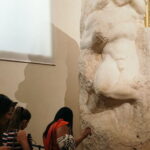
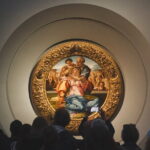
You’ll see Michelangelo’s only panel painting in the world, described that way by the tour. Even without turning this into a lecture, this is the kind of stop that rewards attention. Michelangelo’s impact is different from the softer rhythm of some earlier pieces. When you’re told why the work stands out in his output, it’s easier to focus on what to look for—composition, presence, and how the painting handles form.
And then there’s a practical bonus that I really like: after the tour ends, you’re free to return to any artworks that caught your eye. That matters because you get two chances to see. First, you understand with the guide. Later, you take your time and let your eye do its thing.
Optional Wine Tasting at Vino Tasting Global Srl: A Nice Follow-Up
If you chose the option, the tour continues with wine tasting and pairing at Vino Tasting Global Srl, with a guided component. This can be a fun way to keep the Florence mood going. It’s not the same kind of learning as the gallery, but pairing and tasting encourages the same mindset: attention to detail, patience, and small observations.
One thing to consider: plan your day so you don’t stack too many standing activities back-to-back. One of the weaker moments in the experience described by a guest involved exhaustion and difficulty standing for later plans. So if wine tasting is part of your schedule, build in a buffer for rest.
Price and Value: What $104 Buys You in Florence
At $104 per person for a 1.5-hour Uffizi guided visit, you’re paying for five main things:
- Skip-the-line access via ticket reservation
- An official certified guide who ties artworks to context
- Radio system so the story is audible in crowded rooms
- Structured pacing across major works and a long timeline
- Freedom afterward to revisit anything you loved
If you’re the type who enjoys museums where the guide explains the “why,” this price can feel fair. If you only want quick photos and don’t care about context, you could spend less by going on your own.
Also, watch your expectations about timing. The booking lists 1.5 hours, but the pace on the day can stretch. If you need a predictable end time for dinner reservations or another timed ticket, give yourself extra breathing room.
Who This Tour Fits Best (and Who Should Be Careful)
This works best for you if:
- You want a fast route to understanding, not just a checklist
- You care about Medici patronage and how Florence shaped art collection
- You like hearing interpretive stories tied to major works like Giotto, Botticelli, and Leonardo
- You prefer guidance when a museum is crowded and confusing
Be cautious if:
- You have a tight itinerary after the tour and can’t handle the experience running longer than expected
- You’re sensitive to long periods standing and need frequent breaks
- You expect a totally relaxed pace with plenty of downtime built in
A semi-private format helps, but it doesn’t magically turn the Uffizi into a slow museum. Bring comfortable shoes, and treat the tour as the main event rather than a side stop.
Should You Book This Semi-Private Uffizi Tour?
Book it if you want the Uffizi to make sense quickly and you value explanation, not just access. The skip-the-line setup, the radio system, and the Medici-centered storytelling are strong reasons to choose this over a DIY sprint.
I’d skip it or choose a different format if you’re scheduling your day tightly and need a very firm time window. And if you don’t want to hear any art history at all, there are cheaper options.
If you’re an art lover who wants Florence’s masterpieces with context, this is a solid way to get your bearings fast and then return on your own to linger.
FAQ
How long is the Uffizi Gallery part?
The guided Uffizi Gallery tour is listed as 1.5 hours.
Where do I meet for the tour?
Meet in front of the Leonardo da Vinci Statue at Piazzale degli Uffizi. Please arrive 15 minutes before departure time.
Does this tour skip the ticket line?
Yes. The tour includes ticket reservation and is described as a skip-the-line tour, with exceptions for delays or strikes by museum management.
What languages is the guide available in?
The live tour guide is offered in French, Spanish, Italian, English, and German.
Is wine tasting included?
Wine tasting and a pairing class are included only if you select that option.
Is the tour wheelchair accessible?
Yes. The tour is described as wheelchair accessible, and it is also listed as stroller accessible.