REVIEW · LONDON
London: East End Instagrammable Street Art & Graffiti Tour
Book on GetYourGuide →Operated by Tours by Foot · Bookable on GetYourGuide
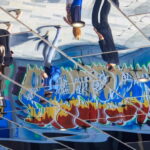
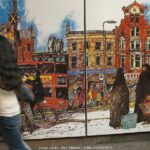
Street art in London hits different in the East End. This 2-hour guided walk puts iconic graffiti on your path with lots of photo-friendly stops and a chance to make your own piece.
I especially like how the guide keeps the walk paced so you can actually see details up close, not just speed past them.
One thing to plan around: the area’s art changes fast, so the exact ending point can shift depending on what’s up on the walls that day.
You also get the storytelling angle, the part that turns a picture on your phone into something you understand. I liked that the tour leans on real local references and direct art explanations, and past groups have praised guides like Matt and Margaret for clear English and enthusiasm.
Street art history here isn’t lecturing—it’s tied to the streets you walk.
My only caution is practical: this tour runs rain or shine, and you’ll be outdoors the whole time. With just 2 hours, it’s not the “see every wall in London” plan—think highlights, angles, and momentum.
In This Review
- Key things you should know before you go
- Entering the East End: why this route feels smart
- Whitechapel Gallery: starting with context, not just cameras
- Spitalfields and Shoreditch: photo stops where small choices matter
- Brick Lane: angles, collaborations, and the Bird you’re meant to chase
- The short stops that actually add meaning
- Paul Bommer’s Huguenot plaque
- Princelet Street and Stik’s community message
- Dray Walk and Allens Gardens: the details you’ll miss if you rush
- Dray Walk: broccoli in every colour
- Allen’s Gardens: walls that change fast
- Rivington Street and the “secret” Banksy moment
- art’otel London Hoxton and the Shakespeare twist near New Inn Broadway
- Shoreditch High Street: the graffiti wars and what to take with you
- Price and value: is $49 for two hours worth it?
- Who should book this street art tour
- Final thoughts: should you book
- FAQ
- How long is the London East End Instagrammable Street Art & Graffiti Tour?
- Where do I meet the guide?
- Where does the tour end?
- What should I expect during the tour?
- Does the tour run in bad weather?
- Is the tour wheelchair accessible?
- What language are the tours in?
Key things you should know before you go
- Whitechapel to Liverpool Street: a tight route that hits major East End art zones in one go
- Banksy and Thierry Noir stops: expect at least a couple of big-name moments
- Brick Lane photo angles: you’ll get time to position yourself for the best views
- Walls that change weekly: some spots can get covered or repainted, so bring your camera ready
- Hands-on street art: you’re not only watching; you make something too
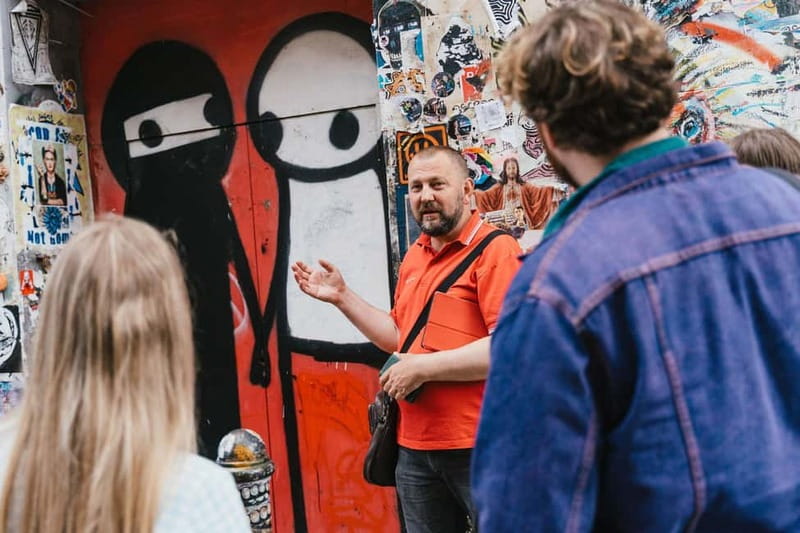
- Guide energy and Q&A time: past groups liked that questions were welcome and photos weren’t rushed
Entering the East End: why this route feels smart
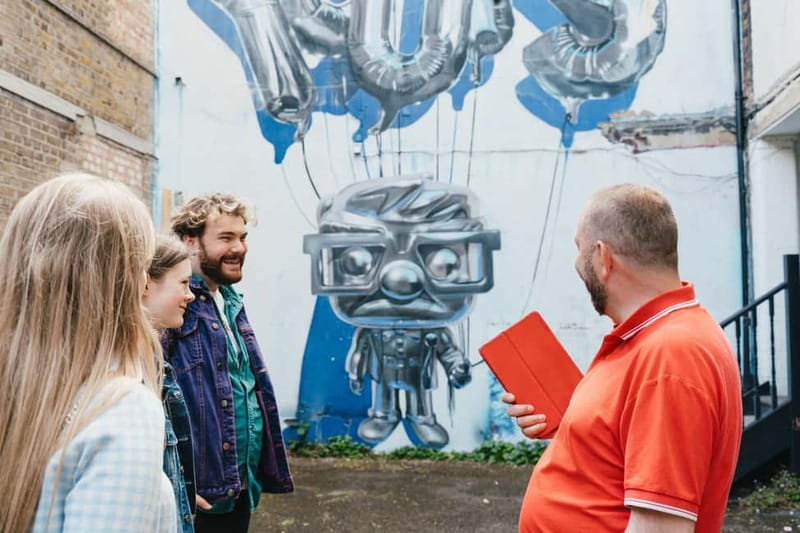
The East End street art scene is the kind of place where you can stand on the same corner and see a totally different wall a week later. That’s why I like this tour’s format: it’s short enough to stay fun, but packed enough to hit the best clusters without turning your day into an all-day slog.
You start at Whitechapel Gallery at 80 Whitechapel High Street. From there, you work your way across several key neighborhoods and street corridors that street art fans use as their mental map: Spitalfields, Shoreditch, Brick Lane, and the streets that funnel you toward Liverpool Street Station (Stop G).
The big value here is focus. Instead of wandering randomly (which is how you miss the best pieces), you get a guided sequence built around visibility and photo timing, including spots where the right angle actually matters.
A few more London tours and experiences worth a look

Whitechapel Gallery: starting with context, not just cameras
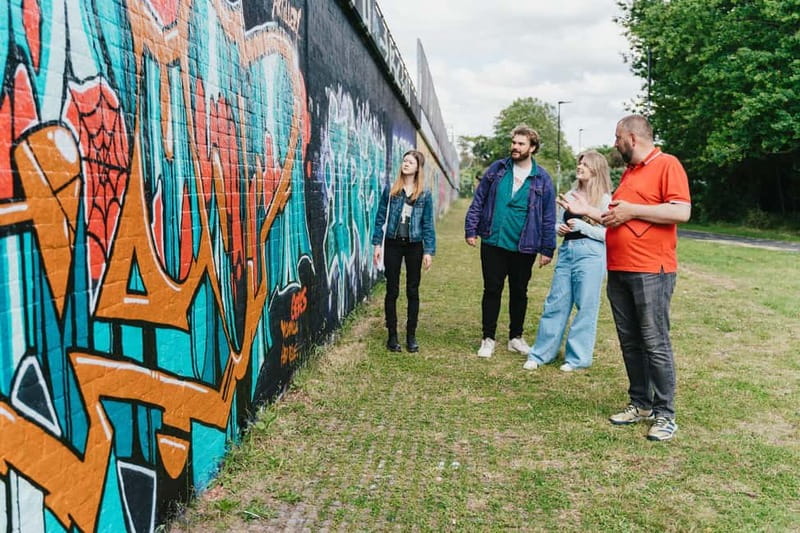
Your meetup is right outside Whitechapel Gallery. It’s a strong starting point because it signals two things at once: art is part of this neighborhood’s identity, and the area’s story goes beyond just modern graffiti.
Whitechapel is also tied to the darker side of London’s past, specifically the Whitechapel Murders and the Jack the Ripper connection. You don’t need to go deep into crime history, but it helps explain why this area has always attracted attention—from artists to filmmakers to the public.
Practical tip: start by taking one wide shot of the street scene around you. Then, later on, when you reach the denser street art lanes, you’ll feel how quickly the visual “theme” shifts from normal London street to layered mural wall.
Spitalfields and Shoreditch: photo stops where small choices matter
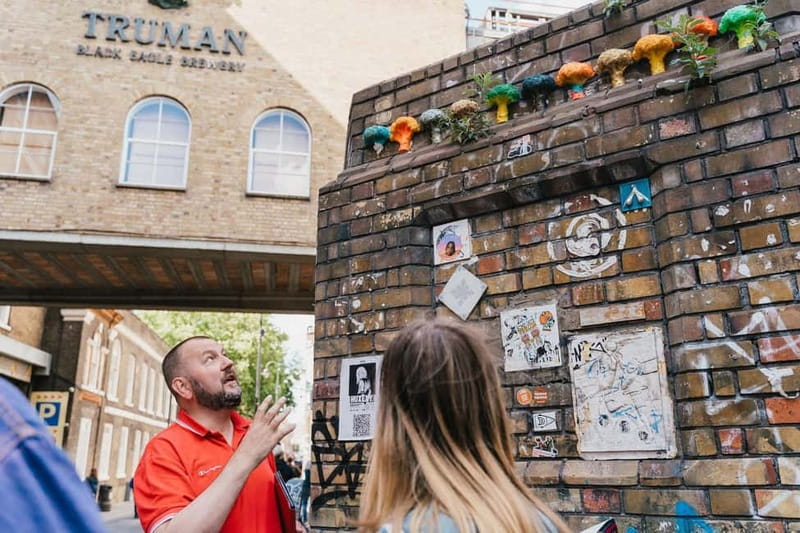
Spitalfields comes first. You’ll get time for a photo stop plus guided walking and sightseeing, about 30 minutes total here. This is the part of the tour where you start training your eyes: you notice tags, layers, and the way artists place work so it interacts with doorways, windows, and corners.
Then you roll into Shoreditch, another 30 minutes with photos and guided tour time. Shoreditch is a word people throw around when they talk about trendy London, but here it’s more practical than it sounds. Your guide points out what’s worth photographing and why—like which walls show the full composition from where you’re standing.
Past groups have mentioned real guide enthusiasm and that the pace leaves room to get the shot. That matters, because street art isn’t like a monument you can photograph from one spot. The art often rewards moving a step left or right, looking up, or stepping into a narrow lane to see the whole piece.
A fun possibility: some groups have had the chance to meet well-known local artists in the Shoreditch orbit, including Gilbert & George. You shouldn’t treat that as guaranteed, but it’s a reminder that this isn’t only “paint on a wall”—it’s a living art community.
Brick Lane: angles, collaborations, and the Bird you’re meant to chase
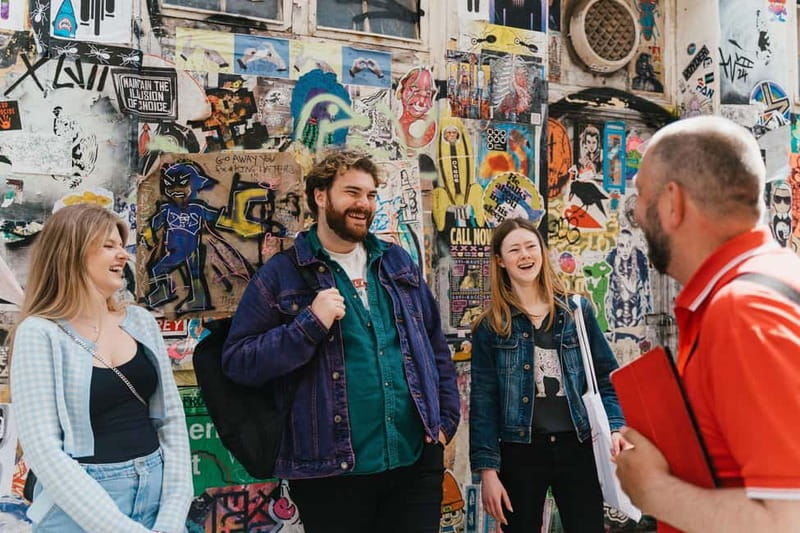
Brick Lane is the heart of the experience, with about 30 minutes devoted to photos and walking here. This is where you’ll hear the tour’s core message loud and clear: sometimes you need two points of view to understand a work.
You’re given reasons to change position. On Brick Lane, some art reads differently depending on whether you’re looking straight on, from farther down the street, or from a slightly elevated angle. That’s why the guide pushes the photo-stop rhythm instead of letting you sprint between walls.
Along the way, you’ll spot high-impact specific pieces and themes mentioned by the guide, including:
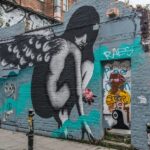
- A huge bird on a side street off Brick Lane (you’re encouraged to go closer to see more details once you spot it)
- Collaboration walls where you can literally compare styles and see how multiple artists worked together on the same stretch
- Angle tricks where you’ll be told to look up for a number—like number 5—to quickly identify an artist and understand what’s happening in that section
And then there’s the signature Brick Lane texture: you’ll notice smaller street art elements mixed into the wider walls, plus the street-level “gag” style that London does so well. It’s not all serious. Some work is funny, some is weird, and some is both.
The short stops that actually add meaning
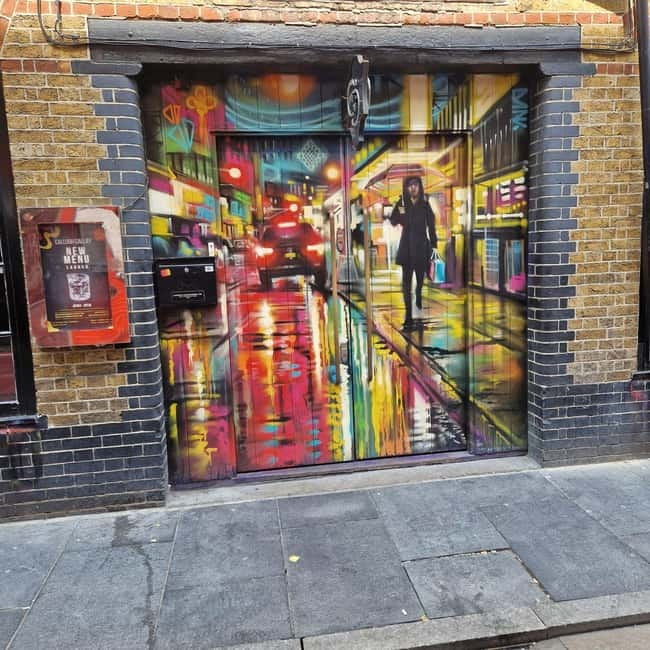
Not every stop is long. But the short ones are where the tour gets personal and human.




Paul Bommer’s Huguenot plaque
You’ll pause at Paul Bommer’s Huguenot plaque for about 5 minutes. It’s brief, but it adds a layer of meaning: street art in the East End isn’t floating in space. It grows out of the neighborhood’s older identities and communities, including the Huguenot connection mentioned with the plaque.
Princelet Street and Stik’s community message
Next is about 10 minutes around Princelet Street. This is where you see Stik at work with a piece dedicated to the Muslim community and its long connection to the area.
The tour also points out something important: street art can be defaced, and yet it can return—because the work gets repainted. That resilience isn’t a trivia fact. It’s the point. Street art here isn’t only about aesthetics; it’s about who claims space and how communities respond over time.
Dray Walk and Allens Gardens: the details you’ll miss if you rush
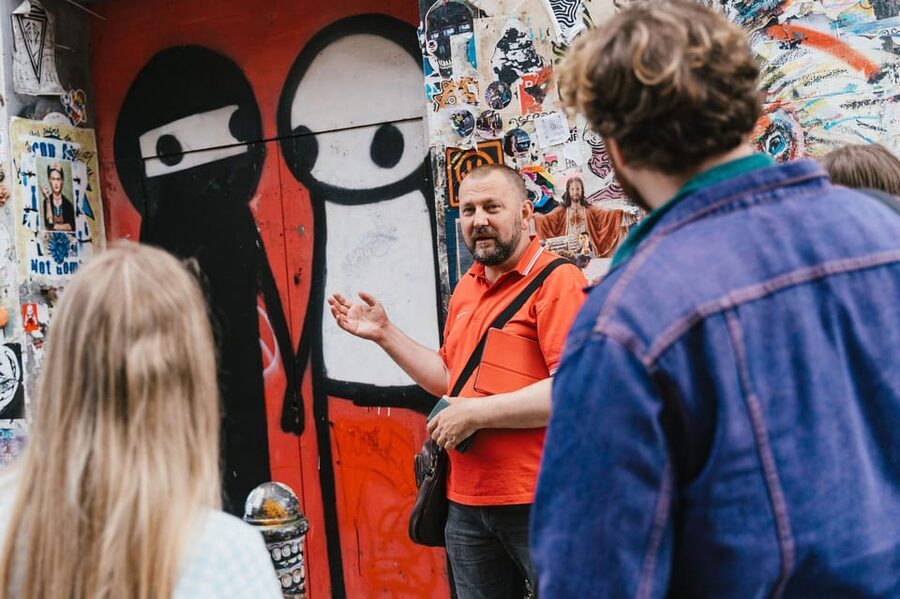
This is the section where you slow down, because small things matter.
Dray Walk: broccoli in every colour
About 10 minutes at Dray Walk, where you’ll spot broccoli on the street. Some pieces are realistic, while others come in different colors, including a rainbow effect. The guide also connects the trend back to the artist who started it and notes that the artist has a gallery.
If you love street art that plays with everyday objects, this is your moment. It’s also a reminder that graffiti doesn’t always have to shout. Sometimes it’s clever, silly, and oddly charming.
Allen’s Gardens: walls that change fast
Then you reach Allens Gardens for about 10 minutes, surrounded by many graffiti walls. The key here is timing and urgency: some pieces change often, so taking photos matters sooner rather than later.
This is where I tell people to stop thinking of your camera as optional. If you want the art you came for, treat your photos like part of the tour. You’ll see why the guide emphasizes quick capture, because it’s entirely possible that later, the same wall looks different.
Rivington Street and the “secret” Banksy moment
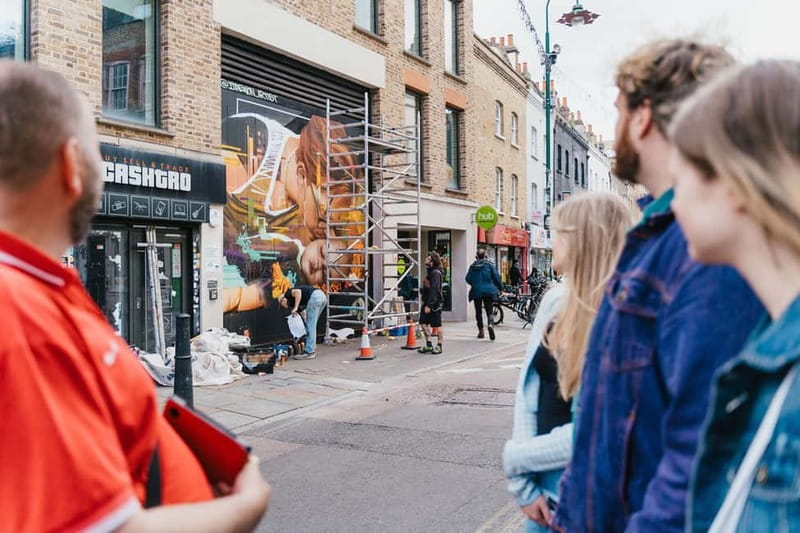
Rivington Street is another 10-minute stop. This area delivers a mix of big-name work and the sort of “graffiti vs art world” crossover that makes London feel unique.
Two big elements from what you’ll hear about here:
- Banksy: you’ll be taken to a secret place where the tour can show you Banksy’s work
- Thierry Noir: you’ll also see the mark of French artist Thierry Noir, known for pioneering work on the Berlin Wall in the 1980s, but also connected to London street art
This is the part of the tour where it helps to listen even if you’re focused on photographing. You don’t just want an image—you want to know what the artist is doing and why it matters in that specific setting.
Also pay attention to how the guide ties together different time periods: international names, local streets, and the idea of street art as a public conversation.
art’otel London Hoxton and the Shakespeare twist near New Inn Broadway
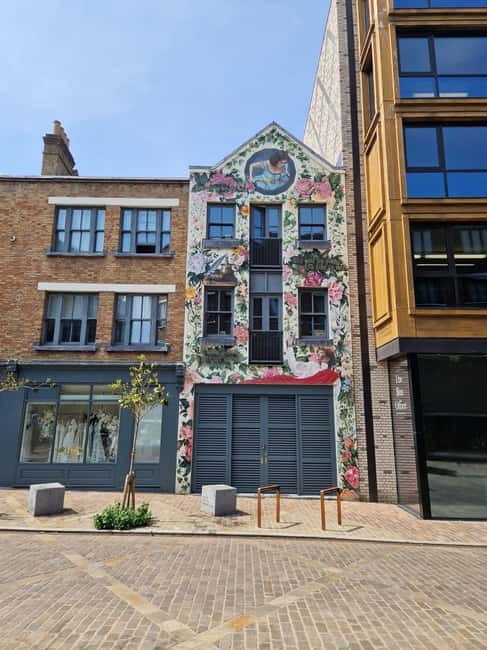
Next is art’otel London Hoxton, Powered by Radisson Hotels for about 10 minutes. You’ll get a photo stop and guided visit time here, including mention of an older Banksy now incorporated into the hotel context—something you can see without booking a room.
This stop is useful because it shows how street art changes status when it gets noticed. The art starts as public message, then becomes location identity.
You may also hear about New Inn Broadway, where you can unexpectedly connect street art to theater culture. The area ties to Shakespeare’s Curtain Theatre, and nearby is a Romeo and Juliet art piece. The description also includes the idea of mixed color palettes, different styles, and even a small policeman element that helps make the wall feel like a one-of-a-kind wallpaper.
Practical tip: when you reach this section, slow down and look at the whole composition, not only the “main” faces. The charm here is the way multiple elements fit together.
Shoreditch High Street: the graffiti wars and what to take with you
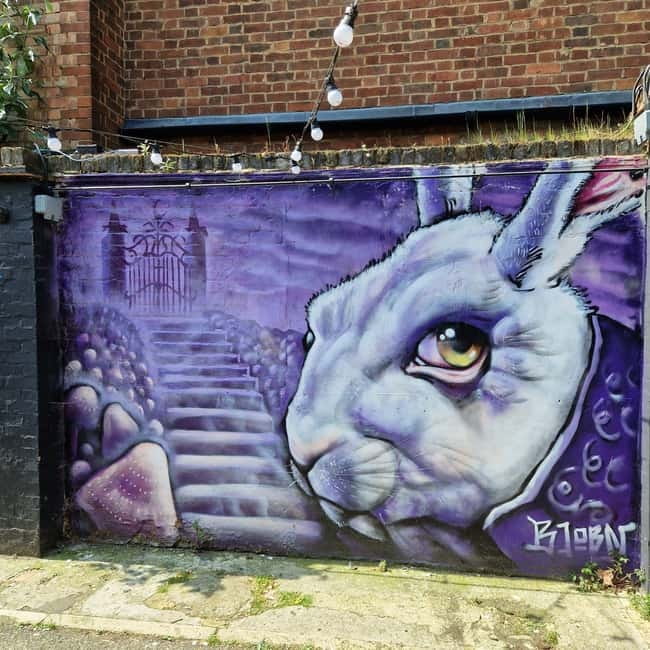
You finish up around the Shoreditch High Street area, with a final story about the so-called Graffiti Wars. The tour frames it as serious, but it also keeps it grounded by pointing to the art that came out of conflict.
That ending matters because it’s easy to reduce street art to style. This tour nudges you to see it as culture—sometimes political, sometimes community-driven, sometimes just playful—and always shaped by the wall it’s on.
Then you wrap at Liverpool Street Station (Stop G). Since street art can get covered or repainted, the exact finish point can shift. Keep a little flexibility in your schedule after the tour, especially if you’re catching another reservation immediately afterward.
Price and value: is $49 for two hours worth it?
At $49 per person for about 2 hours, you’re paying for a focused guide-led experience that bundles three things most solo sightseeing doesn’t:
- Curated walking between multiple art zones (you don’t have to hunt)
- Time for photos with guidance on where to stand and what angles to use
- Hands-on street art so you leave with more than just images on your phone
London is expensive, so value depends on what you actually care about. If you want a simple walk and you’ll be satisfied with random murals, you can DIY. But if you care about seeing the best-known pieces, learning what they mean, and taking better photos because someone tells you where to stand, the guide-led format is the point.
Who should book this street art tour
This fits you if:
- You want iconic East End street art without doing detective work all day
- You like your walking tours with clear explanations and time for photos
- You’re curious about how street art connects to community and neighborhood identity, not just aesthetics
- You want a short outing that still feels like you did something specific and memorable
It might not be ideal if:
- You’re expecting a long, museum-style deep dive into every artist in London (this is a highlights-and-angles plan)
- You hate being outdoors for 2 hours, since it runs rain or shine
Final thoughts: should you book
I’d book it if your goal is to get the East End street art hit in a tight window, with a guide who can point out what matters and help you photograph it well. The best sign of value is that the tour doesn’t rush. It’s built for looking, repositioning, and asking questions—and that’s the difference between a quick photo grab and a real street art experience.
FAQ
How long is the London East End Instagrammable Street Art & Graffiti Tour?
The tour lasts about 2 hours.
Where do I meet the guide?
You meet directly outside the Whitechapel Gallery, at 80 Whitechapel High Street.
Where does the tour end?
It finishes at Liverpool Street Station (Stop G), though the exact finish point can change depending on the ever-changing art in the area.
What should I expect during the tour?
You’ll see iconic graffiti from well-known artists, explore areas like Shoreditch and Brick Lane, get photo opportunities, and have a chance to make your own street art.
Does the tour run in bad weather?
Yes. Tours run rain or shine.
Is the tour wheelchair accessible?
Yes, it’s listed as wheelchair accessible.
What language are the tours in?
The live tour guide provides the tour in English.