REVIEW · BARCELONA
Raval Street Art and Graffiti Guided Tour in Barcelona
Book on Viator →Operated by Street Art Barcelona · Bookable on Viator
Street art in Barcelona is walkable clues. If you like the idea of seeing a city through its walls, this Raval street art tour is a smart two-hour mix of art, neighborhood context, and street-level perspective. With a small group size of 15, I like that the guide can slow down for details like styles, messages, and how the work fits the streets around it.
The walk also takes you to the legendary skate spot Tres Chemineas, so it is not just murals on paper. One possible drawback: the meeting area can be a little tricky to find, and there have been hiccups when people show up at the wrong end point.
In This Review
- Key things to know before you go
- Why Raval Street Art Feels Personal, Not Performative
- The 2-Hour Route: From Jardins Talía to MACBA
- Meeting Point at Jardins Talía Sant Antoni: Get Your Bearings Fast
- Discovering the “Popular Neighbourhood” Streets Up Close
- Tres Chemineas: The Skate Spot Stop That Brings It to Life
- How the Guides Turn Walls into Stories (Juan, Olga, Jeanne, and More)
- What You’ll Notice After the Tour Starts Sinking In
- Price and Value: Is $32.58 a Fair Deal?
- Getting the Start Spot Right (and Avoiding a Stress Spiral)
- Who This Tour Suits Best
- Should You Book This Street Art Tour?
- FAQ
- How long is the Raval street art and graffiti guided tour?
- How big is the group?
- What language is the tour offered in?
- Where does the tour start and where does it end?
- Is hotel pickup or drop-off included?
- Are food and drinks included?
- Do I get a mobile ticket?
- Is there a way to cancel for a refund?
- When will I receive confirmation after booking?
- Is the tour suitable for most people, and can service animals join?
Key things to know before you go
- Small-group cap (max 15) keeps the pace human and makes questions actually possible
- Artist backstories turn what you see into a map of style, technique, and local meaning
- Tres Chemineas stop gives you a scene-based break, not just photos of painted walls
- Raval’s changing art means you learn what to look for beyond the biggest pieces
- Short walk, central finish at MACBA helps you roll right into other sights
Why Raval Street Art Feels Personal, Not Performative
Raval is one of those Barcelona neighborhoods where the city looks back at you. You will see layers: old buildings, everyday life, and street art that responds to what’s happening around it.
What I like most is how the tour changes your eyes. After you hear how guides read the street—styles, placement, materials, and the reasons behind a piece—Barcelona’s walls start telling stories instead of just looking pretty.
You can also read our reviews of more tours and experiences in Barcelona.



The 2-Hour Route: From Jardins Talía to MACBA
This tour runs about two hours and ends in a very convenient spot: the area of Museu d’Art Contemporani de Barcelona (MACBA) at Plaça dels Àngels. That matters because you are not stuck crossing town after your walk. It is easy to keep exploring right away.
You start at Jardins Talía Sant Antoni, Eixample (08015). From there, the route moves into central city streets and into Raval’s texture—alley feel, quieter corners, and the kind of street details you usually miss when you stick to the main tourist arteries.
Meeting Point at Jardins Talía Sant Antoni: Get Your Bearings Fast
The first practical win is simply knowing where to begin. The tour’s start is at Jardins Talía Sant Antoni, near public transport, which makes it easier to arrive without over-planning.
When you meet up, the guide typically sets the tone right away: street art is not just decoration here. It is part history, part community voice, and part visual language—so you will want your attention switched on from the first minutes.
If you are the kind of person who likes photos, this is also the moment to get ready. One person mentioned the guide made it easier to take lots of photos and not just point and shoot—because they explained what to look for.
Discovering the “Popular Neighbourhood” Streets Up Close
As you head deeper into the city center and toward Raval, the focus shifts from landmark sightseeing to lived-in street-level storytelling. You will walk through an area described as an antic popular neighborhood—meaning you get that sense of an older, more everyday Barcelona rather than a museum version.
This is where the tour delivers its strongest value: it helps you connect what you see to why it’s there. One guide—Juan—was praised for framing the neighborhood as a place with real social context, including the tension around gentrification (the sadness and friction when residents can no longer afford to live there).
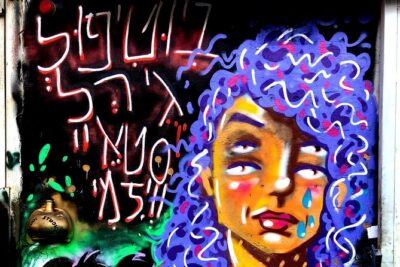
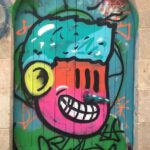
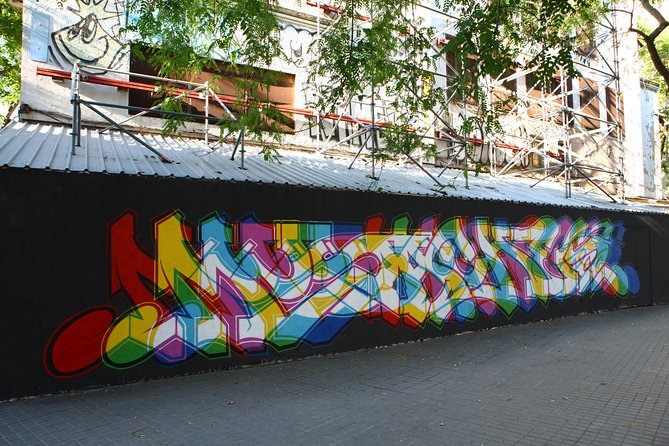
You also learn how to spot different formats and techniques. People called out things like shutters with work on them and paste-ups above street signs. Without that kind of guidance, you can easily walk past a perfect clue and never realize it.
Tres Chemineas: The Skate Spot Stop That Brings It to Life
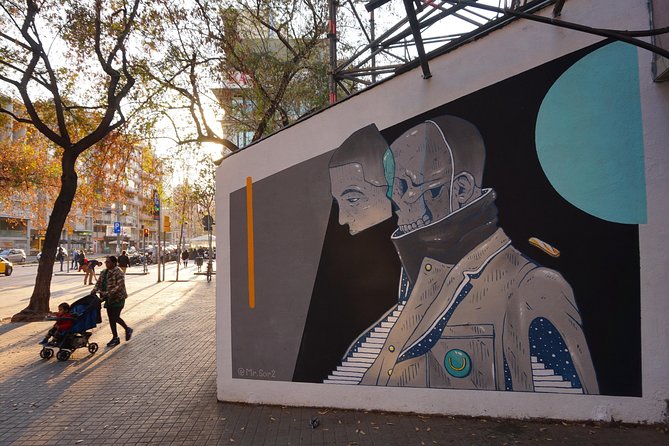
Then comes the highlight stop: you will hang around at Tres Chemineas, a legendary skate spot. Even if you are not a skater, this pause is valuable because it connects street art to street culture.
A lot of tours stop at murals. This one takes you to a place where art and youth culture overlap. That gives the visuals more meaning: you start seeing street art as part of a scene that moves, not a static wall decoration.
If you like “seeing how the city actually works,” this is the moment. It is a reminder that Barcelona’s street creativity is tied to real habits, real hangouts, and real local energy.
A few more Barcelona tours and experiences worth a look


How the Guides Turn Walls into Stories (Juan, Olga, Jeanne, and More)
The guides are a big part of why people rate this tour so highly. In the feedback, names like Olga, Juan, Jeanne, Cynthia, Anaïs, and Jan come up again and again for a reason: they explain what you are seeing in clear, human terms, not in a lecture-y way.
A few examples of what to expect from the guide style:
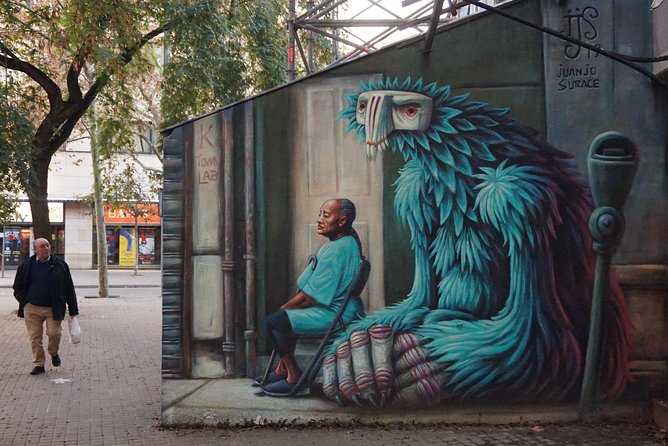
- Juan was described as a street artist himself, which shows in how he reads placement, style, and message.
- Olga was praised for sharing deep context about the Barcelona art community.
- Jeanne was singled out for combining technique, history, and a fun pace.
- Multiple people emphasized that the guide helped them understand the art’s social commentary, not just the colors.
One more interesting thing from a review: Juan was said to have arranged access to a secret garden spot through a connection with a community activist named Flora (a place that needs a key). That sounds like it depends on the day, but it’s a good reminder of the kind of local knowledge these guides may carry.
What You’ll Notice After the Tour Starts Sinking In
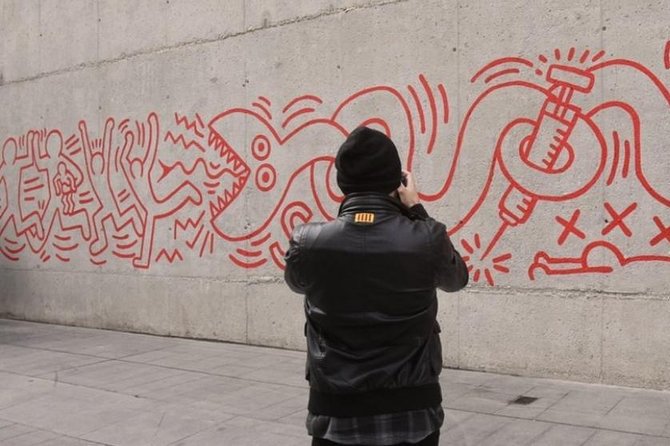
By the end, you should have new “street art habits.” Instead of scanning for the biggest mural, you will start noticing smaller things: details, placement choices, and repeated visual themes.
People talked about:
- seeing fine details and dimensions that you would miss at casual glance
- learning that some works change over time—daily, weekly, or monthly
- getting photo guidance so you capture the story, not just the paint
That last part sounds small, but it matters. Street art is often visual shorthand. When you know what the guide points out, your photos turn into a personal archive of style and meaning.
Price and Value: Is $32.58 a Fair Deal?
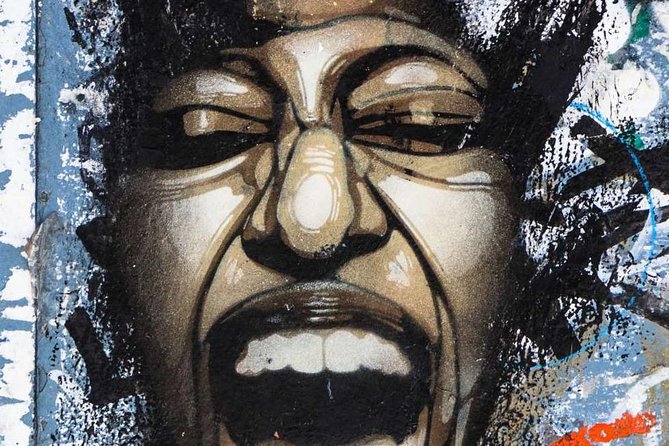
At $32.58 per person for around two hours, you are paying for something many self-guided walks do not give you: interpretation plus local street-level access.
Here’s the value equation I see:
- You get a local guide who can explain the work you are looking at while you are still in front of it.
- You get a small group (max 15), which keeps the pace flexible and makes questions reasonable.
- You get a specific culture stop at Tres Chemineas, not just a random walk past street art.
You do not get hotel pickup, and food/drinks are not included. But that’s normal for this style of walking tour, and it also keeps the cost from inflating into something you have to “plan around.”
If your goal is simply to stroll and snap photos, you might feel the price is high. If your goal is to learn how to read street art in Raval, this price starts looking very fair.
Getting the Start Spot Right (and Avoiding a Stress Spiral)
One practical tip from a real experience: there’s a known confusion risk between the start and the end. The start is at Jardins Talía Sant Antoni, while the end is near MACBA at Plaça dels Àngels.
If you are relying on an app to navigate, double-check which location it’s sending you to. A review described the tour ending spot instead of the beginning, which created anxiety until the guide coordinated a workable solution. Avoid that drama by confirming the meeting address before you head out.
Who This Tour Suits Best
This is a strong fit if you:
- want off-the-beaten-path Barcelona without giving up comfort or a clear route
- like street art, graffiti, and the stories behind them
- want a first-time-friendly introduction to Raval that is still grounded in local reality
It may not be ideal if you want mostly big-name sights or long museum-style time. This tour is about learning to see—and about walking a neighborhood where the art is part of everyday life.
Also, the group size being capped at 15 is helpful for families and mixed groups. One review called it a great family-friendly way to explore Barcelona beyond the obvious.
Should You Book This Street Art Tour?
I’d book it if you want a smart, guide-led way to understand Raval’s street art instead of just scanning walls. The small-group format, the chance to learn from artists like Juan and Olga, and the stop at Tres Chemineas make it feel like more than a sightseeing walk.
Skip it only if you know you prefer silent exploration or you are likely to arrive at the wrong place due to navigation confusion. If you can solve that one logistics issue, you will probably walk away with a fresh way of reading Barcelona.
FAQ
How long is the Raval street art and graffiti guided tour?
It runs about 2 hours (approx.).
How big is the group?
The tour has a maximum of 15 travelers.
What language is the tour offered in?
It is offered in English.
Where does the tour start and where does it end?
It starts at Jardins Talía Sant Antoni, Eixample, 08015 Barcelona, and ends at Museu d’Art Contemporani de Barcelona, Plaça dels Àngels, 1, Ciutat Vella, 08001 Barcelona.
Is hotel pickup or drop-off included?
No, hotel pickup and drop-off are not included.
Are food and drinks included?
No, extra food and drinks are not included.
Do I get a mobile ticket?
Yes, it includes a mobile ticket.
Is there a way to cancel for a refund?
Yes. You can cancel for a full refund up to 24 hours in advance of the start time.
When will I receive confirmation after booking?
You receive confirmation at booking unless you book within 2 days of travel, in which case confirmation comes within 48 hours, subject to availability.
Is the tour suitable for most people, and can service animals join?
It’s near public transportation, and most travelers can participate. Service animals are allowed.