REVIEW · BARCELONA
Barcelona: Street Art & Visit to Galleries Tour
Book on GetYourGuide →Operated by ArtistaTours · Bookable on GetYourGuide
Street art in Barcelona, guided by the artists. I love the street-to-gallery rhythm, and I love how guides like Damil, Leo, and Loci connect the murals to real city stories and the ideas behind them. One heads-up: the pace is fast, with short, guided looks at each stop, so you’ll want to plan time to linger on your own afterward.
You’ll start at Plaça Universitat and move through areas like La Rambla and Carrer d’Avinyó with a small group (up to 10). The tour ends at working galleries such as Artevistas and Base Elements, where the art keeps going after the street walk, and even the gallery owner can add context.
This is an outdoors-heavy stroll, so wear comfy shoes. Also, no luggage or large bags, and there’s a no-alcohol/no-drugs rule, so keep it simple and pack light.
In This Review
- Key things I’d plan around
- Finding the Tour Start at Plaça Universitat (Blue Umbrella Rules)
- How the Street Art Walk Works: Short Stops, Big Context
- La Rambla to Carrer dels Tallers: What You’ll Notice on the Streets
- Plaça de Castella and the Port of Call for Meaning
- The Mural del SIDA (Keith Haring): Why This Stop Matters
- Barcelona Museum of Contemporary Art and the Surrounding Stops
- Carrer d’Avinyó 39: Seeing Street Art in Real City Space
- Artevistas Gallery and Base Elements Gallery: The Ending That Clicks
- Value Check: Is $23 Good for 2.5 Hours?
- Who This Tour Is Best For (and Who Should Skip It)
- Practical Tips That Make the Difference
- Should You Book This Barcelona Street Art and Gallery Tour?
- FAQ
- How long is the Barcelona Street Art & Galleries Tour?
- Where do we meet the guide?
- What galleries are included?
- Is the tour wheelchair accessible?
- What group size should I expect?
- Are large bags or luggage allowed?
Key things I’d plan around
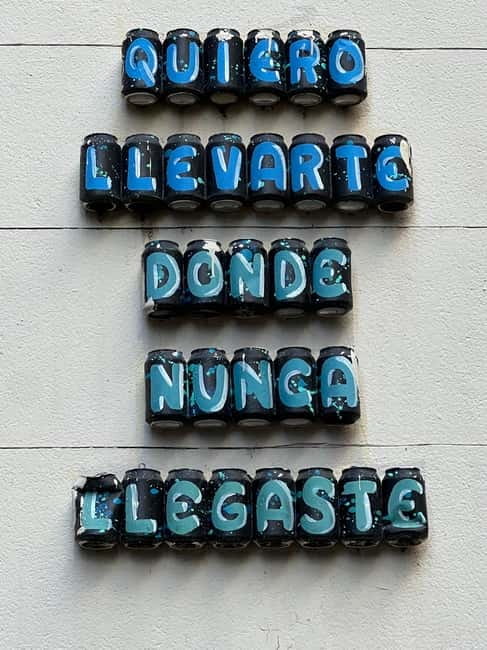
- Small-group pace (up to 10 people) keeps it chatty and not chaotic
- Plaça Universitat meetup with a blue umbrella makes it easy to find your guide
- Keith Haring’s Mural del SIDA stop gives you street art history with a pop-culture anchor
- Short guided looks along the way mean you’ll see more, but you may want follow-up time
- Gallery visits at Artevistas and Base Elements show how the story shifts from street walls to gallery rooms
- You might meet an artist if the schedule lines up (it happened on at least one tour I’ve seen described)
Finding the Tour Start at Plaça Universitat (Blue Umbrella Rules)
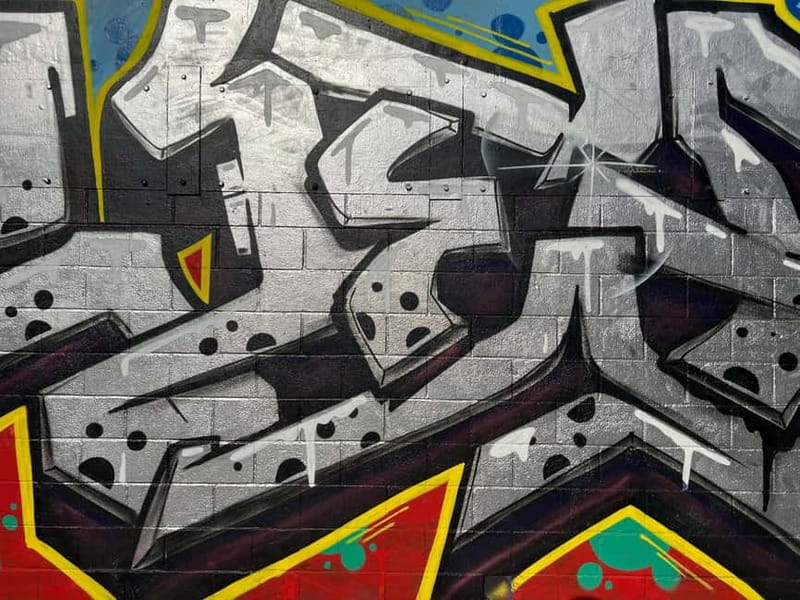
The meeting point is right by the metro station Universitat, in the center of Plaça Universitat. Your guide holds a blue umbrella, which is great because Barcelona has plenty of people walking around, and you don’t want to spend your first 10 minutes playing where’s-waldo.
This is also a good spot to get your bearings fast. Before the walk begins, you can easily grab a coffee nearby or do a quick scan for directions. The tour is only 2.5 hours, so that early setup time matters.
One practical note: because the group is small, arriving on time helps. If you’re late, you can end up chasing the group through narrow streets that don’t really forgive slow starts.
You can also read our reviews of more museum experiences in Barcelona


How the Street Art Walk Works: Short Stops, Big Context
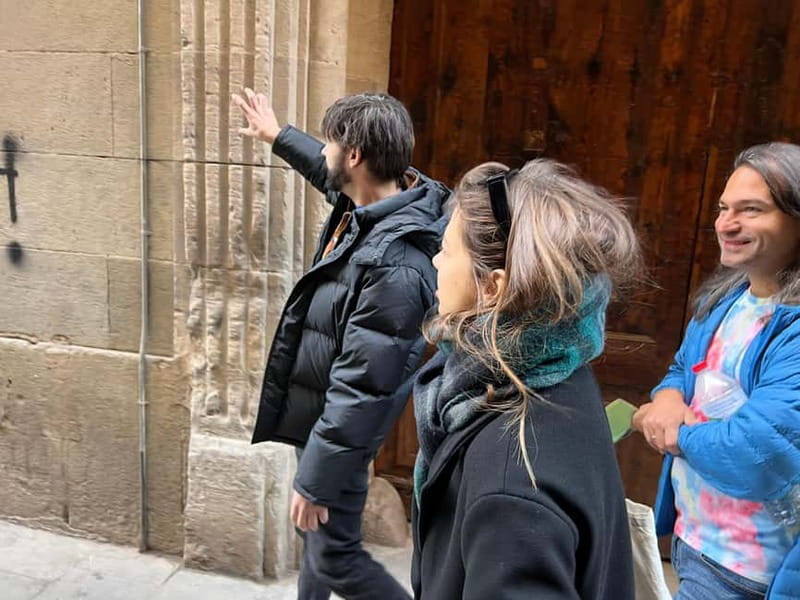
The structure is simple. You’ll take a guided look at one spot, then move on. Each main stop is around 10 minutes, which keeps energy up and lets you hit a range of styles—from street walls that look like they’ve always been part of the city, to more modern works that feel like they belong in today’s conversations.
Here’s what I like about this setup: you get enough time to understand what you’re seeing. Then you move before your brain melts from staring at walls for an hour straight. It also helps you compare murals and messages across different neighborhoods without losing the thread.
The trade-off is also clear. If you’re the type who wants to stand in front of one mural for 30 minutes, you’ll probably want to return later on your own. This tour is designed to give you the map, the vocabulary, and a mental checklist of what to notice next.
La Rambla to Carrer dels Tallers: What You’ll Notice on the Streets
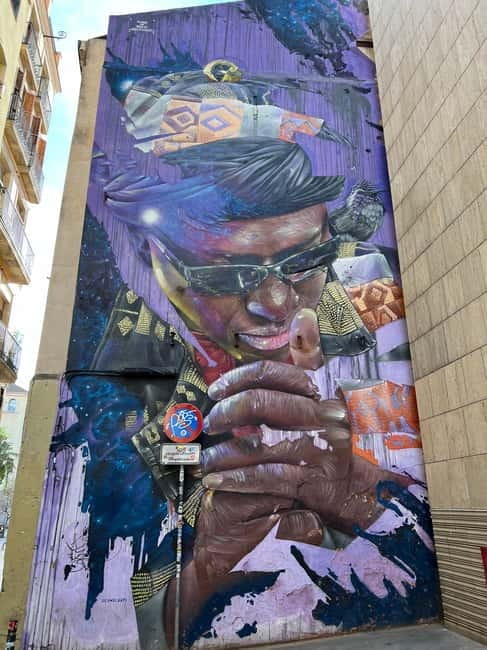
The walk starts with a stop on La Rambla, where you’ll get your first guided grounding in how Barcelona’s urban art scene fits into the city. Even if you’ve seen street art elsewhere, La Rambla can help you understand the contrast between tourist-facing Barcelona and the more creative side that works in the cracks.
Then you move into streets like Carrer dels Tallers and around nearby back passages. These are the kinds of streets where you spot details you’d miss if you were just walking with your phone at eye level. The tour’s value is in pointing out what the artists are doing—styles, symbols, references, and the messages that sit behind the paint.
You’ll also get context on what artists are trying to express. That’s not just academic talk. It changes how you read the art on the street. Suddenly you’re not just seeing color and characters—you’re seeing choices: what gets emphasized, what gets repeated, and how a wall can act like a public bulletin board.
If you like art that has opinions, this route is built for you.
Plaça de Castella and the Port of Call for Meaning
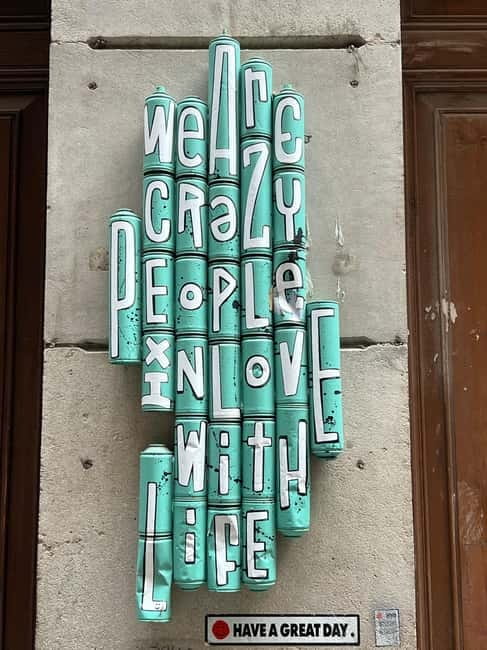
Plaça de Castella is the kind of pause that keeps the tour from feeling like a nonstop hallway. It’s a spot where you can regroup, look around, and reset before the next mural-focused leg.
I also like that the route isn’t only about famous names. It blends recognizable areas with smaller stops along the way. That matters because street art is temporary. Even when a wall looks permanent, the scene around it changes—new works appear, older ones fade, and the city keeps re-writing the canvas.
So think of each stop as a “chapter,” not a museum label. The guided points help you connect those chapters into something you can remember.
The Mural del SIDA (Keith Haring): Why This Stop Matters
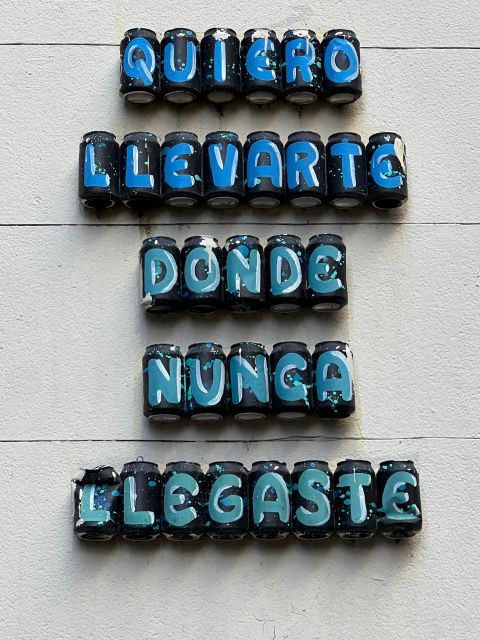
One of the standout anchors on the tour is the Mural del SIDA, specifically the Keith Haring connection. This is the kind of stop that gives you more than a photo moment. It helps you see street art as social language.
Keith Haring’s artwork is often associated with bold, readable visual symbols and messages that travel fast. On this tour, the point isn’t only recognizing a name—it’s understanding why that style works on a public wall. A mural like this turns a street corner into a platform, and it shows how pop-art energy can be used for serious cultural themes.
If you’re even mildly curious about how art crosses from gallery walls into street activism, this is worth your attention.
A few more Barcelona tours and experiences worth a look


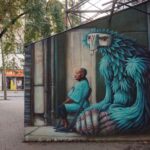

Barcelona Museum of Contemporary Art and the Surrounding Stops
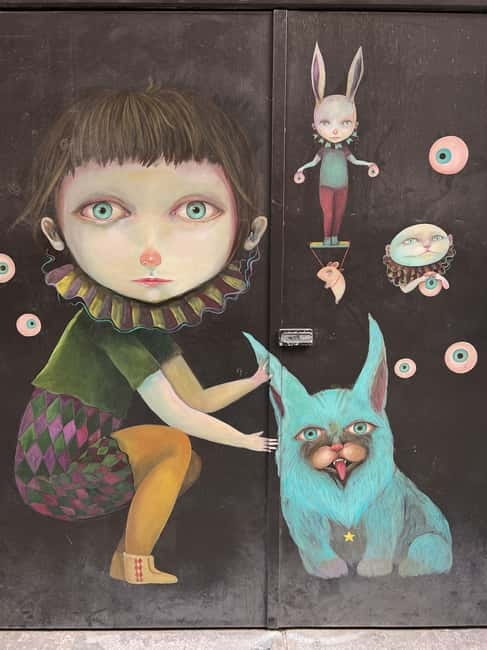
Midway through, you’ll spend time around the Barcelona Museum of Contemporary Art area. The tour includes a guided look around it, which helps connect what’s happening in contemporary art spaces to what’s happening on streets.
That connection is the quiet genius of this tour. It avoids the “street art is separate from everything else” mindset. Instead, it treats the street as part of the broader art conversation.
You’ll also pass through Passatge del Crèdit, another stop that helps you slow down and notice how the city itself shapes art. Alleyways and connectors change sightlines. They can turn a wall into a stage and make the art feel like it’s talking directly to the person walking by.
If you’re the kind of person who likes to understand a city’s layout as much as its attractions, you’ll appreciate these sections.
Carrer d’Avinyó 39: Seeing Street Art in Real City Space
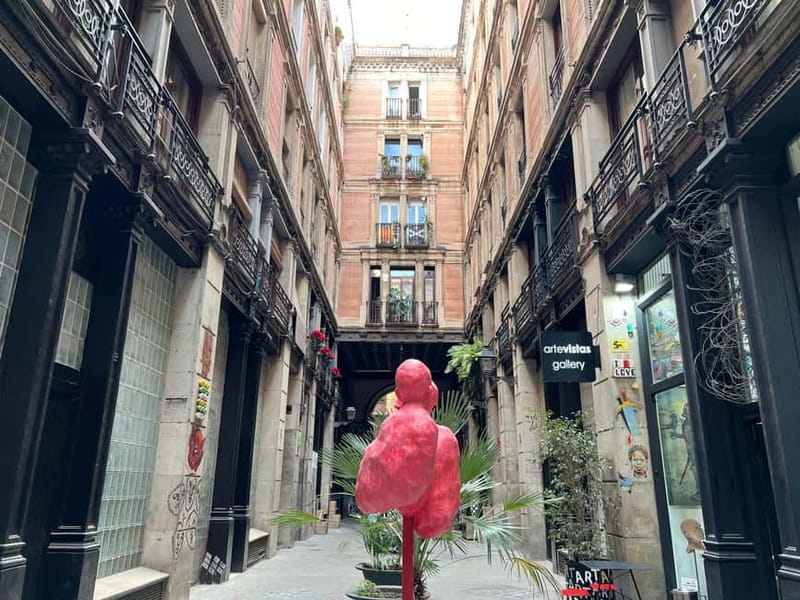
Carrer d’Avinyó, 39 is another specific stop that helps you connect what you’re learning to a real Barcelona address, not just a generic “cool mural street.”
This is one of those places where the tour framing helps. The guide’s job is to teach you how to read a wall: the influence of local culture, the message in the composition, and how an artist’s choices communicate without needing text explanations.
It’s also a reminder that street art is not something you look at from behind glass. It’s on a working city wall, next to daily life. That’s part of why it feels different from museum art.
Artevistas Gallery and Base Elements Gallery: The Ending That Clicks
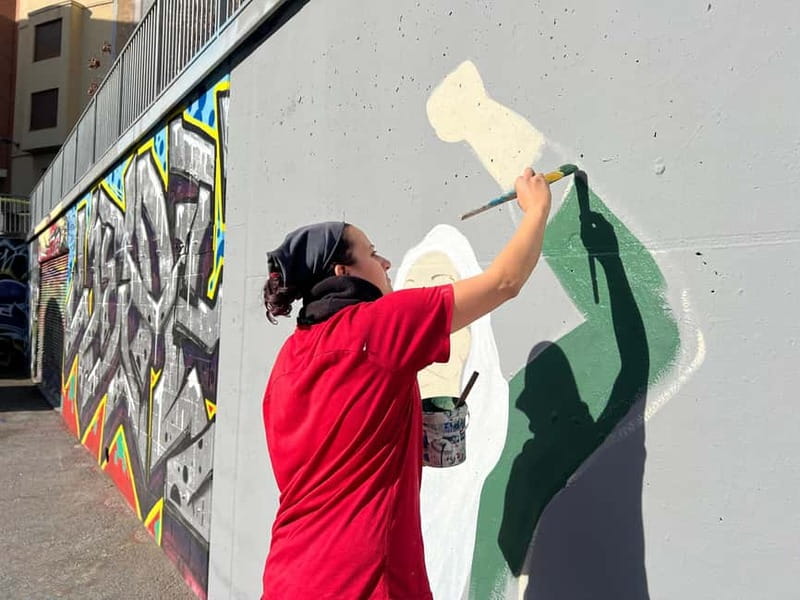
After the street walk, the tour shifts into galleries, and that’s where the experience really pays off.
You visit Artevistas Gallery first, and then Base Elements Gallery to wrap things up. The idea is that you’ll see how street art themes carry into more formal art settings. A gallery doesn’t replace the street. It reframes the work—context changes, scale can change, and the conversation becomes more explicit.
This ending has a practical benefit too. If you fall in love with certain artists or styles during the street portion, the galleries are where you can explore them more fully without scanning random walls all day.
Also, the gallery portion can be surprisingly personal. On at least one described tour experience, the owner was informative and helped make the final stop more than just a quick entry-and-out. And on one tour, participants even had a chance to meet an artist—exactly the kind of moment you don’t get on a typical sightseeing walk.
Value Check: Is $23 Good for 2.5 Hours?
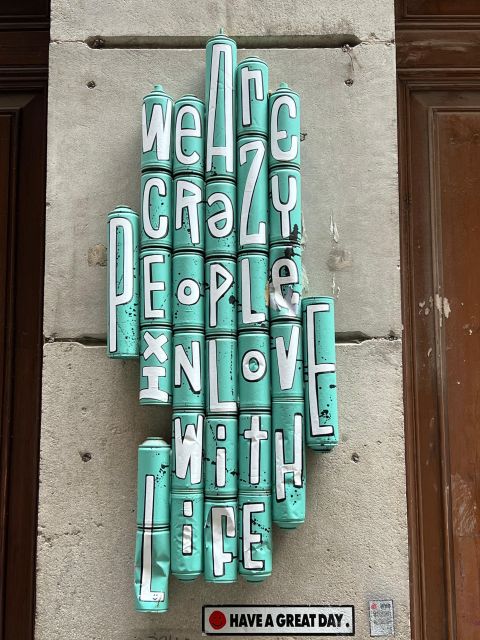
At $23 per person for about 2.5 hours, this tour is priced in a way that feels fair—especially because you’re not only walking. You get access to gallery spaces plus guided storytelling across multiple street art sites.
Here’s how I’d judge the value:
- You’re getting more interpretation than you’d get on your own. Without a guide, you can still spot murals, but you’ll miss the connections that make them meaningful.
- You’re getting both street and indoor context without having to plan two separate outings.
- Small group size (up to 10) makes it easier to ask questions instead of receiving a one-way lecture.
You can find cheaper walking tours in Barcelona, sure. But when you factor in that the route is specifically street art–focused and the ending is at working galleries, the price feels like it’s aiming for quality, not just distance covered.
Who This Tour Is Best For (and Who Should Skip It)
This tour is a strong fit if:
- You love street art and want Barcelona-specific context
- You want modern gallery time but don’t want a full museum day
- You like asking questions and getting story-level details, not just names
You might want a different option if:
- You want long, quiet viewing time at each artwork
- You’re carrying large luggage (it’s not allowed)
- You need a lot of time indoors to avoid weather; the street portion is outdoors
If you’re on your first or second day in Barcelona and you want your street art senses calibrated, this works well. It gives you direction. Then you can return on your own with a better eye.
Practical Tips That Make the Difference
A few things will help your tour day go smoother:
- Wear shoes you can walk in for 2.5 hours. Some streets are uneven and narrow.
- Keep your bag small. Luggage or large bags are not allowed.
- Bring a charged phone/camera, but also plan to look up. Street art has layers, and the tour helps you catch them.
- If you’re sensitive to crowds, the small-group size helps a lot. Still, start close to the meeting time so you don’t rush later.
One more helpful tip: after the tour, give yourself time to revisit the stops you liked most. The tour gives you the map and the reading skills. Your second pass is when it turns into your personal favorites.
Should You Book This Barcelona Street Art and Gallery Tour?
Book it if you want a guided Barcelona street art route that doesn’t treat murals like random decorations. You’ll get a focused walk, strong context, and a gallery ending at places like Artevistas and Base Elements.
Skip it if you’re looking for a long museum-style experience or you hate quick stop-and-go sightseeing. This one is designed for momentum and learning, not slow wandering.
If you’re excited by the idea of seeing street art and contemporary spaces in one coherent day, this tour is a solid value at $23 and a smart use of your limited time in the city.
FAQ
How long is the Barcelona Street Art & Galleries Tour?
The tour lasts 2.5 hours.
Where do we meet the guide?
You meet the guide right by the metro station Universitat in the center of Plaza Universidad. The guide has a blue umbrella.
What galleries are included?
The tour includes visits to Artevistas Gallery and Base Elements Gallery.
Is the tour wheelchair accessible?
Yes, the tour is listed as wheelchair accessible.
What group size should I expect?
It’s a small group, limited to 10 participants.
Are large bags or luggage allowed?
No. Luggage or large bags are not allowed, and alcohol and drugs are also not allowed.