REVIEW · BARCELONA
Barcelona Street Art and Graffitti Bicycle Tour
Book on Viator →Operated by Barcelona Street Style Tour · Bookable on Viator
Murals meet bikes in real Barcelona. This street art and graffiti bicycle tour mixes a breezy ride along the beach with a cut through Poblenou, where the city shifts from postcard views to raw, wall-to-wall creativity.
I like two things a lot. First, you cover real ground fast, so you see more than you’d manage on foot. Second, the guide doesn’t just point at art; they share the ideas, terminology, and how artists grow over time, and guides like Mike often come up in the best reviews.
One consideration: this is still a bike ride. Even when you’re on a speedy setup, you’ll be pedaling for a few hours, and it’s not an e-bike experience.
In This Review
- Key Things to Know Before You Ride
- Why This Tour Works When You’re Tired of the Same Sights
- Getting There: Meet at Carrer dels Escudellers and Roll Out Together
- From City Center to the Beach Promenade: Why the Route Starts Easy
- Poble Nou: The Post-Industrial Backdrop for Graffiti and Street Art
- The Street Art Stops: What You’ll Actually Learn While You Look
- Guide Energy Matters: When Mike Turns Walls Into Stories
- Bike Comfort and Effort: A Speedy Ride, Not a Workout Challenge
- Price and Value: Why $41.13 Makes Sense for What You Get
- What’s Included vs. What You Need to Plan
- Who This Tour Suits Best (and Who Might Prefer Something Else)
- Make the Most of Your Ride
- Should You Book This Barcelona Street Art Bike Tour?
- FAQ
- How long is the Barcelona Street Art and Graffiti bicycle tour?
- What is the price per person?
- Where do I meet, and where does the tour end?
- Is a bicycle and helmet included?
- Is food or alcohol included?
- What language is the tour offered in?
Key Things to Know Before You Ride
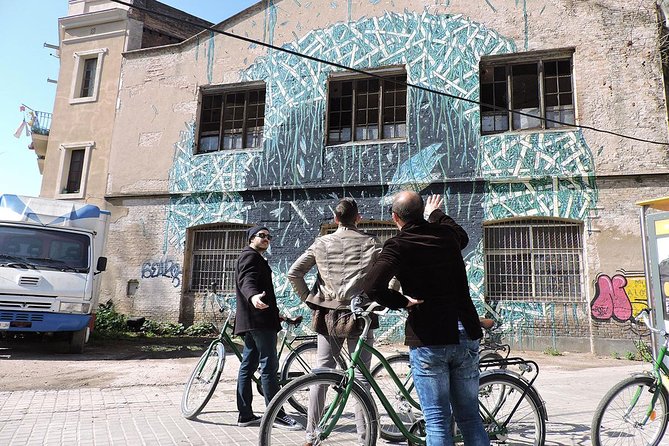
- Poble Nou, not the postcard zones: you pedal into a post-industrial neighborhood where street art feels like part of everyday life.
- Beachfront first, then inland: the route uses the coastline to help you move before you start hunting murals.
- Photo-friendly stops without parking stress: you can pause for pictures without wrestling with where to park a car.
- Helmet and bike included: you don’t have to hunt down gear before you go.
- Small group cap (15 max): it’s set up so you can hear your guide and keep the pace.
- English is standard, guides may vary: the tour is offered in English, and some guides may be multilingual.
Why This Tour Works When You’re Tired of the Same Sights
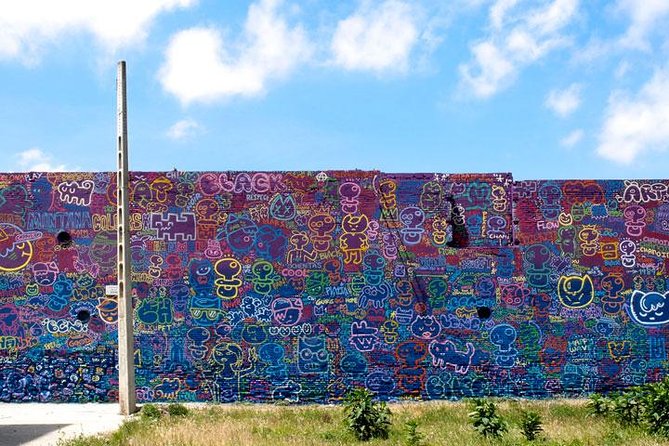
Barcelona has plenty of art, but most first-time plans feel like a checklist. This tour flips the focus to the walls: graffiti, street art, and the stories behind them. The bike part matters because it helps you get out of the “main streets only” habit fast.
The magic is the blend. You start with the easy romance of cycling near the water, then you shift into a different Barcelona mood once you reach Poblenou. That change of scenery is what makes the whole experience feel like you left the tourist bubble for a while.
A few more Barcelona tours and experiences worth a look

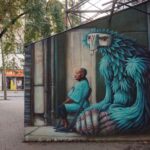
Getting There: Meet at Carrer dels Escudellers and Roll Out Together
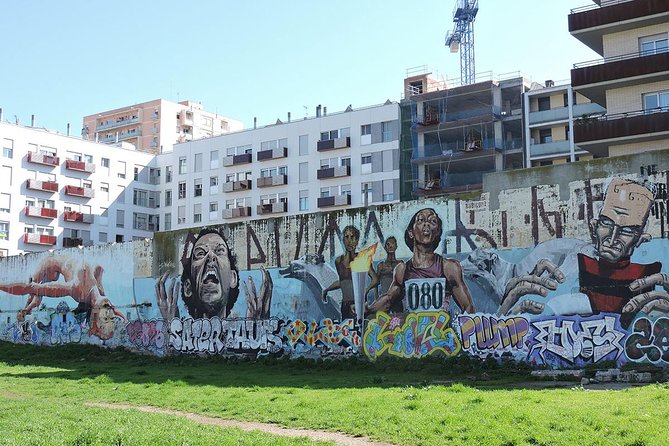
The tour meets at Carrer dels Escudellers, 48 in Ciutat Vella. It ends back at the same meeting point, so you’re not dealing with the stress of a distant drop-off.
This matters more than it sounds. When the start and finish are the same, you can plan your afternoon (or morning) without playing time Tetris. Also, since it’s near public transportation, you can usually stitch it into a day of museum stops, beach time, or neighborhood wandering without major rerouting.
Timing is also straightforward: it runs daily during the 10:00 AM to 3:00 PM window. With a ride time of about 2 to 3 hours, you get a compact “half-day feel” without committing to a long activity.
From City Center to the Beach Promenade: Why the Route Starts Easy
The first leg is a cycle from central Barcelona toward the water, following the beach area to set you up for the rest of the tour. That beachfront start is smart for two reasons.
1) It gets you moving right away.
2) It reduces friction. You’re not immediately climbing into the thick of street-art hunting with everyone already exhausted.
You’ll likely feel the rhythm of Barcelona on two wheels here: the coastline makes it feel lighter, and the ride is paced so you can stay alert for the street details once you head into the neighborhood. One of the best parts is that the tour’s structure helps you keep going instead of stopping every few minutes to find parking, map your route, or second-guess directions.
Poble Nou: The Post-Industrial Backdrop for Graffiti and Street Art
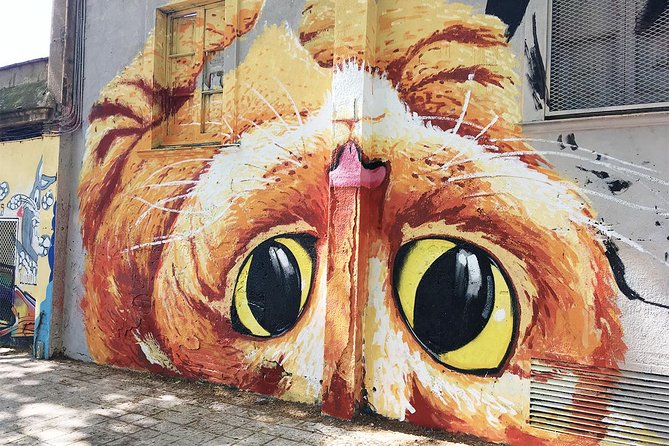
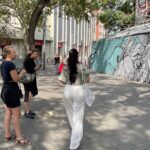
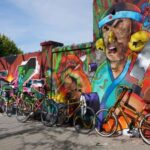
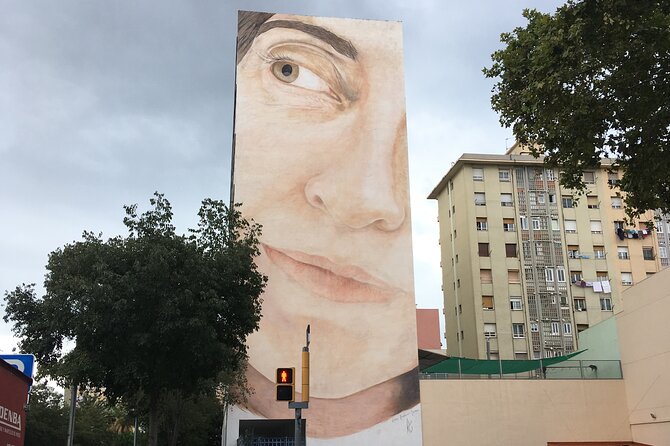
Then comes the shift: you cut into Poblenou, a neighborhood where street art doesn’t feel like a side project. It feels integrated—like the walls are keeping up with the city’s own evolution.
This is where you get the “beyond the guidebooks” angle in real terms. On foot, it’s easy to miss the areas that are visually loud but off the classic routes. On a bike tour, you can cover the distance and still stop when something demands attention.
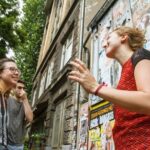
You’re not just looking at art as decoration. You’re learning how to read it. The guide typically explains terminology and the way the art scene develops over time—how an artist’s style, themes, and presence can change as they go.
And yes, you’ll be stopping for photos. The tour is designed so those pauses don’t turn into a logistical headache. No parking search. No awkward standstill. Just a quick stop, picture, and then back on the bike.
The Street Art Stops: What You’ll Actually Learn While You Look
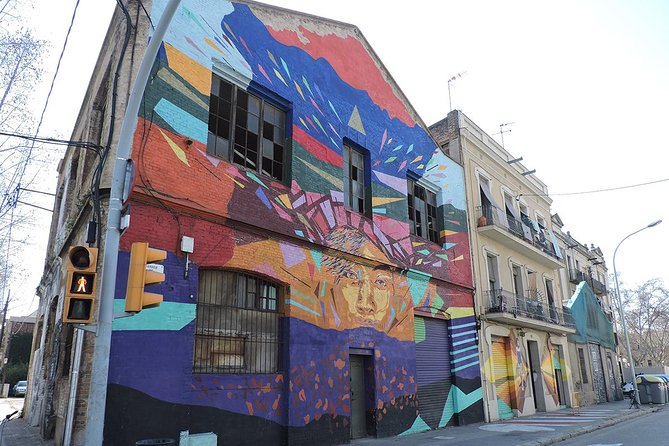
Graffiti and street art can feel like a blur if you only have visual impressions. The value here is that you get help putting meaning behind what you see.
From the experience descriptions and standout comments, the guide covers things like:
- History and background of the street art scene (not just names on a list)
- Current context, including themes tied to politics and local culture
- Stories behind specific works, where the artwork connects to what’s happening in the neighborhood
- How artists progress over time, which helps you spot development instead of treating each wall as a one-off
You also learn practical “watching skills.” Once you understand a few core terms and how styles evolve, you start noticing how tags, lettering, characters, stencils, and larger pieces communicate differently. That’s when the tour stops feeling like a sightseeing loop and starts feeling like a mini crash course.
Even better, you’re not staring at screens or reading from labels. You’re outdoors, moving, and learning in the same flow as the visuals.

Guide Energy Matters: When Mike Turns Walls Into Stories
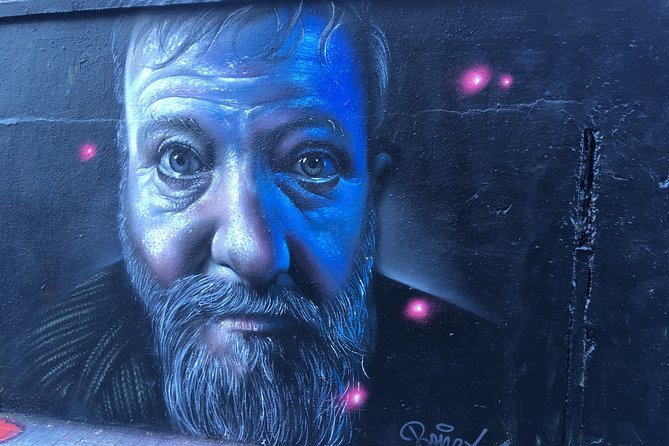
A huge portion of this tour’s satisfaction comes down to the guide. In the strongest feedback, Mike (and sometimes Michael) is praised for being both enthusiastic and ready with real explanations.
In plain terms, the best guides do two things:
- They keep the ride fun and paced so everyone stays engaged.
- They translate what you’re seeing into context you can actually use.
There’s also a reminder that guide style can vary. One negative note described a guide who seemed uncommunicative and relied on rote delivery. If you’re the type who wants a back-and-forth conversation, you’ll likely have the best time if you ask questions as early as you can and gauge whether the guide is responsive.
If the guide is on form, you’ll come away feeling like you understand the scene a lot more than when you arrived. That’s a rare win for a tour that’s also active and outdoors.
Bike Comfort and Effort: A Speedy Ride, Not a Workout Challenge
You get a bicycle and a helmet included. That’s not just “nice to have”—it’s practical. It removes the gear hassle and keeps the tour moving at a consistent pace.
The ride setup is described as comfortable and doable even for people who don’t ride constantly. One comment specifically noted 3-speed non-e-bikes, and that they didn’t feel like they needed an e-bike. Another highlighted that it’s a fairly easy ride that lets you cover a lot of ground.
So what should you expect in effort terms? Plan for moderate pedaling. This isn’t a leisurely stroll, and it isn’t described as a purely strenuous spin class either. The “fast enough to cover more ground” part is the point.
Also, the bike structure helps with safety and focus. Several comments mention feeling safe even during busier stretches. If you keep your eyes forward and follow the group rhythm, it should feel straightforward.
Price and Value: Why $41.13 Makes Sense for What You Get
At $41.13 per person for about 2 to 3 hours, this isn’t an expensive splurge. The value comes from bundling three things together:
- Use of bicycle
- Use of helmet
- Professional local guide
Many sightseeing options charge for the guide alone, and you still end up paying for transport or figuring out routes yourself. Here, you’re paying for movement plus interpretation, and the bike lets you reach areas you’d likely skip if you were relying on transit and walking.
Small group size also supports value. With a maximum of 15 travelers, you’re less likely to be stuck behind someone’s camera during important explanations. In at least one case, the group was small enough (around five people) that the vibe felt personal without losing the social energy of group travel.
If you want more than a photo walk—if you want explanations that connect what you see to what the street art means—this price is in the sweet spot.
What’s Included vs. What You Need to Plan
Here’s the clean breakdown.
Included:
- Bicycle use
- Helmet use
- Professional local guide
Not included:
- Food and drinks
- Alcoholic drinks (available to purchase)
- Hotel pickup and drop-off
That last point is worth noting. You should be ready to get yourself to the meeting spot in Ciutat Vella. The payoff is that the tour can stay focused on the ride and the street art, instead of spending time detouring for pickups.
Since food and drinks aren’t included, plan around your hunger. Also, don’t count on this being an all-day experience; it’s built as a focused window so you can go do other things after.
Who This Tour Suits Best (and Who Might Prefer Something Else)
This is a strong fit for you if:
- You like cycling and want to cover distance without racing around on your own.
- You care about street art beyond just photos—history, local context, and how the scene works are the point.
- You want to see Poblenou without spending half your day figuring out where to start.
It’s also a good choice if you’ve already done the major “hits” and want a different side of the city. One of the best impressions is how it can break the mood after more famous architecture, because street art gives you a different kind of storytelling.
If you don’t like bikes at all, or if you’re worried about pedaling for a couple hours, you might feel more comfortable with a walking tour instead. The tour is not positioned as a sit-down museum experience.
Make the Most of Your Ride
A few practical moves help:
- Bring a phone or camera you can hold easily while stopping for photos.
- Wear clothing you can move in, since the ride is the backbone of the experience.
- Since there’s no food/drinks included, plan when you’ll eat before or after.
Most importantly, go in ready to look and listen. Street art rewards attention. When you let the guide explain a few details at each stop, the whole neighborhood starts to feel legible.
Should You Book This Barcelona Street Art Bike Tour?
If you want Barcelona that feels lived-in—not just admired from afar—this tour is an easy yes. You get a fast, efficient ride out to Poblenou, the chance to stop for photos without logistics headaches, and a guide-led explanation that turns graffiti from random visuals into something you can understand.
I’d book it if you’re comfortable with biking for a few hours and you like learning the context behind what you see. Skip it if you want a full-day program, you hate cycling, or you’re looking for a quiet, low-energy activity.
FAQ
How long is the Barcelona Street Art and Graffiti bicycle tour?
It runs for about 2 to 3 hours.
What is the price per person?
The price is $41.13 per person.
Where do I meet, and where does the tour end?
You meet at Carrer dels Escudellers, 48, Ciutat Vella, 08002 Barcelona, Spain. The tour ends back at the meeting point.
Is a bicycle and helmet included?
Yes. The tour includes use of a bicycle and a helmet.
Is food or alcohol included?
No. Food and drinks are not included, and alcoholic drinks are also not included (they can be purchased).
What language is the tour offered in?
The tour is offered in English. A multi-lingual guide may operate the tour.