REVIEW · FLORENCE
Florence: Skip-the-Line Uffizi Gallery Small Group Tour
Book on GetYourGuide →Operated by CAF Tour & Travel · Bookable on GetYourGuide
Florence’s art hits different with a good guide. This skip-the-line Uffizi tour gets you into one of Italy’s most famous museums with a smart route through the big names, plus time to roam afterward. You’ll also finish with an Uffizi Terrace view that helps you stitch the paintings to the city outside.
I especially like two things: the tour keeps the group small (limited to 9) and you get a local guide at your side for the key works, not just a ticket and a brochure. And because you have a guaranteed entry time with reservation handling (plus headsets), you spend less time standing around and more time actually looking at the art.
The main drawback to consider is that the guided portion is short (about 1 to 1.5 hours), so you’re choosing highlights, not trying to see everything in a museum that can swallow a full day.
In This Review
- Key things to know before you go
- Why the Uffizi feels worth skipping the ticket queue
- Meet-up, tickets, and the part most people forget: security
- 1 to 1.5 hours with a local guide: the real “route” value
- Botticelli’s moment: Birth of Venus and Primavera (and what to notice)
- The Renaissance roster: Michelangelo, Da Vinci, Giotto, and more
- Uffizi Terrace views and how to use your free time after the guide
- Price and value: what $75.90 buys you (and why it can be smart)
- Timing tips: earlier tours tend to feel better
- Language, group style, and who this suits best
- First Sunday note: free entry can mean no guarantees
- Should you book this Uffizi Skip-the-Line tour?
- FAQ
- How long is the Uffizi skip-the-line small group tour?
- How many people are in the small group?
- Are headsets provided?
- What languages is the tour offered in?
- Does this tour help you avoid waiting in long lines?
- Where do we meet for the tour?
- What should I bring and wear?
- Are luggage bags allowed inside?
- What happens if I arrive late to the meeting point?
- Is the Uffizi free on the first Sunday of the month?
Key things to know before you go
- Guaranteed entry time helps you avoid the ticket counter stress
- Small group (max 9) makes it easier to hear the guide and keep moving
- Headsets improve clarity inside the galleries
- Botticelli is front and center, including Birth of Venus and Primavera
- Uffizi Terrace adds a Florence panorama after the tour
- Arrive at check-in time or you may not join the visit
Why the Uffizi feels worth skipping the ticket queue
The Uffizi isn’t a museum you want to tackle like an obstacle course. Even if you’re a confident planner, you’re still walking into a place that can be crowded at the entrances and around the most famous rooms. This is where skip-the-line access with a reserved entry time pays off: you’re not trying to fight the clock at the ticket counter.
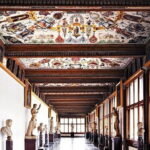
Another reason I like this format is the setting. The gallery is housed in a 16th-century building designed by Giorgio Vasari, so you’re not just viewing art—you’re also moving through a historic structure that shaped how the museum experience feels. It’s one more reminder that the Uffizi is part museum, part architectural “how Florence thinks.”
Also, the tour is built for people who want results. In about an hour to an hour and a half, you’re guided to the works that usually take visitors the longest to locate on their own. That time discipline matters because the museum is huge, and it’s easy to lose momentum before you even hit your top priorities.
You can also read our reviews of more museum experiences in Florence


Meet-up, tickets, and the part most people forget: security
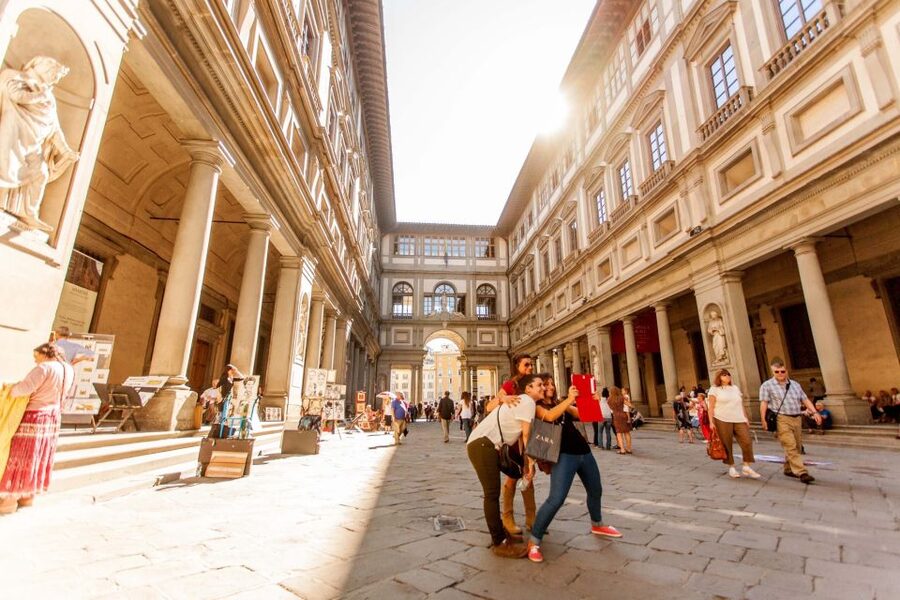
Your day starts with a meeting point that can vary by the option you book, and the tour runs back to that same meeting point. The practical win here is that the process is handled for you: an assistant brings your entrance ticket directly at the meeting point, in front of the museum.
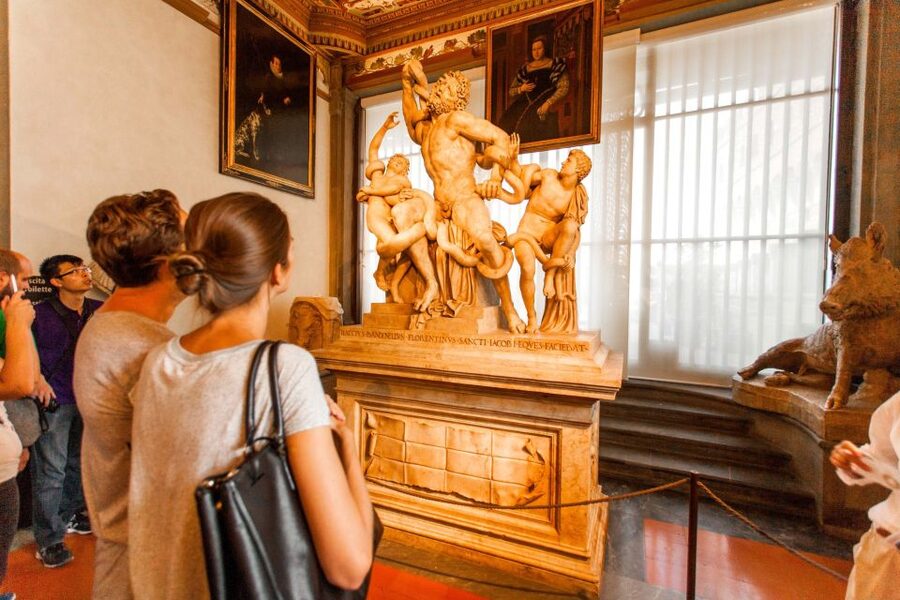
The other practical piece is that this is not a shoes-off-and-waltz-in experience. You’ll pass through museum security, and the tour keeps you moving through it as a group. You should also plan for the restrictions: no pets and no luggage or large bags. If you’re traveling light, this is easier. If you’re not, it can slow you down at the worst possible moment.
Finally, the timing rule is strict. You’re expected to arrive at the meeting point at the stated check-in time. If you’re late, you may not be able to join, and there’s no refund or reschedule if you miss the start. That’s the one rule that can turn a smooth morning into a frustrating scramble.
1 to 1.5 hours with a local guide: the real “route” value
This tour isn’t about sprinting from masterpiece to masterpiece. It’s about using an expert’s eyes to decide what you should look at first—and why. With a group limited to 9 and headsets included, it’s much easier to follow the guide’s explanation without leaning in or losing the thread.
In the best moments, the guide doesn’t just describe what you’re seeing. They connect the works to bigger ideas—like how classical art changed after the fall of Rome and how Renaissance artists brought it back into a new worldview. You’ll likely also get help reading subtle details: symbolism, cues in composition, and the kinds of choices that make Birth of Venus and Primavera more than “pretty paintings.”
A couple of guide names came up in feedback, like Patrizia Ghiribelli and Antonio, and that’s a useful sign. The service is clearly built around guides who enjoy the material and can tell stories in a way that sticks.
Just remember the time window. If you want an all-day self-guided plan, this tour won’t replace it. But if you want a smart hit list—guided, contextual, and efficient—this timing is a good match.
Botticelli’s moment: Birth of Venus and Primavera (and what to notice)
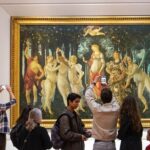
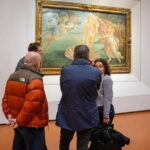
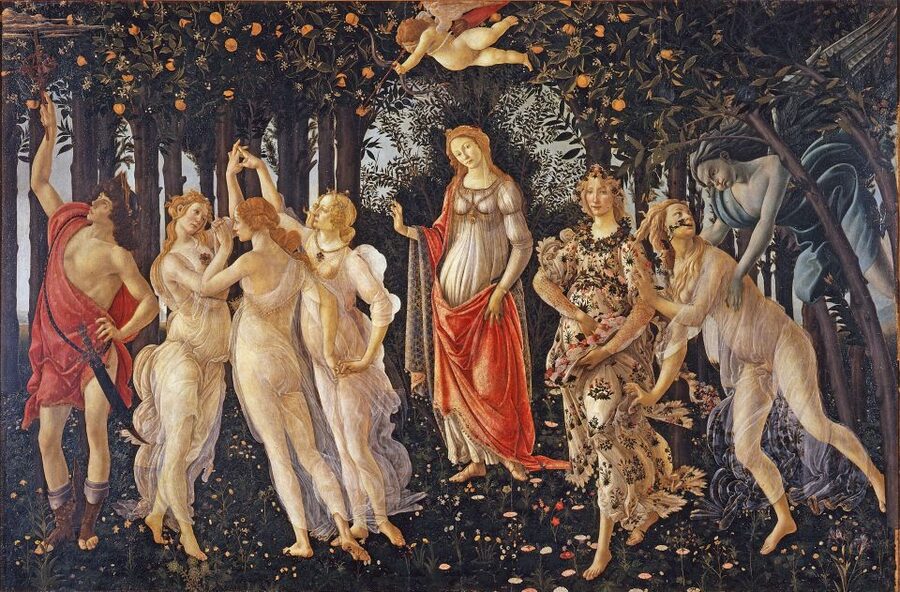
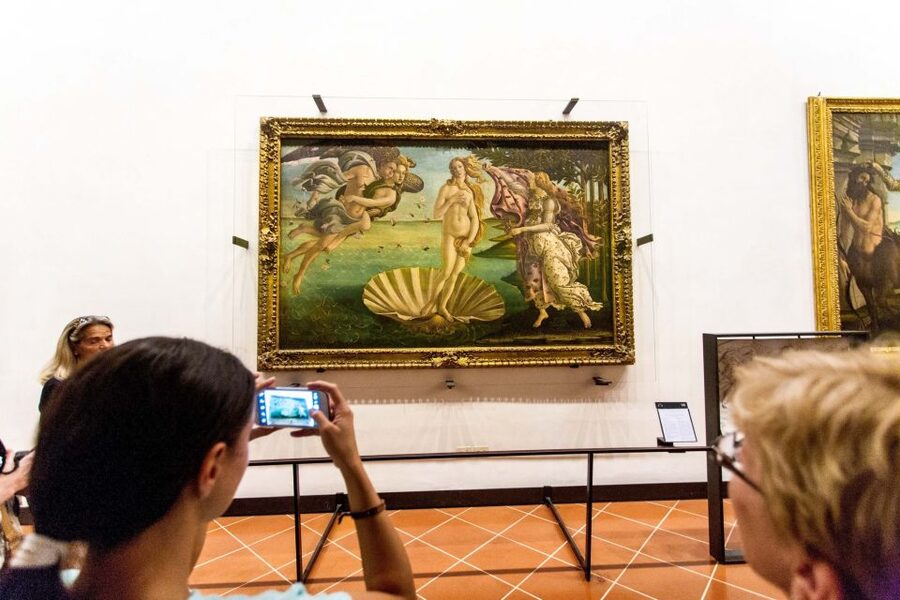
If you care about Renaissance art, Botticelli is where this tour wins. The highlight stop is Birth of Venus, a standout work shown in the gallery’s main exhibition hall. You’ll also see Primavera, another major Botticelli masterpiece.
Here’s the kind of context you’re likely to hear: the tour frames Birth of Venus not just as myth, but as Renaissance Neoplatonic thinking. In that view, the goddess emerging from sea foam represents beauty as something closer to spiritual purity and inner essence—not only physical attraction. That matters because it changes how you look at the painting. You start hunting for meaning, not only surface details.
If you’re standing there wondering what to focus on, this is where a guide helps you get unstuck. You can then do your own quick scan afterward: faces and gaze direction, the way figures relate to each other, and how the myth connects to Renaissance ideas about the human body and the “higher” world.
Even with short time, Botticelli takes center stage. That’s a big reason people leave feeling satisfied: you’re not paying for random wandering. You’re getting a guided look at the works most visitors come to see.
The Renaissance roster: Michelangelo, Da Vinci, Giotto, and more
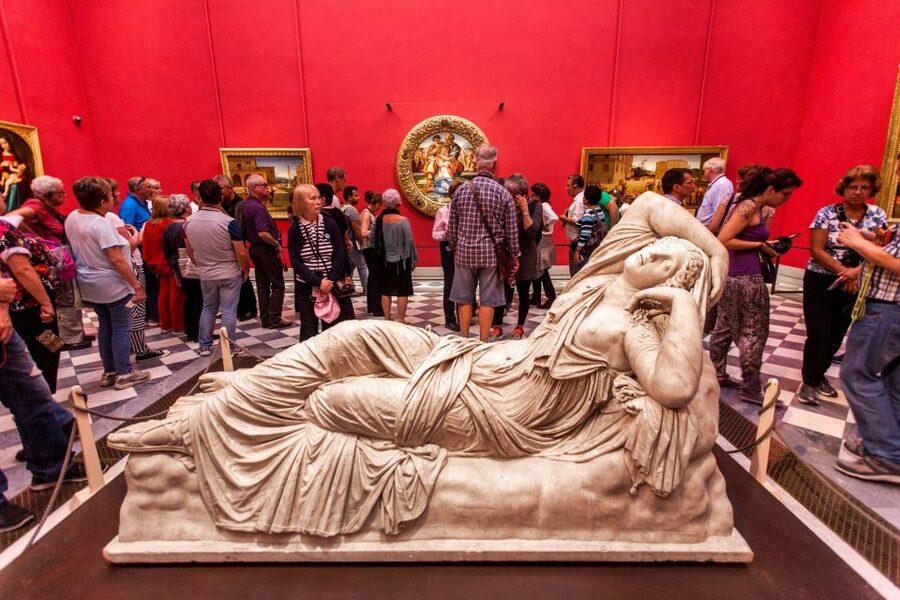
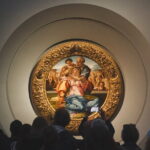
Alongside Botticelli, the tour route is designed to introduce you to heavyweight names like Michelangelo, Da Vinci, and Giotto. You won’t be able to linger forever at every work, but you’ll see enough to understand each artist’s flavor and the way Renaissance art thought evolves across generations.
What I like about this kind of selection is variety. A good highlight plan isn’t just “famous faces.” It’s also pacing and contrast: you might be shown works where symbolism matters as much as technique, then moved to pieces where form, emotion, or realism take over.
If your art knowledge is limited, you’ll still be fine. One of the consistent benefits of guided tours is translation—turning art-school vocabulary into plain language. And with a group that small, it’s easier for the guide to adjust how they explain things if you have questions.
One thing to keep in mind: because the museum is crowded and the schedule is controlled, the route is optimized. That means you might not cover every painting you personally hoped to see. If Botticelli is your number one priority, you’re in the right place. If you have 10 must-sees and they’re all different rooms, you’ll still want to do some self-planning after the tour.
A few more Florence tours and experiences worth a look



Uffizi Terrace views and how to use your free time after the guide
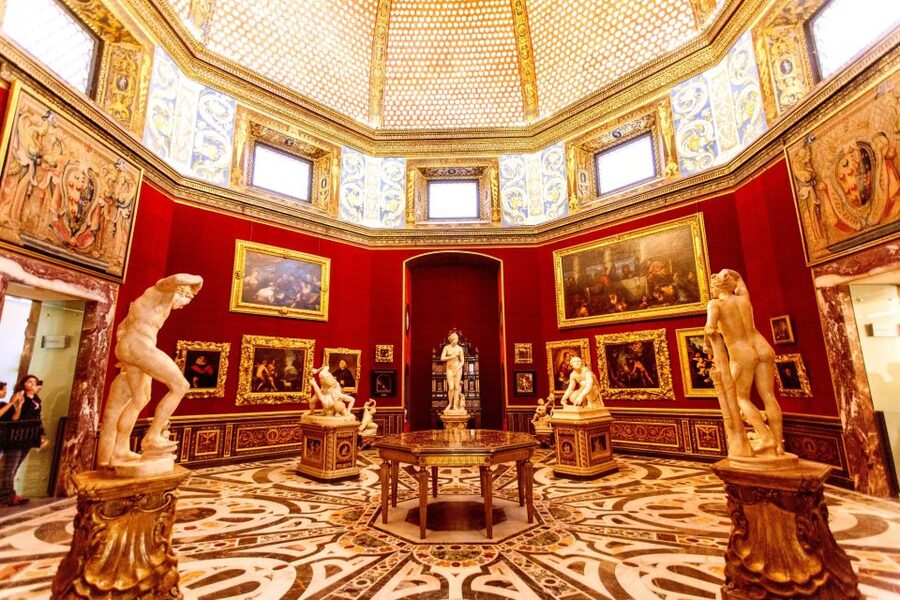
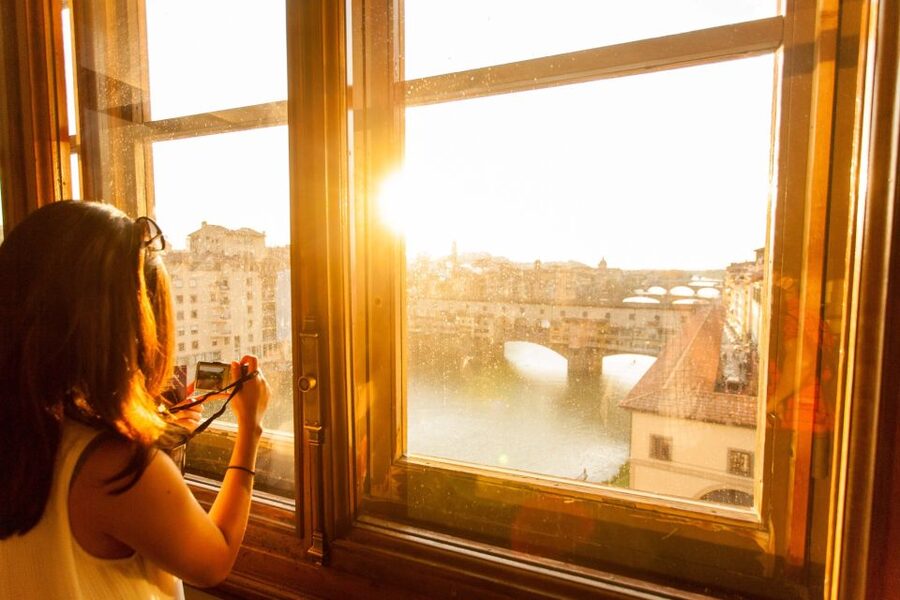
After the guided part, you head to the Uffizi Terrace for an exclusive Florence view. This is more than a photo stop. It gives you orientation fast. When you can see the city layout from above, it’s easier to connect the museum’s stories to the real streets outside.
Then you explore the gallery at your own pace. This is where you can turn the guided highlights into deeper satisfaction. I suggest you do two quick things once you’re free:
- Pick 2 to 3 additional works you want to find next (not 12).
- Decide whether you want to repeat the pieces that felt most meaningful during the tour.
If the first round helped you understand the symbolism behind Birth of Venus or the ideas behind Primavera, you’ll often catch more on a second look. And even if you can’t read every detail, you’ll be able to spot composition choices and recurring themes more easily.
Also, with the time you saved by skipping the ticket queue, you’re less rushed. That turns the Uffizi from a stressful checkbox into an enjoyable art walk.
Price and value: what $75.90 buys you (and why it can be smart)
At $75.90 per person, this isn’t the cheapest way into the Uffizi. But value here isn’t just the ticket—it’s what comes with it.
You get:
- Entrance ticket plus reservation fee
- Guaranteed museum entry time
- A small group guided tour (limited to 9)
- Professional local guide
- Headset so you can actually hear the explanations
When you compare that to buying general entry on your own, the big difference is time and stress. The Uffizi can be hard to navigate when you’re also managing lines, finding the right rooms, and figuring out how to prioritize. Paying for a reserved time and a guide can be worth it if you only have a limited window in Florence.
One more value point: the tour length is efficient. In 1 to 1.5 hours, you should see the main works that define the museum’s reputation. Then you finish with a terrace view and self-paced time, so you get both structure and freedom.
So, is it worth it? For me, it’s a yes if you want guidance, context, and fewer headaches. It’s a maybe if you’re the type who loves spending an entire day drifting room to room without any schedule at all.
Timing tips: earlier tours tend to feel better
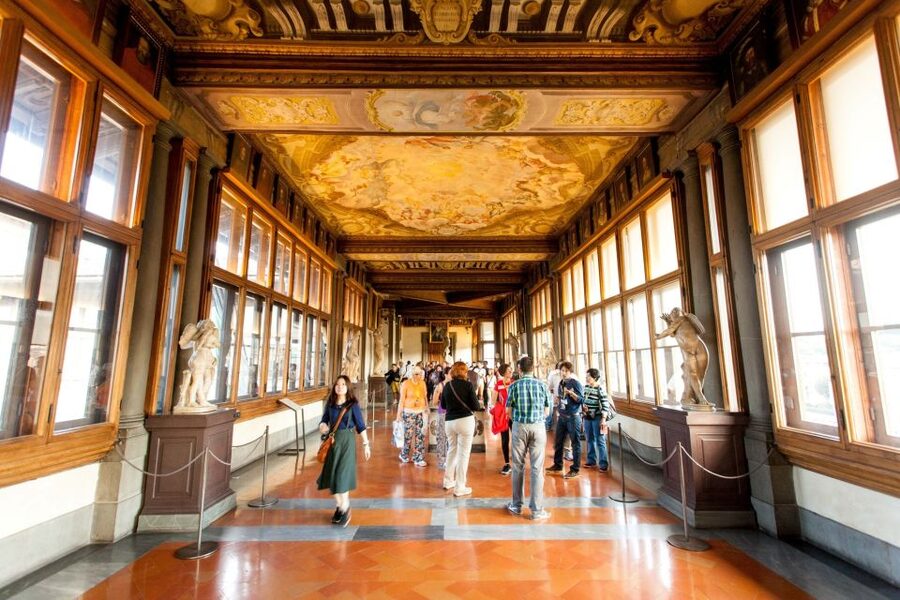
The tour is scheduled for specific start times, and the duration is listed as 1 to 1.5 hours. That range sounds flexible, but your real experience can vary depending on how crowded the museum is and where your group lands in the flow of entry.
One practical piece of advice: choose an earlier time if you can. It’s the simplest way to protect your guided time and avoid feeling rushed when staff start managing exits later in the day.
Also, plan your arrival carefully. This tour is strict about check-in time at the meeting point. If you’re juggling trains, buses, or multiple stops that day, give yourself buffer time. No one wants their Uffizi day decided by a last-minute delay.
Language, group style, and who this suits best
The tour runs with live guidance in Spanish and English, and it’s designed as a small group experience. Depending on the season, the service also notes language scheduling: from April to October it’s monolingual, while from November 1, 2024 to March 31, 2025 Spanish is confirmed with a minimum of 4 participants. There’s also a note that the guided service may run in two languages for operational reasons.
In plain terms: you’re not in a giant crowd. You’re in a group where the guide can keep a narrative going and where headsets help you catch explanations without straining.
This is a great fit if you:
- Want to see the Uffizi highlights without guessing
- Have limited time in Florence
- Enjoy learning symbolism and context, not only viewing art
- Prefer a calmer pace than free-for-all museum wandering
If you’re a “see everything, no guidance needed” type, you might find the short guided window limiting. But most people come to the Uffizi because it’s too big to plan well on the fly—and this tour is built for that exact problem.
First Sunday note: free entry can mean no guarantees
There’s a special rule on the first Sunday of each month: entrance is free of charge. The catch is that tickets can’t be reserved ahead of time, so entry isn’t guaranteed. If you’re going on that date and you hate uncertainty, plan carefully and consider that a free day can still feel tricky.
If your priority is certainty—getting in and having a guided route—this skip-the-line approach with guaranteed entry time makes the most sense on regular days.
Should you book this Uffizi Skip-the-Line tour?
If you want a confident way to experience the Uffizi without losing hours to lines, confusion, and room-hopping, I’d book it. The combination of reserved entry, a local guide, and headsets turns one of Europe’s biggest art challenges into a focused, rewarding museum visit.
Book it especially if Botticelli is high on your list. Seeing Birth of Venus and Primavera with explanation behind the meaning is a big part of why guided tours feel worth the money here.
Skip it (or treat it as optional) only if you already know the exact Uffizi rooms you want, you’re traveling with enough time for a full self-guided day, and you don’t mind sorting out entry details on your own.
If you’re aiming for the best balance of art, learning, and efficiency, this tour is a strong choice.
FAQ
How long is the Uffizi skip-the-line small group tour?
It lasts about 1 to 1.5 hours. Start times vary, so you’ll want to check availability for the exact schedule.
How many people are in the small group?
The group is limited to 9 participants.
Are headsets provided?
Yes. Headsets are included so you can hear the guide during the tour.
What languages is the tour offered in?
The live tour guide is listed as Spanish and English.
Does this tour help you avoid waiting in long lines?
Yes. It includes skip-the-line entry and a guaranteed museum entry time, with reservation handling to avoid ticket-counter queues.
Where do we meet for the tour?
The meeting point may vary depending on the option booked. The tour ends back at the meeting point.
What should I bring and wear?
Wear comfortable shoes. That’s the only specific item listed for what to bring.
Are luggage bags allowed inside?
No. Pets are not allowed, and luggage or large bags are also not allowed.
What happens if I arrive late to the meeting point?
It’s mandatory to arrive at the meeting point at the check-in time. If you’re delayed, you may not be able to join the visit, and you may not receive a refund or reschedule.
Is the Uffizi free on the first Sunday of the month?
Entrance is free on the first Sunday of each month, but tickets can’t be reserved ahead of time, so entry is not guaranteed.