REVIEW · BARCELONA
MNAC Barcelona: National Art Museum of Catalonia Admission Ticket
Book on Viator →Operated by Museu Nacional dArt de Catalunya · Bookable on Viator
MNAC’s galleries start with art from nearly a thousand years ago. In Barcelona’s grand National Palace on Montjuïc, you trace European art from the Romanesque era all the way into the Modern period, and I love the museum’s room-like Romanesque fresco displays and the standout Gaudí furniture collection. One heads-up: the museum leans heavily into religious art and church-themed works, so if you’re hunting only for famous painters, you might find parts of it repetitive.
The setup is straightforward: get your voucher exchanged at the ticket office, then go in on your own schedule. I also like that the experience is built for independent exploring, with clear navigation and help through on-site info. The main drawback is that the museum’s hours can surprise you on Sundays (one visitor reported a 3 pm closure), so check the day before you go.
In This Review
- Key things you’ll notice at MNAC
- MNAC in the National Palace: a museum that feels like a viewpoint
- Romanesque frescoes and the church-rooms you’ll actually understand
- A possible mismatch to watch for
- Renaissance and Baroque: where familiar masters show up
- Modern art and art nouveau posters: the Catalan twist
- Gaudí furniture: the detail lovers’ favorite stop
- Parc de Montjuïc: use the ticket time for a hill break
- Tickets, mobile access, and how to avoid the common snags
- Audio guide reality check
- How long should you plan: 3 hours is a solid baseline
- Price and value at about $14.48
- Who this museum ticket suits best
- Short FAQ on using your MNAC ticket
- FAQ
- Is MNAC admission included in this ticket?
- What language is this ticket offered in?
- How long should I plan for the museum and Montjuïc?
- Do I get an audio guide with the ticket?
- Do I need to exchange my voucher at the museum?
- Is this ticket good for people who don’t want a guided tour?
- What should I know about closing times on Sundays?
- Should you book this MNAC ticket?
Key things you’ll notice at MNAC
- Romanesque frescoes in reconstructed church interiors: vivid wall paintings you can experience like you’re inside the original world.
- The 12th-century Christ in Majesty: a striking image of Christ on a rainbow that’s easy to remember.
- Major European names across centuries: Titian, Canaletto, Goya, plus other familiar artists mixed in.
- Gaudí furniture and decorative art: wood chairs and doors that connect design to Barcelona’s identity.
- A “go at your pace” museum visit: no guided group needed, and you choose how long to linger.
- Montjuïc time built in: add an hour to stretch your legs and enjoy the hill area around the museum.
MNAC in the National Palace: a museum that feels like a viewpoint
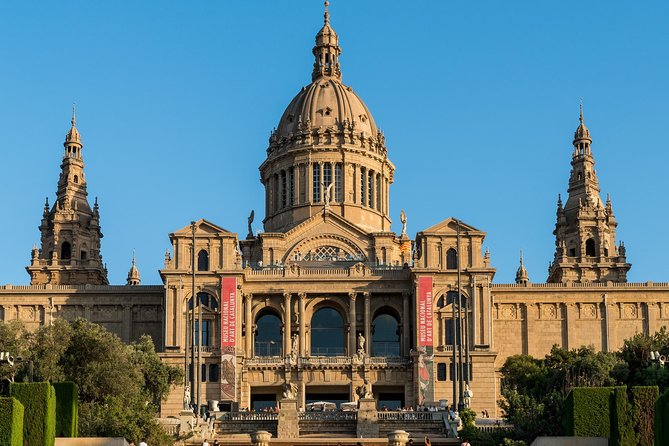
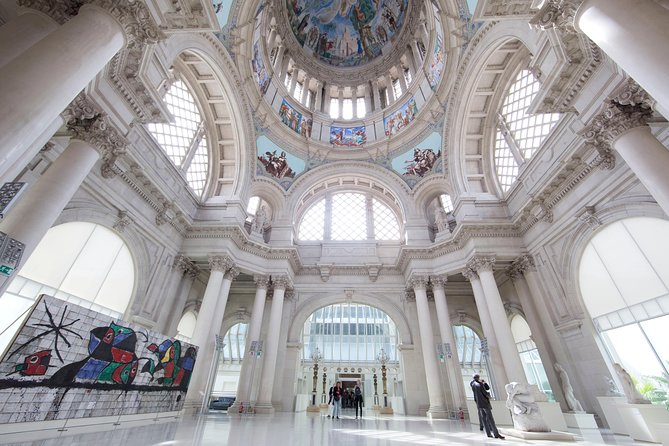
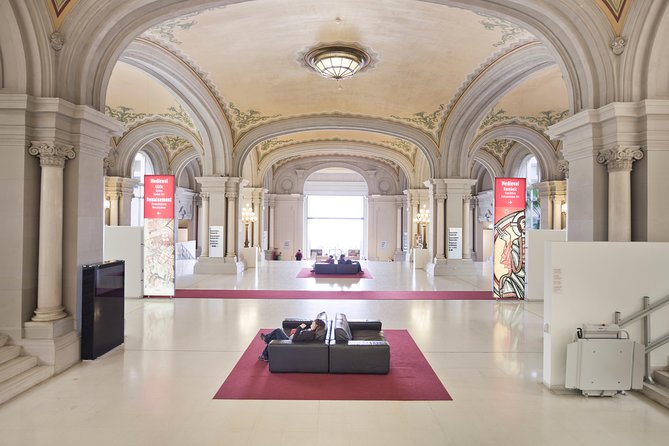
MNAC is housed in the National Palace on Montjuïc, an architectural showpiece in its own right. Even before you get to the galleries, you get that classic “you climbed uphill for a reason” feeling. The museum opened in 1934, and the collections cover roughly 1,000 years of Catalan, Spanish, and European art, so it’s a smart use of a single block of time in Barcelona.
What makes this experience especially practical is that it’s designed for self-guided wandering. You’re not locked into a script, and that matters because MNAC is big, and the highlights are spread across styles and centuries. I like museums where you can pick your interests and skip what doesn’t grab you.
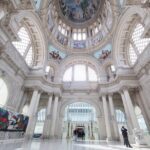
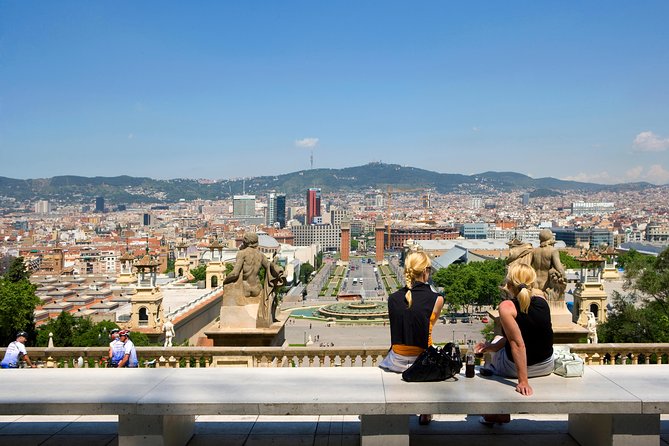
If you enjoy architectural settings, you’ll probably spend extra time looking up. Some people even treat MNAC like a two-part visit: art inside, views and spaces outside. One visitor noted the grounds felt more impressive than the art. You don’t have to agree for that to be a good sign: it means the whole place is worth the climb.
You can also read our reviews of more tours and experiences in Barcelona.


Romanesque frescoes and the church-rooms you’ll actually understand
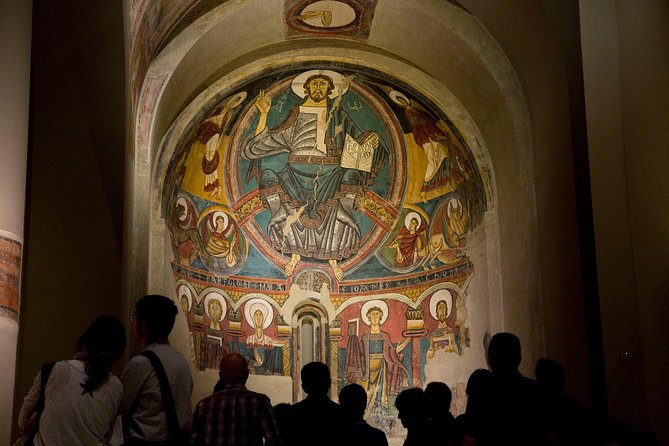
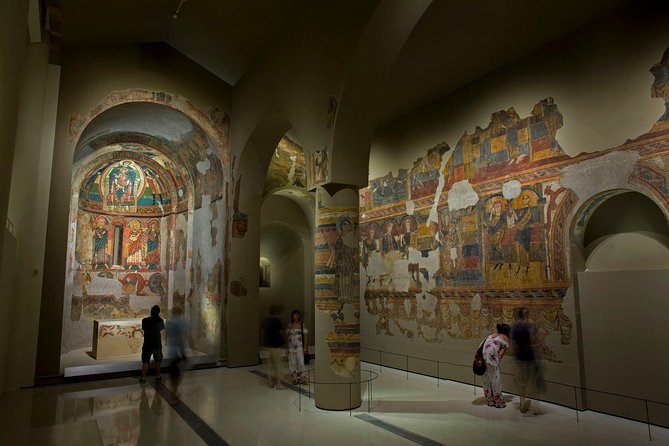
If you want one reason to prioritize MNAC, it’s the Romanesque frescoes. This isn’t just a flat display behind glass. MNAC presents many works in reconstructed church interiors, so you can see how the paintings would have fit into a real devotional setting. That makes the artwork easier to grasp. You’re not just looking at symbols; you’re seeing how those symbols were meant to sit in a space.
A standout is the eye-catching 12th-century Christ in Majesty, described as a luminous Christ sitting on a rainbow. It’s the kind of image that works whether you’re an art nerd or you just want something powerful to remember.
Here’s a practical strategy: don’t rush the fresco rooms. The museum spans centuries, and it’s easy to get “style fatigue” if you barrel through too fast. Spend enough time here to let the color and composition sink in. If you only have one fast pass through, you may miss why these fresco scenes are such a big deal.
A possible mismatch to watch for
Because the Romanesque section is tied to church art, people who prefer secular paintings may find the religious atmosphere a lot. One visitor called out too many religious exhibits and wanted more famous Spanish painting and sculpture. That doesn’t mean you’ll hate it. It just means your expectations should match the museum’s strengths.
Renaissance and Baroque: where familiar masters show up
After the frescoes, you step into Renaissance and Baroque collections that cover roughly the 1400s through the 1900s. This is where MNAC starts to feel like a guided timeline, even though you’re doing it on your own.
The museum includes major European paintings and sculptures, with names like Canaletto, Titian, and Goya highlighted among its works. You’ll also see art that reflects how religious commissions and royal tastes shaped European art across centuries. If you like seeing how styles evolve, this section gives you that “then and now” sense without needing extra planning.
One thing I appreciate is how the museum balances big-name artworks with a broader sense of what was happening around them. You’re not stuck only with famous faces. You’re seeing context, which helps you understand why certain motifs repeat and how technique changes over time.
A small practical note: this part of the museum can feel dense. If you tend to get tired in large gallery spaces, plan for a slow rhythm. Take a break, look for a seating spot if you need it, and come back with fresh energy for the next century.
Modern art and art nouveau posters: the Catalan twist
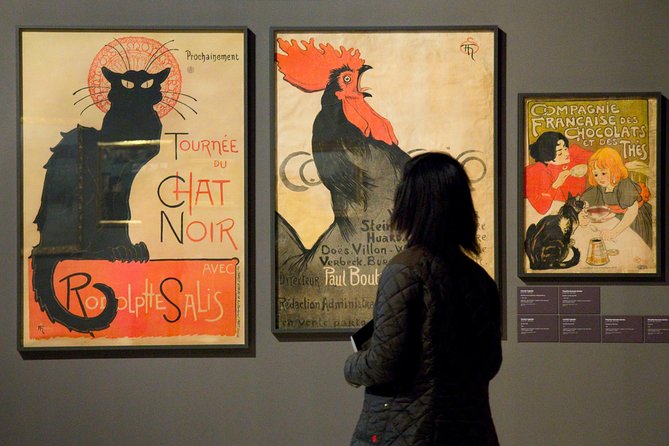
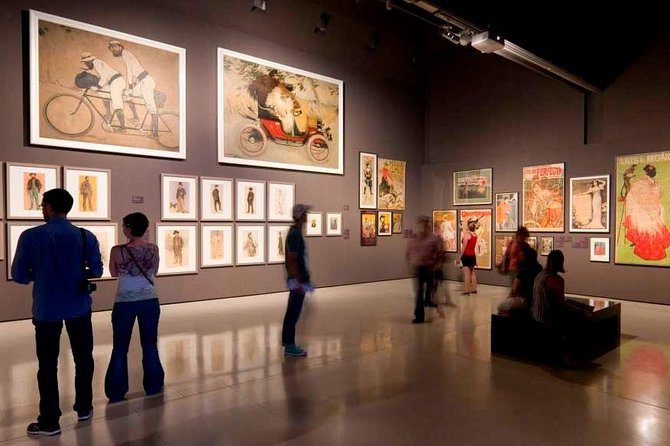
MNAC doesn’t stop at older masterpieces. The Modern Art section includes paintings, sculptures, posters, and other Art Nouveau works by 19th- and 20th-century Catalan artists. This is where Barcelona’s identity becomes more obvious. The art starts to feel less like a museum topic and more like something that belongs to the city’s creative DNA.
You’ll also see other design-forward pieces, not just traditional painting and sculpture. That variety is useful if you want your visit to avoid feeling like one long lecture.
There’s one theme you’ll notice as you move through the building: MNAC isn’t just collecting art. It’s showing how Catalonia and Spain plugged into European styles while also developing their own voice.
You can also read our reviews of more museum experiences in Barcelona


Gaudí furniture: the detail lovers’ favorite stop
If you want a highlight that’s distinctly tied to Barcelona, don’t miss the Gaudí furniture collection. The museum includes sinuous wood chairs and doors that show off design as something meant to be lived with, not simply admired.
This section is great even if you don’t know a lot about furniture history. The craftsmanship does the talking. And because it’s decorative arts inside a fine-art museum, it gives you a refreshing shift from paintings and fresco scenes.
One reason this works: it helps you connect the dots between art forms. Instead of treating architecture, craft, and visual art as separate categories, MNAC lets you see how the same creative thinking shows up across media.
If you’re the type who takes one extra lap just to find the “best room,” Gaudí furniture is often that room.
Parc de Montjuïc: use the ticket time for a hill break
The experience includes time for Parc de Montjuïc (about an extra hour). This is your chance to slow down after indoor galleries. The museum sits on Montjuïc Hill, and the surroundings give you that classic Barcelona view-via-walking feel.
Since your exact access details aren’t spelled out, think of this as practical time to use the neighborhood around MNAC. You’ll likely want to step outside, breathe, and reset before you decide whether to return to the galleries for one more pass—or wrap up with city views.
A simple plan: do your major museum stops first, then use the park time to stroll while the art is still fresh in your mind. It’s a nice way to end, and it stops the whole visit from feeling like only standing and reading labels.
Tickets, mobile access, and how to avoid the common snags
This is a straightforward admission ticket with a mobile ticket option offered in English. You’ll redeem your voucher at the ticket office and then head inside to enjoy the art independently.
A couple of practical lessons from real-world use:
- Bring your confirmation and voucher even if you have it on your phone. Some front-desk staff may not instantly recognize a specific voucher format, and you’ll just need to explain it clearly.
- The museum involves exchanges at the counter, so build in a little patience even if you booked in advance.
Booking ahead helps. One visitor specifically praised avoiding the long line on a hot day. Since the museum is popular and the building is on a hill, pre-arranging entry can save stress.
Audio guide reality check
An audioguide is not included. That doesn’t mean you’ll be stuck without context. One visitor mentioned there’s a free app you can download that explains information about the art. Still, don’t assume audio will be part of your ticket.
If you’re the type who likes commentary, plan to use a phone app or bring your own reading material. If you like silent gallery time, you’re set.
How long should you plan: 3 hours is a solid baseline
The museum visit is designed around flexible self-paced exploring, and many people find that three hours is sufficient to see what matters most. In practical terms, that usually means:
- Enough time for the Romanesque fresco rooms
- A selective pass through Renaissance/Baroque highlights
- Time for Modern Art and the Gaudí furniture area
If you love art and hate rushing, you might stretch longer. One visitor reported spending four hours. If you want to add Montjuïc park time, it’s even easier to justify an extra hour outside the museum.
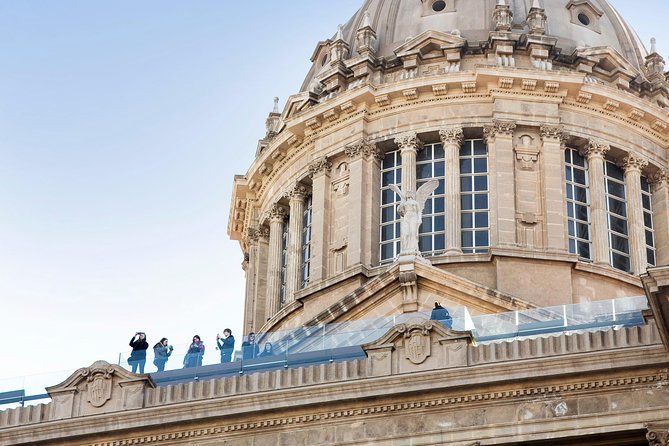
A smart order-of-operations tip: one visitor suggested your ticket includes a trip up to the roof terrace, and to do it early because elevator lines can get long. If that’s your plan, don’t bury it in the middle of your museum circuit.
Price and value at about $14.48
At around $14.48 per person, you’re paying for admission to a major museum that covers Romanesque through Modern periods in one building. In other words, you’re not paying for a specialized niche experience; you’re paying for a lot of cultural ground.
Value is highest if you:
- Want to see multiple centuries in one go
- Care about Romanesque frescoes and Catalan decorative art
- Prefer self-guided exploring rather than a fixed tour group
Value is lower if your must-see list is very narrow. If you only want a handful of famous Spanish paintings or you’re tired of religious-themed rooms, you may find it better to target one specific wing and move on.
One note about cost: some people report MNAC can be free on the first Sunday of every month. That’s not something you should bet on while budgeting, but it’s worth checking before you pay if your dates line up.
Who this museum ticket suits best
MNAC works well for:
- First-time visitors to Barcelona who want a meaningful cultural stop in addition to architecture and beaches
- People who enjoy a timeline of styles and want to compare eras in a single location
- Art lovers who like frescoes, decorative arts, and design details like Gaudí furniture
- Anyone who prefers independence over a guided schedule
It may feel less ideal for:
- Travelers who only want secular art and feel worn out by church-themed pieces
- People who need a tightly focused, one-theme museum experience
- Anyone who hates big indoor spaces without breaks (plan pacing)
If you’re bringing kids, the museum’s reconstructed spaces and big visual moments like the Christ in Majesty can help. Just keep the visit shorter and prioritize the high-impact rooms.
Short FAQ on using your MNAC ticket
FAQ
Is MNAC admission included in this ticket?
Yes. The experience includes an MNAC admission ticket.
What language is this ticket offered in?
It is offered in English.
How long should I plan for the museum and Montjuïc?
The museum portion is about 3 hours for many visitors. Parc de Montjuïc is listed as about 1 hour.
Do I get an audio guide with the ticket?
No. An audioguide is not included.
Do I need to exchange my voucher at the museum?
Yes. You redeem your voucher at the ticket office before heading inside.
Is this ticket good for people who don’t want a guided tour?
Yes. The plan is to enter and explore independently, and guided tours are not included.
What should I know about closing times on Sundays?
One review says the museum closes at 3 pm on Sunday, and that timing wasn’t mentioned in the booking description they saw. Check hours for your visit date.
Should you book this MNAC ticket?
Book it if you want a high-value museum visit that mixes Romanesque frescoes, major European art across centuries, and Catalan identity through Modern art and Gaudí furniture. The self-guided format is a big plus because you can spend time where your interests are strongest.
Don’t overbook yourself if you hate religious art themes or if you’re going on a Sunday and timing matters. If your schedule is tight, focus on the Romanesque highlights first, then work your way forward—so you leave with the best parts even if you don’t finish every room.