REVIEW · ROME
Rome: Borghese Gallery Guided Small Group Tour
Book on GetYourGuide →Operated by the tour guy · Bookable on GetYourGuide
Two hours, and Rome’s art stops you cold. This small-group Borghese Gallery tour gets you in fast with skip-the-line entry and an art historian guide inside Villa Borghese’s top rooms.
I really like how the format stays human-sized: up to 15 people means you can actually look at what you’re seeing, not just shuffle past it. I also like the way the guide uses stories (and sometimes jokes) to make works by Bernini and Caravaggio feel personal, not textbook.
One thing to plan for: the museum is strict about what you can carry, including a small fanny pack size limit, and you’ll need to arrive on time at Piazzale Scipione Borghese. Miss that window and the experience gets complicated fast.
In This Review
- Key things to know before you go
- Skip-the-Line at Galleria Borghese: what that 2-hour tour really buys you
- Finding your guide at Piazzale Scipione Borghese (and not losing time)
- Getting in: what the strict gallery rules mean for your day
- Upstairs highlights: Bernini, Caravaggio, Da Vinci, Raphael, and the stories behind them
- Ground floor sculptures: where the museum’s drama becomes physical
- Free time in the gallery: using the pause wisely
- Villa Borghese Gardens after: the easy reset between art and air
- The guide matters: what I’d look for in your art historian’s style
- Price and value: is $77 worth skipping the line?
- Who this tour fits best (and who should choose something else)
- Should you book the Rome Borghese Gallery small-group tour?
- FAQ
- How long is the Borghese Gallery guided small-group tour?
- Where do I meet the guide?
- Is this tour skip-the-line?
- How big is the group?
- Is the tour offered in English?
- What ID do I need to bring?
- What can I bring into the museum?
- Is it accessible for wheelchair users or strollers?
- Do I have to arrive early?
Key things to know before you go
- Skip-the-line entry saves real time at one of Rome’s most popular art stops
- Small group size (up to 15) helps you see details instead of just moving through rooms
- An art historian guide turns paintings and sculpture into clear stories and context
- Two levels are covered with time to pause on key works like Apollo and Daphne and Boy with a Basket of Fruit
- Villa Borghese Gardens time afterward is built in, and you explore them on your own pace
- Strict bag rules mean you’ll want a minimal day setup (no big bags)
Skip-the-Line at Galleria Borghese: what that 2-hour tour really buys you
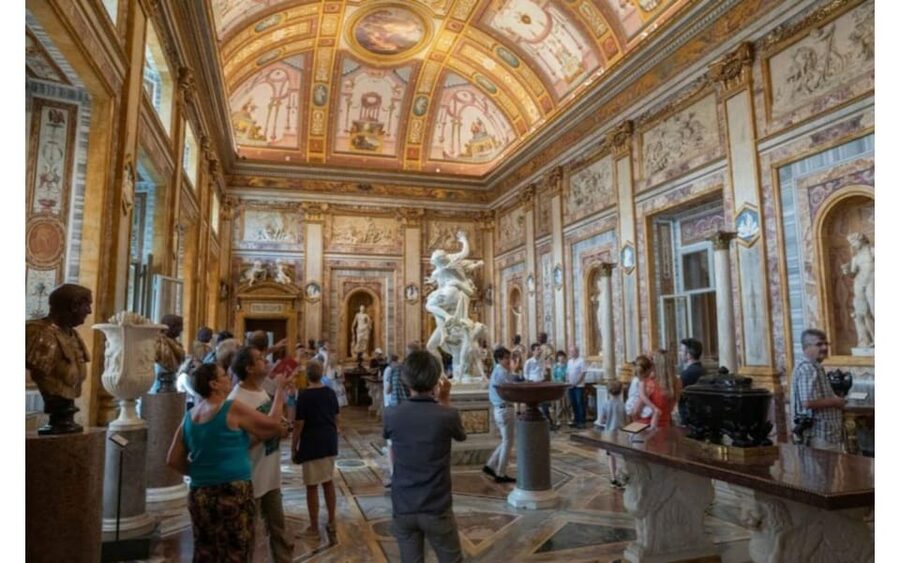
If you only have a couple hours for Borghese, this is one of the smartest ways to spend them. The gallery is famous, and it’s also famous for long lines. Here, you sidestep that waiting and get into the rooms with a guide who helps you connect the dots quickly.
Price is $77 per person for a 2-hour guided visit with entrance fees included. Is that cheap? No. But it’s not just a ticket. You’re paying for a guide who can translate big names—Bernini, Caravaggio, Da Vinci, Raphael, Titan—into something you can actually track while you’re standing in front of the art. In a museum like this, that matters. Without help, it’s easy to admire the surfaces and miss the point.
The group size stays small (up to 15), which changes the whole feel. You’re not stuck behind a wall of people, and you’re more likely to get the time you need to look at details—faces, gestures, lighting, and how the artists built drama into still scenes.
You can also read our reviews of more guided tours in Rome


Finding your guide at Piazzale Scipione Borghese (and not losing time)
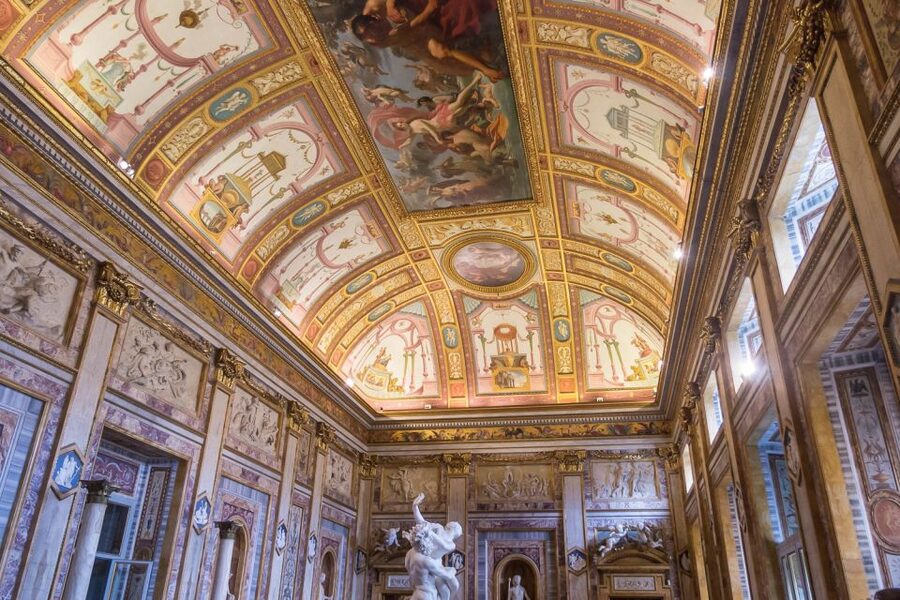
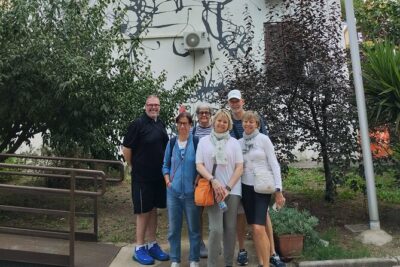
This tour starts at Galleria Borghese, with the meeting point at Piazzale Scipione Borghese, 5, 00197 Roma RM, in front of the big staircase. Your guide meets you there holding a sign that says The Tour Guy.
Arrive 15 minutes early. The museum experience depends on people moving together, so punctuality isn’t a suggestion. If you show up late, you may not be able to join the tour when it departs, and missed entry can’t be fixed on the spot.
A practical tip: plan to do one quick “spot check” before you get flustered. Look for the big staircase area first. Then scan for the sign. If you’re traveling with someone, agree on a meeting fallback point near the same staircase so you aren’t split up.
Getting in: what the strict gallery rules mean for your day
Borghese has a strict visitor policy to protect the artworks. That affects your packing, and it’s one of the few real drawbacks of this otherwise easy plan.
You’ll need to follow these rules:
- Only small bags are allowed—specifically small fanny packs and purses up to 21 x 15 cm
- Larger bags and personal items must be left in the wardrobe
- Pets, food and drinks, luggage/large bags, umbrellas, and bags are not allowed
- You also need a valid government-issued picture ID with you
This matters because you don’t want to spend your early time hunting for a place to store items. Keep it simple: phone, wallet/ID, a small camera if you have one, and a light layer for the garden afterward.
Also note: this tour is not suitable for wheelchair users. Strollers and baby carriages are also not accommodated. If mobility is an issue for you, you’ll want to consider an alternative plan that matches your needs.
Upstairs highlights: Bernini, Caravaggio, Da Vinci, Raphael, and the stories behind them
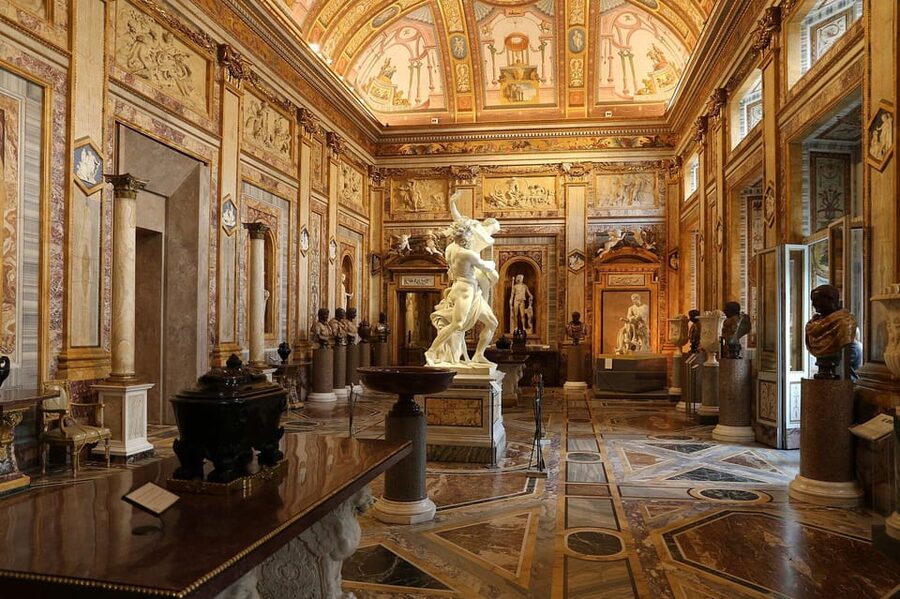
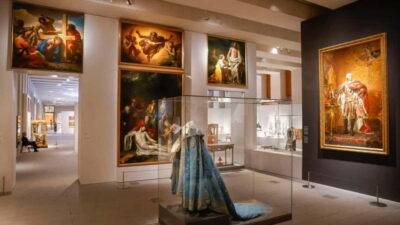
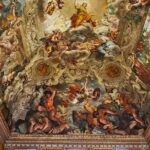
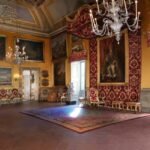
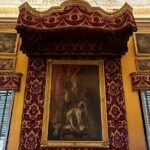
The guided part of the tour takes you through the most famous rooms, and the two-hour timing is built around impact. You’ll see masterpieces tied to major Renaissance and Baroque names, plus a few works that keep showing up on every “must-see” list for a reason.
Two works that stand out in the experience:
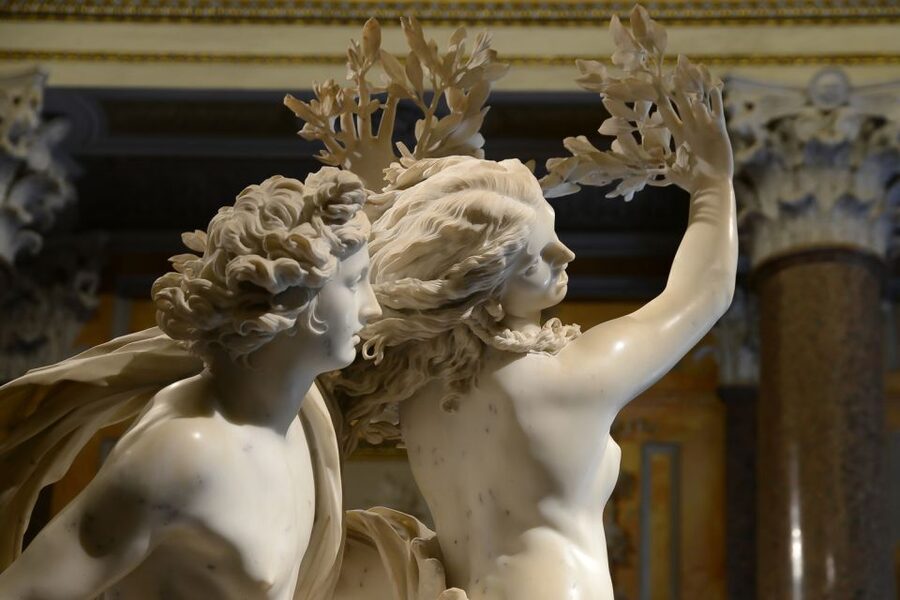
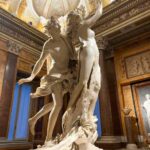
- Bernini’s Apollo and Daphne
- Caravaggio’s Boy with a Basket of Fruit
What makes a guided visit especially useful here is the way the guide connects what you see to why it matters. For example, you’ll hear context like Bernini creating Apollo and Daphne at just 24, and how Caravaggio’s approach to light helped change how painting could feel dramatic and real. Standing in front of the works, those details stop being trivia. They help you notice the exact choices the artists made.
The guide also helps you read the mood. In a museum, it’s easy to treat each room like a separate stop. With the right explanations, you start to sense the links—myth versus emotion, realism versus style, and how artists used attention-grabbing techniques to pull you in.
You’ll also get guidance on what to look for without turning the experience into a lecture. The pace is efficient. People describe the two hours as moving quickly, but not in a rushed way—more like you’re kept oriented so you don’t waste time guessing where to focus.
Ground floor sculptures: where the museum’s drama becomes physical
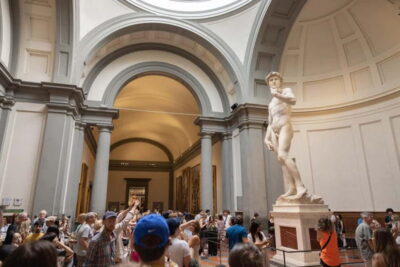
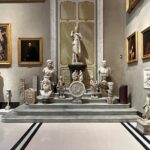
Your tour includes a stop specifically for ground floor sculptures. This is important because Borghese isn’t only about paintings. The sculpture rooms are where the gallery can feel almost theatrical—figures captured mid-motion, expressions turned into a kind of freeze-frame energy.
Sculpture changes how you experience art. You can step slightly, change your angle, and suddenly the “story” becomes clearer. With a guide, you learn how to look: posture, gesture, the tension of bodies, and the theatrical feel that makes myth seem current.
A downside of trying to see everything yourself is that you might move too fast, or you might miss what makes a sculpture special beyond its size or fame. Here, the guide’s job is to point you toward the features that matter so your attention lands in the right place.
You can also read our reviews of more museum experiences in Rome

Free time in the gallery: using the pause wisely
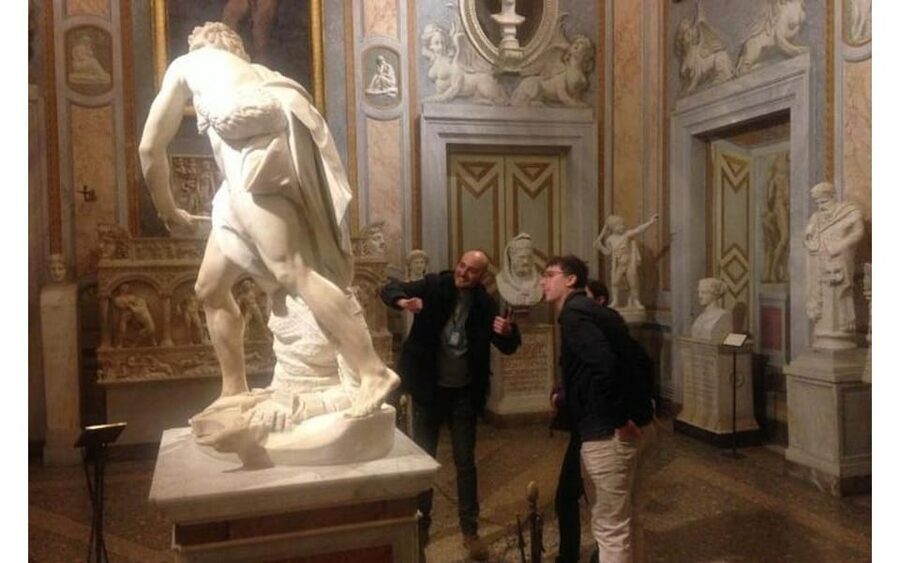
After the guided portion, you get free time inside the museum. This is a good feature if you like to reset and come back to pieces with calmer eyes.
Use this time to do two things:
1) Revisit the works you cared about most during the tour
2) Walk slower through one or two rooms you didn’t fully absorb on the first pass
Because the gallery is popular and you’re not alone forever, this free time isn’t the moment to wander blindly. It’s the moment to sharpen your favorite impressions.
If you get the chance, I’d also give yourself a quick scan for anything you might have missed earlier. Guides focus on key highlights, but you’ll often notice additional details once the basics are explained.
Villa Borghese Gardens after: the easy reset between art and air
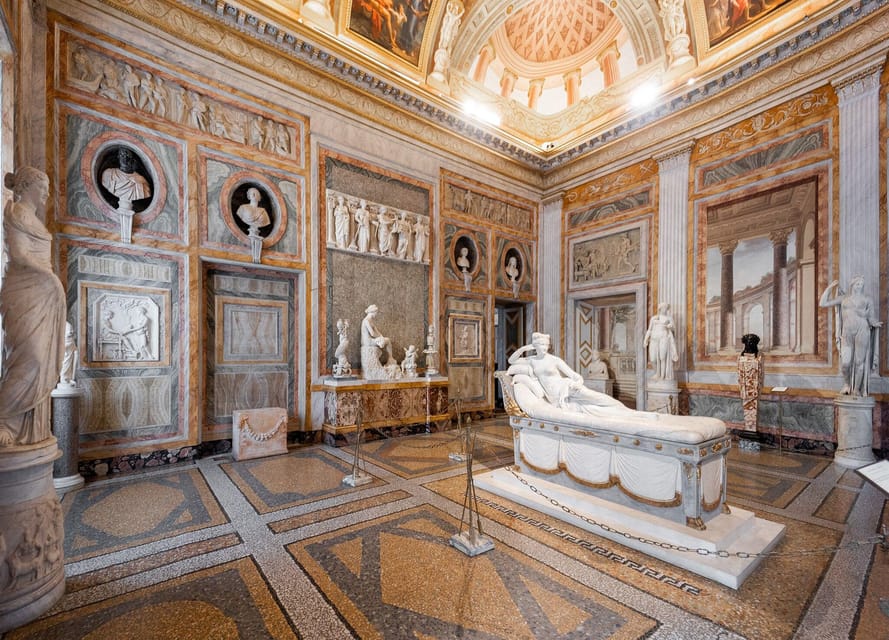
Once your tour ends, you can head to the Villa Borghese Gardens. Gardens access is included, but you explore on your own—no guide.
This is more than a pleasant bonus. It’s a smart pacing move. After intense art viewing, your brain needs a breather. The gardens have been a favorite retreat for Romans since the 16th century, and that long tradition shows in how naturally people move through the paths.
This is a good place for:
- a slow walk to cool down
- a casual “what did I see?” moment
- photos with softer light than inside the museum
You may also find a coffee shop on site that people mention positively. If you want one last small perk, this is where it tends to work best: short break, then wander.
The guide matters: what I’d look for in your art historian’s style
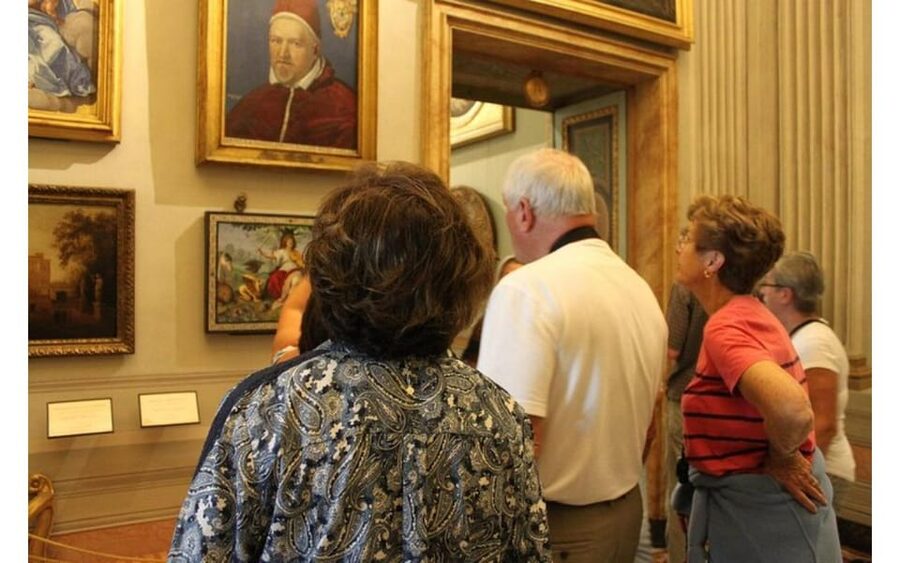
This tour is led by an art expert, and the tone seems to vary by guide in a way that’s actually useful. In recent tours, guides listed include Dimitri, Eva, Iman, and Marco—and each style supports a different kind of visitor.
Here’s what you can hope for based on guide performance:
- A story-first approach that makes the art feel connected to human drama
- Explanations that include politics and commissions, not just technique
- Energy that keeps you from tuning out after the first rooms
- Time management that still leaves room for you to look closely
One review-style detail that matters for you: some guides are known for being humorous and personable, which helps if you want more than “here’s what the plaque says.” If you’re the type who asks questions, this kind of guide format makes that easier, because the tone is interactive rather than stiff.
So when you meet your guide, don’t be shy. Ask one question that matches your curiosity—about light, patronage, or why a myth scene was commissioned. It can change how you see the next room.
Price and value: is $77 worth skipping the line?
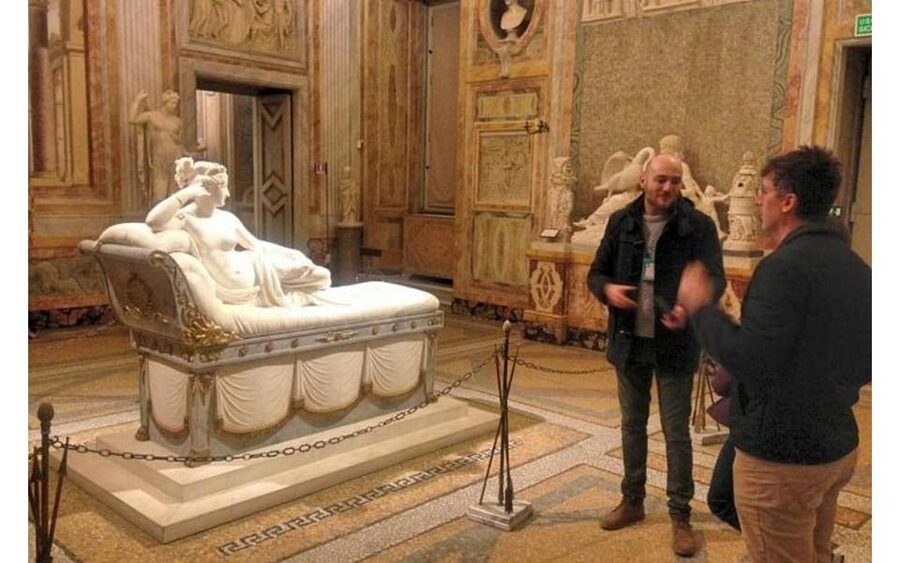
At $77 per person for a 2-hour guided visit, this isn’t a budget add-on. But it can still be good value if you care about understanding what you’re seeing.
Here’s why the price can make sense:
- Skip-the-ticket-line entry saves time you can’t get back
- Your ticket includes entrance fees and a guided session, not just entry
- You get a small group experience, which helps you actually see and not just pass
- The guide’s explanations can help you get more out of every room you would otherwise skim
Compare this to a DIY plan: you may wait in line, then rush through the most famous pieces because you’re short on time. With a guided plan, you’re more likely to land on the works that matter and understand why.
If you’re the type who enjoys art history but doesn’t want a full day commitment, this hits a sweet spot. It’s also a solid choice if you want a guided intro and then a relaxed follow-up in the gardens.
Who this tour fits best (and who should choose something else)
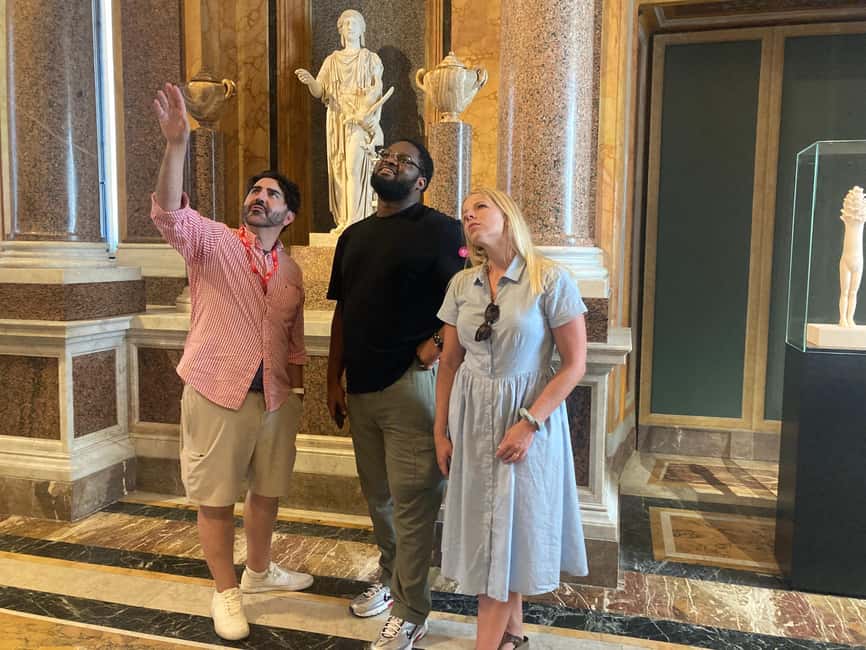
This tour works especially well if:
- you want major highlights without spending half your day in queues and guesswork
- you like art explanations delivered in a story-driven way
- you want a calmer museum experience through small group size
- you’d enjoy a friendly guide who may add humor while still keeping things accurate
It can also work for families, particularly if the kids can handle a short, guided walk through a museum setting. One note from feedback: kids were reported to enjoy it, with the level of detail described as not overly heavy.
It won’t work for you if:
- you use a wheelchair or need special walking assistance
- you’re traveling with a stroller or baby carriage
- you don’t want to follow the strict bag and ID requirements
Should you book the Rome Borghese Gallery small-group tour?
If you want a smart, time-efficient way to experience Borghese—without the stress of lineups—this is a strong yes. The combination of skip-the-line entry, a small group, and an art historian guide is exactly what turns a famous museum into a memorable one.
Book it if you care about understanding the art. You’ll benefit most from the guide’s focus on context and the way stories make masterpieces easier to remember. Also, the gardens afterward are a nice reset that keeps the day from feeling like a single rushed sprint.
Skip it only if the museum rules feel like a hassle for you, or if you need accessibility accommodations beyond what’s provided.
Overall, with a 4.9 rating from 72 bookings, this is the kind of tour that tends to deliver what it promises: fast entry, good pacing, and art you can actually see and process.
FAQ
How long is the Borghese Gallery guided small-group tour?
The tour lasts 2 hours, with time for you to explore after the guided portion.
Where do I meet the guide?
Meet at Piazzale Scipione Borghese, 5, 00197 Roma RM, Italy, in front of the big staircase at the museum entry. The guide holds a sign with The Tour Guy.
Is this tour skip-the-line?
Yes. It includes skip-the-ticket-line entry.
How big is the group?
The tour is a small group, with up to 15 guests per tour.
Is the tour offered in English?
Yes. The live tour guide speaks English.
What ID do I need to bring?
You’re required to carry a valid government-issued picture ID during the tour.
What can I bring into the museum?
Only small fanny packs and purses up to 21 x 15 cm are allowed. Larger items must be left in the wardrobe. Pets, food and drinks, luggage or large bags, umbrellas, and bags are not allowed.
Is it accessible for wheelchair users or strollers?
No. Wheelchairs and walking impairments that require special assistance are not accommodated, and strollers or baby carriages are not accommodated.
Do I have to arrive early?
Yes. Please arrive 15 minutes early. If you arrive after departure, you cannot be accommodated, and missed tours or tickets cannot be refunded.