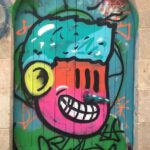
REVIEW · BARCELONA
Barcelona Street Art, Graffiti and Tapas Tour
Book on Viator →Operated by Original Europe Barcelona Tours · Bookable on Viator
Street art and ancient stone mix in Barcelona. This half-day walk takes you through the Barri Gòtic and nearby alternative scenes, with a guide who points out what to notice instead of just where to go. I especially love how it connects 2,000 years of history to the city’s present-day creativity, and how the vibe stays social and fun while you’re hunting murals and tags in real alleyways. The one drawback to consider: it depends on the weather, so if conditions are poor you may need to rebook.
You start near Plaça Reial, then spend about four hours wandering from historic landmarks toward streets where skate culture and graffiti feel like part of the neighborhood fabric. This is a great fit if you want Barcelona to feel lived-in, not museum-flat. Go in ready to walk, look up often, and ask questions when your guide mentions specific artists and spots.
In This Review
- Key highlights you should care about
- Finding the art starts at Plaça Reial (and keeps moving)
- What alternative graffiti culture means in Barcelona
- Entering the Barri Gòtic without getting lost in it
- The MACBA skatepark stop (what to look for)
- Specific street art names you can actually picture
- How the tour’s tapas ending feels like part of the experience
- Price and value for a 4-hour city story
- Weather, rain, and how to plan your 5:00 pm start
- Who this tour is best for (and who might skip it)
- The guide can make or break it (a heads-up)
- Should you book the Barcelona Street Art, Graffiti and Tapas Tour?
- FAQ
- How long is the Barcelona Street Art, Graffiti and Tapas Tour?
- What time does the tour start?
- Where do I meet for the tour?
- What does the tour include besides walking?
- What happens if the weather is poor?
- How many people are in a group?
Key highlights you should care about
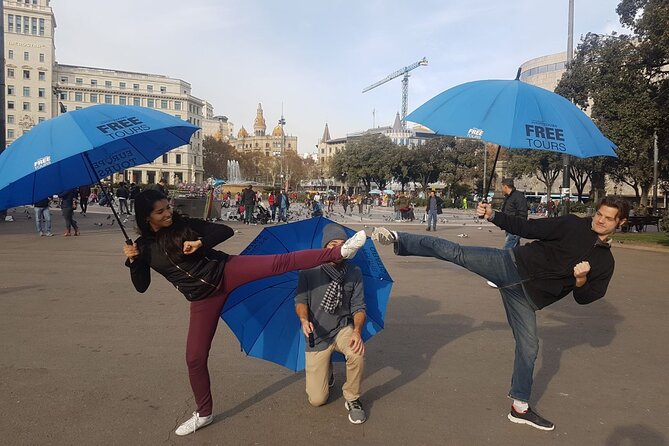
- Easy meetup by Plaça Reial near the southern end of La Rambla, right where the action starts
- Alternative street art focus with graffiti, urban legends, myths, and local culture context
- Gothic Quarter + 2,000 years of setting so the old city has a modern pulse
- Skatepark time at MACBA for a real snapshot of Barcelona’s street scene
- Stops tied to known works and signatures like Konair, Haring, and even Botero’s cat statue
- Tapas and a cold drink to close so you finish the tour on a satisfying local note
Finding the art starts at Plaça Reial (and keeps moving)
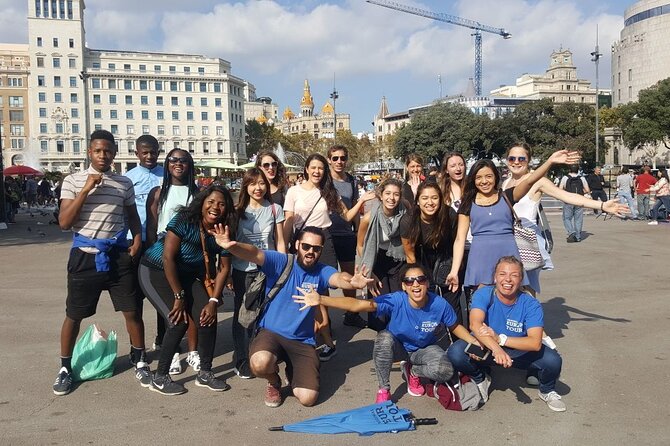
Most street art tours fail because they park you in the wrong place. This one starts at the Hard Rock Café area by Plaça Reial and the southern end of La Rambla, which is a smart location for getting oriented fast. You’re already in the part of the city where streets feel busy and layered, and that matters because Barcelona street art is all about seeing the city as you move through it.
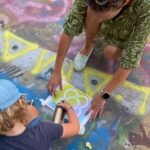
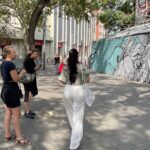
From there, you’ll be guided through narrow alleys and side streets rather than only big plazas. That’s the difference between looking at murals on a screen and actually noticing how the art reacts to doorways, staircases, and street corners. Expect a mix of historic-looking streets and more alternative-feeling blocks, so your eyes keep recalibrating as the city shifts around you.
Practical note: the tour is about 4 hours and starts at 5:00 pm, which is ideal for an early evening plan. It also means you’ll likely catch that late-day light that makes paint colors pop against old stone.
A few more Barcelona tours and experiences worth a look


What alternative graffiti culture means in Barcelona
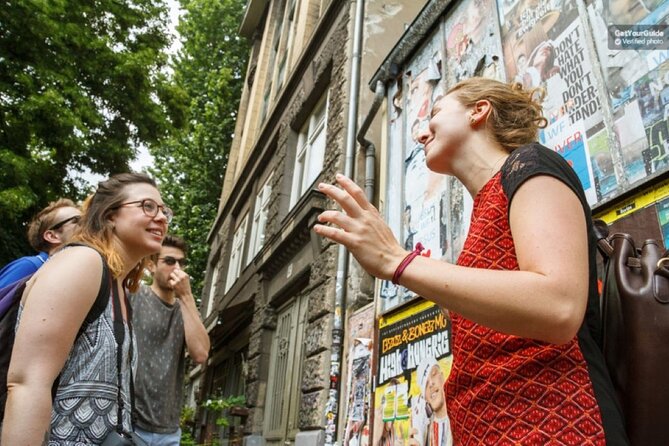
Barcelona has long been a magnet for skaters, artists, and people who like their cities a little unpredictable. This tour treats that as more than a theme. You’ll walk through areas where the alternative presence feels woven into daily life—graffiti, graffiti history, and related scenes like skateboard culture and squat culture show up as part of the story.
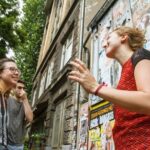
What I like here is that the guide doesn’t just point at artwork and move on. You’re nudged to look for why certain kinds of art appear where they do, and how the city’s underground culture took shape over time. The tour also brings in urban legends and myths, which sounds abstract until you realize Barcelona street art often works like local storytelling—half visual, half rumor, half social history.
The social aspect matters too. Guides are described as expats and locals, and you’ll feel that in the way recommendations get mixed into the walk: where to go after dinner, what to look for next time you’re on your own, and which neighborhoods have a distinct street identity.
Entering the Barri Gòtic without getting lost in it
The Gothic Quarter can be confusing in the best way. It’s full of charm, but you can also waste time wandering aimlessly if you don’t have context. This tour solves that by pairing the old-city setting with clear direction: you move from historic landmarks through side streets and into the surrounding atmosphere.
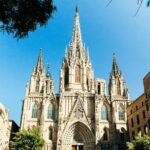
You’ll see the neighborhood’s beauty and liveliness as you go—ancient-feeling alleys, points of interest, and the kind of small streets where you stop to take photos without thinking you’re doing it wrong. And because the tour explicitly frames Barcelona’s Gothic Quarter as a place with over 2,000 years of history, you get a feeling for why the setting matters for modern street art. Old stones don’t just sit there. They become backdrops for new voices.
One caution: this is a walking tour. If your goal is only major sights with minimal footwork, you may prefer a slower route. But if you’re happy trading a few famous landmarks for a stronger sense of place, this works well.
The MACBA skatepark stop (what to look for)
A standout moment is the skatepark at MACBA. Even if you aren’t a skater, this stop gives you a concrete sense of how Barcelona street life connects art, movement, and public space. It’s one thing to hear about street culture; it’s another to see how it’s designed into the city.
When you’re there, pay attention to the energy of the area: how it feels like a hangout, how the city lets people use space differently, and how that connects to the street art around it. Guides often mention that Barcelona became a major hotspot for alternative culture in the 90s and that it keeps evolving. The MACBA stop is a great anchor for that idea because it’s not just nostalgia—it’s an active part of the present.
I also liked the practical angle of this: the guide gives you recommendations, not just history. So when you walk away from the tour, you’re more likely to know what to seek out on your own.
Specific street art names you can actually picture
Street art tours get more fun when they reference real works and recognizable styles. On this one, you may be shown pieces associated with names like Konair and Haring, along with the quirky local/famous touch of Botero’s cat statue. Those details make the city feel less random and more readable.
Here’s a useful way to prepare: start thinking of street art like layers. There’s the visible layer (color, stencil, characters, symbols). Then there’s the street layer (how it sits in context with nearby walls and foot traffic). Finally there’s the cultural layer (what it signals about the neighborhood and the time period).
Your guide helps you make those connections as you go. Some of the best moments come when the guide points out how long certain works have been there and how new pieces keep appearing. That ongoing change is part of what makes Barcelona feel like an open gallery.
If you’ve been to other cities with street art, you’ll notice the difference here: Barcelona’s underground culture isn’t just graffiti on surfaces. It connects to skate spaces, local myths, and the way communities build identities in public.


How the tour’s tapas ending feels like part of the experience
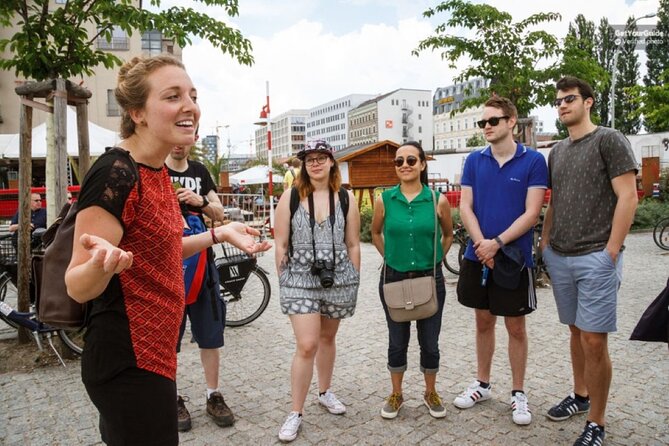
You end with a bit of tapas and a cold drink. That’s not just a perk. It’s a smart wrap-up because street art tours can leave you buzzing on visuals but low on calories. The tapas stop shifts you from looking up at walls to tasting the neighborhood.
Also, the fact that the tour moves from historic landmarks toward shops, bars, and bistros earlier means the tapas feels earned and in line with the walk, not like an unrelated meal stop. You get to experience the city as it is after the workday—people out, conversations starting, and the streets feeling less like a sightseeing route.
One practical tip for your night planning: since the tour ends back near the meeting point, you can continue easily from there. It’s also nice to have a finish point you can trust, because some Barcelona walks can scatter you across different areas.
Price and value for a 4-hour city story
At $28.94 per person for about 4 hours, this is fairly priced for a guided street art + history experience that includes a drink and tapas. What makes it good value isn’t only the food. It’s the guide’s role in saving you time and helping you notice what you’d likely miss on your own.
Barcelona street art is everywhere, which is exactly why it’s hard to know what matters. A good guide reduces your guesswork. They help you connect the dots between old streets and alternative scenes, and they point you toward recommendations you can use after the tour.
Group size is capped at 100 travelers, which sounds large on paper. In practice, the walking format and the size of Barcelona’s side streets can keep it feeling manageable. Still, if you dislike crowds, try to arrive early and be comfortable moving at walking pace for the full half-day.
Weather, rain, and how to plan your 5:00 pm start
This experience requires good weather. That’s important because street art walks depend on outdoor time: you’ll be moving between alleyways, corners, and open-air areas. If conditions are bad, you may be offered a different date or a full refund.
My advice is simple: check the weather forecast the same morning, and keep your plans flexible. Starting at 5:00 pm is convenient, but it also means afternoon weather can change quickly. If you want a smooth evening, pack an easy rain layer and wear shoes that handle wet streets.
The good news: even when the weather isn’t perfect, street art is still street art. The vibe remains the point, and a solid guide can keep the group moving and focused.
Who this tour is best for (and who might skip it)
This is the kind of tour I’d recommend to you if you like street-level Barcelona—art you can’t find in a guidebook photo set, culture that feels current, and a walk that blends history with modern identity. It also fits well if you’re traveling with a friend who wants something different from classic monuments.
It’s a strong match for:
- First-time visitors who want fast orientation plus a distinct cultural angle
- People who like graffiti, street art, and skate culture
- Anyone who enjoys neighborhood wandering more than rigid sight-by-sight schedules
Skip it if your idea of a perfect tour is heavy on landmark stops with minimal time on side streets. Also, if you’re sensitive to weather changes and hate walking for four hours, you may prefer a more indoor-friendly alternative.
The guide can make or break it (a heads-up)
The tour mentions guides with strong local or expat connections, and some guide names stand out in the experiences people shared—like Harlan and Miguel—with praise for knowledge and keeping the energy up. That’s a promising sign because street art tours rely on narration quality.
Still, there was at least one reported issue about a guide not showing up. That doesn’t mean it happens often, but it’s enough to recommend a practical habit: keep your booking details handy, and if something seems off near start time, contact the operator right away rather than waiting around.
Should you book the Barcelona Street Art, Graffiti and Tapas Tour?
If you want Barcelona to feel like a living city, I think you’ll enjoy this. The mix of Gothic Quarter context, real street art spotting, and a closing tapas moment makes it more than a photos-and-alleys stroll. You also get memorable anchors—like the MACBA skatepark—and street art names such as Konair and Haring that help your brain keep track of what you’re seeing.
Book it if you’re excited by the idea of street culture as part of city history, not separate from it. Consider skipping only if you want strictly top-ticket landmarks or you can’t handle walking in potentially changeable evening weather.
FAQ
How long is the Barcelona Street Art, Graffiti and Tapas Tour?
It runs for about 4 hours.
What time does the tour start?
The start time is 5:00 pm.
Where do I meet for the tour?
The tour starts at Hard Rock Café, Pl. de Catalunya, 21, Ciutat Vella, 08002 Barcelona, Spain, near the Plaça Reial area.
What does the tour include besides walking?
You’ll see street art and graffiti, get local guidance on the Gothic Quarter and alternative culture, and end with a bit of tapas and a cold drink.
What happens if the weather is poor?
The tour requires good weather. If it’s canceled due to poor weather, you’ll be offered a different date or a full refund.
How many people are in a group?
The tour has a maximum of 100 travelers.