REVIEW · BARCELONA
Barcelona: Insider Street Art Tour with Private Studio Visit
Book on GetYourGuide →Operated by Artspace · Bookable on GetYourGuide
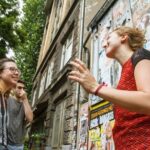
Barcelona walls talk. This 2-hour street art tour pairs artist-guides with a private studio visit where you meet the people making the work. You don’t just see murals and tags—you learn how the styles work and what the scenes mean in Barcelona’s working artist culture.
My two favorite parts: you get to walk with people active in the urban art world (often also artists themselves), and you finish with access that’s hard to find on your own—an underground studio plus a gallery stop like Canal Gallery. One thing to consider: it’s a short 2-hour loop, so you’ll see a lot of street art quickly, not slowly linger at one wall forever.
In This Review
- Key things you’ll notice on this tour
- What makes this Barcelona street art tour worth your time
- Meeting at Teatre Condal: start fast, then start noticing
- Av. del Paral·lel stop: first guided street art block (15 minutes)
- Hidden-spot visits and short transitions: why the route is built this way
- El Raval (walk): reading street art in a real neighborhood (20 minutes)
- La Rambla (quick visit, 5 minutes): street art where eyes are already moving
- Gothic Quarter (walk): seeing how old streets frame new art (15 minutes)
- Canal Gallery: the shift from walls to a studio-and-gallery world
- Underground urban art studio visit: the part that changes how you feel about the art
- Learning to read Barcelona’s street art, not just admire it
- What’s included (and what you don’t have to plan yourself)
- Price and value: $33 for street art plus studio access
- Who this tour is best for (and who should think twice)
- Quick logistics you’ll want to know before you go
- Should you book the Barcelona Insider Street Art Tour with Private Studio Visit?
- FAQ
- How long is the Barcelona Insider Street Art Tour?
- What language is the tour guide?
- Where do we meet for the tour?
- What areas of Barcelona does the route include?
- Do you visit an artist studio during the tour?
- Is there a gallery stop as part of the experience?
- Is an interactive map included?
- Is the tour wheelchair accessible?
- Can I cancel and is there a reserve-and-pay-later option?
Key things you’ll notice on this tour
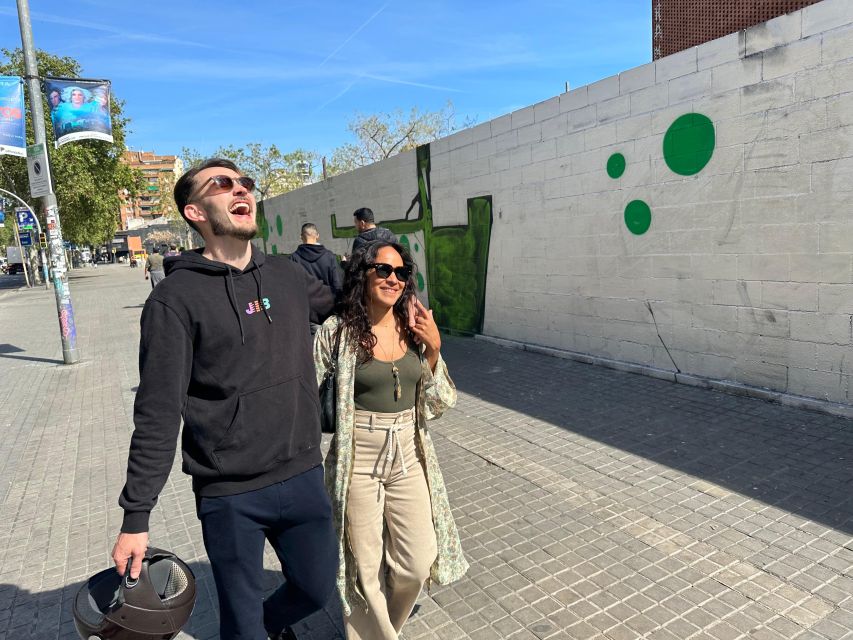
- Artist-led context: guides are working creatives and/or art historians active in the street art scene
- A real studio visit: you head into an underground urban art space and meet artists face-to-face
- Street-to-gallery transition: you see how work moves from walls to a dedicated gallery setting
- Barcelona’s style mix: you learn to spot tags, paste-ups, murals, and urban sculpture in one compact walk
- Photo-friendly routes: multiple stops offer solid framing for street-art photos without feeling rushed
- Flexible group options: private, customized experiences are available for families and special occasions
What makes this Barcelona street art tour worth your time
Barcelona is one of the places in Europe where street art feels like part of everyday city life, not a side hobby. This tour leans into that idea: you start on the street, learn how to read what you’re seeing, and then go inside to meet the artists and see their work in a different setting.
The big value is the sequence. You’re not only collecting photos; you’re building a way of looking. Tags are one language. Murals are another. Paste-ups and urban sculpture bring their own rules, materials, and rhythms. Once you understand those basics, the whole city becomes more readable.
And that studio stop changes the tone fast. Seeing art in a studio setting gives you context for the choices you usually can’t guess from a wall alone. You’ll also get plenty of time to ask questions and chat, which is where the tour turns from sightseeing into real conversation.
You can also read our reviews of more private tours in Barcelona
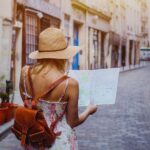
Meeting at Teatre Condal: start fast, then start noticing
You meet in front of the BINGO sign at Teatre Condal. It’s a useful start point because it’s in a busy, easy-to-find zone, and you’ll find nearby cafés and shops to grab a refreshment or handle a bathroom stop before you head out.
Early on, the guide will help you set your expectations. Think of this as your warm-up for reading walls. You’ll get the basics of what to look for so the next streets feel less like random art and more like a map.
This is one of those tours where the first 10–15 minutes matter. If you arrive ready to look closely, you’ll get more from every stop that follows—especially later when you’re comparing what’s on the street with what’s presented in a gallery and studio space.
Av. del Paral·lel stop: first guided street art block (15 minutes)
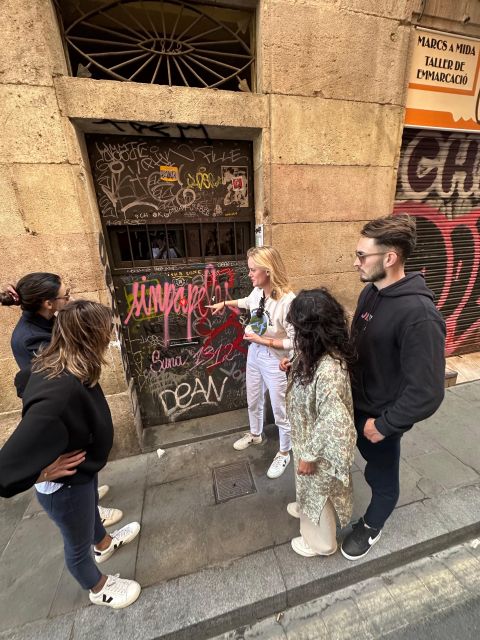
Right after the meeting point, you head to Av. del Paral·lel, 40 for a guided segment that lasts about 15 minutes. This is where you start training your eye.
Expect the guide to point out different approaches to urban art: how tags differ from larger mural work, how paste-ups create a different visual impact than paint sprayed directly on a wall, and how the placement and style can signal a local connection. Because the tour is only two hours, these early instructions are meant to pay off immediately.
It also sets the pace. You’ll likely take your photos, but you’ll be encouraged to do it with purpose—capture the details you can’t fully understand until you learn the style language.
Hidden-spot visits and short transitions: why the route is built this way
The tour includes more than one shorter stop labeled as a less obvious spot, with guided time and walking time between areas. That structure isn’t random. It’s designed to keep you moving while still giving you small “moments” to focus.
Here’s how that plays out in the flow:
- There’s a first less-visited visit with a short window to take things in.
- Then you move through major neighborhoods where street art sits alongside the normal rhythm of tourism and daily life.
- Later, you repeat the pattern with another guided segment plus another off-the-map stop.
You’ll notice street art works differently depending on the street texture—busy corridors, quieter corners, and walls that get seen from different angles. The short transitions help you compare those differences instead of treating everything as the same visual experience.
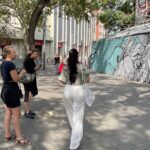
El Raval (walk): reading street art in a real neighborhood (20 minutes)
El Raval is one of those areas where you can feel a mix of cultures and creative energy in the street level details. On this tour, you spend around 20 minutes walking through it, not doing a long sit-down. That’s intentional.
This part is about pattern recognition. As you move, you start to see how the city builds layers:
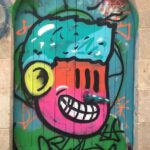
- One wall might be tag-heavy, fast and personal.
- Another might look more mural-based, more time and planning visible in the finish.
- You might even spot urban sculpture elements where the art goes beyond flat surfaces.
A smart way to approach this section is to pick one or two styles you’re learning and try to find them repeatedly. It keeps you from getting overwhelmed. You’ll finish the walk with an easier time explaining to yourself what you saw and why it looked the way it did.
A few more Barcelona tours and experiences worth a look



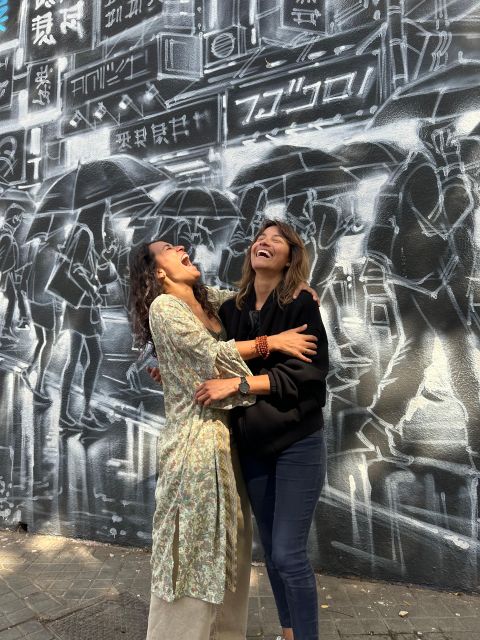
La Rambla (quick visit, 5 minutes): street art where eyes are already moving
Then you hit La Rambla for a shorter stop—about five minutes. This isn’t about a full exploration. It’s more like a contrast check.
La Rambla tends to draw constant movement. Street art here can feel like it’s competing with the stream of people, signs, and busyness. The guide’s job in a short time is to show you how street art still holds onto identity even in high-traffic areas.
If you care about photography, this is one of your best chances to grab framed shots, because the street layout and passing light can make the colors and shapes pop. Just don’t let it become a sprint for pictures only—keep one eye on the style explanation so your photos turn into something you understand later.
Gothic Quarter (walk): seeing how old streets frame new art (15 minutes)
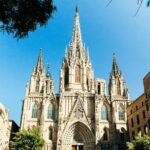
The Gothic Quarter walk lasts about 15 minutes. This section is great for connecting eras. You’re moving through older streets and stone textures while street art adds a modern voice on top.
What I like about this placement is how it changes your perception. Street art often shows up in the same places you’d walk for architecture and history, but you start to notice the contrast: new visual statements laid over the old city fabric.
You might not always have time to study a single wall deeply, but you’ll get a sense of how street art can fit into many Barcelona moods. The guide can also help you understand how the meaning of a piece can shift depending on where it sits and who passes by it.
Canal Gallery: the shift from walls to a studio-and-gallery world
The tour ends at Canal Gallery. This is where the street-to-gallery transition becomes more than a concept. It’s a physical change in space, lighting, presentation, and audience.
You’ll also get to meet gallerists behind the space during the visit. That matters because street art is often misunderstood as only street-level noise. A gallery setting asks different questions: How is it preserved? How is it curated? How do the pieces function when they’re no longer on public walls?
If you’re the type who likes to compare formats—spray paint vs. pasted paper, outdoors vs. curated walls—this is your moment. You’ll see why street art can make sense in a gallery without losing its street DNA.
Underground urban art studio visit: the part that changes how you feel about the art
A major feature here is the private studio visit. You’ll head into an underground urban art studio where you can meet local artists and chat with them directly.
This is the “how” behind what you’ve seen. On the street, you mostly experience the results. In a studio, you get clues about process, materials, and the decisions that never make it to the final wall.
You’ll also see original works tied to the broader scene you walked through. Even if you’re not an art expert, you’ll likely notice how artists talk about their work: why they chose certain styles, what the piece communicates, and how the city’s energy shapes their output.
Guide names from past sessions you might hear: Kat, Kate, Anya, Luke, and Juan. The key is what their presence represents. These aren’t just people narrating from a script. They’re part of the urban art culture, so the conversation stays grounded.
Learning to read Barcelona’s street art, not just admire it
By the end, the tour aims to give you a practical skill: the ability to read the city’s walls. That means you start recognizing:
- different graffiti styles and techniques
- tags and what they signal
- paste-ups and their impact
- murals and their composition choices
- urban sculpture elements and why they change how people experience a piece
It’s also about learning the context. The stories behind the pieces matter because street art is usually connected to local identity, neighborhoods, and the evolving scene. The guide’s job is to connect what you see to why it exists in Barcelona’s specific street culture.
This is where the tour stays useful after it ends. You’ll look at walls you pass later with more patience. You’ll understand more than you used to. And you’ll know what questions to ask yourself or others when you see new work around town.
What’s included (and what you don’t have to plan yourself)
This experience includes an interactive map with the best galleries, cafés, and cool places to visit in Barcelona. That’s more than a nice extra. It helps you extend the tour into the rest of your trip with ideas that match the street-art vibe you just learned.
You’ll also have:
- a live English-speaking guide
- plenty of photo opportunities as you move between key street art locations
- a route that finishes at Canal Gallery
- a format that supports wheelchair access
Duration is about two hours, which makes it a good fit even if you’re not planning a full day of walking.
Price and value: $33 for street art plus studio access
At $33 per person for roughly two hours, you’re paying for more than a standard walking tour. The value comes from access and expertise:
- you get artist or art-historian guiding
- you get a private underground studio visit with artists
- you get a gallery stop and meet gallerists
Studio access is the part you’d struggle to recreate on your own. Most street art knowledge online is fragmented by photo and location. Here, you get it stitched together with context and conversation in real time.
If you’re the kind of traveler who cares about understanding what you see—not just capturing it—this price looks fair. If you mainly want classic sightseeing, it might feel like too narrow a focus. But for street art fans, it’s a strong deal for the kind of access you get.
Who this tour is best for (and who should think twice)
You’ll probably love this if you:
- want a street art experience with real context
- like meeting creators and asking questions
- are visiting Barcelona and want the less-visited sides of the city
- want a compact plan that still feels authentic
It also works well as a surprise activity. One of the tour’s strengths is that it doesn’t treat street art like a lecture. It feels social, guided, and hands-on through the studio conversation and gallery meeting.
Think twice if you:
- dislike walking for a short stretch (the route includes multiple neighborhood moves)
- want only famous landmarks with lots of time to linger
- expect a long museum-style explanation (this is designed for a brisk street-to-studio experience)
Quick logistics you’ll want to know before you go
- Language: English
- Tour length: about 2 hours
- Meeting point: in front of the BINGO sign at Teatre Condal
- End point: Canal Gallery
- Wheelchair accessible: yes
- Private customized experiences: available for groups, families, and special occasions
If you want to extend the day, use the interactive map included to pick a gallery stop after you leave Canal Gallery—this tour is designed to prime you for that kind of follow-up.
Should you book the Barcelona Insider Street Art Tour with Private Studio Visit?
I’d book it if you want to see Barcelona through the lens of street art culture, with the kind of access that usually takes connections. The artist-guided format plus the studio visit plus the gallery ending is a strong combination for your time.
Skip it if you’re only chasing iconic sights and want long stays in each place. This tour is short on purpose, and its goal is to change how you see the city, not to slow everything down.
If you’re on the fence, ask yourself one question: do you want to understand the art behind the walls? If yes, this is the kind of tour that gives you tools you’ll use long after you’ve left Barcelona.
FAQ
How long is the Barcelona Insider Street Art Tour?
The tour lasts about 2 hours.
What language is the tour guide?
The live tour guide speaks English.
Where do we meet for the tour?
You meet in front of the BINGO sign on the Teatre Condal.
What areas of Barcelona does the route include?
The walk includes stops in areas such as El Raval, La Rambla, and the Gothic Quarter, plus additional shorter visits.
Do you visit an artist studio during the tour?
Yes. You’ll visit an underground urban art studio, meet local artists, and chat with them.
Is there a gallery stop as part of the experience?
Yes. The tour includes an urban art gallery stop, and it finishes at Canal Gallery.
Is an interactive map included?
Yes. You get an interactive map with recommendations for galleries, cafés, and cool places to visit in Barcelona.
Is the tour wheelchair accessible?
Yes, the tour is wheelchair accessible.
Can I cancel and is there a reserve-and-pay-later option?
There is free cancellation up to 24 hours in advance for a full refund, and you can reserve now and pay later.