REVIEW · MILAN
Milan: Street Art Tour of Ortica, Milan’s open air museum
Book on GetYourGuide →Operated by Tour in Milan · Bookable on GetYourGuide
Street art in Milan has a real address: Ortica. This 2-hour walk turns alleyways into an open-air lesson on graffiti history and community change, led by an English-speaking guide.
I especially like how the tour focuses on meaning, not just cool photos. You’ll see how the neighborhood became Milan’s first open-air museum district, and you’ll connect the images to the people and events they reference. One thing to consider: if you’re hoping for wall-to-wall mural “house facades” all the way through, you might wish there were even more of that style of artwork.
In This Review
- Key things I’d plan around
- Ortica: Milan’s open-air museum, not just a wall full of paint
- The heart of the tour: Or.Me. Project and Ortica Memoria
- Price and value: what $49 buys in 2 hours
- Getting oriented: starting outside Argonne (Line 4)
- The main walk through Ortica (45 minutes): learning how to look
- Photo stop and quick reset: 10 minutes to capture the moment
- Free time (10 minutes): a chance to wander with your new eyes
- More guided stops in Ortica (20 minutes + 10 minutes)
- Final viewpoint photo stop (10 minutes): see how it all fits together
- Who this tour is for (and who should skip it)
- Practical tips so you enjoy the walk
- What the guides bring: Luca and Lucy’s different strengths
- Should you book this Milan street art tour of Ortica?
Key things I’d plan around
- Argonne meeting point (Metro Line 4) makes it easy to plug into your day in Milan
- Small group (max 8) keeps the vibe personal and the conversation moving
- Or.Me. Project murals explain why Ortica became an open-air museum
- You’ll learn the history and techniques of street art, not just the captions
- Several photo stops build in time for snapshots without rushing
- The tour is timed for a full 2 hours of walking plus breaks
Ortica: Milan’s open-air museum, not just a wall full of paint
If you’ve ever walked past graffiti and wondered what you’re actually looking at, Ortica answers that question. This district is often described as Milan’s first open-air museum zone, and that label isn’t just marketing. The area has an industrial past and a more complicated geography—shaped historically by viaducts, railway tracks, and the course of the Lambro River—so the street art feels tied to place, not pasted onto it.
What makes this tour worth your time is the way it connects art to memory. Ortica’s transformation over the last decade didn’t happen in a vacuum. The neighborhood went from being relatively isolated and overlooked to becoming a canvas for large-scale murals that tell stories people in the area recognize: heroes, workers, musicians, activists, and figures many people never learned about in a standard “famous names” history lesson.
And yes, there’s plenty to photograph. But the bigger win is that you’re trained to look. By the end, you’re not just seeing color—you’re reading a neighborhood.
You can also read our reviews of more museum experiences in Milan
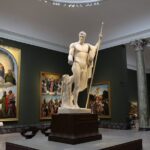
The heart of the tour: Or.Me. Project and Ortica Memoria
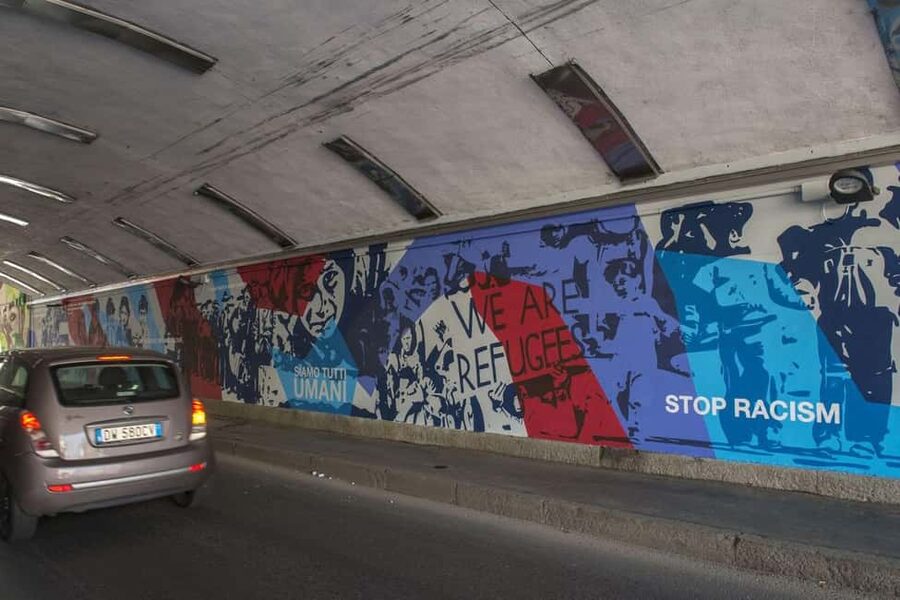
The storyline you’ll hear centers on the Or.Me. Project (Ortica Memoria), driven by the local artist collective Orticanoodles. You’ll be guided through a selection of the murals—over 20 large-scale works are part of the wider initiative—and you’ll learn how each one functions as a piece of a larger community story.
Here’s what I think you’ll appreciate as a visitor: the tour treats these murals like living public communication. They aren’t framed like museum art behind glass. They’re designed for real foot traffic and real neighbors. The guide also explains that the project is tied to community storytelling, with local residents involved in the creation process. That matters because it shifts the feeling from street art as rebellion-only to street art as shared identity and civic conversation.
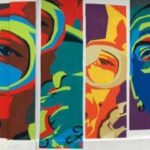
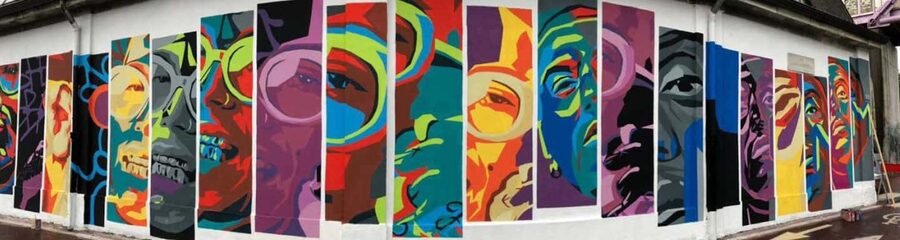
During the walk, you’ll hear examples of the themes the murals cover—anti-fascist partisans, jazz legends, factory workers, and feminist icons. Even if you don’t know the figures ahead of time, the point comes through: this is local history set on brick and concrete, where the past is part of everyday scenery.
Price and value: what $49 buys in 2 hours
At $49 per person for a 2-hour guided experience, you’re paying for three things that are harder to do on your own: context, route guidance, and a small-group pace.
Most “Milan street art” wandering is hit-or-miss. You can see murals, sure, but you may miss why they exist or what specific references mean. This tour is built to solve that. The guide includes insights into the history and culture of street art and connects the artworks to the neighborhood’s evolution—from underground rebellion to recognized cultural form.
You’re also getting a practical time structure. The experience isn’t just a long stroll; it’s guided stops plus built-in photo moments and short breaks. That kind of pacing is especially helpful if you’re trying to fit this into a day that already includes Duomo, Navigli, or museums.
One more value note: transportation and meals aren’t included. That’s normal for walking tours, but it’s still worth budgeting for metro rides and a snack plan before or after.
Getting oriented: starting outside Argonne (Line 4)
You meet outside Metro stop Argonne on Line 4, with the guide holding the agency logo. This kind of meeting point is a small detail, but it affects your stress level. You’ll spend less energy guessing where to stand and more energy getting into the story.
The tour begins with a short guided segment (about 15 minutes) that typically functions as orientation: where you are in Ortica, what to watch for, and how street art communication works in this context. Even if your Italian is basic, the guide’s English explanations help you translate the visual cues into something you can actually interpret.
I like tours that start with framing. It makes the next 45 minutes feel less like wandering and more like a guided reading.
The main walk through Ortica (45 minutes): learning how to look
The bulk of the experience is spent in Ortica for roughly 45 minutes, which is where the tour really earns its name. This is the part that takes you through the neighborhood’s backstreets and hidden alleys and helps you spot the most creative, evocative, and significant street art works.
What I’d call out here: the tour doesn’t treat street art like a single style. You’ll learn about different techniques and styles used by today’s artists. You’ll also hear how graffiti evolved—how it went from marginal spaces and underground expression to a recognized art form with real cultural impact.
As you walk, you’re looking at public art as urban design. That might sound dramatic, but the point is straightforward: murals can change how people move through a neighborhood, how they feel about it, and how outsiders perceive it. In Ortica, that change is visible in the district’s shift from industrial fringe to open-air museum identity.
A few more Milan tours and experiences worth a look
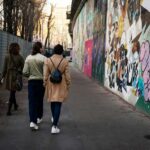
Photo stop and quick reset: 10 minutes to capture the moment
After the main stretch, you’ll get a photo stop (about 10 minutes). This is where it’s smart to do two things: take your best shots and also notice the details your phone might skip.
Since you’re learning the stories behind what you’re seeing, it helps to photograph with intention. Capture wider shots for context, then step in closer for texture and lettering. Street art can be layered, and you’ll often understand it better when you can zoom in later.
This is also a natural moment to check your energy. Ortica walking is comfortable, but you’ll want to keep your legs fresh for the later guided segments and the final viewpoint.
Free time (10 minutes): a chance to wander with your new eyes
You’ll have about 10 minutes of free time. This isn’t long enough to go off on a side mission, but it’s perfect for catching what you might have missed while listening.
Use it in a practical way:
- Re-check the walls the guide highlighted
- Walk a few steps to see the same mural from another angle
- Reposition for photos if the first spot had glare or crowds
Because this tour is about looking, not rushing, that short pause gives you control. You can also decide if you want to rest briefly, grab a breath, or just take in the neighborhood atmosphere.
More guided stops in Ortica (20 minutes + 10 minutes)
After free time, the tour brings you back into guided explanations for about 20 minutes, then another 10 minutes of guidance later. Those extra guided windows matter because they let the guide connect the dots between what you’ve seen and what the program represents.
This is often where the storytelling gets more specific: how public art is redefining neighborhoods, inspiring change, and making Milan more colorful and alive. The guide also continues tying the murals to the district’s social and cultural impact—especially the way the Or.Me project supports a collective memory that locals helped shape.
If you like cultural context—why art appears in certain places, who it’s speaking for—these segments are the payoff. If you’re mostly there for photos, you’ll still get value, because the explanations help you frame your shots better.
Final viewpoint photo stop (10 minutes): see how it all fits together
The tour wraps with a viewpoint photo stop (about 10 minutes). This is your chance to step back and understand the murals as part of a neighborhood, not separate artworks floating in space.
From a viewpoint, you start to notice the district’s structure and how people would naturally encounter the art during daily life. That’s part of why street art works: it rides along with movement. You’re not just standing in front of something; you’re seeing how it sits inside a real urban path.
Who this tour is for (and who should skip it)
This is a strong fit if you:
- Want a Milan experience that isn’t only cathedrals and shopping
- Enjoy street art with social and historical context
- Like walking tours with a clear route and guide-led explanations
- Want a manageable group size (it’s limited to 8 participants)
You might not love it as much if you:
- Prefer long museum-style sessions over short, moving stops
- Want an all-mural route with maximum density of wall-covered surfaces
- Are hoping for a transportation-included tour (transport to/from is not included)
Practical tips so you enjoy the walk
A few small choices make a big difference here.
- Wear comfortable shoes. This is a walking experience, and Ortica’s streets are not designed for fashion sneakers.
- Check the weather forecast. The tour can be rescheduled in bad weather, so plan accordingly.
- Photography is encouraged, but keep it respectful. This is a neighborhood, not a photo set.
- Dress for the day, then add a light layer. Milan weather can shift, and you’ll stay out long enough to feel it.
Also: the tour is wheelchair accessible. If you rely on accessibility support, it’s worth planning with your own pace in mind, but the route is described as accessible.
What the guides bring: Luca and Lucy’s different strengths
Two guide names show up in the experience’s feedback: Luca and Lucy.
- With Luca, people highlight how informative he is and how easy he is to chat with. That points to a style that answers questions as they come up.
- With Lucy, the tone is professional and enthusiastic. That combination often works well for visitors who want clear explanations without feeling talked at.
Either way, your English guide is part of the core value. Street art makes sense faster when you have someone turning the visuals into stories and connecting them to the neighborhood’s transformation.
Should you book this Milan street art tour of Ortica?
I’d book it if you want street art with context and a route that actually leads you through Ortica’s best-known works. For $49 and a 2-hour format, the value is in the guide-led understanding: you’ll learn history, origins, present, and future of street art, plus the stories behind the murals tied to Or.Me.
Skip it if your only goal is maximum mural density for photos or if you want transport included. It’s a walking tour, and it’s built for learning while you walk.
If you do book, come prepared to look closely. Ortica gets more interesting the longer you pay attention.