REVIEW · MILAN
Street Art&Urban Vibes in Milan’s Most Exciting Rising Areas
Book on GetYourGuide →Operated by FollowMi Around · Bookable on GetYourGuide
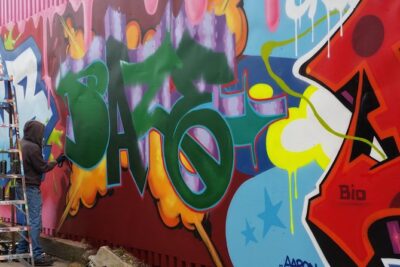
Milan hides street art in plain sight. This 2-hour street art walk is an urban photo safari that mixes open-air murals with real context from a local guide like Simon or Marco. I loved how much story you get behind the walls, not just the photos, and how the route steers you toward rising streets you’d usually skip. One note: at this price point, if you’re hunting only for huge, nonstop graffiti, you might feel the mix is a bit more selective than expected.
You’ll also get that rare feeling of being let in on a working neighborhood, with small alternative businesses showing up along the way. The pacing is built for stops, angles, and looking closely, so you’re not just marching from mural to mural. The tour is private-group style, so it tends to feel more personal than the typical crowd crush.
Plan on meeting up and walking. The meeting point is in front of the Scaringi pastry shop, and you’ll handle getting there on your own since public transit isn’t included. If you want a low-effort art hit with zero planning, you’ll want to think through the arrival part first.
In This Review
- Key highlights that make this street art tour worth your time
- Why Milan’s street art feels different on these streets
- Price and value: is $94 per person fair for 2 hours?
- Finding the start: Pasteur and Scaringi pastry shop
- Stop-by-stop breakdown of the route
- Via Padova: where the route starts showing its character
- Via Giovanni Pontano: getting better at reading walls
- Viale Monza: photos, context, and the neighborhood vibe
- mosso: art and local texture in the middle of everyday life
- Bici&Radici: a stop that feels like neighborhood culture
- Hug: finishing with one more reason to slow down
- The guide’s role: why Simon and Marco matter to your experience
- What you learn about Milanese and Italian street art
- The alternative neighborhood angle: what you actually experience
- Photography notes: how to get better shots without slowing everyone down
- When this tour is a great fit (and when it may not be)
- Should you book FollowMi Around’s street art urban photo safari?
- FAQ
- How long is the street art tour?
- What is the price per person?
- Where does the tour start and end?
- Is the tour private or group-based?
- What languages are offered by the guide?
- Is public transportation included?
- What’s included in the tour price?
- What’s not included?
- Is the tour wheelchair accessible?
- What cancellation options are available?
Key highlights that make this street art tour worth your time
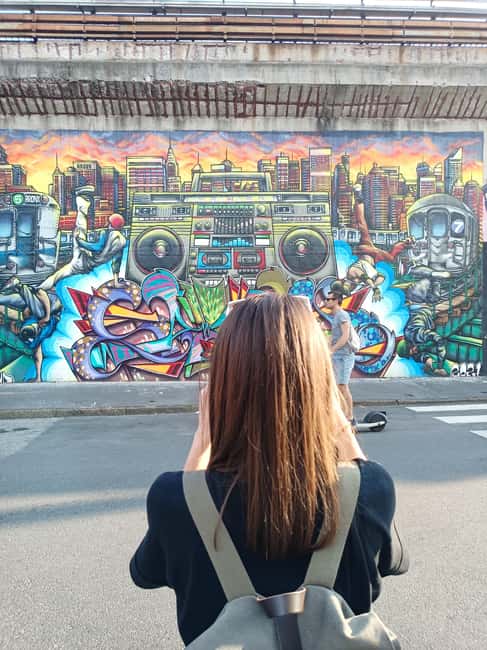
- Local guide focus: You get a street art lover local expert who helps you read the city, not just photograph it.
- Milan’s rising-area route: You’re routed through emerging streets where tourists don’t usually go.
- History in the real streets: You pick up ideas about Milanese and Italian street art, including its social roots.
- Photo-stop rhythm: Multiple guided photo stops keep you moving while still giving time to look closely.
- Alternative businesses on the route: You see small, non-mainstream places, which makes the walk feel grounded.
- Private group format: You’re not stuck in a giant group that breaks your attention and your photos.
Why Milan’s street art feels different on these streets
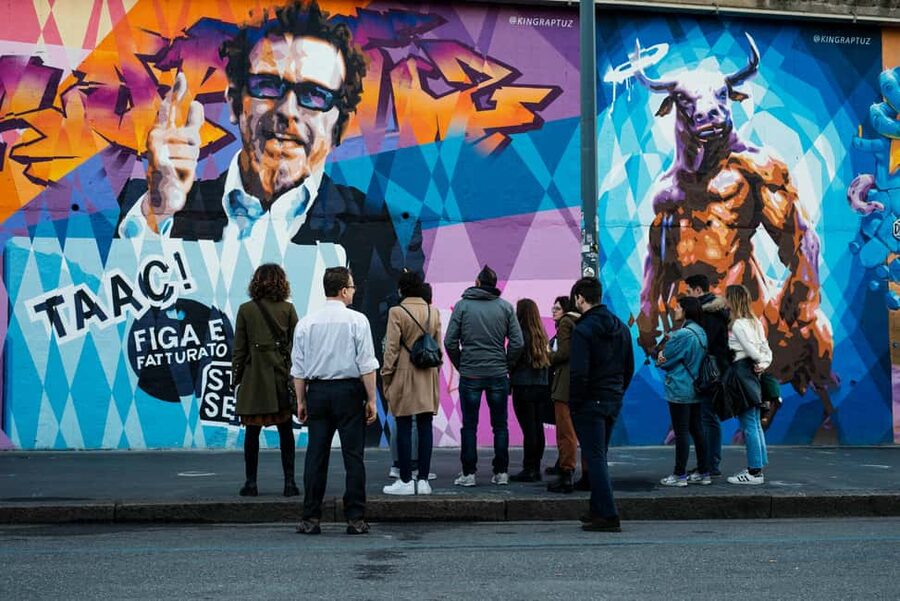
Milan is famous for design, but the street art scene is another side of the city that moves fast. This experience leans into that shift by taking you into emerging neighborhoods where walls are changing and the street culture feels current.
The big advantage is that you’re not just collecting images. Your guide helps you understand why certain pieces exist in the first place, including the idea that street art can function as protest on working-class streets. That turns random color on a wall into something you can actually read.
A few more Milan tours and experiences worth a look
Price and value: is $94 per person fair for 2 hours?
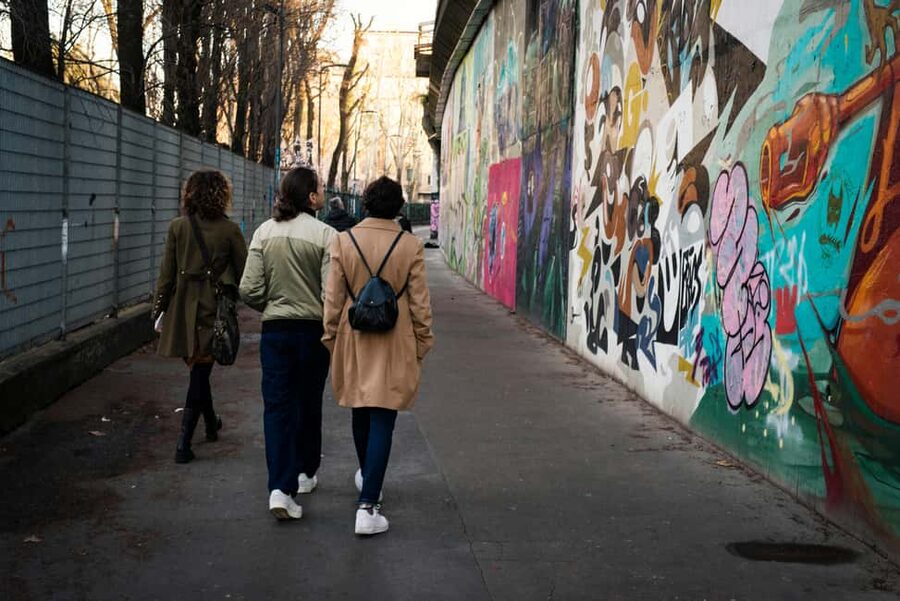
At $94 per person for a 2-hour tour, this isn’t a throwaway activity. The value mostly comes from two things: the guide and the route.
First, you’re paying for a street art lover local expert, with English and Italian guidance. Guides named Simon and Marco stood out for being informative and for showing hidden corners with surprises, which is exactly what you need if you want more than generic mural photos.
Second, the route is designed to put you in places tourists don’t usually go. That costs time and planning on the provider side, but it’s also what makes the experience feel like Milan beyond the usual checklist.
The only real drawback I’d keep in mind is expectation control. One review noted that the street paintings felt disappointing for the price, and another said they expected more graffiti. So if your dream is a constant stream of large street tags and big walls, you may want to set your expectations that this is a curated urban walk with a mix of art, context, and neighborhood texture.
Finding the start: Pasteur and Scaringi pastry shop
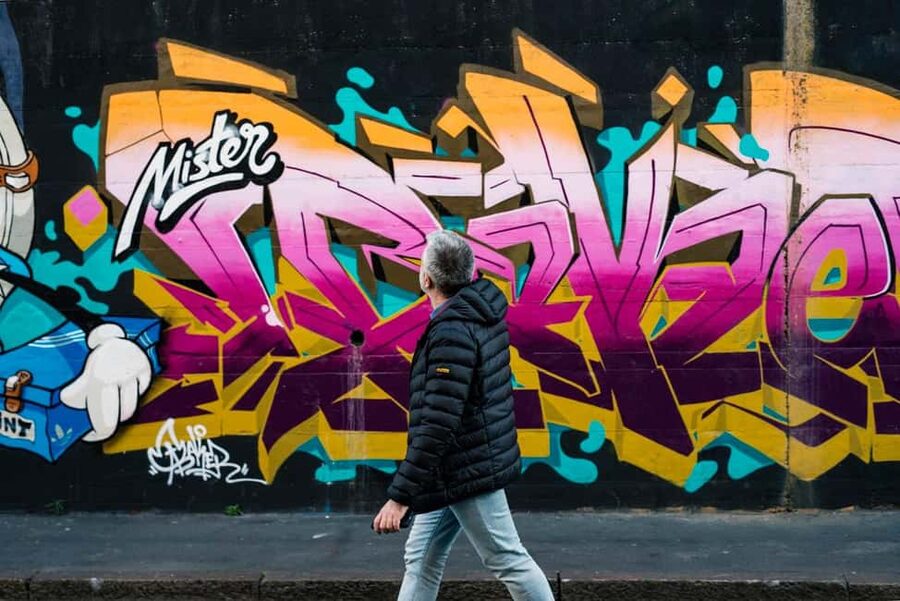
Your meeting point is straightforward: in front of the Scaringi pastry shop. That’s helpful because it reduces the usual stress of “meet by the statue” confusion.
The tour starts at Pasteur (and returns there at the end). You can treat this like a compact, loop-style walk: you get a defined route, photo stops along the way, and then you’re back where you started without needing extra planning.
One practical point: since public transportation to reach the meeting point isn’t included, you’ll want to map your arrival ahead of time. If you’re staying in a central area, plan for a short transit hop and then arrive slightly early to get oriented.
Stop-by-stop breakdown of the route
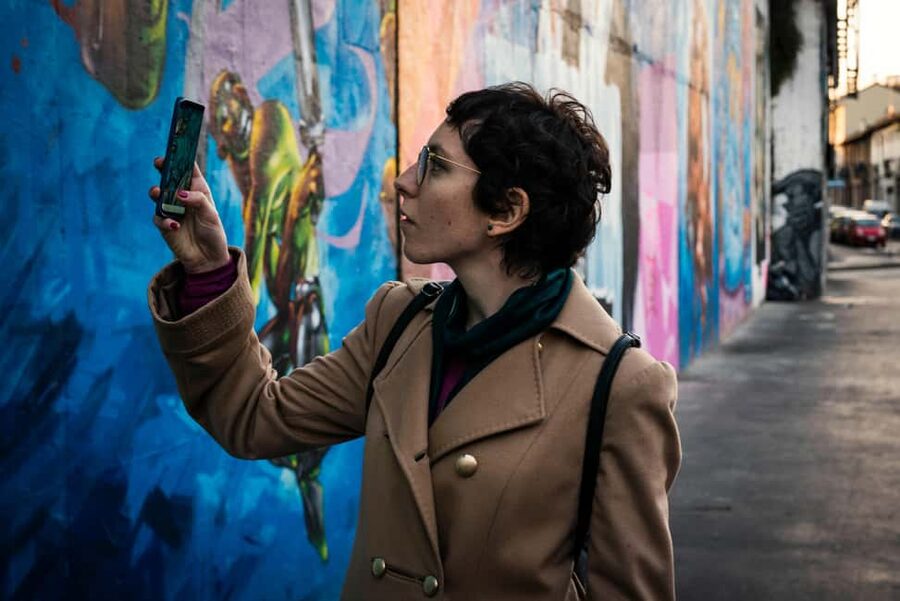
This walk is built around a series of photo stops plus brief guided visits. The stops give you time to slow down, look for details, and reposition your camera without feeling rushed.
Via Padova: where the route starts showing its character
You’ll begin with a stop on Via Padova, with a photo opportunity plus a guided tour. This is where the tour starts training your eye: you learn what to look for, how to spot the kind of street art that matters locally, and how the pieces connect to the neighborhood around them.
The value here is momentum. Early on, a guide can help you avoid the common mistake of photographing only the most obvious walls. You’ll start learning how to see layers—style, message, and placement.
Via Giovanni Pontano: getting better at reading walls
Next comes Via Giovanni Pontano, again with a photo stop and guided tour. This leg tends to feel more like pattern recognition: once you’ve understood what your guide is pointing at, you start noticing the small choices—where the artwork sits, how it interacts with the street, and what kind of story the artist is making.
If you’re the type who likes to understand what you’re seeing, this is a strong middle start. You’ll be past the initial wow factor and into the part where details actually start to click.
Viale Monza: photos, context, and the neighborhood vibe
Then you move to Viale Monza, with another photo stop and guided tour. Big streets can sometimes swallow street art, but that’s part of why a guide helps. You’re shown how the art holds its own in a wider urban environment.
This stop is also a good checkpoint. You’ll know by now if you’re enjoying the balance of art + neighborhood. If you’re already scanning for clues and messaging, you’re in the right headspace.
mosso: art and local texture in the middle of everyday life
After that, the route includes mosso. Since this appears as a named stop, you can expect it to be a meaningful location on the path—likely tied to a notable wall and the local vibe.
What I like about stops like this is the contrast. Instead of only hitting streets that look “touristy,” you’re moving through parts of the city where street art blends with everyday commerce and life. That’s where the experience starts to feel real.
Bici&Radici: a stop that feels like neighborhood culture
Next is Bici&Radici, again with a photo stop and guided tour. Named spots like this are often where street art intersects with local culture and small businesses.
This is where the tour’s “urban vibes” promise makes sense. You’re not just photographing art; you’re also noticing how people live around it. If you like travel days where you come away with both photos and new street-level impressions, this is one of the stronger parts of the walk.
Hug: finishing with one more reason to slow down
The final stop listed is Hug, followed by the return back to Pasteur. Like mosso and Bici&Radici, a named stop signals you’ll get a targeted moment for photos and guided explanation rather than a random wander.
I like ending this way because it keeps you from rushing to the finish. When you’re learning to read street art, you need a last chance to connect what you’ve learned to what you’re seeing.
The guide’s role: why Simon and Marco matter to your experience
The tour isn’t built around you knowing what to do. It’s built around having the right guide to translate the street.
Reviews highlight two guide strengths. First, there’s effort and attention—Simon was praised for showing hidden corners and being very informative, full of surprises. Second, Marco was called outstanding, with an excellent overall experience.
Even if you never meet these exact guides, the pattern is clear: the tour’s success depends heavily on the guide doing two jobs at once:
1) helping you find the best work, and
2) helping you understand the history ideas behind it.
That’s a big deal, because Milan’s street art can look like “just art” until someone connects it to local context and street-level meaning.
What you learn about Milanese and Italian street art
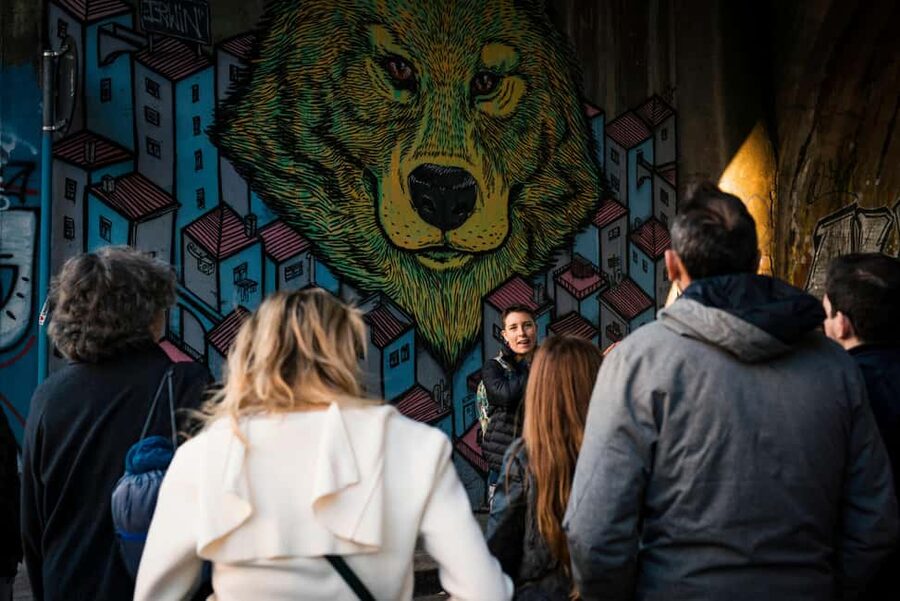
You’re not only shown images. You pick up notions about the history of Milanese and Italian street art, including how street art can be a form of protest.
For me, that context changes how you walk. Instead of asking only Who made this?, you start asking Why here? and What’s the message trying to do? Street art in working-class streets tends to carry pressure—social, political, or personal—and understanding that makes the colors feel more intentional.
If you like art history but don’t want museum pacing, this is the better route. It’s history with shoes on.
The alternative neighborhood angle: what you actually experience
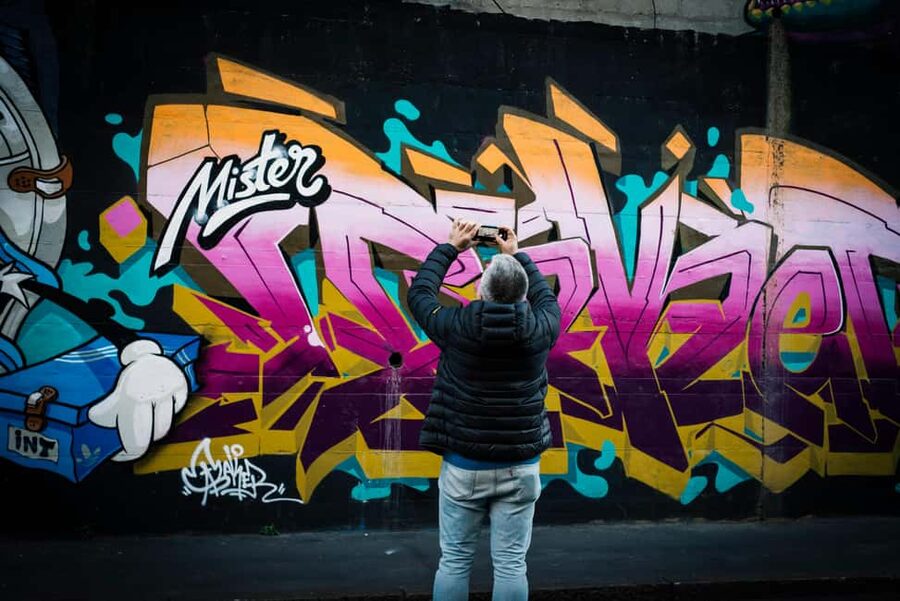
A big selling point is that you explore an area where tourists don’t usually go. That alone can make a walking tour feel fresher, because you aren’t stuck in a polished “performative city” zone.
You also get introduced to small and alternative businesses. Even when you’re just passing them, it changes the feel of your photos. Your images stop looking like staged travel content and start looking like a real slice of Milan.
This part matters if you’re trying to avoid the usual Milan routine. Street art works best when it’s surrounded by regular city life, not a curated backdrop.
Photography notes: how to get better shots without slowing everyone down
This tour is structured with multiple photo stops, which is great because it gives you permission to pause. Here’s how I’d approach it so you don’t miss the art or annoy the group:
- Bring a phone with decent low-light performance if you’re traveling later in the day.
- Take wide shots first, then come back for details after your guide points out what matters.
- Use the guided moments to reposition rather than walking while you’re aiming.
If you’re chasing a pure Instagram-style hit, this tour still helps. But the real win is learning what to photograph and why.
When this tour is a great fit (and when it may not be)
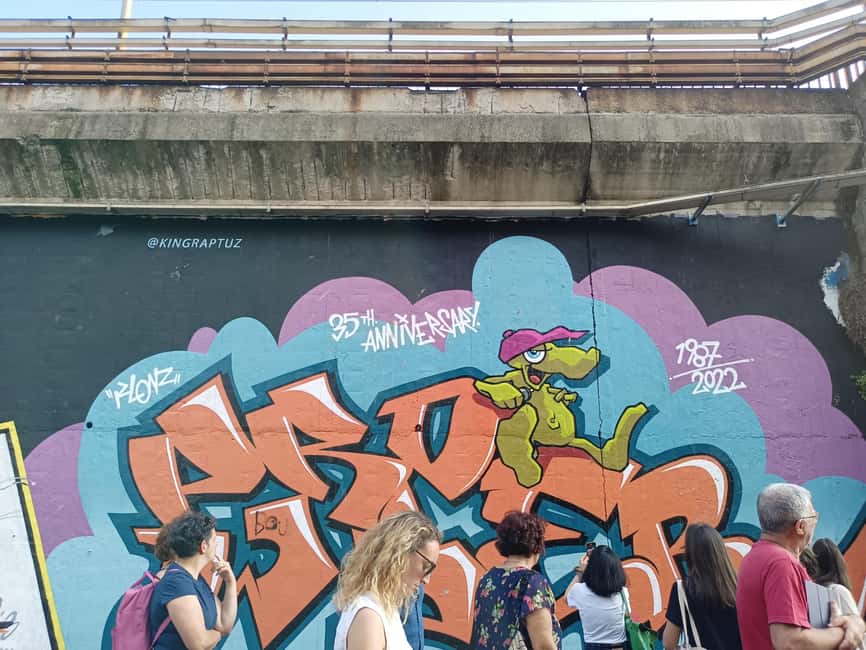
This is a good match if you want:
- a street art tour in Milan that goes beyond the obvious highlights
- a local guide who explains context and history ideas
- a neighborhood walk with alternative business stops
- a short, efficient outing that fits into a packed trip
It may not be the best fit if:
- you expect a nonstop wall-to-wall graffiti parade
- you only care about huge murals and nothing else
- you’re very price-sensitive and want more art density per minute
Given the mixed feedback on street paintings versus expectations, the sweet spot is choosing this tour as an art + story + neighborhood experience, not as a graffiti buffet.
Should you book FollowMi Around’s street art urban photo safari?
I’d book it if you like street art with guidance and if you value local explanations. The combination of hidden corners, photo-stop pacing, and context about Milanese and Italian street art is the core reason this experience works.
If you’re mainly chasing quantity of big graffiti, you might feel let down. In that case, look for something more mural-heavy or adjust your expectations before you go.
For most people wanting a fresh Milan angle in just 2 hours, this is a smart, cost-conscious way to see a side of the city that’s harder to find alone.
FAQ
How long is the street art tour?
It lasts 2 hours.
What is the price per person?
The price is $94 per person.
Where does the tour start and end?
It starts and ends at Pasteur, with the meeting point in front of the Scaringi pastry shop.
Is the tour private or group-based?
It’s listed as a private group.
What languages are offered by the guide?
The guide is available in English and Italian.
Is public transportation included?
No, public transportation to reach the meeting point is not included.
What’s included in the tour price?
A street art lover local expert/guide is included, along with the guided street art experience and photo stops.
What’s not included?
Public transportation to reach the meeting point is not included.
Is the tour wheelchair accessible?
Yes, it’s listed as wheelchair accessible.
What cancellation options are available?
Free cancellation is offered up to 24 hours in advance for a full refund. Reserve & pay later is also offered.