REVIEW · FLORENCE
Florence: Vasari Corridor and Uffizi Gallery Exclusive Tour
Book on GetYourGuide →Operated by Florence Tours by Made of Tuscany · Bookable on GetYourGuide
Florence gets a secret passage day. I love the Vasari Corridor walk, a privileged route that puts you above Florence the way the Medici did, and I love that the tour starts in the Uffizi Gallery so the art makes sense before you step into the corridor.
One possible drawback: the corridor time is limited, so if you expect a full second museum, you may feel it’s more passage than exhibition. The price is also high, so it pays to be sure you really want this corridor experience—not just extra Uffizi time.
In This Review
- Key things to know before you go
- Vasari Corridor Reopening: Why This Tour Feels Different
- Meeting at Piazza della Signoria: Start Smart, Not Stressed
- Uffizi Gallery Highlights: The Art-Context Jump That Pays Off
- From the Uffizi to the Corridor: Direct Access Saves Your Trip
- Walking the Corridor: Medici Clout in Plain Sight
- Ponte Vecchio Views: The City Looks Different From Above
- The Uffizi-Corridor Connection: Why the Order Matters
- Guides, Pacing, and Crowd Control: What Makes or Breaks It
- Price and Value: Is $324 Worth It?
- Practical Tips: Make the 2.5 Hours Feel Effortless
- When the Corridor Feels Too Short: How to Manage Expectations
- Who Should Book This Exclusive Florence Tour?
- Should You Book? My Honest Recommendation
- FAQ
- How long is the tour?
- Where do I meet the guide?
- Does the tour start at the Uffizi Gallery?
- How does ticket line handling work?
- What languages are available for the guide?
- What artworks does the Uffizi portion focus on?
- What should I bring, and what items are not allowed?
- Is the Vasari Corridor tour accessible for wheelchairs?
- How should I think about cancellation and refunds?
Key things to know before you go
- Exclusive Vasari Corridor access with guided time inside the passage
- Uffizi first, corridor second, using the paintings to give context to what you’ll see in the corridor
- Ponte Vecchio from above, as part of the corridor route
- Medici power, explained simply, including Giorgio Vasari’s 1565 commission for Cosimo I dé Medici
- Strong guiding matters for pacing inside the Uffizi rooms and choosing what to focus on
Vasari Corridor Reopening: Why This Tour Feels Different
The Vasari Corridor is one of those Florence sights you’ve probably heard about for years, but it’s also the kind of place people describe differently. Some say it’s short and mostly about moving quickly. Others love the historical feeling: a long, elevated “private world” above the city.
What makes this tour special is that it doesn’t treat the corridor like an add-on. You start at the Uffizi with a guided plan, then you go straight into the corridor via direct access. That order helps you connect the dots—art, patronage, and power—without wasting time hopping between separate tickets or random stops.
Also, the corridor was built to solve a very Medici problem: moving between palaces without mixing with ordinary people. When you walk it, you can feel that purpose in the layout.
You can also read our reviews of more museum experiences in Florence


Meeting at Piazza della Signoria: Start Smart, Not Stressed
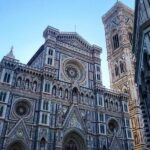
Your meeting point is in front of the Neptune Fountain in Signoria Square. It’s a convenient launch pad because the Uffizi is right there, and Signoria Square is easy to orient yourself in once you’re in the center.
Plan to arrive a bit early so you can settle in with your ID ready. This tour is ticketed by name, and you’ll need a passport or ID card to participate. Since there are restrictions on bags and items, you’ll be happier if you show up light.
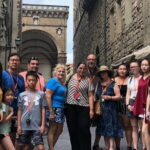
The tour begins at the Uffizi Gallery, even though you meet at Neptune Fountain. From that first moment, it’s clear this is designed for time management: a guided rhythm that keeps you moving instead of waiting around.
Uffizi Gallery Highlights: The Art-Context Jump That Pays Off
The Uffizi is famous enough that you might walk in thinking you already know what matters. The trick is that “knowing” and “seeing closely with a plan” are two different things.
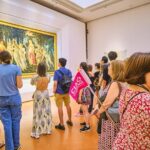
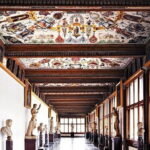
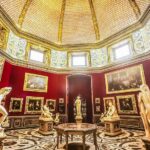
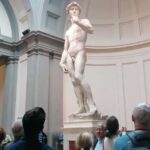
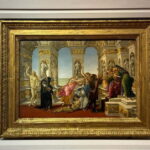
On this tour, you get a guided Uffizi segment lasting about two hours. That’s enough time for a real focus list instead of a rushed scan of masterpieces. The tour’s artwork examples include major names like Botticelli, Michelangelo, Leonardo da Vinci, and Titian—plus the kind of works that people bring home in postcards. If you’re the type who wants to understand why these paintings mattered, a good guide can turn the hour-and-a-half chaos into a clear path.
This is where the best guiding shows up. In particular, guides I’ve seen praised for this experience—like Jadranka and Francesca—are the kind who connect details across rooms. They tend to explain how art developed over time, not just what you’re looking at. They also know how to position you inside crowded galleries so you can actually see.
Practical note: even with reserved tickets and skip-the-line elements, museum entry can sometimes still involve waiting depending on timing. If you’re sensitive to delays, come with patience and keep your expectations flexible.
From the Uffizi to the Corridor: Direct Access Saves Your Trip
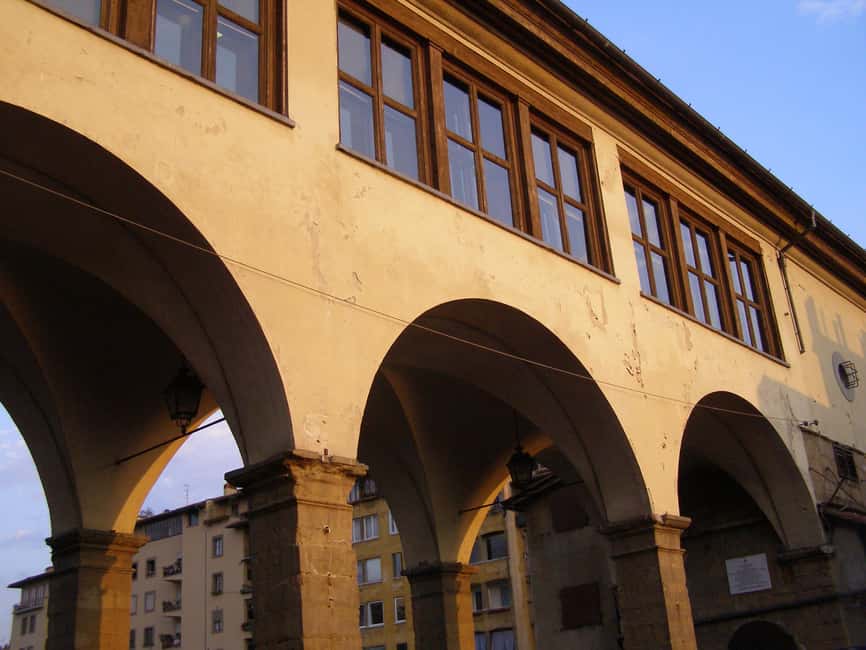
One of the quiet advantages here is direct access. You don’t have to scramble between buildings, find entrances, or rely on luck to time your passage.
You begin inside the Uffizi experience, then move into the Vasari Corridor from there. That matters because Florence can eat time fast. When you reduce transfers and admin steps, you can spend more of your limited 2.5 hours actually doing the thing you booked.
The itinerary is tight by design:
- guided Uffizi time (about two hours)
- guided Vasari Corridor walk (about 45 minutes)
That pacing can feel intense if you’re trying to squeeze in photos, rest, and long museum detours all at once. But if you want a curated Florence hit, it’s a smart format.
Walking the Corridor: Medici Clout in Plain Sight
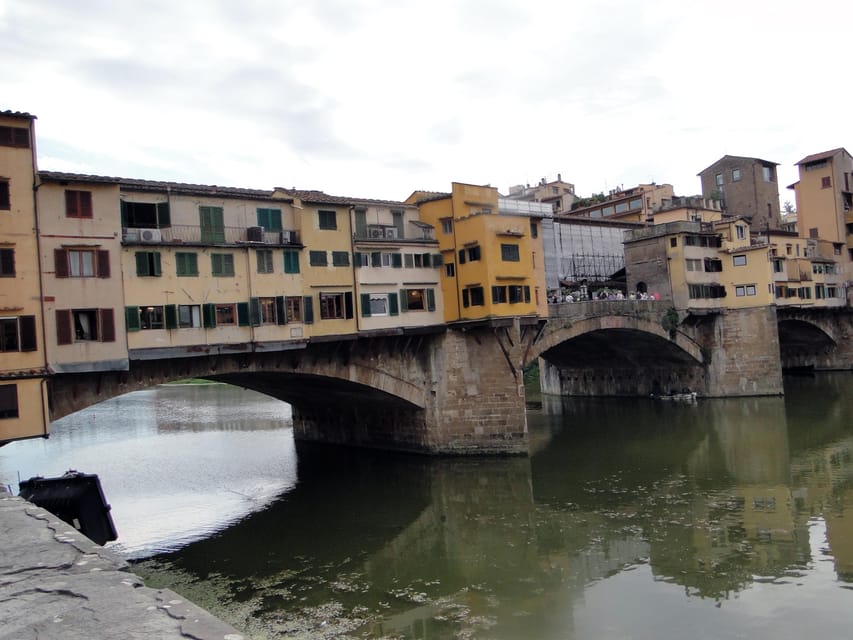
Once you’re in the Vasari Corridor, the mood changes. Instead of the open, public pressure of museum rooms, you’re in a long, purposeful passage. It’s a building for control—control of movement, control of sightlines, and control of who gets to be where.
The corridor was commissioned in 1565 by the Grand Duke of Tuscany and designed by Giorgio Vasari. The historical reason is simple and powerful: Cosimo I dé Medici needed a way to go from one palace to another without mixing with ordinary people. This corridor solved that.
And it was built fast—only about five months. Standing in those spaces, it’s easier to grasp how seriously the Medici treated architecture as a tool of rule.
You’ll also learn how the corridor was meant to function like a “Prince’s Path.” That’s not just marketing language. It changes how you watch the city from above. You stop seeing it like a tourist and start seeing it like a ruler’s route.



Ponte Vecchio Views: The City Looks Different From Above
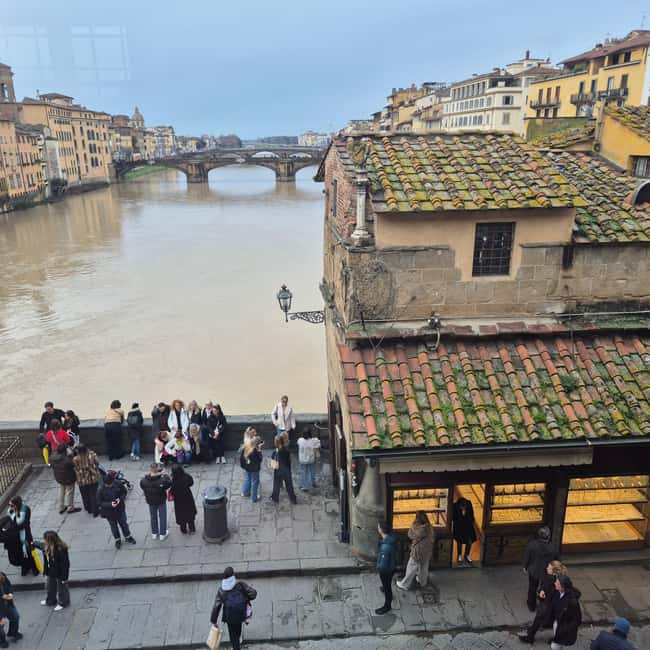
One of the corridor highlights is crossing over Ponte Vecchio as part of the experience. You don’t just pass the landmark—you get an elevated viewpoint that changes the way the river and bridges read.
From the corridor perspective, Ponte Vecchio doesn’t look like a crowded photo spot. It looks like part of a plan. You’re aware of circulation—where people move, where sightlines exist, and how the city’s geography can be used.
Even if you’ve walked Ponte Vecchio before, the corridor version adds context. It’s not only about views; it’s about understanding how Florence’s most famous areas connect to power and movement.
The Uffizi-Corridor Connection: Why the Order Matters
This tour doesn’t send you to the corridor first and hope you’ll connect the art later. It starts in the Uffizi, which is exactly the right move.
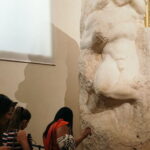
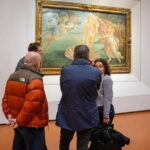
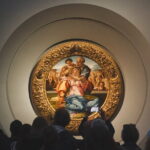
When you see works like the Venus of Botticelli, Michelangelo’s Tondo Doni, Leonardo da Vinci’s Annunciation, and Titian’s Venus of Urbino as part of a guided flow, you get a foundation. Then, when you walk the corridor, you’re better able to think about patronage: who funded art, why certain images mattered, and how rulers used cultural power alongside physical power.
That connection is often what makes the experience feel worth the money. You’re not just buying a “cool hallway.” You’re getting a narrative arc.
Guides, Pacing, and Crowd Control: What Makes or Breaks It
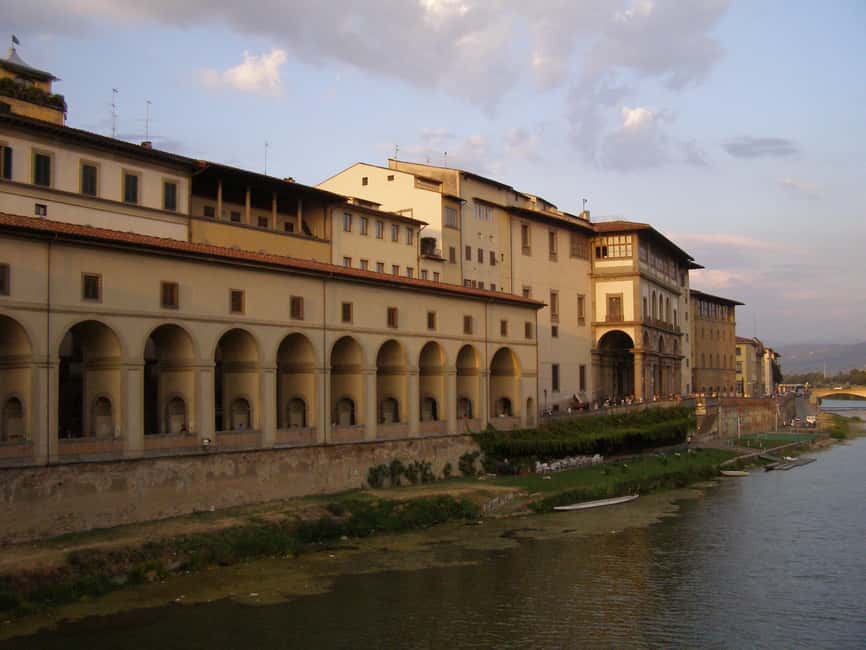
In a museum like the Uffizi, crowd flow can decide whether your tour is satisfying or frustrating. The guides praised most for this experience tend to manage that.
For example, Jadranka is highlighted for being extremely prepared—covering the Uffizi artworks, the evolution of art, Florence history, the Medici family, and the corridor itself. She’s also mentioned for positioning people well inside crowded areas, so you don’t end up pressed against glass with no line of sight.
Francesca is another guide name connected to strong enthusiasm and history-focused explanations. The best kind of guide doesn’t just list facts; they help you see what you’re looking at and keep you moving at the right speed.
If you care about storytelling and smart pacing, this kind of guided private group style is where the value can show up.
Price and Value: Is $324 Worth It?
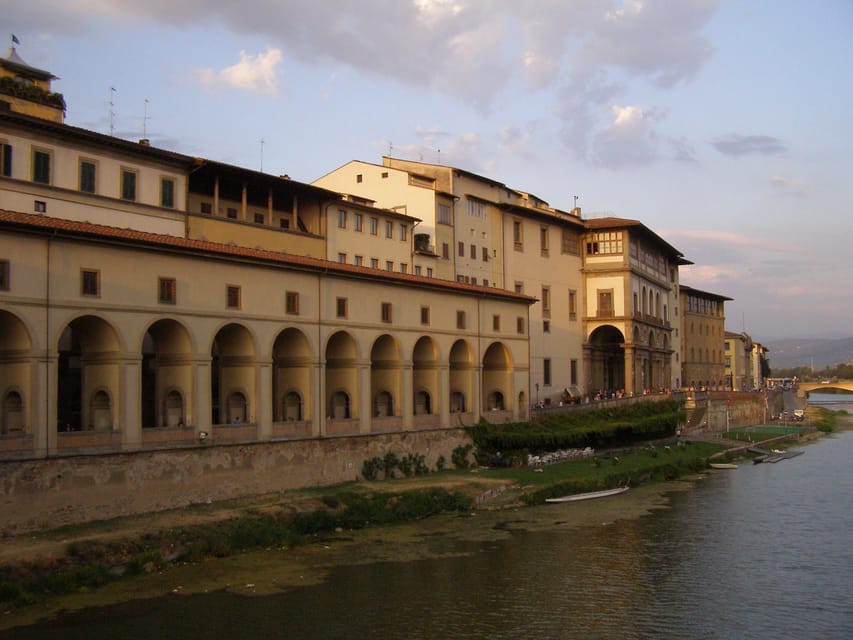
At $324 per person for about 2.5 hours, this isn’t a bargain. The value has to come from exclusivity plus time efficiency.
Here’s how I’d judge whether it’s worth it for you:
- If you want exclusive Vasari Corridor access, the price is partly paying for entry into a limited-experience space.
- Starting at the Uffizi with a guided plan helps you use your time well, especially if you’d otherwise wander for hours and still feel uncertain about what to prioritize.
- It’s private-group style, which usually means you get a more controlled experience than large shared tours.
Now for the reality check. One disappointment noted in an earlier visit is that the corridor can feel like mostly a passage, with less to look at than you might expect. Also, some specific artworks may not be available on certain days depending on scheduling and viewing conditions. Add in the possibility of museum entry waiting even with reserved access, and you want to be flexible.
If you’re the type who can handle a short-but-focused experience, the price can make sense. If you want a long, art-dense walk-through of everything, you might feel shortchanged.
Practical Tips: Make the 2.5 Hours Feel Effortless
This is a guided walking tour with restrictions. Before you go, keep things simple:
- Bring a passport or ID card.
- Expect no oversized luggage, no food and drinks, and no luggage/large bags, no backpacks, and no plastic bottles.
- Wear comfortable shoes for standing and walking in historic buildings.
Also remember that the tour ends at Grotta del Buontalenti. If you’re planning dinner afterward, think about direction and time so you aren’t rushing across the city with sore feet.
If you like taking photos, plan to do it quickly and move on. This tour works best when you let the guide keep momentum.
When the Corridor Feels Too Short: How to Manage Expectations
The Vasari Corridor experience is unique, but it’s also not the same as spending a half day in a museum wing. Even at its best, it’s a passage through history.
So I’d set your expectations like this:
- You’re going for the historic experience and the city viewpoint.
- You’re not necessarily going to get a long series of room-by-room artworks like you would in the Uffizi proper.
- You’ll get meaning from the guide’s explanations, not from endless visuals alone.
If you want maximum art time, you may prefer to spend more hours in the Uffizi on a different format. If you want the Medici-era corridor experience as the centerpiece, this is a strong match.
Who Should Book This Exclusive Florence Tour?
This tour fits best if you:
- really want Vasari Corridor access (not just a normal Florence walk)
- like guided focus in the Uffizi rather than aimless browsing
- enjoy history that ties architecture and art together
- prefer private-group pace and fewer logistical hassles
It may feel less ideal if you:
- want a long, slow museum day
- expect the corridor to function like a full gallery with lots of stops
- are very sensitive to any waiting time around museum entry
Should You Book? My Honest Recommendation
Book it if the Vasari Corridor is on your Florence must-do list. The combination of Uffizi context first and then exclusive corridor walking is exactly what makes this experience different from doing two separate activities on your own.
Skip or reconsider if you’re only looking for more Uffizi time and don’t care much about the corridor itself. The price is steep enough that the “wow” has to be the hallway, the Medici story, and the elevated Ponte Vecchio viewpoint.
If you go in knowing it’s a focused 2.5-hour experience—art guide, then corridor route—you’re much more likely to leave feeling satisfied.
FAQ
How long is the tour?
The tour lasts about 2.5 hours, with roughly 2 hours at the Uffizi Gallery and about 45 minutes walking through the Vasari Corridor.
Where do I meet the guide?
You meet in front of the Neptune Fountain in Signoria Square, Florence.
Does the tour start at the Uffizi Gallery?
Yes. The tour begins at the Uffizi Gallery, with direct access to the Vasari Corridor from there.
How does ticket line handling work?
The tour includes skip-the-ticket-line access.
What languages are available for the guide?
The live guide is offered in Italian, English, Spanish, French, and German.
What artworks does the Uffizi portion focus on?
The experience highlights major works including Botticelli’s Venus, Michelangelo’s Tondo Doni, Leonardo da Vinci’s Annunciation, and Titian’s Venus of Urbino.
What should I bring, and what items are not allowed?
Bring a passport or ID card. Oversize luggage, food and drinks, luggage or large bags, backpacks, and plastic bottles are not allowed.
Is the Vasari Corridor tour accessible for wheelchairs?
Yes, it is listed as wheelchair accessible.
How should I think about cancellation and refunds?
There is free cancellation up to 24 hours in advance for a full refund. The note also says tickets are nominative and non-refundable, so it’s worth booking only when you’re confident in your dates.