REVIEW · ROME
Doria Pamphilj Gallery and Palace Private Tour
Book on Viator →Operated by Capitolium Tours · Bookable on Viator
A quiet palace can still pull you in. This private tour of the Palazzo Doria Pamphilj takes you through baroque rooms and major artworks in a palace that’s still privately owned, so it feels less like a theme park museum and more like walking through someone’s world.
I especially like two things: the chance to focus with a private guide (not a noisy herd), and the fact that the admission ticket is included for the time you book. With a guide who ties rooms to context, you get more meaning than you would with a quick self-walk.
One consideration: Rome during the Jubilee can mean restorations or changes to monuments, so keep an eye on any messages before you go. And like many older entrances in Rome, you might have a moment of confusion on arrival if reservations aren’t immediately visible at the ticket desk.
In This Review
- Key things to know before you go
- Why the Doria Pamphilj Palace feels different in Rome
- Price and value: is $44 a fair deal?
- Getting there on Via del Corso without wasting time
- Inside the palace: what the private route actually gets you
- Stop 1: Palazzo Doria Pamphilj and the art collection context
- The family chapel: where baroque gets personal
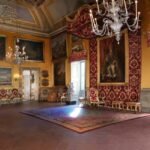
- Red and yellow rooms: color, power, and decoration logic
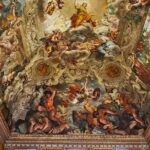
- The main painting gallery: the big collection moment
- What you learn from the guide (and why it matters)
- Timing, comfort, and who should book this
- Jubilee season reality check: restorations can affect the view
- What to expect at the door and inside the palace
- Should you book this Doria Pamphilj Palace private tour?
- FAQ
- How long is the Doria Pamphilj Gallery and Palace private tour?
- What is the price of the tour?
- Is admission included?
- Where is the meeting point?
- Is this a private tour or a group tour?
- Will I receive confirmation after booking?
- Is public transportation nearby?
- Is it affected by weather or restorations during the Jubilee?
- Can I cancel for a refund?
Key things to know before you go
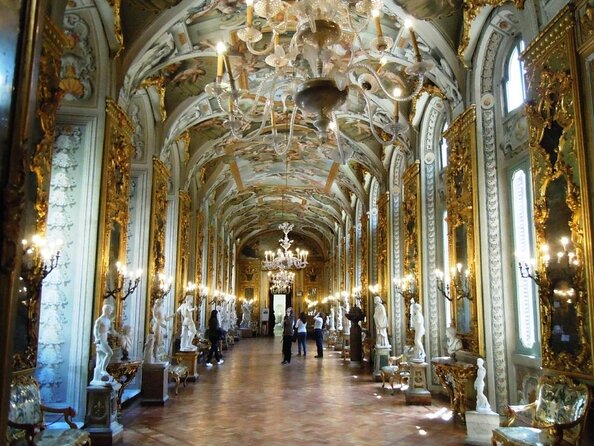
- Still-private palace setting: The Doria Pamphilj family continues to own the palace, which changes the vibe.
- A guided route through iconic spaces: You’ll see the family chapel, red and yellow rooms, and the main painting gallery.
- Short, efficient timing: Plan for about 1 hour to 1 hour 30 minutes.
- Private group only: It’s for your group—no mixing with strangers.
- Jubilee-related changes are possible: Watch for updates if nearby monuments are under restoration.
Why the Doria Pamphilj Palace feels different in Rome
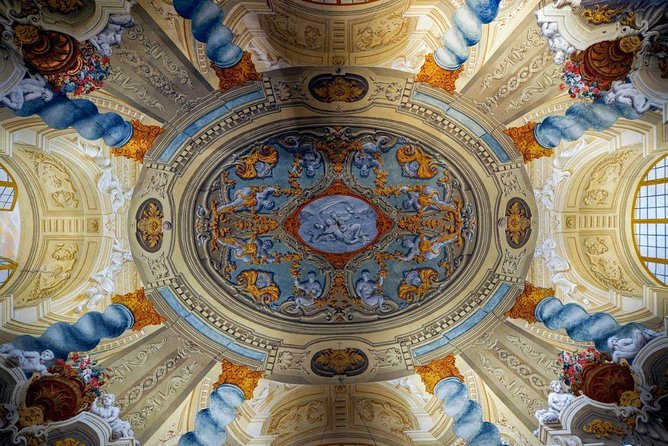
Rome has plenty of famous collections. What makes the Doria Pamphilj Palace special is the mix of scale and “still in family hands” character. You’re not just touring a public gallery. You’re moving through a princely residence that holds one of the largest art collections in the city—meaning the experience often lands closer to how baroque interiors were meant to be used: living spaces, display rooms, and places of personal importance.
And because the tour is private, I think it’s easier to slow down. You can ask questions without worrying you’re holding up a crowd. For art, that matters. Baroque painting and decorative programs can feel like a wall of details when you’re on your own. With a guide pointing out what to look for, you start noticing patterns—how images relate to rooms, how symbolism shows up in decoration, and why certain works were prized.
The route is also nicely focused. You’re not spending half a day sprinting across Rome’s best-known sights. You’re getting a concentrated “palace + art + context” visit that fits cleanly into a day of sightseeing.
You can also read our reviews of more private tours in Rome



Price and value: is $44 a fair deal?
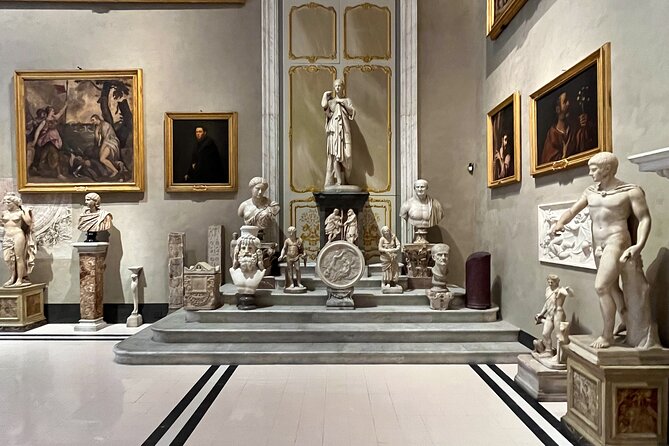
At $44, this is priced as a short guided palace visit with admission included. The big value here isn’t only the ticket—it’s the time with a private guide inside rooms you can’t fully understand through guesswork.
If you were to visit independently, you’d have two common problems:
- You’d see rooms without knowing how the story connects.
- You’d lose time trying to figure out what matters most.
In contrast, this tour is designed to give you a guided path through the palace’s standout spaces—especially the family chapel and the key gallery areas. That keeps your hour or 90 minutes feeling purposeful instead of “just walking around pretty rooms.” If you like art with explanation (and want to avoid the mental work of decoding everything), the price-to-time ratio makes sense.
Also, group discounts are available, which can improve value if you’re traveling with friends or family.
Getting there on Via del Corso without wasting time
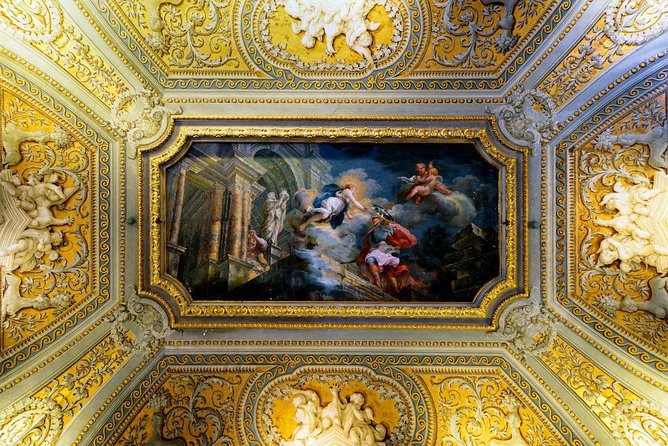
You’ll start at Via del Corso, 305, 00186 Roma RM, and the tour ends back at the meeting point. That matters more than it sounds, because it simplifies planning. You don’t need a complicated itinerary of “go here, then take a bus, then meet someone else near a different church.” You go in, do the palace route, and come back to the same area.
It’s also listed as near public transportation, so you can handle the “Rome logistics” part without turning the day into a maze. I’d still suggest building in a few buffer minutes. Older city centers have lots of foot traffic and can be tricky to match up with exact meeting spots, especially if there’s construction, crowds, or a Jubilee-related reroute.
One practical comfort from past experience: if you arrive at the ticket office and your reservation isn’t immediately showing for your party, the guide can still locate you and sort things out. That’s reassuring if you get nervous at the start.
Inside the palace: what the private route actually gets you
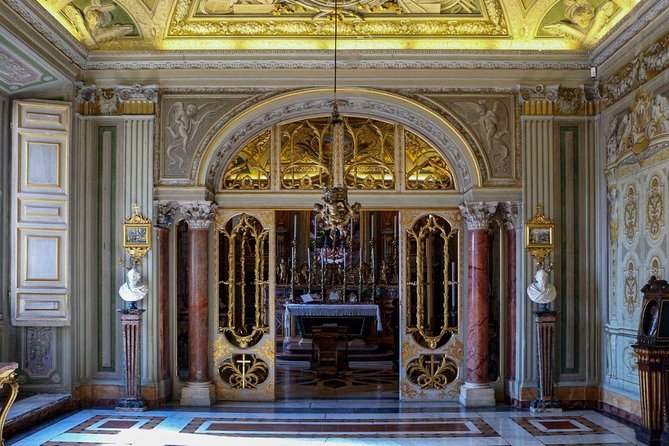
This is a private tour/activity, meaning only your group participates. That changes the entire feel of the visit. You’re not listening from the back of the line. You’re not trying to see through shoulders. You can slow down at the rooms where you genuinely want more time.
The tour moves through a set of highlights that work well as a “palace overview” in a short window. You’ll visit:
- The family chapel
- Red and yellow rooms
- The main painting gallery
- Plus additional palace spaces included in the guided circuit
Even if you’re not a die-hard art history person, this structure helps. You see decorative and spiritual spaces (chapel), plus the performance rooms (color-themed chambers), plus the place where the artwork is the star (main painting gallery).
Stop 1: Palazzo Doria Pamphilj and the art collection context
The focus starts with the Palazzo Doria Pamphilj itself. This is where the tour earns its keep. The palace is still privately owned by the Doria Pamphili family, and the guide’s job is to connect that fact to what you’re seeing.
That private ownership matters because it often shapes how collections are displayed, how rooms are used, and how the interiors feel. Public museums can sometimes feel like the “collection is the product.” Here, the palace is the product, and the art is part of the residence’s identity.
If you’ve felt that some Rome museums are too broad—too many rooms, not enough cohesion—this tour’s smaller scope is a strong fix.
You can also read our reviews of more museum experiences in Rome


The family chapel: where baroque gets personal
The family chapel is one of those stops that can surprise people. It’s not just “another room with art.” In baroque-era palaces, chapels weren’t decorative afterthoughts. They were meaningful spaces tied to status, devotion, and family identity.
A guide helps you read the chapel rather than just walk past it. You’ll likely get insights into how the chapel fits into the broader palace story and why these spaces were designed the way they were. If you care about religion in art, even a little, this part is often the most moving because it’s both intimate and formal.
Red and yellow rooms: color, power, and decoration logic
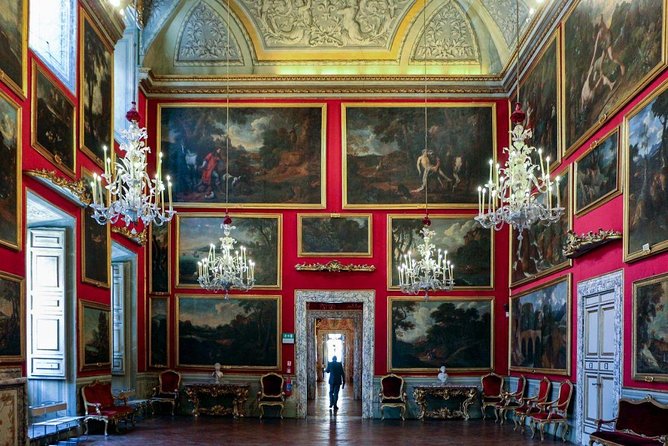
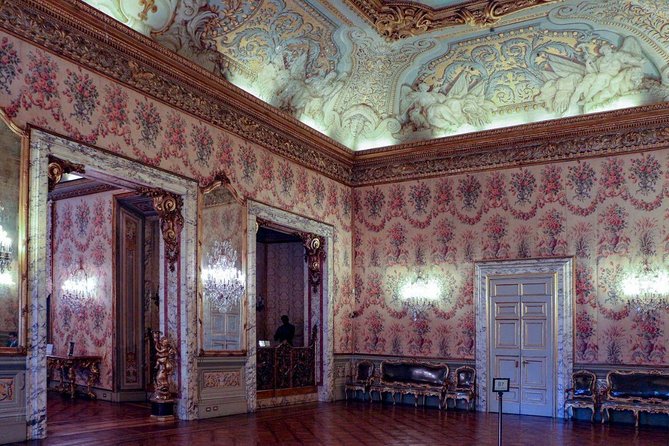
The red and yellow rooms are the palace’s visual “set pieces.” In baroque interiors, color isn’t just paint. It’s mood control—how you want to feel when you enter, and how you want visitors to react.
On a guided route, you’ll get the kind of explanation that turns “pretty rooms” into “planned effect.” The guide’s historical and cultural context is what makes these spaces more than Instagram backdrops. You start noticing how decorations, proportions, and artwork placement work together to create theater.
If you’re a visual learner, these rooms can be a standout. If you’re more into paintings than rooms, you can still benefit, because baroque painting often connects to the themes and visual language of the surrounding spaces.
The main painting gallery: the big collection moment
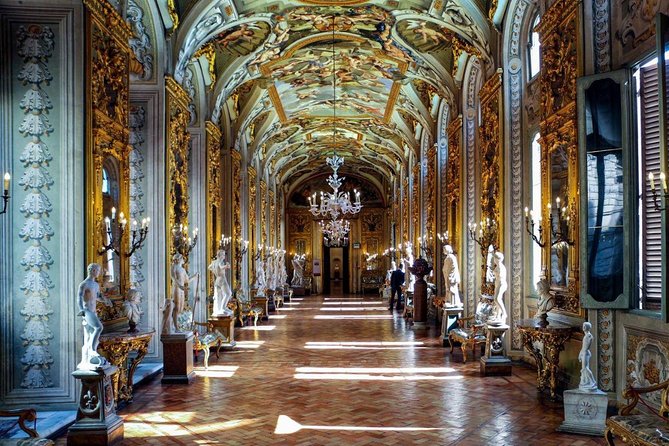
This is where the palace’s promise becomes real. The tour includes the main painting gallery, aimed at showcasing the palace’s major artworks.
The value of a guide here is simple: without direction, it’s easy to stand in front of paintings and miss why they matter. With context, you’re more likely to understand:
- what themes the artworks reflect,
- how baroque style communicates emotion and drama,
- and how the palace’s collection fits into Rome’s wider art world.
And since the collection is described as one of the largest in Rome and still privately owned, the gallery stop is the “this is why you’re here” section.
What you learn from the guide (and why it matters)
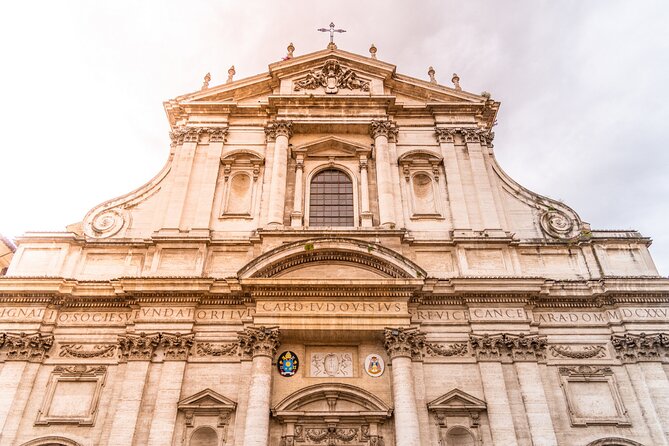
This tour is guided, and the guide is there for a reason: baroque art and history can feel intimidating until someone gives you a way in.
From the kind of feedback this tour has received, the guidance is a major part of the satisfaction. People highlight that the guide is both knowledgeable in how they explain things and good at making the visit fun and interesting. That combination is key. You want facts—but you also want someone who can connect those facts to what you’re seeing right now.
Here’s what that means for your experience:
- You won’t just recognize famous terms. You’ll understand how they connect to the rooms.
- You’ll likely spend less time wondering what you’re looking at.
- You’ll come away with a clearer idea of why these interiors and paintings were valued.
For practical terms, you’ll get personalized pacing. If you want to linger in a room, you can. If you want to move briskly through one section and focus on another, you can do that too—within the tour’s planned flow.
Timing, comfort, and who should book this
With a duration of about 1 to 1.5 hours, this tour suits people who want a quality cultural stop without eating the whole day. It works great if you’re also visiting churches, squares, and Roman street scenes nearby. Think of it as a “standalone art block” that fits between bigger landmarks.
It also works well if:
- you like guided explanations,
- you want private time instead of joining a big group,
- you’re curious about how private collections shape what you see.
It may be less ideal if you want a super long museum-style wandering session. This is a structured route, so you shouldn’t expect hours of free exploration beyond the guided stops.
As for physical comfort, the listing says most travelers can participate, which suggests it’s not only for super-athletic travelers. Still, it’s a palace visit, so you’ll want normal walking comfort and patience for older building layouts.
Jubilee season reality check: restorations can affect the view
The tour notes that during the Jubilee, some monuments may be under restoration and you should pay attention to messages about potential changes. Rome loves a good construction project, and this is the part where you avoid surprises.
My advice: check your email/app messages close to the tour date. If something nearby is altered, you’ll want to know what the plan is ahead of time. If you’re the type who likes to schedule tightly, give yourself a little slack that day.
What to expect at the door and inside the palace
This experience is described as including an admission ticket. That means you should be able to focus on the tour itself rather than hunting for tickets at the last second.
Also, it’s a private group experience, so the staff and guide will be working with only your party. In real life, that often means you’re not being rushed through the rooms by sheer crowd flow.
One helpful practical detail from past issues: sometimes, at the ticket office, you might not immediately see a reservation listed for your party. If that happens, the guide can still find you and get you connected to the right tour. That kind of problem-solving is exactly what you hope for when you travel.
Should you book this Doria Pamphilj Palace private tour?
I’d book this if you want a short, high-impact palace visit with meaningful context—especially if you’re curious about baroque rooms, family chapels, and how art collections operate in a still-private residence.
Skip it (or rethink) if you prefer total freedom over structure, or if you’re already planning to spend a long day in major Rome museums and want no guided stopping points.
If your ideal Rome day includes one focused art experience where you actually understand what you’re seeing, this one is a solid pick.
FAQ
How long is the Doria Pamphilj Gallery and Palace private tour?
It lasts about 1 hour to 1 hour 30 minutes.
What is the price of the tour?
The price is listed at $44.
Is admission included?
Yes. The tour includes an admission ticket.
Where is the meeting point?
The start point is Via del Corso, 305, 00186 Roma RM, Italy.
Is this a private tour or a group tour?
It’s a private tour/activity. Only your group participates.
Will I receive confirmation after booking?
Yes. Confirmation is received at the time of booking.
Is public transportation nearby?
Yes, it’s near public transportation.
Is it affected by weather or restorations during the Jubilee?
Good weather is required. Also, during the Jubilee, some monuments may be under restoration, so pay attention to any messages about potential changes.
Can I cancel for a refund?
Yes. You can cancel for free up to 24 hours in advance for a full refund.