REVIEW · COPENHAGEN
Copenhagen: MACA Museum: Banksy & Street Art Entry Ticket
Book on GetYourGuide →Operated by maca museum · Bookable on GetYourGuide
Banksy is one thing. His early process is something else. This MACA Museum visit in Copenhagen pairs rare Banksy-era works with a who’s-who lineup from graffiti and street art across the decades, all set right in the Nyhavn waterfront area.
I especially love how you can move from Banksy’s early drawings and stencils to major names like Futura 2000, Lady Pink, Shepard Fairey, STIK, VHILS, and Retna without the experience feeling like a random slideshow. I also like that the ticket includes a downloadable audio guide (multiple languages), so you can slow down and read each work properly.
One thing to consider: this is a museum-style exhibition day, not a full-day mega-museum crawl—so if you’re expecting tons of gallery space, plan to pair it with nearby Copenhagen stops.
In This Review
- Key highlights worth planning around
- Why this MACA Museum exhibition works so well in Copenhagen
- What you’ll see inside the museum galleries
- The Banksy Early Years focus: stencils, drawings, and process
- The graffiti and street art generations you can connect
- Audio guides: how to use them without losing time
- Nyhavn outside the doors: what to do before or after
- Food, winter candlelight, and the courtyard cafe vibe
- How close you are to Andersen and Amalienborg
- Price and value: is $25 worth it?
- Who this fits best (and who might prefer something else)
- Should you book this MACA Museum Banksy & Street Art ticket?
- FAQ
- How long is the visit?
- Where do I go for the ticket?
- What’s included in the MACA Museum entry?
- Is the audio guide included?
- Do I need to bring headphones?
- What languages are available for the audio guide?
- Can I skip the ticket line?
- Is storage available for coats and bags?
- Are there places to eat or drink on site?
- What flexibility do I have with booking?
Key highlights worth planning around
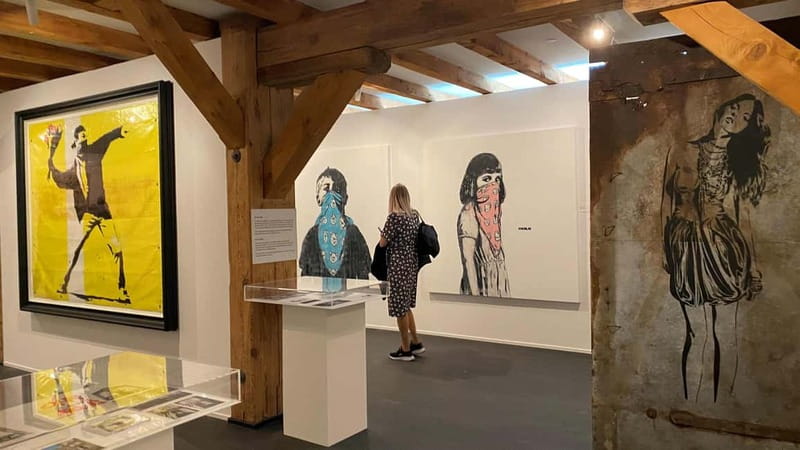
- Banksy’s early methods, shown through drawings, stencils, photographs, and paintings
- A strong lineup of street and graffiti legends across the 1980s, 1990s, and 21st century
- The museum’s setting in Nyhavn, Denmark’s classic canal waterfront vibe
- Easy “add-on” potential nearby, including Amalienborg Royal Palace
- Audio guides in many languages via download to your smartphone
- Coat and bag storage included, so you can tour hands-free
Why this MACA Museum exhibition works so well in Copenhagen

Copenhagen is already good at mixing the old and the slightly rebellious. That’s exactly why this MACA Museum experience clicks. You’re in the center of the city, in the historic trading-port area of Nyhavn, where colorful canal life sits just outside the door. Then inside, you get street art that originally thrived on rules being bent—so the setting and the subject keep feeding each other.
What you’re really paying for is access to the exhibition Banksy & Street Art: The Early Years, with its focus on how ideas were made, not just how famous they became. The museum uses multiple media types—rare drawings, stencils, photographs, and paintings. That matters, because Banksy doesn’t come across here as a single style. He comes across as a working method: how images were built, tested, and reproduced.
A few more Copenhagen tours and experiences worth a look

What you’ll see inside the museum galleries
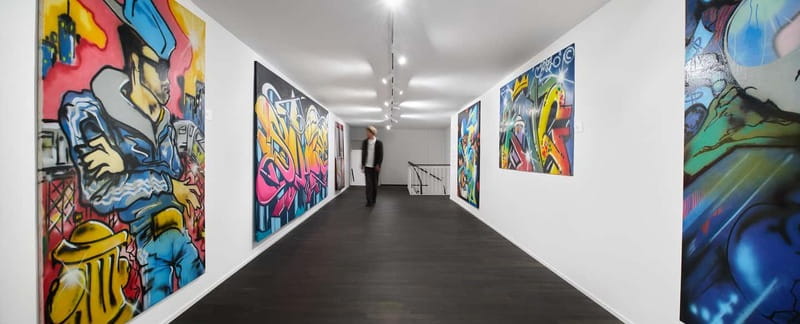
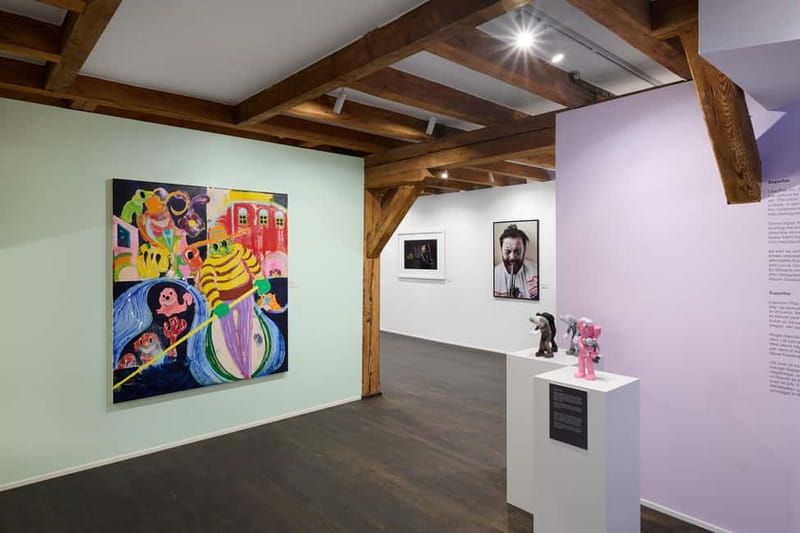
Plan for a focused, gallery-to-gallery visit. The exhibition includes Banksy’s early material and then expands into the broader graffiti and street art world—especially from the New York scene of the 1980s and 1990s, then onward into major street artists of the 21st century.
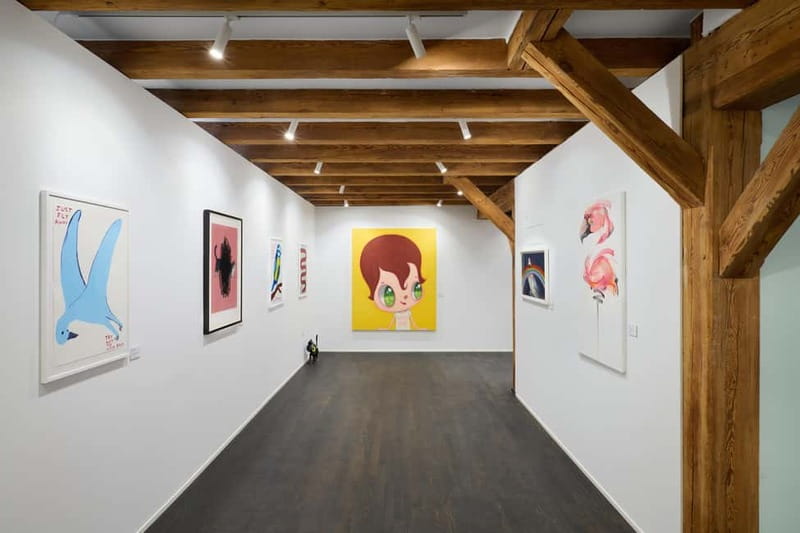
The artist list is a big part of the appeal, because it gives you anchor points. You’ll see artists such as Futura 2000, Dondi, Lady Pink, Shepard Fairey, STIK, VHILS, XOOOOX, Bambi, and Retna. That’s the kind of lineup that helps you connect dots between generations, even if you don’t know much street art history.
Also, I’d be strategic about where you spend your time. The upper level tends to be the most rewarding part of the visit, so if the museum layout offers an obvious “best-view” path, I’d start there. Then circle back to the rest so you don’t miss the strongest material while you’re still warming up.
The Banksy Early Years focus: stencils, drawings, and process

The main event is Banksy & Street Art: The Early Years. This exhibition is built around early-stage work: rare drawings, stencils, photographs, and paintings. The emphasis isn’t just on seeing the end result. It’s on seeing the early working methods and creative processes.
Why that’s valuable for you: if your interest is mostly visual, you’ll enjoy the imagery. But if you like understanding how artists think—how they sketch an idea, how stencils help shape repetition, how different mediums change the message—this format gives you that “how it’s made” perspective.
Stencils are a big clue here. They hint at speed, portability, and a kind of street-era logic: the design has to survive real-world conditions. Drawings add another layer, since they show decisions before the final image takes over.
And yes, you’re also seeing a curated snapshot of how Banksy’s early work fits into the wider street art ecosystem rather than floating alone like a museum-only phenomenon.
The graffiti and street art generations you can connect
After the Banksy-centered core, the exhibition broadens. It brings in some of the most important street artists connected to the graffiti art scene and later street art waves.
I like this section because it can change your mental map. Instead of treating street art as one trend, you start recognizing it as a chain of styles, tools, and visual language. Artists like Lady Pink are closely associated with the graffiti lineage, while names like VHILS and Shepard Fairey help you understand how street art’s impact evolved beyond paint-on-walls.
You’ll also see how the 21st century approach differs from the earlier era. In practical terms, that means the exhibition encourages you to look at materials and composition differently. You’re not just scanning for recognizable signatures. You’re noticing how the work communicates across time.
Audio guides: how to use them without losing time
This ticket includes downloadable exhibition audio guides. That’s a big deal because it turns the visit into a read-and-look experience instead of a fast “checklist” tour.
Just keep two practical things in mind:
- The audio guide is downloaded to your smartphone, so charge your phone before you go and make sure you have enough storage.
- Headphones are not available for purchase. Bring your own earbuds/headphones so you can actually hear the guide clearly.
Language options are wide: Chinese, Croatian, Czech, Danish, Dutch, English, Estonian, Finnish, German, Indonesian, Italian, Japanese, Korean, Lithuanian, Malay, Polish, Serbian, Spanish, Thai, and Turkish. If you’re not visiting in English, it’s still likely you’ll find your language option, but check the list so you’re not surprised at the entrance.
My advice: use the audio guide like a tool, not a background soundtrack. Start with one or two rooms where you want the most context, then switch to self-guided looking once you get the exhibition rhythm.
You can also read our reviews of more museum experiences in Copenhagen
Nyhavn outside the doors: what to do before or after
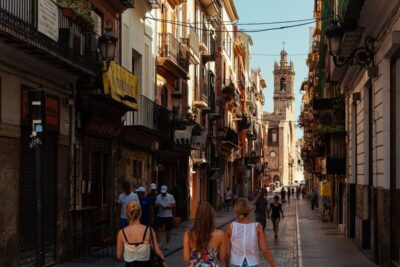
The museum location is a major part of the day. MACA Museum sits in the center of Copenhagen within the historic waterfront trading port of Nyhavn. That means you can make your street art visit feel like part of a real Copenhagen stroll.
Nyhavn is famous for its canals and lively waterfront atmosphere. The timing is also flexible: after you finish your galleries, you can slow down in that waterfront area and grab a drink or bite to eat. If you want a smoother day, I’d do it this way:
- Start with the exhibition while you’re fresh and focused
- Then let Nyhavn handle the rest of the day’s energy
This pairing is also a value play. You’re spending your ticket money on the exhibition, but you’re saving money and adding satisfaction by layering in the free sightseeing around it.
Food, winter candlelight, and the courtyard cafe vibe
You don’t have to leave right away for a break. There’s a private outdoor courtyard cafe during cool spring and summer months, with tasty food and drinks. In winter months, the museum creates a cozy candlelight setting inside, designed to feel more like Danish hygge than a cold building with art on the walls.
One practical consideration: if you were hoping for a full-on bar experience with wine as part of the museum day, don’t build the plan around that. The venue clearly supports breaks and refreshments, but the center of gravity here is still the exhibition.
If you want to make the food portion work for you, treat the cafe as a reset button. Eat, recharge your phone for the audio guide, then return to the galleries with fresh attention.
How close you are to Andersen and Amalienborg

One reason this works as a 1-day plan is proximity to major Copenhagen landmarks. The museum is in central Copenhagen, and you can build the day around two big anchors mentioned alongside your visit: the home of fairy tale author Hans Christian Andersen and Amalienborg Royal Palace, the official residence of the Royal Family of Denmark.
The Amalienborg part is especially convenient because Amalienborg is just a few steps from the MACA Museum. That means you don’t need an elaborate schedule to add it. You can finish your street art viewing and then shift into a totally different mood—more ceremonial and historic—without losing the thread of your day.
For Andersen, I’d treat it as a thematic match: you’re mixing Copenhagen storytelling—fairy tales and public imagination—with street art, which is also built to communicate. Different worlds, same human urge to leave a mark.
Price and value: is $25 worth it?
At about $25 per person, this ticket is priced like an exhibition ticket, not like a full-day museum membership. That’s not a negative. It just means your best value comes from pairing what’s inside MACA with the surrounding city.
Here’s what your money covers, based on what’s included:
- Entry to MACA Museum
- Access to all exhibitions
- Downloadable exhibition audio guides
- Coat and bag storage
Those items matter. Audio guides add a layer of understanding that turns the visit from looking to learning, and storage helps you move through the galleries without wrestling with bags.
What you should mentally budget for outside the ticket:
- Headphones are not provided (so if you need them, you’ll need your own)
- Secure storage is available for rental, so for very sensitive items you might want to plan for that extra step
If you’re the kind of visitor who likes street art but also cares about process, context, and artists beyond just one famous name, the value feels fair. If you only want quick, surface-level viewing, the experience can still be enjoyable—but you’ll likely wish you had more time, because the audio guide and process-focused approach encourage you to slow down.
Who this fits best (and who might prefer something else)
This museum ticket suits you if:
- You want street art with real context, not just famous images
- You like the idea of seeing process through drawings, stencils, photographs, and paintings
- You enjoy a mix of generations—New York graffiti lineage plus later 21st-century street art
- You want a one-day Copenhagen plan that pairs indoor art with classic outdoor waterfront time
It might be less ideal if:
- You expect a huge, hours-and-hours museum complex with tons of space to wander
- You’re planning a strictly food-and-drink afternoon and only want a quick glance at the exhibition
For most people, though, it lands in a sweet spot: focused, meaningful, and easy to fold into a Copenhagen day.
Should you book this MACA Museum Banksy & Street Art ticket?
If you like street art and you care about how artists work, I think you should book it. The focus on Banksy’s early years plus the strong lineup of major street and graffiti names gives you both a centerpiece and supporting context. And because it’s in central Copenhagen near Nyhavn and just a short hop from Amalienborg, it’s easy to turn your ticket into a full, satisfying day.
FAQ
How long is the visit?
This activity is valid for 1 day. Check starting times for your specific reservation.
Where do I go for the ticket?
Go to the MACA Museum entrance as your meeting point.
What’s included in the MACA Museum entry?
Your ticket includes entry to the museum, access to all exhibitions, downloadable exhibition audio guides, and coat and bag storage.
Is the audio guide included?
Yes. Audio guides are included and are downloadable to your smartphone.
Do I need to bring headphones?
Headphones are not available for purchase. The audio guide is provided, but you’ll need your own headphones/earbuds to listen.
What languages are available for the audio guide?
Audio guide languages include Chinese, Croatian, Czech, Danish, Dutch, English, Estonian, Finnish, German, Indonesian, Italian, Japanese, Korean, Lithuanian, Malay, Polish, Serbian, Spanish, Thai, and Turkish.
Can I skip the ticket line?
Yes, skip-the-ticket-line access is included.
Is storage available for coats and bags?
Yes. Coat and bag storage is included with your ticket.
Are there places to eat or drink on site?
Yes. There is a private outdoor courtyard cafe in cool spring and summer months, and a cozy candlelight setting inside during winter months.
What flexibility do I have with booking?
Free cancellation is available up to 24 hours in advance for a full refund, and you can reserve now and pay later.