REVIEW · COPENHAGEN
MACA Museum ‘Banksy & Street Art: The Early Years’ Art Exhibition
Book on Viator →Operated by MACA Museum · Bookable on Viator
Banksy in a real museum space is a surprise. This MACA Museum exhibition, Banksy & Street Art: The Early Years, turns street-style work into something you can take your time with, in an elegant 19th-century building. I like that you get an English presentation without needing extra planning, and I like that it’s a tight, hour-ish experience that fits easily into a day in central Copenhagen. One watch-out: there’s a lot of reading and some stair climbing as you move through the displays.
What makes the visit feel worth your time is the way the exhibition frames early street art as more than throwaway walls. You’re not just looking at famous names; you’re seeing context—how this style developed and why it hit. If you don’t enjoy reading wall text (or you’d rather avoid stairs), this one may feel slower than you expected, even though the museum layout is clear and the galleries are well paced.
In This Review
- Key things to know before you go
- Why Banksy & Street Art fits a museum visit in Copenhagen
- Nyhavn start: a good way to warm up before the art
- Inside MACA Museum: 19th-century walls, modern street-energy
- The exhibition experience: early years, context, and big names
- The wall text reality: how to handle the reading-heavy parts
- Stairs and pace: what the 45 minutes to 1 hour feels like
- English, translation, and making the art actually land
- Value check: what you’re really paying for (around $25.87)
- Where you can pair it in your day: palaces, churches, and Strøget
- Who should book Banksy & Street Art: The Early Years?
- Should you book it?
- FAQ
- How long is the Banksy & Street Art: The Early Years exhibition?
- Where is this experience located?
- How much does it cost?
- Is the ticket included?
- What language is the experience offered in?
- Can I get a refund if my plans change?
Key things to know before you go
- Banksy focus with early street-art context, not just a quick highlight wall
- English explanations for the art labels, so you can actually follow what you’re seeing
- A museum spread across 3 floors, so plan for stair movement
- A short, manageable visit window (about 45 minutes to 1 hour)
- On-site help for practical needs, including coat/bag storage and toilets
- Mobile ticket for easier entry
Why Banksy & Street Art fits a museum visit in Copenhagen
Copenhagen has a way of making street culture feel oddly at home in formal spaces. Here, you’re walking into a museum that feels classic on the outside, then getting street art energy once you’re inside. The MACA Museum setup matters: it’s a contemporary art museum in a historic 19th-century building, so the contrast does some of the storytelling for you.
I really like the “early years” angle because it shifts the conversation from fame to formation. You get to see how street art thinking connects to broader art trends, and how artists built their language over time. That’s also why this exhibition works even if street art isn’t your whole personality—you can come for Banksy and leave understanding the bigger picture.
And you’re not stuck wandering for hours. This is designed to be a focused art block—roughly 45 minutes to an hour—so you’re free to keep exploring Copenhagen afterward without feeling like you gave up half a day.
You can also read our reviews of more museum experiences in Copenhagen

Nyhavn start: a good way to warm up before the art
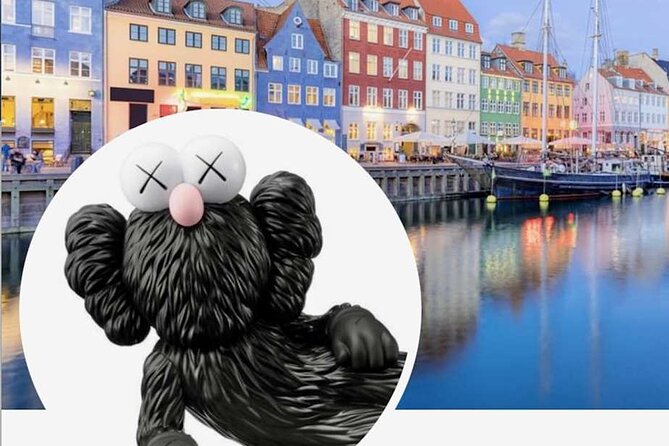
Your experience ties into the Nyhavn area. Starting near this part of the city is practical: it’s central, easy to reach with public transport, and it helps you get your bearings before you step into the museum world. Nyhavn also gives you immediate Copenhagen texture—boats, people, and that “postcard but real” street life.
Think of it as a warm-up. Even if you don’t linger outdoors, stepping into the museum with the city already in your eyes makes the art feel more grounded. Street art, after all, lives in the public world first. Starting near Nyhavn keeps that logic in your head as you go inside.
Inside MACA Museum: 19th-century walls, modern street-energy
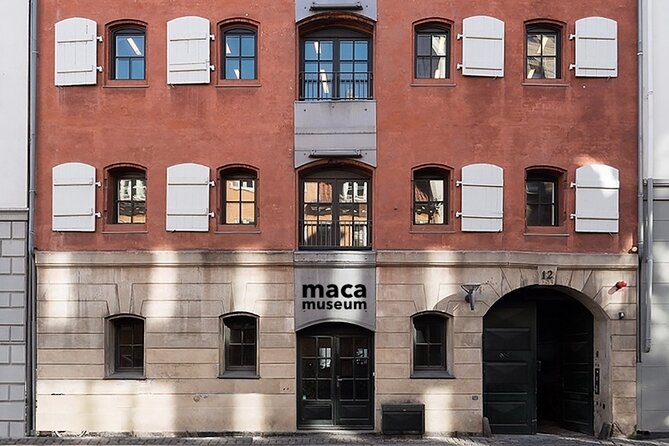
MACA Museum is set in the heart of Copenhagen in an elegant historic building. That detail isn’t just decoration. Historic architecture gives the exhibition space a sense of order—then the street art content challenges it.
You should expect a museum flow across multiple floors. Based on visitor feedback, the layout includes stairs up and down, and the exhibition is spread over 3 floors with different displays. That’s a plus if you like moving through things at your own pace. It’s a drawback if you have limited mobility or you just don’t want stair movement in your day.
Practical comfort is good here. Visitors noted there are toilets on-site and a coat/bag rack, which helps a lot on a cool Danish day. You also get clear descriptors for artworks, and there’s support for translating explanations, which is helpful if your English isn’t perfect or if you want to double-check what a piece is saying.
The exhibition experience: early years, context, and big names
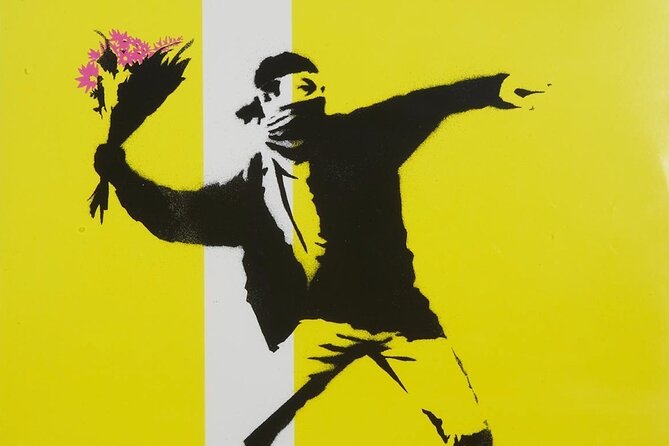
Banksy is the headline, but the exhibition approach is what makes it interesting. The museum doesn’t treat street art as a separate planet. It places Banksy into a broader conversation alongside other street and graffiti-related artists.
That matters because the early-years framing helps you notice patterns. You start looking for recurring themes—identity, provocation, social commentary—rather than only seeking the most recognizable images. If you’re the type who likes art with an agenda, you’ll likely feel rewarded by how much the exhibition tries to explain why the work matters.
And yes, MACA Museum is known for showing major modern and contemporary artists. Even though this is a dedicated Banksy & street art exhibition, you’re visiting a museum that also features names like Warhol, Basquiat, RETNA, KAWS, Hirst, and Murakami. That environment helps the street-art content feel serious, not like a side show.
The result is a museum visit that feels like education without turning into a textbook. It’s still visual first, just with enough written context to guide your attention.
The wall text reality: how to handle the reading-heavy parts
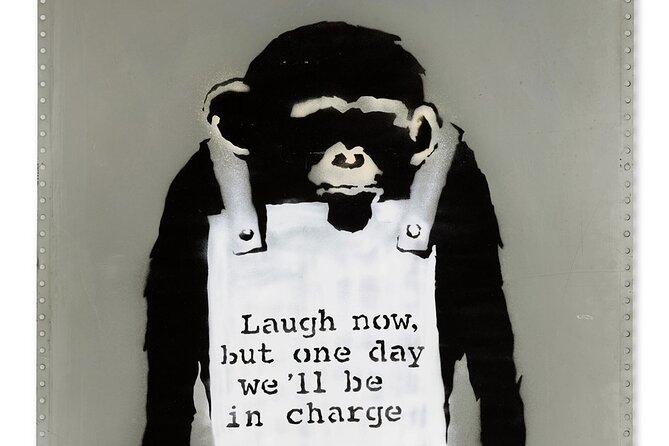
One of the most useful bits of feedback from people who’ve visited: there’s lots of reading about the artwork. That can be a deal breaker—or it can be exactly what you came for.
Here’s how I’d handle it:
- If you love context, take your time with the labels. That reading is part of the experience, especially with an early-years theme.
- If you’re more of a picture-first viewer, use a strategy. Skim the labels for the main point, then go back for details where a piece looks like it’s referencing something specific.
You’re not wrong to prefer visuals. But with this exhibition, the curatorial voice shows up on the walls. So plan to spend some minutes actually reading, not just walking past frames.
A few more Copenhagen tours and experiences worth a look


Stairs and pace: what the 45 minutes to 1 hour feels like
This visit is short enough that you won’t get lost in planning. At about 45 minutes to 1 hour, you can do it in one clean sweep if you keep moving. But because it’s across multiple floors, you’ll likely spend more time “choosing what to linger on” than on travel between galleries.
If you want the most satisfying pace:
- Start with the pieces that feel the most emotionally striking.
- Then do a second pass through the written descriptions for the ones that leave you with questions.
Because the time window is limited, you’ll feel pressure only if you rush. If you slow down, the reading-heavy parts start to feel like conversation rather than homework.
One more thing: stairs. If you’re carrying a bag, or you’re visiting during a busy time, your legs will notice. The coat/bag rack helps, but you may still want to travel light.
English, translation, and making the art actually land
The experience is offered in English, and visitors also mentioned that there’s the possibility to translate the explanations. That combination is a big deal for this kind of show. Street art often works through word choice, tone, and references. If you can follow the meaning, the art lands harder.
In practice, this means you’ll likely spend less time trying to interpret everything alone. Instead, you can read the labels, connect themes across pieces, and keep moving with confidence.
If English labels are your thing, you’ll feel well supported. If you’re not fluent, don’t panic—translation options help you stay oriented.
Value check: what you’re really paying for (around $25.87)

At $25.87 per person, you’re buying a ticketed museum stop with a focused time commitment. This isn’t a full-day tour, and it’s not designed like a long walking program. You’re paying mainly for access to a dedicated exhibition and the interpretive materials that make it readable.
For me, the value is strongest if:
- You want Banksy content in a structured setting.
- You like modern art labels and explanation, not just looking.
- You want something central and easy to fit into a Copenhagen schedule.
It’s weaker value if you hate reading and you already get tired on stairs fast. In that case, you might spend part of the visit waiting for the written parts to end. Still, the exhibition’s layout over 3 floors means you’ll get plenty to look at even if you skim.
Where you can pair it in your day: palaces, churches, and Strøget
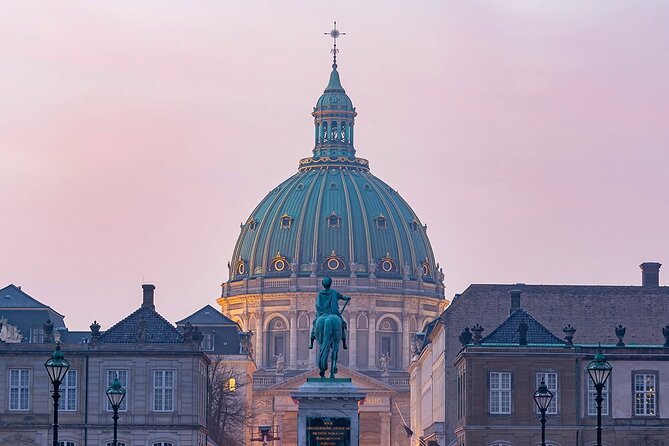
This museum location is a gift for planning. Near MACA Museum you can walk to places like Amalienborg Palace, the official residence connected with the Danish royal family, and Frederiksberg Kirke (The Marble Church). Those are great for mixing “structured indoors” with “wander outdoors.”
Also nearby is Strøget, the long shopping street and a historic landmark connected with Hans Christian Andersen. Even if you’re not shopping, it’s a convenient way to continue your route after the exhibition.
So this works as either:
- An earlier-day art reset before you go wandering, or
- A late-day indoor stop when the weather turns.
Because the exhibition is short, you won’t feel stuck with a big block of time.
Who should book Banksy & Street Art: The Early Years?
Book this if:
- You’re a fan of Banksy and you want more than just one famous image.
- You like modern street art framed with context and clear explanations.
- You want a short museum experience that still feels substantial.
Skip it or think twice if:
- You dislike wall text. This show leans heavily on reading.
- Stairs are a problem for you. The exhibition requires up-and-down movement across floors.
- You want a purely visual show with minimal interpretation.
This is also a good fit for couples and solo visitors. The time window is compact, the galleries are structured, and it’s offered in English so you can focus on the content instead of the logistics.
Should you book it?
I’d book it if you want a focused, centrally located Banksy experience that’s presented like real museum art, with English explanations and enough context to make the early-years theme click. The strongest praise points are consistent: people come away feeling it’s an in-depth look at street art, with meaningful background and a satisfying space across floors.
That said, go in with expectations. Plan on reading, plan on stairs, and treat it as an exhibition where the labels matter. If you want a quick photo stop with minimal time spent reading, you may end up less happy.
FAQ
How long is the Banksy & Street Art: The Early Years exhibition?
It typically takes about 45 minutes to 1 hour.
Where is this experience located?
It’s in Copenhagen, Denmark, at MACA Museum.
How much does it cost?
The price is $25.87 per person.
Is the ticket included?
Yes, the admission ticket is included.
What language is the experience offered in?
It’s offered in English.
Can I get a refund if my plans change?
You can cancel up to 24 hours in advance for a full refund. If you cancel less than 24 hours before the start time, the amount you paid is not refunded.