REVIEW · ROME
Doria Pamphilj Gallery Entry Ticket
Book on Viator →Operated by Rome Tour Tickets · Bookable on Viator
Four centuries of art, no maze. At Palazzo Doria Pamphilj, you get secured, timed entry into a private collection where Caravaggio, Bernini, and Titian sit alongside hundreds of other works. I love that the timed slot helps you skip the slow bits and move at your own pace.
I love the self-guided audio guide experience, especially if you like context that turns paintings into stories. The collection is tied to the powerful Doria Pamphilj family, started under Pope Innocent X Pamphilj in 1644, so you’re not just looking at art—you’re also learning why it’s arranged the way it is.
One possible drawback: at around $34, this can feel pricey if you were expecting the on-the-day ticket price, and the audio/entry details can be confusing if you don’t follow the redemption instructions carefully.
In This Review
- Key highlights worth your time
- Palazzo Doria Pamphilj: a private collection you can actually finish
- Tickets and timed entry: the real value of prebooking
- Your 2-hour game plan: how to pace a self-guided visit
- Inside the collection: what you’ll see once you’re in
- Why Pope Innocent X’s 1644 start is more than trivia
- The “special room since the 19th century” effect
- Audio guide use: how to get the most without getting stuck
- Getting there in Rome: keep it simple
- Who this experience fits best
- Should you book this Doria Pamphilj entry ticket?
- FAQ
- Where is the Doria Pamphilj Gallery located?
- How much does the entry ticket cost?
- How long should I plan for the visit?
- What time slots are available for timed entry?
- What’s included with the ticket?
- Is a guided tour included?
- Can I access the palace’s private rooms?
- What should I know about cancellations?
Key highlights worth your time
- Timed entry every two hours (10am–6pm) to help you plan a smooth arrival
- Self-guided visit with an included audio option so you control the pace
- A private-family collection originally assembled in the 1600s and still owned by the Doria Pamphilj family
- Big-name masters in a smaller setting including Caravaggio, Bernini, Titian, Velazquez, Carracci, and Bruegel
- About 2 hours is a realistic target for seeing a lot without rushing
- Private rooms are not included, so set expectations for what you’ll access
Palazzo Doria Pamphilj: a private collection you can actually finish
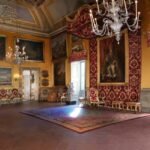
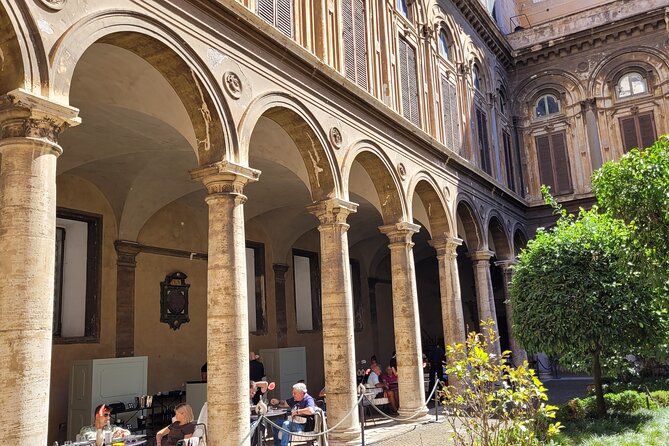
The Doria Pamphilj Gallery lives inside Palazzo Doria Pamphilj, a former aristocratic home turned museum space. The collection began in 1644 under Pope Innocent X Pamphilj, and it’s still held by the same influential family, the Doria Pamphilj (pronounced Pom-fee-lee).
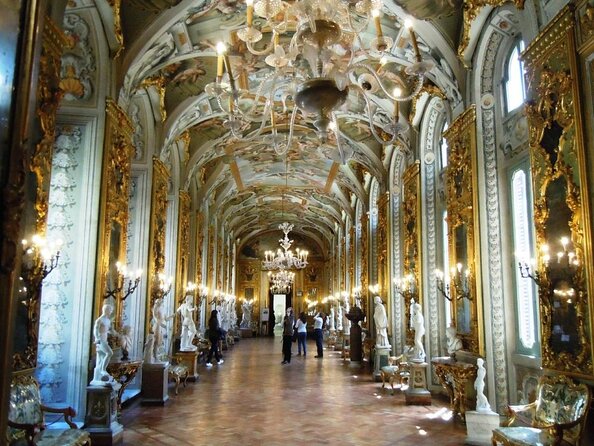
What I like about this gallery concept is that it stays human-sized. It’s not trying to swallow you with thousands of works like the biggest mega-museums. Instead, you get a concentrated look at Renaissance and Baroque art across several centuries, with major names and plenty of variety.
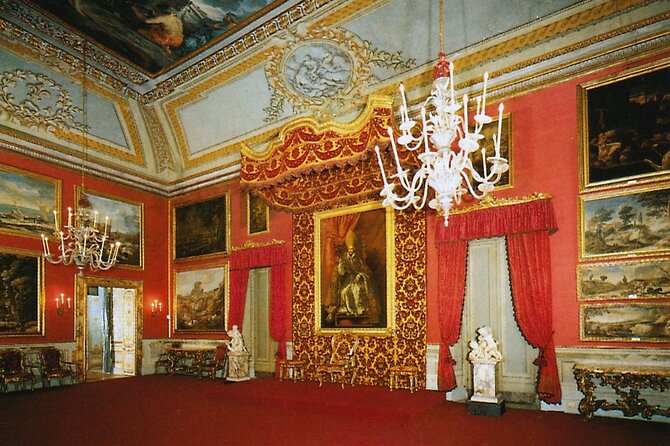
You’ll also notice that the family story matters here. One painting in particular is kept in a special placement, and it’s had a room of its own since the 19th century—details like that make it feel like you’re seeing an inherited “world,” not just a public warehouse.
A few more Rome tours and experiences worth a look



Tickets and timed entry: the real value of prebooking
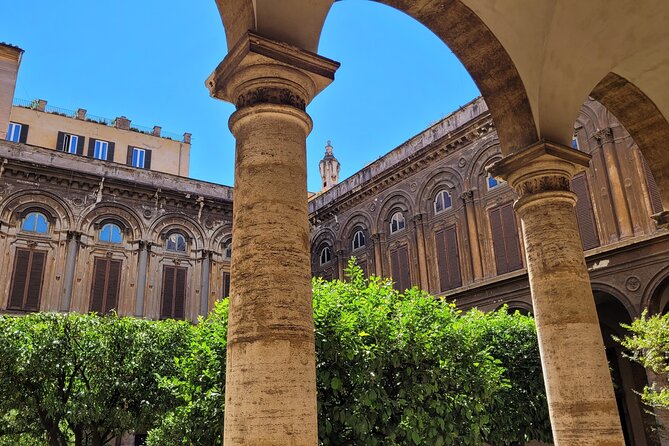
This ticket is priced at $34 and is designed for convenience: you prebook your entry and choose a timed slot. Entry times run every two hours from 10am to 6pm, which is great if you’re coordinating with other sights in Rome and don’t want museum-wait roulette.
Here’s the value math I’d do before you buy: you’re paying for two things that matter in Rome—time and certainty. A prebooked, timed ticket often means fewer lines and less stress when you arrive, especially during busy hours.
That said, you may see cheaper prices advertised for on-the-day tickets, so if your budget is tight, know that this is convenience pricing. For many people, the trade-off is worth it because you save hassle and you can spend your energy on art instead of logistics.
A final practical note: keep your booking confirmation voucher handy. There’s enough room for confusion when ticket details don’t match what the ticket desk expects, so read the redemption instructions closely before you go.
Your 2-hour game plan: how to pace a self-guided visit
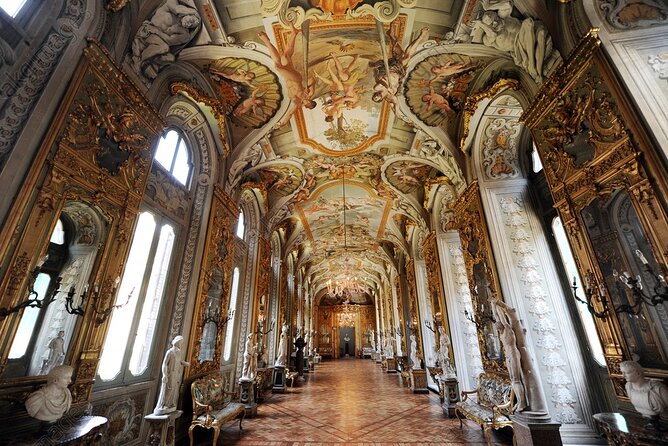
The experience is set for about 2 hours. That’s an ideal length for this kind of collection because you can see a lot, pause for highlights, and still leave with clear impressions.
Since the visit is self-paced, you don’t need to stick with a group schedule. I recommend you do the first pass quickly—just to find the big works and orient yourself—then slow down for the rooms that grab you.
If you’re the type who likes detail, this can still work in two hours because the gallery is focused. If you prefer reading every label and listening closely to the audio, you’ll want to start your slot on time and be ready to choose a few must-see areas so you don’t run out of energy.
Also: private rooms of the palace aren’t included. So don’t plan your time around seeing areas beyond the main museum route. The ticket is aimed at the gallery experience, not the full house.
Inside the collection: what you’ll see once you’re in
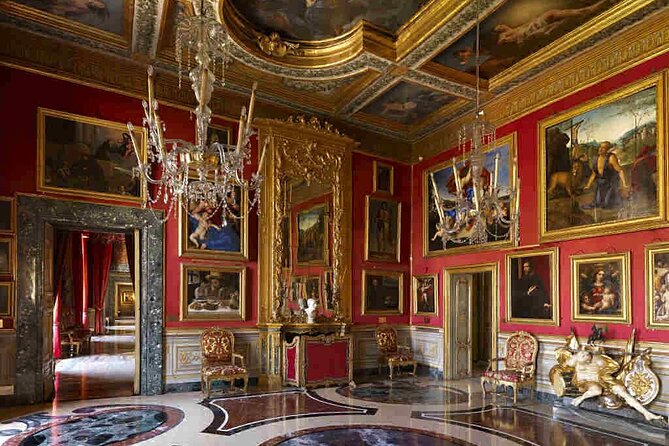
Your stop is the Villa Doria Pamphilj / Galleria Doria Pamphilj collection, centered on a major run of paintings from the 15th to the 18th century. The collection is described as totaling over 400 paintings (and more than 650 works overall), which is a lot, but it doesn’t feel endless because the layout is meant for browsing.
This is where the big-name names start to matter. You can expect to encounter works connected with Caravaggio, Bernini, and Titian, plus other heavy hitters like Velazquez, Carracci, and Bruegel. Even if you don’t know every artist, the styles will guide you: dramatic Baroque scenes, calmer Renaissance compositions, and plenty of paintings that feel intensely human.
Why Pope Innocent X’s 1644 start is more than trivia
Pope Innocent X Pamphilj is the origin point of the collection, starting in 1644. That timeline helps explain why the gallery feels like a carefully assembled family project rather than a random set of artworks.
In practical terms, it changes how you look. Instead of treating each painting as a standalone masterpiece, you start noticing connections: themes the family collected, tastes that evolved over time, and how the collection’s identity stayed consistent even as fashions shifted.
You can also read our reviews of more museum experiences in Rome



The “special room since the 19th century” effect
One of the most interesting details is that a realistic painting has had its own special room since the 19th century. That’s a strong hint that the family and the museum treated it as a cornerstone work. When you hit that room, slow down—this is the kind of place that’s meant to be lingered over, not sprinted through.
Audio guide use: how to get the most without getting stuck
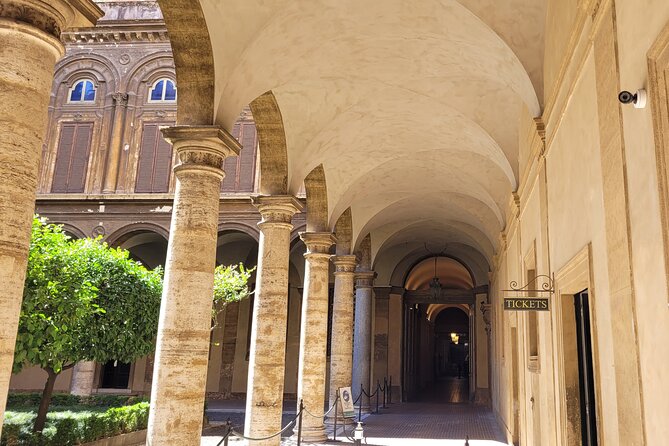
This ticket experience includes an audio option designed to help you understand the art and the Doria Pamphilj family context as you move through rooms. The narration is presented as coming from within the family story (in at least one account, the audio is described as being narrated by a family descendant who appears to remain connected to the palace).
So what should you do with the audio guide? Treat it like a spotlight. Don’t force yourself to listen to every minute. Instead, use it strategically: start it for the first major room to get your bearings, then switch it on again when you want deeper context for specific works or themes.
One caution: a small number of accounts indicate the audio arrangement can be confusing on arrival. To protect your day, verify what you actually receive at the ticket desk and follow the voucher instructions exactly. If something feels off, ask immediately so you don’t waste time.
If you like self-guided visits, this audio setup is a big reason the museum works for most people. It turns what could be a passive walk through rooms into a clearer story as you go.
Getting there in Rome: keep it simple
The gallery is listed as being near public transportation, which matters because Rome rewards planning and punishes last-minute improvisation. Aim to arrive a few minutes early so you’re ready for your time slot and can get situated before you start listening.
Because this is a timed-entry, self-guided experience, your biggest logistical goal is to avoid arriving late. If you’re late, you can end up losing the benefit of prebooking, and you don’t want that.
Who this experience fits best
This is a strong pick if you:
- Want top-tier European art without committing to a half-day in a giant museum
- Like self-guided pacing with built-in context
- Are interested in how private collections connect to family power and taste
It’s also a good match if you already plan to visit other Rome museums and you want something more focused in tone and scale.
You might choose differently if:
- You’re on a strict art-only sprint and prefer no audio at all
- You’re looking specifically for palace private rooms, since those aren’t included
- You’re very sensitive to price and are comfortable risking longer waits with day-of tickets
Should you book this Doria Pamphilj entry ticket?
If you want a smooth, timed museum visit into a high-quality private collection, I’d book it. The main reason is the combination of secured admission, timed entry, and a self-guided audio experience that helps you understand what you’re seeing without forcing you into a rigid group tour.
If the $34 price feels uncomfortable, weigh the convenience you’re buying: fewer lines, less uncertainty, and a visit that fits neatly into a 2-hour window. For many first-timers, that time control is the hidden value.
My practical advice: choose a slot that fits your day, arrive a little early, and read the voucher instructions carefully. Do that, and this becomes an easy win—art, pacing, and story in one manageable stop.
FAQ
Where is the Doria Pamphilj Gallery located?
It’s in Rome, Italy.
How much does the entry ticket cost?
The ticket price is $34.
How long should I plan for the visit?
Plan for about 2 hours (approx.).
What time slots are available for timed entry?
Timed entry is available every two hours from 10am to 6pm.
What’s included with the ticket?
The ticket includes entrance to the museum and the opportunity for a self-guided experience with an audio guide/history-focused visit.
Is a guided tour included?
No. A guided tour is not included.
Can I access the palace’s private rooms?
No. Entry to the private rooms of the palace is not included.
What should I know about cancellations?
The experience is non-refundable and cannot be changed. If it’s canceled due to poor weather, you’ll be offered a different date or a full refund.