REVIEW · FRENCH RIVIERA
Entrance ticket to the Escoffier Culinary Art Museum
Book on Viator →Operated by Musée Escoffier de l'Art Culinaire · Bookable on Viator
A great French food story fits in your pocket-sized day plan. The Musée Escoffier de l’Art Culinaire turns Auguste Escoffier’s world into a visit you can finish in about 45 minutes. I like that it’s housed in the chef’s own birthplace in a Provençal house, so the setting feels part of the lesson.
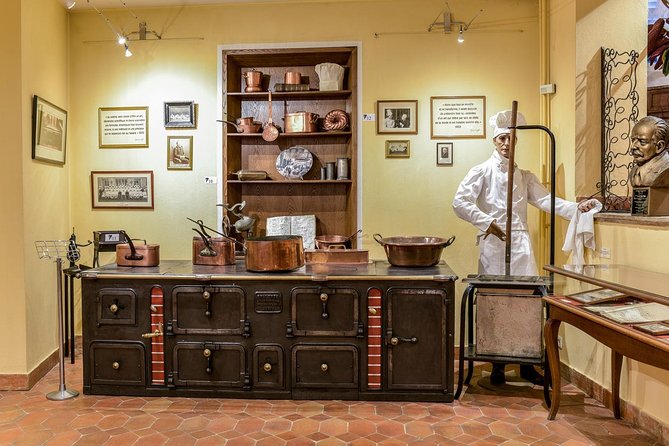
I also love the museum’s setup for focused browsing: 10 exhibition rooms across about 300 m². You don’t just see displays—you move through kitchens, personal items, and fascinating culinary artifacts that explain how French gastronomy got its modern shape.
One consideration: the visit is relatively short, so if you’re hoping for a long, guided deep dive, this ticket may feel like a quick hit rather than a full afternoon.
In This Review
- Quick highlights
- A Provençal house where French gastronomy has a home
- Ticket value: why $8.47 makes sense here
- Inside stop 1: moving through the museum’s 10 rooms
- What you’ll find: personal objects and kitchen furniture
- Menus as a storytelling device
- Sweet sculptures that prove pastry belongs here too
- Temporary exhibitions: a reason to return
- How long you’ll actually need (and how to pace it)
- Hours and the Riviera timing problem
- Practicalities that make your day smoother
- Who should book this museum ticket
- Should you book the Musée Escoffier ticket?
- FAQ
- How long is the entrance ticket experience at the Musée Escoffier?
- What does the ticket include?
- Is an audioguide included?
- Where is the Musée Escoffier de l’Art Culinaire located?
- What are the opening hours?
- Is there a closure period?
- Is the ticket mobile?
- Is the museum near public transportation?
- What is the cancellation policy?
Quick highlights
- Escoffier’s birthplace setting in a Provençal 18th-century home in Villeneuve-Loubet
- 10 exhibition rooms over 300 m², designed for an efficient visit
- Menus, kitchen furniture, and personal objects tied to the chef’s life and era
- Sugar and chocolate sculptures that show how pastry imagination belongs in the museum too
- A yearly temporary exhibition that changes the themes as you return
- Ticket is simple: entrance included, mobile ticket used at arrival
A Provençal house where French gastronomy has a home
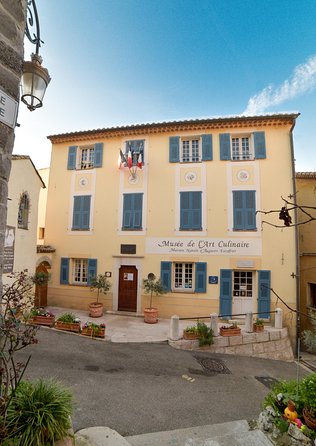
The Musée Escoffier de l’Art Culinaire sits on the French Riviera, in Villeneuve-Loubet, and that location matters more than you’d think. You’re not touring a generic hall with food-themed posters. You’re walking through an 18th-century Provençal house that relates directly to Auguste Escoffier, one of the big names behind modern French cooking.
What I like about this kind of setting is how it keeps the experience grounded. Even if you already know a few Escoffier facts, the building context helps you connect the dots between a historical chef and the everyday spaces where taste was shaped.
The museum is also designed for practical visitors. With around 45 minutes as the typical visit length, it works as a smart stop between beach time and dinner, rather than becoming a half-day commitment.
Ticket value: why $8.47 makes sense here
At $8.47 per person for museum entrance, the value is unusually straightforward. Many paid-entry attractions either feel expensive for what you get or struggle to justify their time. Here, the museum’s size and pacing do the heavy lifting: you get access to a compact set of rooms that cover a lot of themes in a short amount of time.
You should also consider the ticket format. The experience uses a mobile ticket, which is convenient in real-world travel. You skip paper-printing stress and can focus on finding the entrance and getting in.
If you’re traveling on a tight schedule, this price-to-time ratio is a plus. Booking in advance is often wise too; on average, people book about 29 days ahead, which usually signals the museum gets planned into itineraries rather than being a last-minute impulse stop.
Inside stop 1: moving through the museum’s 10 rooms
This “tour” is really one focused stop: the museum itself. Still, that single stop is organized to feel like a guided path, even without a formal route being mentioned in the ticket details.
The museum includes 10 exhibition rooms spread over roughly 300 m². That’s an important detail for your planning. It means you won’t feel like you’re wandering an endless building, and it also means you can realistically see most of what’s on display during the typical visit window.
Because the museum is in a historic house, expect the experience to feel like walking through rooms rather than passing through a modern, open-plan exhibition space. The payoff is that the displays connect to domestic ideas—kitchen work, storage, tools, and personal belongings—more naturally than a typical gallery layout.
What you’ll find: personal objects and kitchen furniture
One of the best parts is the mix of material types. The museum doesn’t only rely on replicas or text panels. It includes souvenirs and personal objects associated with Escoffier, plus kitchen furniture of earlier times. That combination helps you understand gastronomy as a craft built from tools, habits, and daily routines—not just a theory.
For you, this means the museum can be rewarding even if you’re not a culinary history specialist. Seeing actual objects (or object-style displays) tends to make the stories “stick,” because your eyes have something concrete to hold onto.
Menus as a storytelling device
The museum also has an impressive collection of menus. Menus are more than lists of dishes—they reflect what’s valued, what’s possible, how formal dining works, and how a chef thinks about sequences and pacing.
If you like food culture, menus are one of the most satisfying display categories. They can show you how styles of eating evolved, and how French gastronomy turned meal structure into part of the art.
You can also use menus as a mental soundtrack: picture the ordering process, the flow of courses, and the way a dining room turns food into performance. Even in a short visit, menus give you that extra layer beyond decorative displays.
Sweet sculptures that prove pastry belongs here too
Another highlight is the display of sugar and chocolate sculptures. This matters because it positions sweets as part of culinary artistry, not just a dessert add-on. You get to see how chefs and confectioners can treat structure, texture, and detail as serious skills.
If you’re traveling with kids or anyone who likes visually striking things, these sculptures are often the kind of moment that stops people mid-step. In a 45-minute experience, those memorable visuals help the whole visit feel worth your time.
Temporary exhibitions: a reason to return
Each year, the museum offers a temporary exhibition built around a theme. That’s great news if you ever plan a second visit during a different trip to the French Riviera.
Temporary exhibits also help keep the museum from becoming “the same tour every time.” Even if you already understand Escoffier’s place in French cooking, a new theme can connect food history to a fresh angle—often the kind of change that makes return visits feel new rather than repetitive.
How long you’ll actually need (and how to pace it)
The typical visit length is about 45 minutes. That’s the right timeframe for most people who want cultural value without stealing time from the rest of their day.
Here’s a pacing approach that works well:
- First pass: move room to room and focus on the main categories (personal objects, kitchen furniture, menus, sculptures)
- Second pass: if time allows, return briefly to the most interesting room and slow down for the details you skimmed
Since the museum is designed across 300 m², you’re not committing to an exhausting marathon. You can see a lot without feeling like you’re sprinting.
Also note that the museum recommends moderate physical fitness. The data doesn’t specify why, so plan to be comfortable moving through a historic building environment. If you have mobility concerns, it’s smart to go in with a conservative expectation of how easy it will be to move through rooms.
Hours and the Riviera timing problem
The museum is open daily with set time blocks: 10:00 AM–1:00 PM and 2:00 PM–6:00 PM (Monday through Sunday). That schedule is friendly for planning around meals, and it gives you room to choose a morning or afternoon slot depending on your day on the coast.
One more thing to know: the museum has an annual closure from December 1, 2025 to January 8, 2026 inclusive. If your trip lands in that window, you’ll need a different food stop.
Practicalities that make your day smoother
This ticket includes museum admission, but it does not include an audioguide rental. If you love extra narration, budget time to decide whether you want to rent one. Without it, you’ll still be able to follow the story through the displays, but an audioguide can help if you prefer spoken context.
The museum is also listed as near public transportation. That’s useful on the Riviera, where parking can be hit or miss depending on the exact day and time. If you’re trying to keep your travel simple, aim for transit-friendly timing and don’t overpack your schedule.
Finally, the overall rating is very strong: 4.9 out of 5 with 298 reviews, and a 100% recommendation rate listed in the summary. People highlight the museum as well kept and the staff as friendly, which fits with what you’d hope from a smaller, object-focused museum in a historic home.
Who should book this museum ticket
This is a good fit if you like:
- Food history and the way chefs shaped what we eat
- Concrete artifacts like menus, objects, and kitchen furniture
- Short, high-value stops between bigger activities on the French Riviera
It’s also a smart choice if you’re traveling with someone who likes beautiful food details but doesn’t want a long lecture. The 10 rooms and the 45-minute pace give you structure without feeling rushed.
You might skip or reconsider if you’re expecting a long guided experience with audioguide narration included. Since the ticket doesn’t include an audioguide, and the visit length is capped by design, this works best as a focused cultural stop rather than a full tour day.
Should you book the Musée Escoffier ticket?
Yes, if you want a compact, well-paced introduction to Auguste Escoffier’s world in a real Provençal setting. The price is reasonable for what you get, the museum’s room-and-object layout supports a fast visit, and the yearly temporary exhibition gives you a reason to plan a return.
Book it especially if your schedule is tight or you want something more meaningful than a quick photo stop. In a region full of coastline and day trips, this one is the kind of place that rewards slowing down for a short while—then letting you go enjoy the rest of your day.
FAQ
How long is the entrance ticket experience at the Musée Escoffier?
The visit is approximately 45 minutes.
What does the ticket include?
The entrance to the museum is included.
Is an audioguide included?
No. Audioguide rental is not included.
Where is the Musée Escoffier de l’Art Culinaire located?
It’s in the village of Villeneuve-Loubet on the French Riviera, France, in the birthplace of Auguste Escoffier.
What are the opening hours?
Monday to Sunday, it’s open 10:00 AM to 1:00 PM and 2:00 PM to 6:00 PM.
Is there a closure period?
Yes. The museum is closed annually from December 1, 2025 to January 8, 2026 inclusive.
Is the ticket mobile?
Yes, the experience uses a mobile ticket.
Is the museum near public transportation?
Yes, it’s listed as near public transportation.
What is the cancellation policy?
Free cancellation is available up to 24 hours in advance for a full refund.