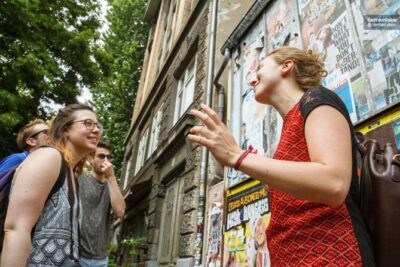
REVIEW · CAPE TOWN
Cape Town: Street Art Walking Tour in Woodstock
Book on GetYourGuide →Operated by One Day Africa · Bookable on GetYourGuide
Street art turns corners into stories. In Woodstock and Salt River, this 2-hour guided walk mixes well-known international muralists with newer local work, all explained in everyday language by guides such as Mandy or Diego. It’s not just where to look. It’s how to read what you’re seeing.
I love how the tour builds meaning as you go, especially the way it connects murals to neighborhood identity and community life. I also like the pacing: a tea ceremony at Salt Circle Arcade, plus coffee at Salt Orchard, with photo stops that give your legs and your camera a break. The one drawback to plan for is simple: it runs rain or shine, so you’ll want comfortable shoes and a rain-ready attitude.
In This Review
- Key Highlights You Shouldn’t Miss
- Meeting at Salt Circle Arcade (Shop 5) and Getting Your Bearings
- Woodstock Exchange: Where Street Art Becomes Public Conversation
- Woodstock Brewery: Murals With Context, Not Just Color
- Salt Orchard (Unit B10): Coffee Pause and the Stories Behind the Messages
- The Old Biscuit Mill: International Names, Local Voices
- Salt River Nature Park: A Breather That Makes the Art Hit Harder
- Short Final Stops in Woodstock and Salt River Before You Return
- Price and Value: Is $37 Worth It?
- What You’ll Learn About Cape Town Through Murals
- Who This Tour Suits Best (and Who Might Skip)
- Should You Book This Woodstock Street Art Walking Tour?
- FAQ
- Where do I meet the guide?
- How much does the Cape Town street art walking tour cost?
- How long is the walking tour?
- Is the tour wheelchair accessible?
- Is the tour guided in English?
- Does the tour run rain or shine?
- What should I bring for the tour?
Key Highlights You Shouldn’t Miss

- Salt Circle Arcade start with a short tea ceremony and photo opportunities
- International and local murals side by side, with stories behind both
- Woodstock + Salt River route that keeps you walking through real neighborhoods
- Coffee and tea stops that make the 2 hours feel human, not rushed
- Rain-or-shine scheduling that keeps you moving even when the weather misbehaves
- Local guide focus on meaning—history, politics, and what art does for a community
Meeting at Salt Circle Arcade (Shop 5) and Getting Your Bearings
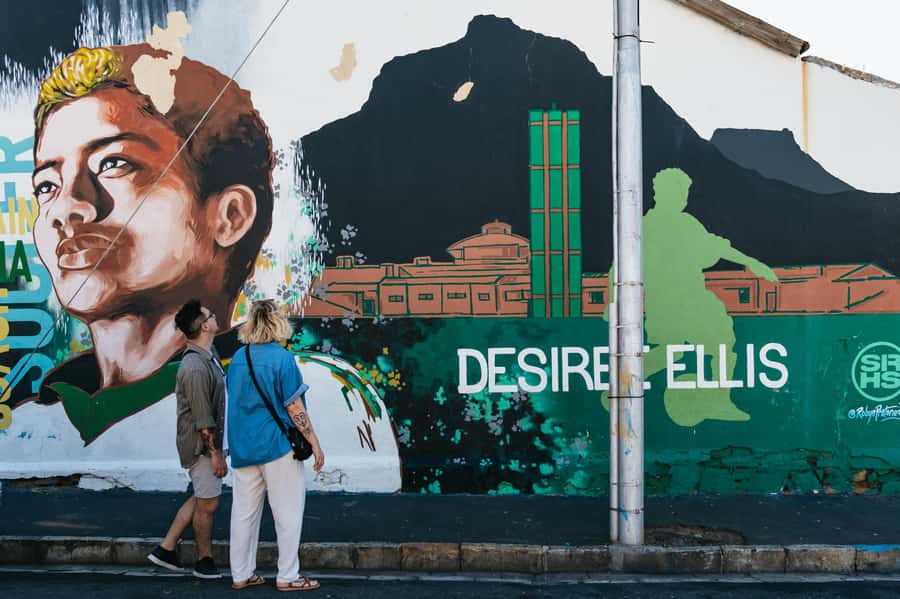
The tour kicks off at Shop 5 inside Salt Circle Arcade. This matters because Woodstock’s street art can feel like it’s everywhere—and having a guide right away helps you see the system, not just the spectacle. You’ll start with a quick photo stop and a short walk-through that sets expectations for what you’re about to notice.
One of the nicest touches here is the tea ceremony. It’s short, but it changes the tone. Instead of sprinting straight to murals, you slow down, get your bearings, and start thinking about street art as part of Cape Town life—not random graffiti.
Practical note: the tour includes some shopping and a “walk and scenic views on the way” feel between stops. So arrive ready to move. Wear shoes you trust. Bring a camera. Sunscreen helps, even when the day starts cloudy.
You can also read our reviews of more walking tours in Cape Town

Woodstock Exchange: Where Street Art Becomes Public Conversation
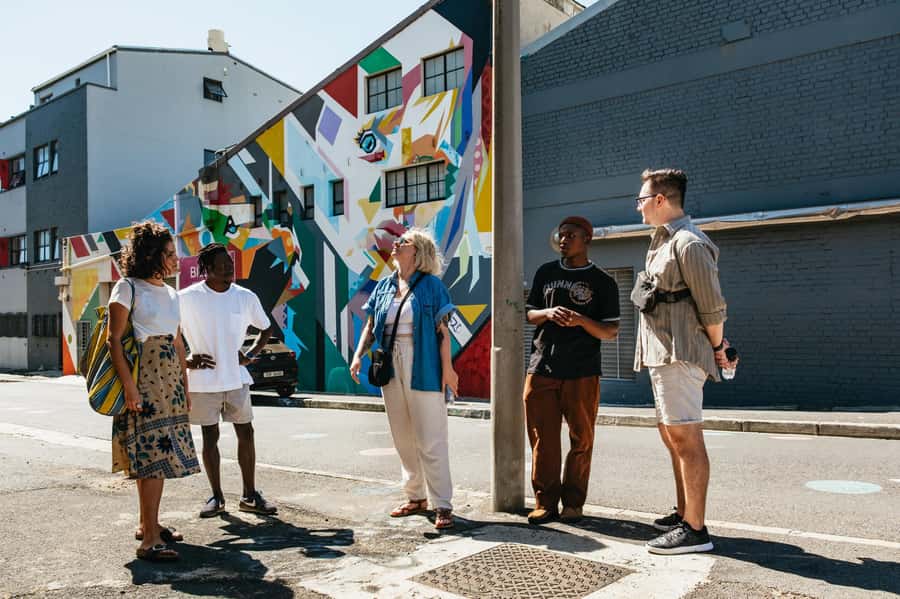
Next up is The Woodstock Exchange, another photo stop that also functions like a “story checkpoint.” This is where your guide starts connecting the dots: how street art in Cape Town grew into a communal voice, not just decoration on a wall.
What I like about this part is that it’s not presented as art-for-art’s-sake only. You learn how murals can carry cultural pride, social commentary, and local memory in the same frame. And because you’re walking, you’re constantly comparing what you see on the street with what your guide explains—so the art sticks better.
You’ll also get a steady rhythm of guided talk and short movement. Expect to stop, look closely, listen, then move on before the whole area starts to blur together.
Woodstock Brewery: Murals With Context, Not Just Color
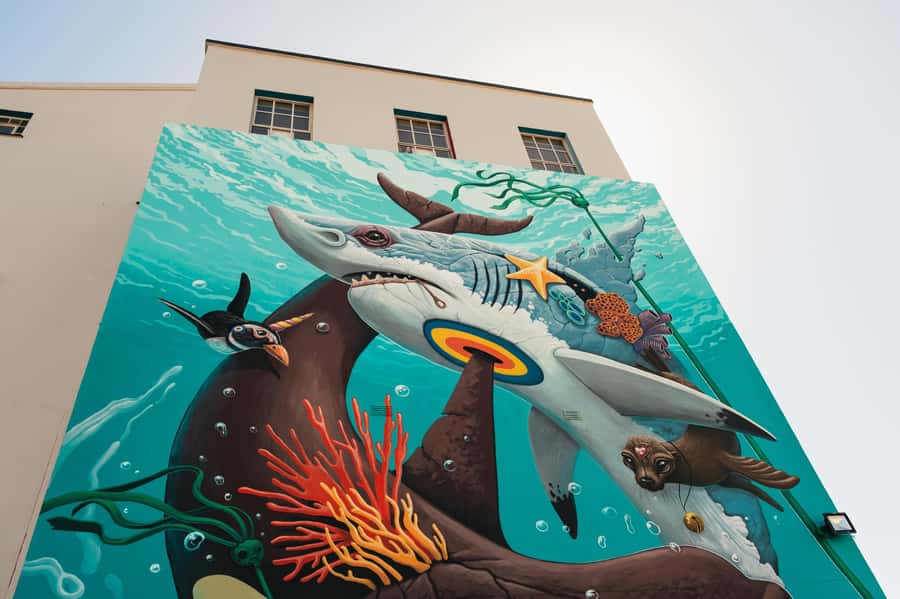
The walk then heads to Woodstock Brewery, Cape Town, where you’ll stop again for photos and guided explanation. This stretch is short (about 10 minutes), but it helps you understand how street art “spreads” through daily spaces—places people actually visit, work, and pass by.
If you’re used to seeing murals only in tourist-friendly art districts, this is a good reality check. Woodstock’s walls don’t feel like museum backdrops. They feel like neighborhood bulletin boards. The guide helps you spot the difference by talking about themes and inspiration, including political or cultural messages that show up in newer local works.
This is also a good moment to check your photo setup. If you like wide shots, grab them here. If you like close-ups, this is where you can frame murals as part of the streetscape instead of isolated artwork.
Salt Orchard (Unit B10): Coffee Pause and the Stories Behind the Messages
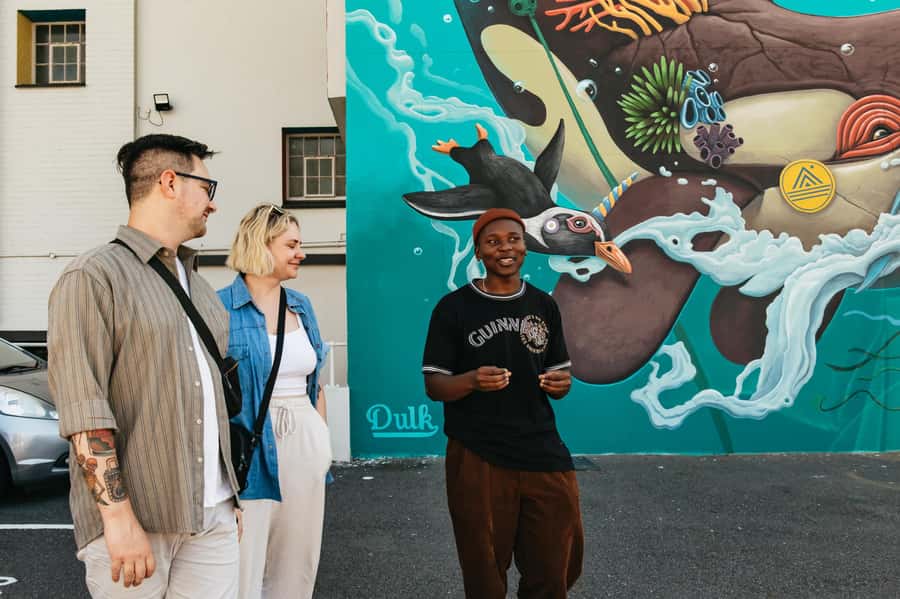
At Unit B10, Salt Orchard, you’ll have a photo stop, then a longer guided segment (about 20 minutes) with a chance to grab coffee. I like this stop because it changes the pace without breaking the momentum. You’ll sit or stand briefly, drink something warm or energizing, then get ready for the next stretch with a fresher head.
This is also where the “meaning” side of street art gets especially concrete. Your guide explains the stories behind pieces—what inspired them, what artists were reacting to, and how the message lands differently depending on where the mural is placed.
If you’re someone who only photographs murals and moves on, you’ll still enjoy this stop. But if you like understanding what you’re looking at, this is the kind of pause that turns a pretty wall into a chapter of the city.
The Old Biscuit Mill: International Names, Local Voices

The route takes you to the Old Biscuit Mill for another photo stop and guided walk (around 15 minutes). This is a strong stop for two reasons.
First, you get to see how international mural styles show up in Cape Town. The tour is designed to include works by acclaimed street artists who have left a mark in the city. Second, you get local work too—often with political or cultural messaging that reflects life in the neighborhoods.
So you start noticing how murals can act like translation. Sometimes they bring global street art language into local streets. Other times local artists use global visual tools to speak back about local realities.
Tip for your camera: don’t only take straight-on shots. Try one angle that includes a bit of the street—window frames, doorways, foot traffic, or nearby textures. Those small framing choices help your photos tell the same story your guide is telling.
A few more Cape Town tours and experiences worth a look

Salt River Nature Park: A Breather That Makes the Art Hit Harder
After the mural-heavy stops, you reach Salt River Nature Park, with about 20 minutes allocated here. Even if you don’t come expecting “nature” on a street art tour, this stop makes sense. It gives your eyes a reset.
Think of it like turning the page. When you’re switching from dense visual messaging (murals, graffiti, tags) to a quieter space, the city feels less chaotic in your head. Then, when you go back out into streets, you can appreciate details again—shapes, colors, and symbolism—without overload.
Your guide will still keep things tied to the bigger picture. You’ll be walking and getting context, just in a calmer setting that makes the neighborhood feel more lived-in.
Bring water if you can. The tour is short enough to stay manageable, but Cape Town sun and shade swings can be real.
Short Final Stops in Woodstock and Salt River Before You Return
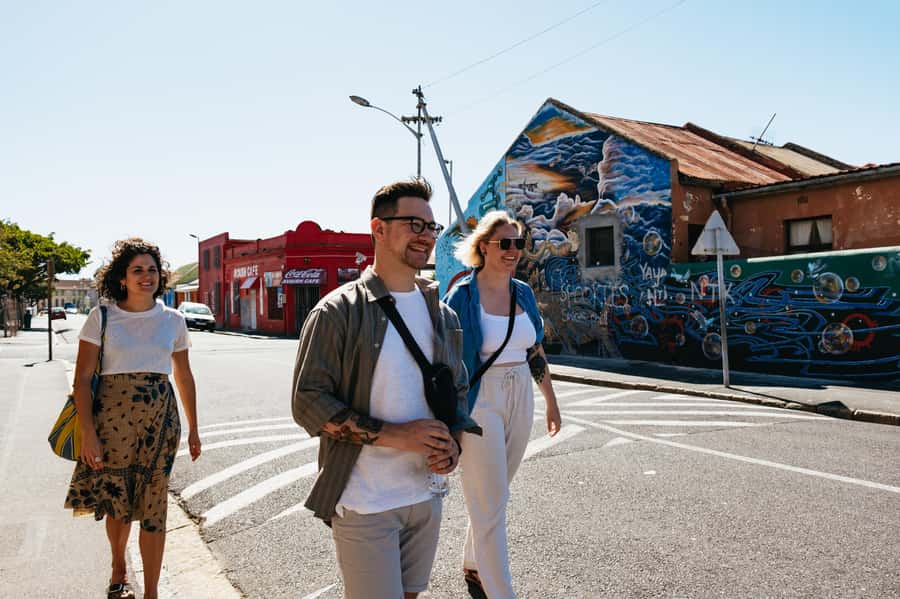
Near the end, you’ll do a couple of quick photo stops around Woodstock, Cape Town and Salt River, South Africa (about 5 minutes each). These are not “filler.” They’re for reinforcement—moments where the guide can point out how motifs and themes repeat across the area.
Then you head back to where you started: Salt Circle Arcade.
I like this ending approach because you don’t leave feeling like you sprinted through art. You leave with a sense of how the neighborhood’s visuals connect—how one wall’s story echoes into the next.
Price and Value: Is $37 Worth It?
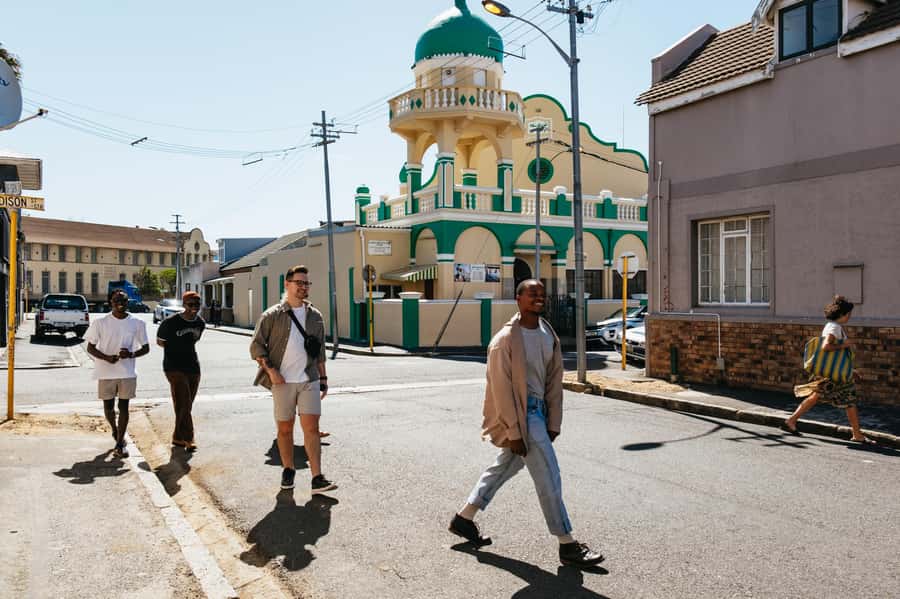
At $37 per person for 2 hours, the headline question is: what are you actually paying for?
You’re not just paying for access to colorful walls. The included value is a local guide who explains the history of street art in the city, why it matters to communities, and what the newest local pieces are trying to say. That kind of context is hard to find if you self-walk with no plan.
Another value angle: the tour includes small breaks—tea at Salt Circle Arcade and coffee at Salt Orchard. Those stops make it more than “walk, stop, take photos, move on.” They keep the pacing friendly for people who want the cultural side, not just the Instagram version of street art.
Two small considerations to keep your expectations realistic:
- There’s no hotel pickup, so you’ll want to plan to get to Salt Circle Arcade on your own.
- You’re walking rain or shine, so the value depends on how comfortable you are in wet weather.
What You’ll Learn About Cape Town Through Murals
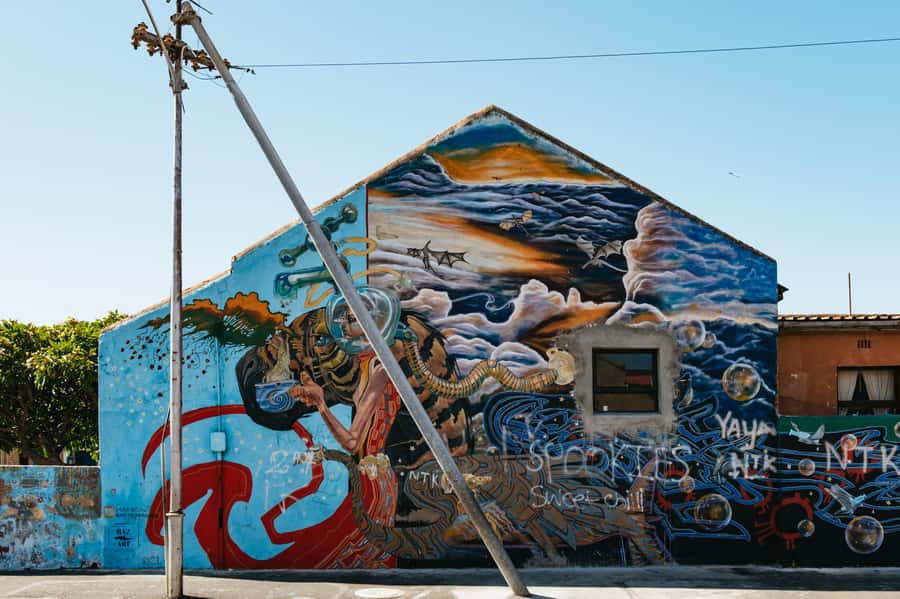
This is the part I’d prioritize if street art is your main interest. The tour is built to teach you how graffiti and murals become a form of public storytelling—especially in neighborhoods like Woodstock and Salt River.
By the time you finish, you should be able to do a few useful things:
- Read murals as messages, not just decoration (often political or cultural)
- Understand how international street artists fit into the local street-art scene
- See how community life shapes what gets painted, where it gets painted, and why
- Appreciate that street art can reflect struggle, change, and neighborhood rebirth
And because your guide works from street level, you’re not learning “about street art” in the abstract. You’re learning how it lives next to homes, businesses, and everyday movement.
Who This Tour Suits Best (and Who Might Skip)
You’ll probably love this tour if you want a Cape Town experience that feels grounded in place, not a checklist of landmarks. It’s ideal for:
- People who like art, but also like meaning
- Anyone curious about Woodstock and Salt River beyond the obvious tourist zones
- Travelers who want a short, doable walk that still feels substantial
You might be less thrilled if you only want wide, effortless photo time. The tour is guided and story-led, so you won’t spend the whole 2 hours purely free-roaming.
One more note, based on a specific concern flagged by a participant: some murals can include politically charged messaging. If you’re sensitive to that kind of content—religious or conflict-related themes—be mentally prepared. You can always adjust your focus to the style, color, and local context, but the topic may come up.
Should You Book This Woodstock Street Art Walking Tour?
I’d book it if you’re visiting Cape Town and want street art to make sense. The biggest selling point isn’t that there are murals. It’s that you get a local guide who explains the why—history, community importance, and the stories behind both international and local works.
If you can handle a 2-hour walk in mixed weather and you’re okay paying for context (not just visuals), this tour is strong value at $37. It’s also a great choice when you want something authentic that helps you understand a neighborhood fast.
FAQ
Where do I meet the guide?
Meet your guide at Shop 5 inside the Salt Circle Arcade.
How much does the Cape Town street art walking tour cost?
The price is $37 per person.
How long is the walking tour?
It runs for about 2 hours.
Is the tour wheelchair accessible?
Yes, the tour is listed as wheelchair accessible.
Is the tour guided in English?
Yes, the live tour guide speaks English.
Does the tour run rain or shine?
Yes, the tour takes place rain or shine.
What should I bring for the tour?
Bring comfortable shoes, a camera, sunscreen, and cash.