REVIEW · CAPE TOWN
Cape Town: Inspiring sustainable change through Street Art
Book on GetYourGuide →Operated by CURIOCITY Travel Experiences · Bookable on GetYourGuide
Street art can change how you see a city. This Woodstock and Salt River walk turns walls into a story you can actually read, with a local guide breaking down artists, messages, and techniques as you go. I love the clear, practical way the tour helps you look at details instead of just taking photos, and I also like that you get an expert guide plus transfer so you spend less time figuring things out. One consideration: drinks and food are not included, so plan for water and a quick snack if you need one.
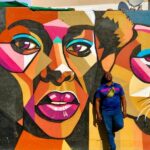
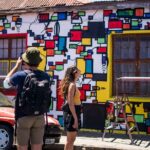
Cape Town’s creative energy shows up fast once you start moving through these neighborhoods. You’ll cover murals and street-level art, and you’ll also spend time in the gallery side of the scene, so the street doesn’t feel separate from the art world—it feels connected. This is built for people who like to learn while walking, not people who want lots of seated time.
A couple of small touches make a big difference. In at least one recent group, Gail handled pickup at the reception point and made sure everyone felt settled, even with a fresh bottle of water, and the tour guide Dauriq led the walk with both care and strong insights into the work you’d see. If you enjoy that mix of friendly local guidance and real art context, you’ll likely feel right at home.
In This Review
- Key things you’ll notice on this Cape Town street art walk
- Why Woodstock and Salt River are such a smart choice for street art
- The 150-minute flow: what happens from start to finish
- Murals, messages, and techniques: how you learn to read the walls
- Galleries on the route: why the art scene doesn’t stop at the sidewalk
- Meeting locals and getting context beyond the artwork
- Practical tips that make your walk easier
- Price and value: is $48 worth it for 150 minutes?
- Who this tour suits best (and who might skip it)
- Should you book this Cape Town street art change tour?
- FAQ
- FAQ
- Where does this street art tour take place?
- How long is the tour?
- What language is the live guide?
- Is pickup included?
- Is it wheelchair accessible?
- What’s included in the price?
- What’s not included?
- What should I bring?
- Do I need to ask before taking photos of people?
- Is free cancellation available?
Key things you’ll notice on this Cape Town street art walk
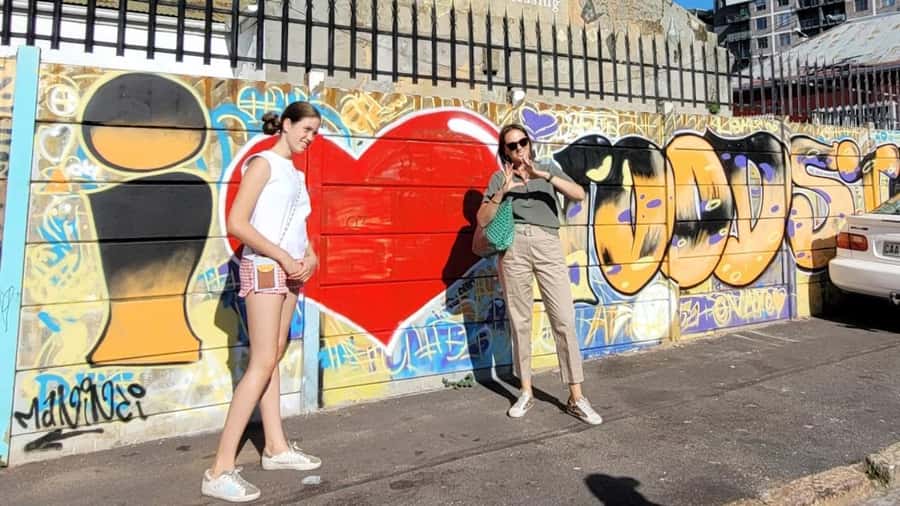
- Woodstock first, Salt River next: the route helps you compare styles and themes across nearby creative pockets.
- Murals plus gallery stops: you see street art as part of a wider creative ecosystem.
- Artist messages explained: you’ll get help interpreting what the work is saying, not just what it looks like.
- Techniques you can spot while walking: the guide points out details you’d miss on your own.
- Local conversations with the scene in mind: you’re encouraged to connect with people and the culture around the art.
- Camera-friendly stops: you’ll have plenty of chances to frame shots, with clear reminder to ask before photographing people.
Why Woodstock and Salt River are such a smart choice for street art
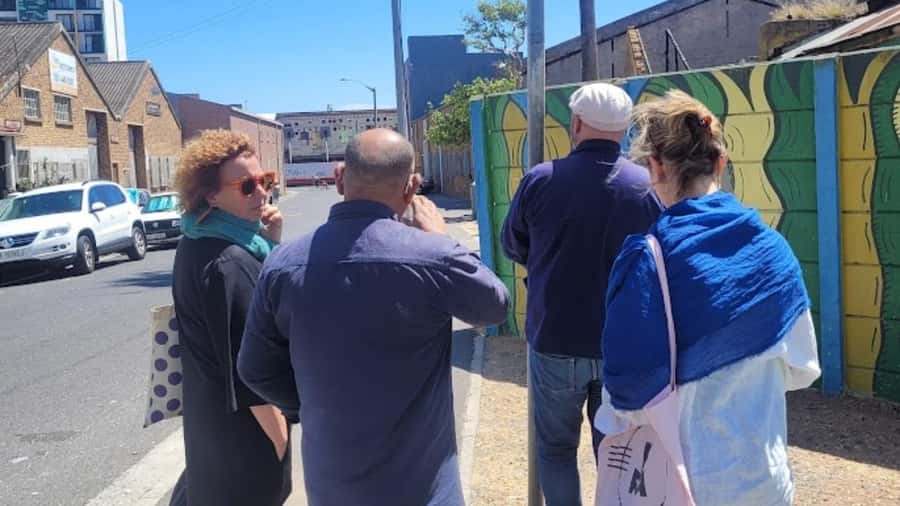
Woodstock and Salt River are the kind of areas where street art feels like part of daily life, not an occasional attraction. You’re not just looking at a wall from far away—you’re walking through the neighborhood context that gives the art its meaning: who lives nearby, what the streets communicate, and how creativity moves with the people.
I like that the tour focuses on these two specific areas rather than scattering across Cape Town. It makes the experience easier to follow. You’ll see how one neighborhood’s look and themes can differ from the next, even when they’re close enough for the walk to feel cohesive. For you, that means less confusion and better learning: you can actually start comparing.
And there’s a sustainability angle implied by the tour theme—street art as a force for change. Even without getting heavy-handed, the tour’s emphasis on messages and local communities helps you connect the dots between art in public space and real-world social influence.
A few more Cape Town tours and experiences worth a look

The 150-minute flow: what happens from start to finish
This is a 150-minute walking tour, which is a sweet spot for street art. Long enough to feel like you’re getting somewhere, short enough that you’re not trapped on your feet all day.
Here’s how the pacing works in plain terms:
First, you meet at the reception point, and included transfer helps you get into the right start area without the logistics headache. Then the guide leads you through the streets of Woodstock and Salt River, with frequent stops where the art is the main event. You’re not just passing by murals while scrolling on your phone. You’re stopping, looking closely, and getting explanations that turn the art into something you can understand.
As you move, the tour builds in variety: you’ll see artwork in outdoor spaces and you’ll also spend time around galleries connected to the street art culture. That mix matters. If you only saw murals, you might think street art is only for the street. If you only visited galleries, you might think the art is disconnected from everyday life. This pairing helps you see both sides.
Finally, you finish the walk with a clearer sense of what you saw and why it’s there. The guide’s running commentary—artists’ messages, techniques, and the way the work affects local communities—does a lot to make the time feel productive rather than just scenic.
Murals, messages, and techniques: how you learn to read the walls
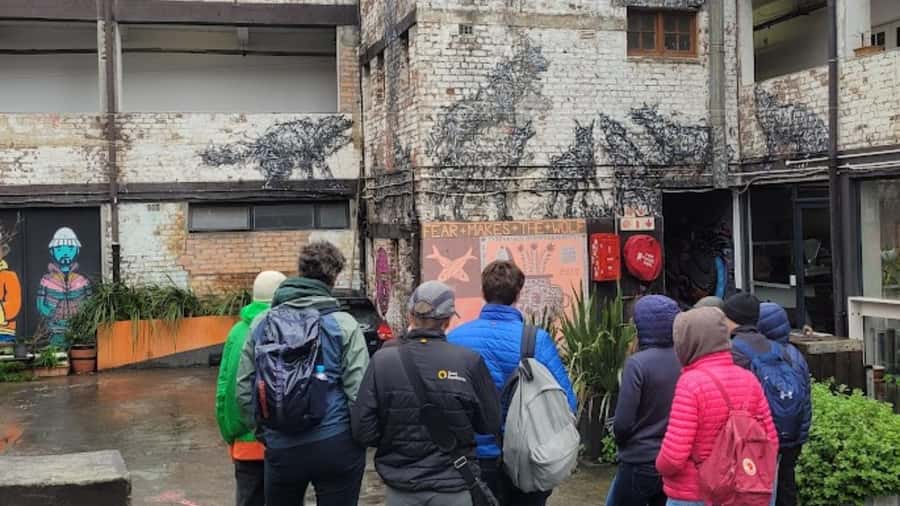
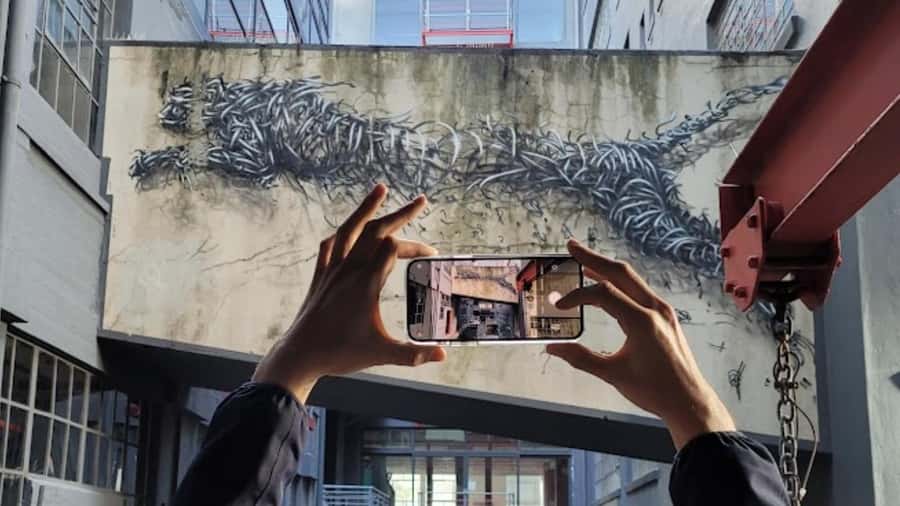
The biggest difference on a guided street art tour is that your eyes get trained. You start noticing things you’d otherwise skip: how the style shifts, how symbolism shows up, and how certain techniques change the message.
The tour is designed around that. The guide is an English-speaking local expert who explains each piece you encounter—who made it, what it’s trying to say, and what method was used to create it. If you’ve ever seen a mural and thought it was pretty but not sure what it meant, this is the fix.
What I especially like about this approach is that it doesn’t turn the street into a classroom lecture. It’s more practical than that. You’ll learn how to look while you walk:
- When a piece feels political or personal, you’ll hear how the artwork communicates that through symbols and imagery.
- When a style looks different from the next one, you’ll get clues about technique and intention.
- When you notice details, the guide helps connect those details to the artist’s message.
Also, you get to ask questions along the way. Street art is personal, and the best part of a real guide is that they can adapt explanations to your interests—social themes, artistic process, or just how to spot the important elements for photos.
Galleries on the route: why the art scene doesn’t stop at the sidewalk
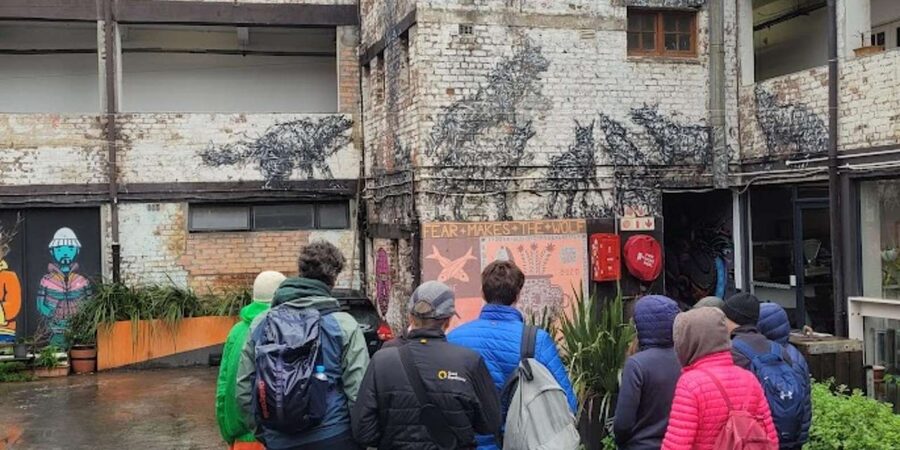
You’re not only dealing with exterior murals. The tour also includes galleries as part of the experience, which changes how you interpret what you’re seeing.
Street art often lives in public space, where it can be loud and immediate. Galleries, on the other hand, usually frame art differently—through curation, context, and a slower pace of attention. By pairing both, the tour gives you a fuller picture of the creative ecosystem.
For you, this means you can step out of the “just decoration” mindset. You’ll start to see street artists as creators with messages, histories, and artistic skills that can move between public walls and formal exhibition spaces. Even if you’re not a hardcore art person, that connection helps the whole neighborhood art story make more sense.
If you’re the kind of traveler who likes to understand how local culture works, this gallery element is a smart inclusion. It turns the tour from sightseeing into cultural interpretation.
Meeting locals and getting context beyond the artwork
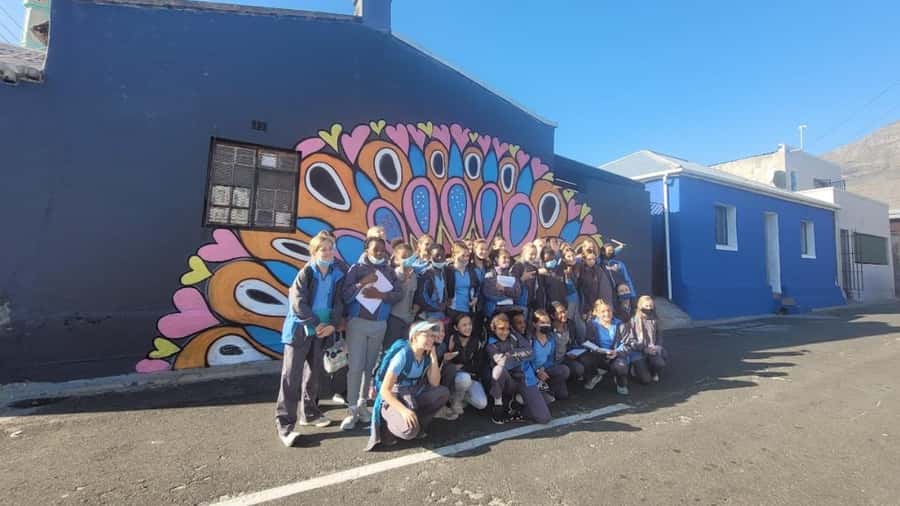
Street art can’t really be understood without social context. That’s exactly what this tour emphasizes by encouraging you to meet locals and immerse yourself in Cape Town’s creative sub-cultures.
I like that the tour frames the art as something that influences and transforms local communities. That’s not just a poetic idea—it changes how you look at the walls. Instead of thinking the mural is only for aesthetics, you start noticing how it speaks to people in that space: identity, community issues, and the everyday reality the artwork responds to.
There’s also an important practical social reminder baked into the tour guidance: when taking photos, always ask people if they’re okay with it. This isn’t just politeness. It keeps the experience respectful, and it also makes street art photography smoother. You’ll waste less time dealing with awkward moments because you’re building trust as you go.
Practical tips that make your walk easier
This tour is a walking tour, and your comfort directly affects how much you enjoy it. The good news: the requirements are straightforward.
Bring:
- Comfortable shoes (this is the one that matters most)
- A camera (you’ll want it)
- Biodegradable sunscreen
- Comfortable clothes
A couple of my practical recommendations based on how these walks typically feel in the sun and on uneven sidewalks:
- Wear layers if the weather is changeable; you’ll be moving for 150 minutes.
- If you’re prone to getting thirsty, plan water even though drinks aren’t included.
Also note the tour is wheelchair accessible. That’s helpful if you need step-free navigation, and it’s a sign the operator expects the walk to be doable for different mobility needs.
Price and value: is $48 worth it for 150 minutes?
At $48 per person for 150 minutes, you’re paying for three things: a local English-speaking guide, a structured route through Woodstock and Salt River, and included transfer to get you to the meeting area smoothly.
Here’s why that price can feel fair:
- You’re not just paying for someone to point at murals. You’re paying for explanations of artists’ messages and techniques—context that’s hard to get on your own.
- The included transfer reduces your friction cost. Less time on logistics, more time learning and seeing.
- The tour covers more than one kind of stop: outdoor street art and gallery space. That variety helps justify the time.
The main value trade-off is also simple: drinks and food aren’t included. If you’re the type who likes to buy something mid-tour, budget for that separately. But if you plan ahead and keep the focus on the art, you’ll likely feel you got a solid learning experience for the money.
Who this tour suits best (and who might skip it)
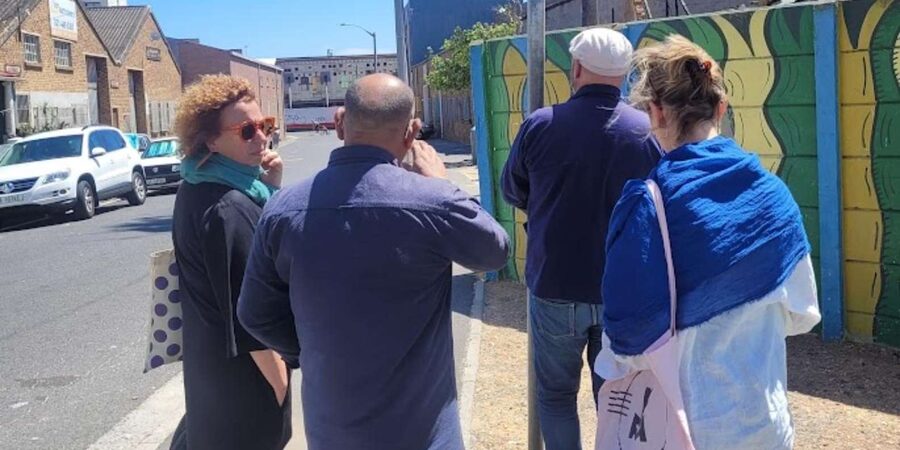
This is a great fit if you:
- Like street art but want meaning, not just images
- Enjoy walking tours with context and guided interpretation
- Want to understand how creative sub-cultures work in real neighborhoods
- Prefer English commentary and a live guide throughout
It’s less ideal if you:
- Want a relaxed, low-footing schedule with lots of sitting (this is still a walking tour)
- Need drinks or meals included in the price
If you’re traveling with friends or family who appreciate different styles of art—symbolic, political, personal—you can still have a shared experience because the guide is there to connect the dots.
Should you book this Cape Town street art change tour?
I’d book it if your goal is to see Cape Town’s street art with context. The strongest reason is the guide-led focus on artist messages and techniques, which turns murals into real learning. Add in the route through Woodstock and Salt River plus the mix of street stops and gallery time, and you get a full view of how this art scene connects to the community.
Book if you’re comfortable walking for about 150 minutes and you’ll bring the basics: comfy shoes, camera, and sunscreen. Skip it if you want a food-and-drink heavy outing or you dislike walking.
FAQ
FAQ
Where does this street art tour take place?
It takes place in Cape Town, in the Western Cape region, focusing on Woodstock and Salt River.
How long is the tour?
The duration is 150 minutes.
What language is the live guide?
The tour includes a live tour guide in English.
Is pickup included?
Yes. The tour includes transfer, and you meet at the reception.
Is it wheelchair accessible?
Yes, the tour is wheelchair accessible.
What’s included in the price?
Included items are the transfer and the guided walking tour.
What’s not included?
Drinks, food, souvenirs, and anything of personal nature are not included.
What should I bring?
Bring comfortable shoes, a camera, biodegradable sunscreen, and comfortable clothes.
Do I need to ask before taking photos of people?
Yes. The tour guidance reminds you to always ask people if they are okay with you taking their photo.
Is free cancellation available?
Yes. You can cancel up to 24 hours in advance for a full refund.