REVIEW · HAMBURG
Europe Premiere: 3D Trick Art Museum Hamburg
Book on GetYourGuide →Operated by Mindways Mobility GmbH · Bookable on GetYourGuide
You can’t just watch the art here—you join it. Hamburg’s 3D TrickArt Museum turns paintings into real-time photo illusions, and the trick is always your pose. What I like most is how close-up and playful it feels, and how Masashi Hattori’s exclusive works are only available in Hamburg.
One thing to plan for: the experience is short, and if you arrive right at opening or during peak times, you may notice a little bustle at the entrance while things get rolling.
In This Review
- Key points to know before you go
- The Only Europe-Wide 3D TrickArt Museum You’ll Find in Hamburg
- Where It Is: Großer Burstah 34 and Why That Matters
- Tickets, Timing, and the 2-Hour Reality Check
- What You Do Inside: Pose, Touch, and Build Your Photo Story
- Masashi Hattori’s Exclusive Works: The Hamburg Reason to Come
- Photo Tips That Actually Matter (Smartphone, Angles, and Tripods)
- What’s Included (and Why It Changes the Value)
- Comfort, Bags, Shoes, and the Stuff That Can Trip You Up
- Wheelchair Accessibility: What Works and What Doesn’t
- How Long You’ll Actually Need (Based on Style, Not Rush)
- Value for $18: Is It Worth It?
- Who This Works Best For—and Who Might Want to Skip
- Should You Book the 3D TrickArt Museum Hamburg?
- FAQ
- Where is the 3D TrickArt Museum Hamburg located?
- How long does the experience take?
- What does the ticket cost?
- What’s included in the admission?
- Can I take photos and videos inside?
- Is the 3D VR Simulator included?
- Are bags, luggage, or strollers allowed inside?
- Are pets allowed?
- Is the museum wheelchair accessible?
- What should I bring?
Key points to know before you go
- Europe’s only 3D TrickArt Museum is right here in Hamburg
- Masashi Hattori’s exclusive artworks are available only in Hamburg
- You’re allowed to touch, pose, and join in all the exhibits
- Expect photo-friendly themed scenes, including cliff-edge danger and animal surprises
- Small group size means you’ll usually move through at a comfortable pace (limited to 10 participants)
The Only Europe-Wide 3D TrickArt Museum You’ll Find in Hamburg
If you’re hunting for something different in Northern Germany, this is the rare “we should do that” stop that actually delivers. The whole concept is simple: 3D paintings that spring to life through camera perspective—when you stand in the right spot.
What makes this museum worth your time is the design choice to put you inside the artwork. You’re not quietly looking at glass cases. You’re moving, laughing, and recreating scenes with friends and family. The museum leans into it fully, including permission to touch and pose across the exhibit spaces.
You can also read our reviews of more museum experiences in Hamburg

Where It Is: Großer Burstah 34 and Why That Matters
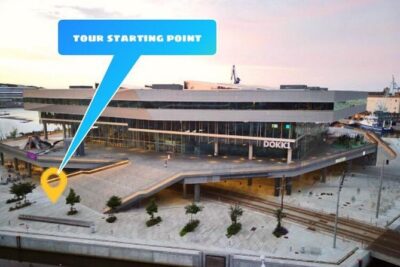
The meeting point is Großer Burstah 34, 20457 Hamburg. That location is useful because it’s easy to fold this into a day already spent exploring Hamburg’s center—especially if you want an activity that works even when the weather turns.
Plan on making room for the stop in the middle of your day or late afternoon. This museum is more about momentum than lingering, so you’ll enjoy it more if you’re not exhausted or rushed for your next reservation.
Tickets, Timing, and the 2-Hour Reality Check
The visit runs about 2 hours. That’s a sweet spot for a photo-focused activity: long enough to try multiple scenes, short enough that you won’t feel trapped in a half-day plan.
There’s also an important timing note: tickets booked through GetYourGuide don’t come with fixed time slots. So even with your ticket in hand, you may need to wait at the entrance if crowds build, especially at peak times.
My practical advice: aim to arrive a few minutes before your chosen start window (if you’re picking one) and keep your expectations flexible. One review described a slightly chaotic feel at opening, with staff not fully set up and some accessories not ready right away. That doesn’t change the quality of the art, but it does affect how smooth your first 10–20 minutes feel.
What You Do Inside: Pose, Touch, and Build Your Photo Story
Right when you walk in, you’re dropped into illusion spaces where the paintings only look “real” through your camera lens. You’ll move from themed world to themed world—sometimes you’re balancing at the edge of a dangerous cliff, other times you’re suddenly face-to-face with a huge animal, and then you’ll shift into a dream-like scene.
The key difference from a traditional museum is permission and participation. You’re meant to act out the scene. You’ll be close enough to touch or adjust elements used for the illusion, and you’ll stage your own moment for photos and videos.
This is the part that makes it work for almost everyone. If you’re solo, you can focus on getting your angles right. If you’re traveling with friends or family, you can take turns being the “main character” while someone else shoots. And because you’re encouraged to interact, the time passes fast.
Masashi Hattori’s Exclusive Works: The Hamburg Reason to Come
This museum isn’t generic 3D art you can find anywhere. The big draw is that Masashi Hattori’s works are exclusive—and they’re waiting for you only in Hamburg.
That exclusivity matters for two reasons. First, it turns the visit from a “fun photo stop” into something more like a location-based experience: you’re seeing specific pieces that you won’t get if you head to a different city. Second, it helps explain why this place gets so many “how is this real?” reactions—because the museum is built around the idea of one-of-a-kind scenes designed to work with your perspective.
You should also know the museum emphasizes that each picture is one-of-a-kind. In practice, that means you’re not just taking repeatable snapshots from the same viewpoint. You’ll want to linger a bit at each stop to recreate the effect and get the best composition.

Photo Tips That Actually Matter (Smartphone, Angles, and Tripods)
Your smartphone is the main tool. The museum specifically calls out bringing a charged smartphone, and you’ll have unlimited recording permission using your own camera or phone. That’s a big value point: there’s no extra fee for photos, and you won’t be “timed” like you might be in attractions that cap content.
Here’s how to get better results fast:
- Take a wide shot first, then move into the exact spot for the illusion.
- Hold steady for each pose. Small camera shifts can break the 3D effect.
- If you’re shooting a group, assign one person to check the phone screen while others hold the pose.
The museum also offers a small boost for steadier photos: you can borrow a tripod at the ticket office. If you’re traveling as a couple or with family, a tripod can make self-timer shots much easier—especially in scenes where you’ll be crouching, leaning, or acting out something dramatic.
Also, the museum has different themed areas, and some content may appear in its original language. Don’t worry too much. The visual instructions and the physical setup do most of the teaching. Still, it’s smart to go with a calm mindset: you’ll learn as you go.
What’s Included (and Why It Changes the Value)
The included items are designed for interaction, not observation:
- Access to all interactive 3D artworks by Masashi Hattori
- Use of the themed illusion worlds for photos and videos
- Permission to touch, pose, and participate in exhibits
- Unlimited photos and videos with your own smartphone/camera
- Creative photo spots meant for family and friends
- Tripod borrowing at the ticket office
So you’re basically paying for time, movement, and the ability to create your own images on the spot. Compared to many “museum-style” experiences, that’s a huge difference: your reward is output you control.
Two practical notes:
- Food and drinks aren’t included, but there’s a separate food area outside the exhibition.
- The 3D VR Simulator is not included and is sold separately, so don’t expect it to be part of the base ticket.
Comfort, Bags, Shoes, and the Stuff That Can Trip You Up
This museum is easy-going, but there are a few rules that affect your day.
Large items are restricted inside the exhibition. The good news: there’s a cloakroom where you can drop off bags and jackets. Larger luggage and strollers aren’t allowed in the exhibition area, but you can park them safely outside.
For clothing, go with comfort. The museum recommends comfy clothes and flat shoes. High heels are not allowed—fair warning—because you’ll likely be stepping, kneeling, or repositioning for the illusion.
Pets are not allowed, but assistance dogs are allowed. If you’re bringing anything else bulky or unnecessary, it’s best to keep it light. You don’t want to spend your visit wrestling with luggage rules.
Wheelchair Accessibility: What Works and What Doesn’t
The museum is wheelchair accessible, with an elevator and wheelchair-friendly toilets. That’s great if you need basic access and facilities.
One limitation: the artworks themselves aren’t suitable for driving on. In plain terms, you may be able to reach the areas you need, but you shouldn’t plan on navigating the illusion setups while using a vehicle or moving system. If that affects you, it’s worth planning for slower, hands-on assistance when required.
How Long You’ll Actually Need (Based on Style, Not Rush)
Two hours is the official duration, but how you use that time changes the experience.
If you’re in “scan and snap” mode, you could get through quickly. If you’re trying to make sure every person looks right in the illusion, two hours feels about right—especially with multiple themed areas.
Also, the museum’s interactive nature means you’ll want a minute to reset between scenes. Setting up your pose, checking the frame, and taking a couple of tries is normal here. Treat it like a playful photo session with art mixed in, not like a timed line at a ride.
Value for $18: Is It Worth It?
At about $18 per person, this is one of the more straightforward value propositions in Hamburg for a short activity. You’re paying for:
- exclusive Hamburg-only artworks by Masashi Hattori
- interactive access (you’re allowed to touch and pose)
- unlimited photos and videos using your own device
- a total visit time that’s long enough for multiple scenes
The biggest “value risk” is expectation. If you came hoping for a high-end museum experience with slow pacing and lots of text, you might feel it’s too short or too game-like. One review described it as more of a quick pastime than a huge spectacle. That feedback makes sense if your mental model is a traditional museum day.
But if you’re traveling with people who enjoy photos, props, group fun, or “let’s be part of it” attractions, this price-to-output ratio is pretty strong.
Who This Works Best For—and Who Might Want to Skip
This museum is a match when you want:
- a fun family activity with high photo payoff
- a group-friendly experience where everyone participates
- a rainy-day plan that doesn’t depend on weather
- a short break from walking that still feels like a real activity
It might be less satisfying if you:
- hate waiting at entrances during peak times
- prefer quiet museum pacing and minimal interaction
- expect a VR add-on to be included automatically
If you’re the type who enjoys staging scenes and getting a few “perfect” shots, you’ll likely have a great time here.
Should You Book the 3D TrickArt Museum Hamburg?
Book it if you want an interactive photo experience with Hamburg-only artworks and the kind of participation that turns your camera roll into the main souvenir. It’s also a smart choice when you want a 2-hour activity that doesn’t require special planning beyond bringing a charged smartphone and wearing shoes you can move in.
Skip or rethink if you’re expecting a long, traditional museum visit or if your schedule can’t handle a bit of entrance bustle around opening. With that in mind, this is still a strong “yes” for most visitors—because the museum is built around one thing: you making the illusion work.
FAQ
Where is the 3D TrickArt Museum Hamburg located?
It’s at Großer Burstah 34, 20457 Hamburg.
How long does the experience take?
The duration is about 2 hours.
What does the ticket cost?
The price is listed as $18 per person.
What’s included in the admission?
Admission includes access to all interactive 3D artworks by Masashi Hattori, the themed illusion areas for photos and videos, and permission to touch and pose. Unlimited photos and videos are allowed with your own smartphone or camera, and you can borrow a tripod at the ticket office.
Can I take photos and videos inside?
Yes. Unlimited photo and video recording is included with your own camera or smartphone.
Is the 3D VR Simulator included?
No. The 3D VR Simulator tickets are sold separately.
Are bags, luggage, or strollers allowed inside?
You can use the cloakroom for bags and jackets. Larger luggage and strollers aren’t allowed in the exhibition, but you can park them.
Are pets allowed?
Pets are not allowed. Assistance dogs are allowed.
Is the museum wheelchair accessible?
Yes. There’s an elevator and wheelchair-friendly toilets. The artworks themselves aren’t suitable for driving on.
What should I bring?
Bring a charged smartphone. Comfy clothes and flat shoes are recommended, and high heels are not allowed.