REVIEW · FREMANTLE
Fremantle: Convicts, Culture, and Street Art
Book on GetYourGuide →Operated by Two Feet & a Heartbeat · Bookable on GetYourGuide
Fremantle has a way of grabbing you fast. This 2-hour Convicts, Culture, and Street Art walking tour turns the streets around Kings Square and the harbor into a living timeline, with stops tied to the city’s maritime past and migration stories.
I like how it stays relaxed but still packs in the facts, thanks to a local host who can answer questions and keep the pace easy. I also like the mix of places and themes: the High Street and Roundhouse area, the whaling-related landmarks like the Whaler’s tunnel, and street art that helps explain how Freo’s story keeps moving.
One thing to consider: this is a walking tour and the topics can be heavy at times, including convict tales and the expulsion of Indigenous peoples. If you prefer only light sightseeing, you may want to mentally pace yourself, and bring comfortable shoes—especially since April to August can mean cold rain.
In This Review
- Key things you’ll notice on this tour
- From Kings Square to the harbor: how this tour moves through Freo
- Two hours of walking: what the time feels like in real life
- Convicts, whaling, and migration: the stories you’ll actually remember
- Whaler’s tunnel and the Roundhouse: why these sites matter
- Street art with context: art as a second language for the past
- Who your guide is matters more than you think
- Price and value: $46 for 2 hours in Freo
- Weather, clothing, and walking comfort (April to August reality)
- Should you book? A practical decision for your Freo days
- FAQ
- How long is the Fremantle Convicts, Culture, and Street Art tour?
- Where do I meet the guide?
- How much does it cost?
- What is included in the price?
- Is hotel pickup included?
- Is bottled water included?
- What language is the tour guide?
- Is the tour wheelchair accessible?
- What should I wear in colder months?
- Do I need to confirm anything before departure?
- What is the cancellation policy?
Key things you’ll notice on this tour
- A story-first route that connects the port, West End streets, and major landmarks instead of repeating a textbook
- Whaling-era landmarks like the Whaler’s tunnel that make the maritime past feel real and close
- Street art with context, so murals and walls become clues to later chapters of Freo’s identity
- Small-group energy in the way guides like Winona adjust to what you’re most curious about
- Q&A friendly hosting, where people such as Vaughan and Daniel are praised for answering questions clearly
- Local tips as you go, useful for turning a short walk into a longer Freo plan
From Kings Square to the harbor: how this tour moves through Freo
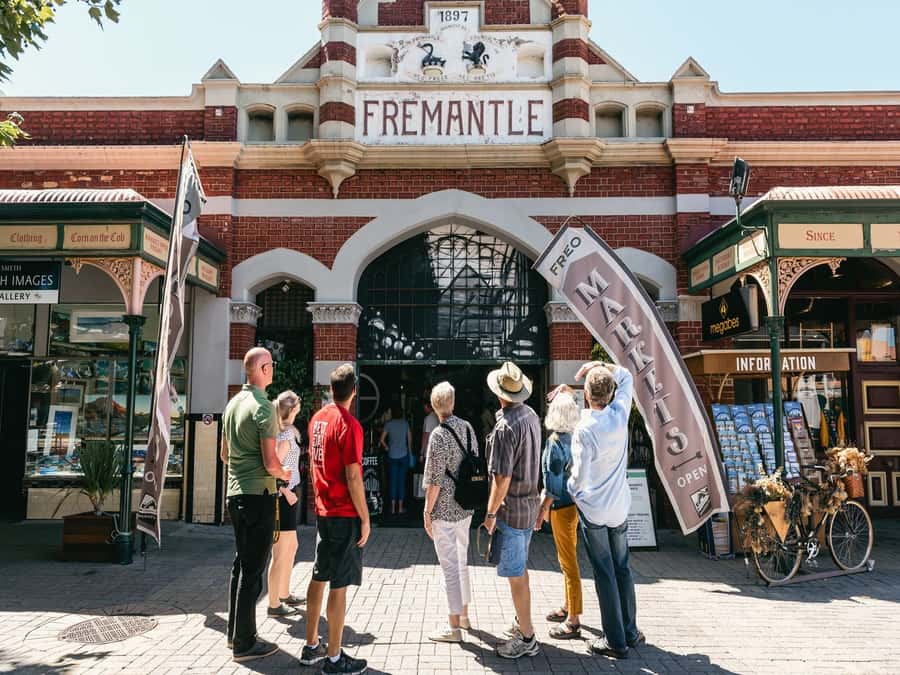
The tour starts at the Fremantle Visitors Centre in Kings Square (Kings Square Fremantle WA 6160). From there, you’re not just wandering for exercise. The walk is designed like a guided “choose-your-own-history” path: you move between the cappuccino strip vibe, the boat harbour area, and tighter West End lanes, and the guide keeps turning what you see into a story with names, dates, and causes.
The big idea is simple: Fremantle wasn’t only a place where ships arrived. It was also a machine that shaped people. The guide frames Freo as a gateway for migrants and as a port town with hard-edged characters—some arriving under very dark circumstances, others seeking a new start. That mix helps explain why the town feels full of personality even today.
If you’re the kind of traveler who likes to “get your bearings fast,” this is a good way to do it. You’ll come away with a map in your head: High Street, Roundhouse, the harbor, and side streets that suddenly make sense because someone put a timeline next to them.
A few more Fremantle tours and experiences worth a look
Two hours of walking: what the time feels like in real life
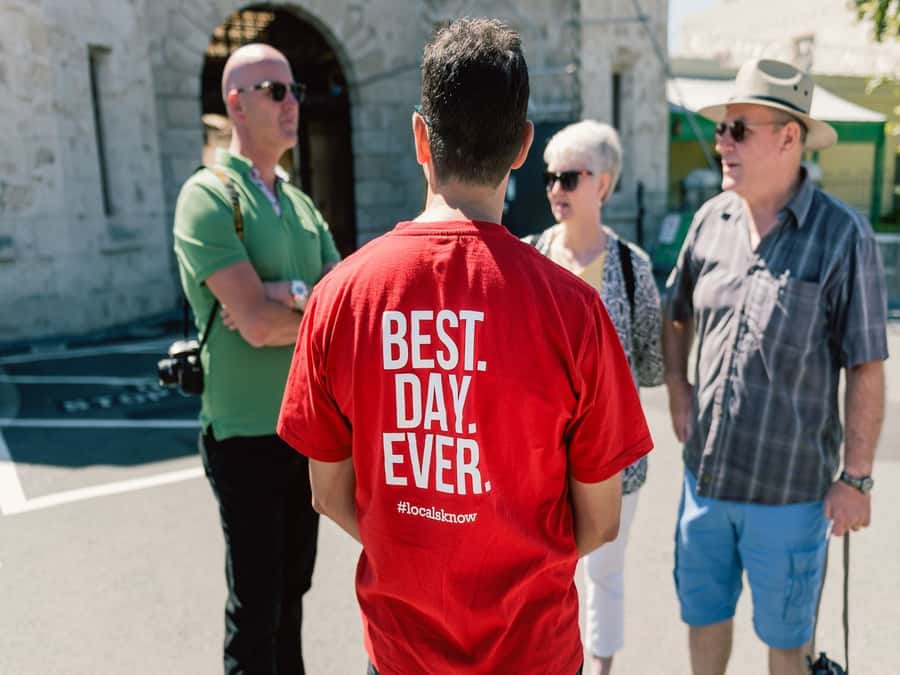
At 2 hours, this tour hits the sweet spot between short and too short. It’s long enough for the guide to connect maritime themes to convict transport and then to later layers like immigration and street art. It’s also short enough that you won’t feel trapped when you spot something you want to linger over.
You’ll do a walking route that includes:
- Fremantle Port and the harbor area
- West End streets and the High Street corridor
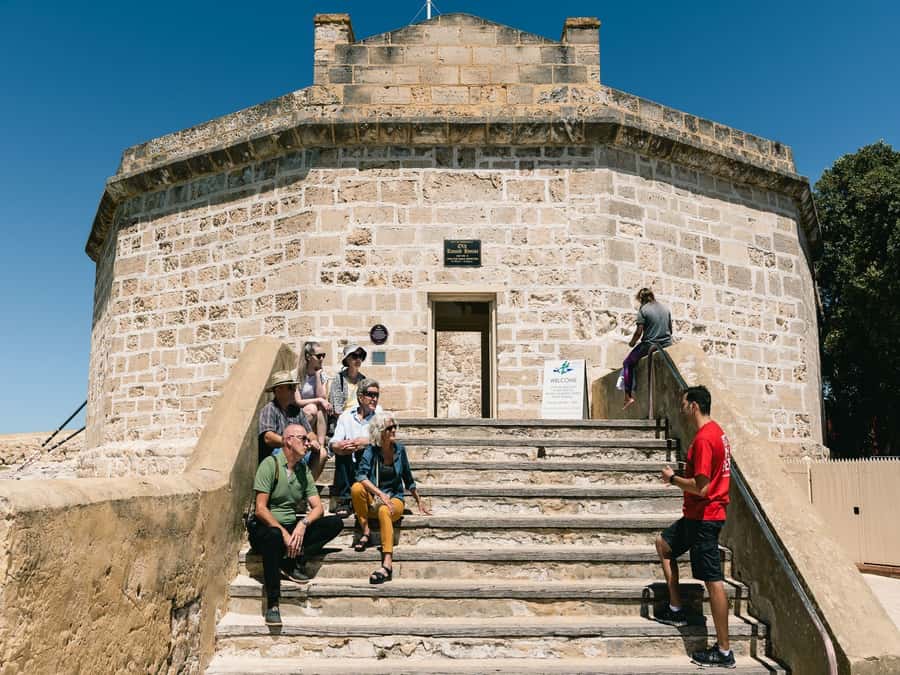
- Landmarks including the Roundhouse
- The Whaler’s tunnel area
- Stops that line up with the town’s markets and coffee-strip atmosphere
The practical point: it’s paced for easy conversation, not for a race. Many guides are praised for keeping the tour relaxed while covering a lot. Winona, for example, is highlighted for being easy going and for adapting her talk to what the group wants to learn. That matters because it means you’re not stuck hearing the same route spiel regardless of your interests.
Convicts, whaling, and migration: the stories you’ll actually remember
The tour’s strongest ingredient is the way it links human stories to real places. Fremantle’s maritime background is the base layer—whaling stations, the port, and ships moving people through the world. From there, the guide connects why so many men were transported from Great Britain and Ireland and how the prison shaped Western Australia’s early development.
There are also the tougher chapters. You’ll hear about prisoner escapes and convict antics, and you’ll also hear about the expulsion of Indigenous peoples. That combination can be emotional, and it’s worth saying plainly: this isn’t a soft-focus history walk. The value is that it doesn’t pretend the past was tidy.
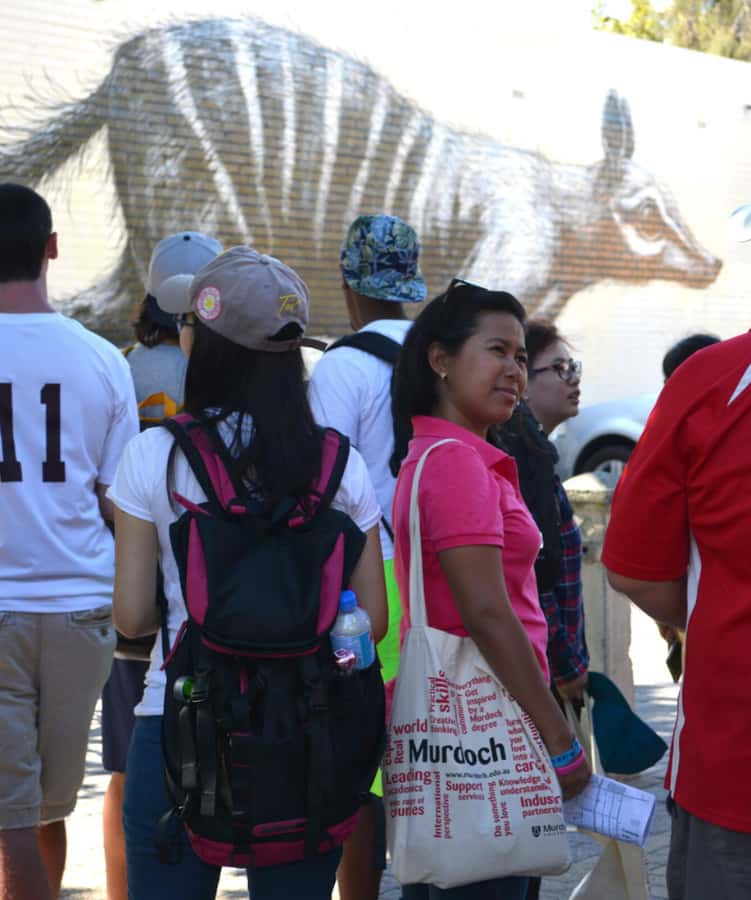
Then the story broadens. Once the port’s role as a gateway for migrants becomes part of the narrative, Freo starts to feel like a living result of arrivals—rather than just a pretty coastal town. You’ll connect that to what you see now, including the street art element. The street art portion isn’t just decoration. It’s treated like another form of storytelling, showing how later generations added their own voices to the walls.
Whaler’s tunnel and the Roundhouse: why these sites matter
Some places are famous because they look old. Others feel important because they explain how power worked.
The Whaler’s tunnel is an example of the second kind. It sits in the story of whaling stations and the port’s working life, so you’re not only seeing a landmark. You’re hearing why it existed, who used it, and how it fit into Freo’s economy when ships and processing were driving the town.
The Roundhouse is another anchor point. Even if you only remember one thing from this tour, it should be that Fremantle’s penal and port history aren’t separate chapters—they’re intertwined in the way the town developed. The guide helps you see how “built space” can shape behavior and community for decades.
One more small practical benefit: these landmarks give you reference points for future exploring. After the tour, when you wander on your own, the streets stop feeling random.
Street art with context: art as a second language for the past
The tour name includes street art, and that’s not just for marketing. Several guides are praised for tying street art to the stories it relays, meaning you’ll pay attention to walls and murals differently by the end.
Here’s why that approach works: if you treat street art as just aesthetics, you miss why it shows up where it does and what themes it repeats. In this tour, the guide uses it as an interpretation tool. You’re essentially learning a second layer of reading the town—one that connects later voices to earlier routes, arrivals, and local identity.
If you care about contemporary Freo, this part is a good way to blend “then” and “now.” And if you’re only here for one short visit, it helps you walk away with more than a photo set. You’ll have story hooks you can follow later.
Who your guide is matters more than you think
With tours like this, the host changes the whole experience. The reviews highlight that guides such as Winona, Vaughan, Daniel, and Joanie are singled out for being attentive and responsive.
A couple of recurring strengths show up in the feedback:
- Guides adjust the pace and emphasis for what the group wants to know (Winona is specifically mentioned for asking interests ahead of time).
- The tour stays relaxed even when the stories cover intense topics.
- Questions are welcomed, not brushed off, with guides answering clearly.
- Afterward, the guide’s recommendations can extend your visit. Vaughan, for instance, is credited with pointing people toward two other museums they enjoyed the next day.
That last bit is underrated. A good walking tour doesn’t just end when the tour ends. It gives you a “next step” plan.
Price and value: $46 for 2 hours in Freo
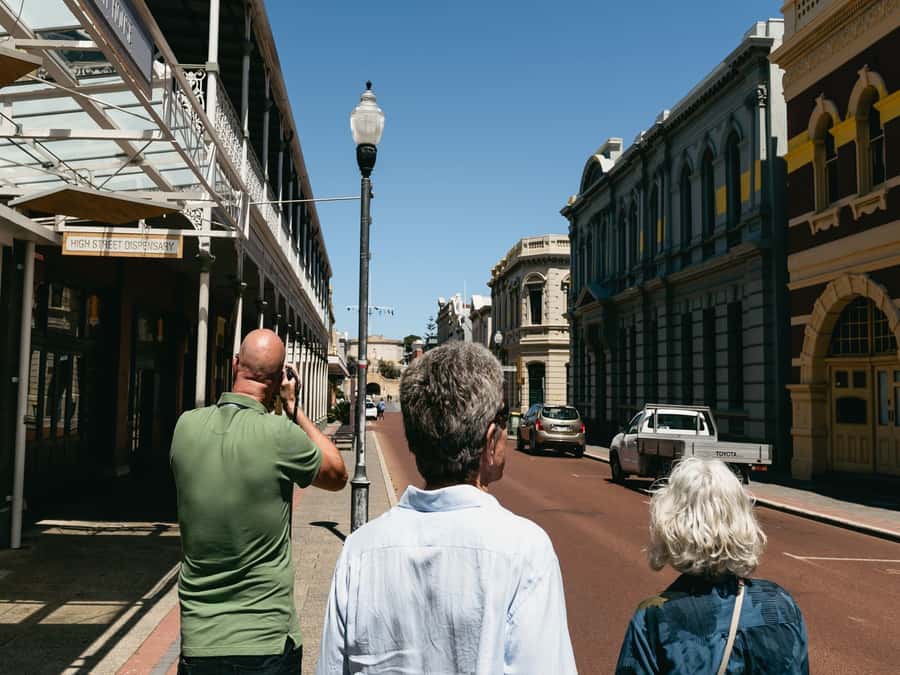
At $46 per person for a 2-hour guided walk, the value depends on what you want out of your time. If your goal is just to see a few famous buildings, you could DIY this with a map and a couple of stops. But if your goal is to understand why Freo became what it is—convicts, whaling, migration, and the shift to a culturally layered town—then this pricing starts to make sense.
The math is simple:
- You pay for a local host to connect multiple sites and time periods in one route.
- You get practical on-the-ground tips.
- You don’t waste time guessing which landmark is actually tied to which story.
Also, because it’s only 2 hours, you’re not paying for a long day. That’s handy in Freo, where you may already want time for markets, coffee, and wandering on your own after the tour.
Weather, clothing, and walking comfort (April to August reality)
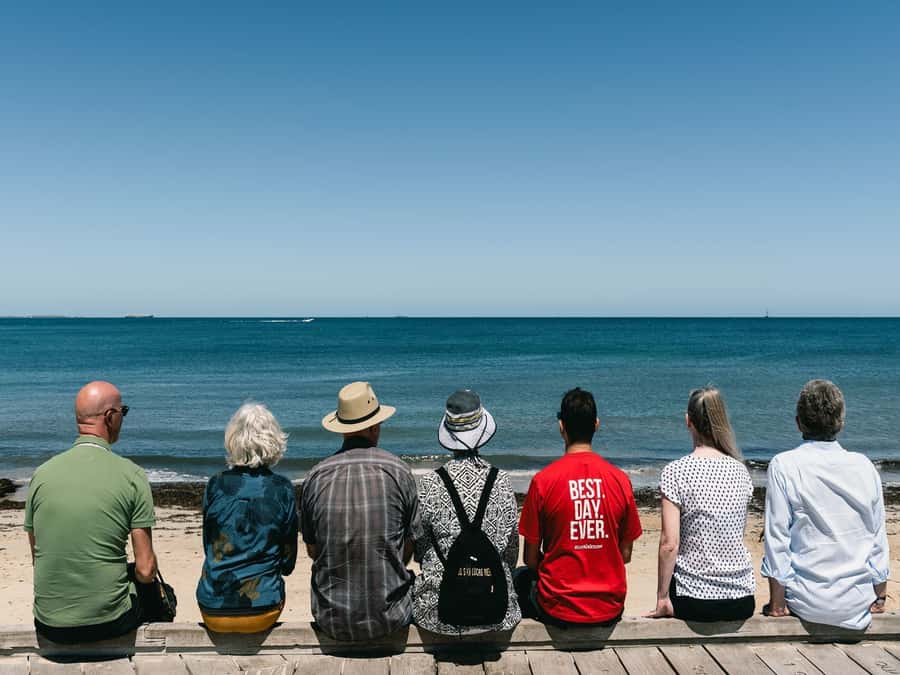
This tour is outdoors, and the guidance is clear: during April to August you may expect cold weather and rain. That means your success depends on what you wear.
Bring:
- Comfortable walking shoes
- Clothing that handles cool, wet conditions
- A plan to stay warm if the sky doesn’t cooperate
The good news from real-world experience shared in feedback is that even in rougher weather, the tour still covers a lot because the pace and route keep you moving and engaged. Still, your own comfort matters. If you’re bundled up and steady on your feet, you’ll enjoy the stories more.
Should you book? A practical decision for your Freo days
Book this tour if:
- You want a short, high-impact way to understand Fremantle’s past and connect it to what you see today
- You’re interested in the port, the convict era, and migration stories (including the harder parts)
- You like tours where street art is treated as part of the local narrative, not just background decoration
- You want a guide who answers questions and keeps things relaxed, like the hosts praised for easy going hosting and adaptive pacing
Consider skipping or pairing it differently if:
- You dislike walking tours or find 2 hours on foot difficult
- You prefer lighter, purely scenic sightseeing and would rather avoid heavy historical topics
- You already have a strong grasp of Freo’s convict/port history and want something more hands-on or arts-focused without the historical context
FAQ
How long is the Fremantle Convicts, Culture, and Street Art tour?
It lasts about 2 hours.
Where do I meet the guide?
Meet your guide at the Fremantle Visitor Information Centre, located at Kings Square Fremantle WA 6160.
How much does it cost?
The price is listed as $46 per person.
What is included in the price?
Included features are a 2-hour guided walking tour, a professional local host, local history and fun stories, and local tips.
Is hotel pickup included?
Hotel pick-up and drop-off is not included. It’s available only for group bookings by request.
Is bottled water included?
No, bottled water is not included.
What language is the tour guide?
The tour is in English.
Is the tour wheelchair accessible?
Yes, it’s listed as wheelchair accessible.
What should I wear in colder months?
Wear comfortable shoes and dress appropriate to the weather. During April to August, expect cold weather and rain, so check the weather report the day before.
Do I need to confirm anything before departure?
Yes—please contact the local partner to confirm the trip 24 hours prior to departure.
What is the cancellation policy?
Free cancellation is available up to 24 hours in advance for a full refund.