
Turn your head, Adelaide has secrets.
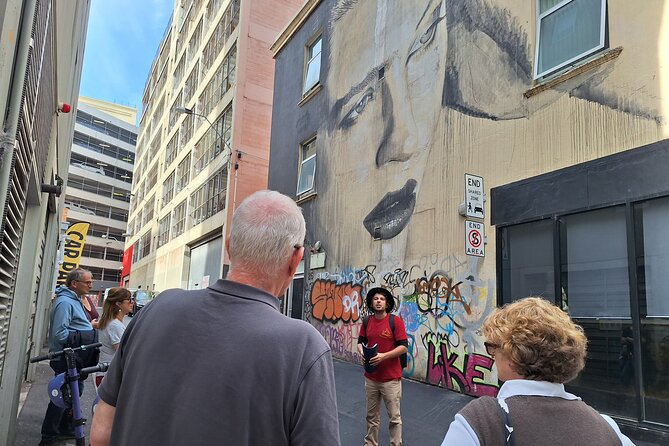
This 2-hour walk takes you off the main roads into laneways and back streets, where you’ll spot Australia’s best street art and hear the human stories behind it.
What I really like is the way the tour trains your eyes. You’re not just moving from mural to mural. You’re encouraged to look up, look down, and notice the small stuff like details on buildings and even street art under your feet. I also love that you get practical take-home value: a digital map of top spots, plus another map with more street art to explore later, and personalised suggestions for what to do in Adelaide during your stay.
The only real drawback is simple: this is still a walking tour. It’s best if you can handle about 3km on foot over 2 hours, and it runs only with good weather, so you’ll want comfortable shoes and a bit of flexibility.
In This Review
- Key highlights
- Why Adelaide’s laneways work better on foot than on a bus
- Meeting at 25 Pirie St and ending near Hindley Street
- A 2-hour walk that’s built around looking up, looking down
- Stop 1: Pilgrim Uniting Church sets the tone fast
- Stop 2: Grenfell Street keeps the momentum
- Stop 3: Rundle Mall adds contrast and location awareness
- Stop 4: Hindmarsh Square is a quick reset with local flavor
- Stop 5: Rundle Street East for 45 minutes is where the tour slows down
- What the guide adds: stories, artists, and real city tips
- Price and value: $45.90 for 2 hours with maps and charity support
- What to bring (and what to skip)
- Who should book this tour, and who might not love it
- Should you book Hidden Adelaide: Laneways and Street Art Tour?
Key highlights
- Max 12 people means you’re not stuck in a noisy crowd line.
- A guide-led street art story connects the artworks to local artists and Adelaide characters.
- 40+ works in the route keeps the pace varied, not a one-mural marathon.
- Digital maps included so you can keep exploring after the tour.
- Donation to a local charity adds a good feel to the experience.
- Finishes near public transport so you can roll right into your next plan.
Why Adelaide’s laneways work better on foot than on a bus
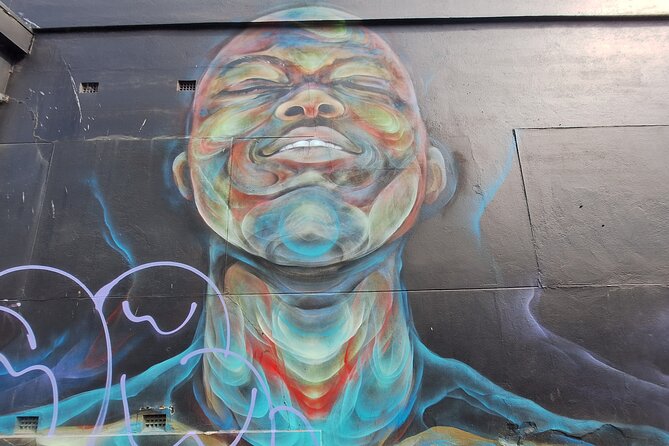
Adelaide can feel orderly from the outside. But the moment you leave the wider streets, the city turns into a walking gallery. That’s the core idea behind this Hidden Adelaide street art tour: it slows you down just enough to notice what most people miss when they’re rushing between major landmarks.
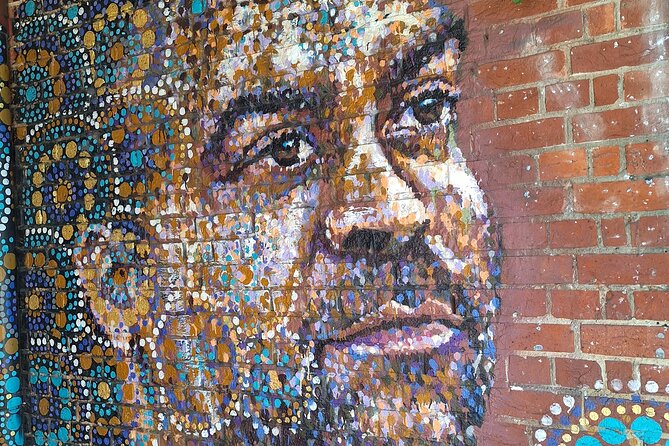
The best part is that the art isn’t treated like a separate activity. It’s tied to place—back streets, odd corners, and everyday paths. You’ll learn about the art and the artists, which helps you see the difference between decoration and expression. And because you’re moving location to location, the city keeps changing around you, instead of feeling like one long stretch of looking.
Even if you’ve been to Adelaide before, this style of walk is a useful reset. It teaches you how to see the city properly. Instead of scanning forward, you start checking the walls beside you, the details above head height, and the little surprises at ankle level.
A few more Adelaide tours and experiences worth a look


Meeting at 25 Pirie St and ending near Hindley Street
The tour starts at 25 Pirie St in Adelaide. From there, you’ll work your way through central lanes and key city streets, ending at the corner area on North Terrace and Frome Rd, with the tour finishing on Hindley Street. That end point matters more than it sounds: it’s close to tram and train options, and the guide is there to help you figure out where to go next.
The start time is 2:00 pm, which is a smart choice if you want a midday break beforehand and still have evening time after. If your plans include dinner in the west end, this finish location can save you from the usual shuffle with taxis.
You’ll also use a mobile ticket, and you’ll receive confirmation at booking time. That keeps things simple on the day—no hunting for paper passes.
A 2-hour walk that’s built around looking up, looking down

This is listed as about 2 hours, and the route is designed to be doable for most people. The important number isn’t the exact time. It’s the walking distance: not recommended if you can’t manage around 3km over the 2 hours.
In practice, that means you should plan footwear like you would for a normal city day: comfortable shoes first, then worry about style. Street art tours reward attention, and attention is easier when your feet aren’t angry.
The group size is small—up to 12 people—so you’re more likely to hear the guide clearly and ask questions without feeling like you’re shouting over a busload. You also get a better sense of the guide’s pacing. Stops are short and frequent, with one longer section later in the walk.
The tour also runs as a weather-dependent activity. If the conditions aren’t right, you’ll be offered a different date or a full refund. In other words: bring a light layer if Adelaide weather does its usual switch-up.
Stop 1: Pilgrim Uniting Church sets the tone fast
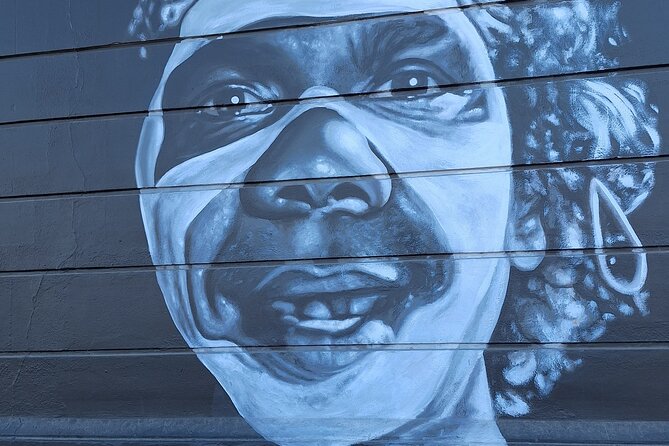
The first stop is Pilgrim Uniting Church, with about 10 minutes here. It’s a good place to start because it signals what the tour is really about: not just street art slapped on a wall, but art living in everyday surroundings.
Expect a guided moment that frames what you’re about to see. You’ll learn about the art and the artists, then get a chance to wander past multiple works in the area. The tour is built around variety, so this opening isn’t meant to exhaust you—it’s meant to flip the switch in your brain from seeing Adelaide as streets to seeing Adelaide as surfaces.
A practical tip: when the guide gives context, listen. It can change the way you interpret what you see next. Street art often looks easy at first glance, but meaning shows up when you know what to look for.
Stop 2: Grenfell Street keeps the momentum
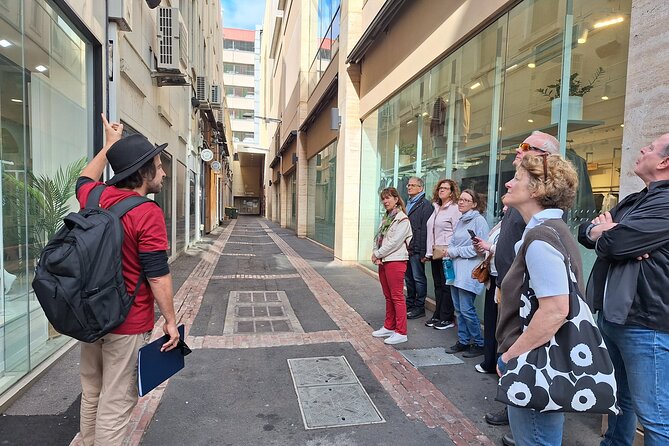
Next up is Grenfell Street, another 10-minute stop. This is where the walk starts to feel like an urban loop—short enough that you stay curious, long enough that you can register what’s around you.
The tour’s framing stays consistent: you’ll learn about the artwork and its creators, then take a quick wander to spot details. Across the whole route, the promise is to see over 40 pieces of street art, and the short stop rhythm helps that number feel realistic instead of forced.
If you like photos, this is a good section to practice. Don’t just snap the big mural. Try catching smaller pieces and textures. The guide’s approach encourages you to look at how the art fits the architecture—how the message sits with the building, not just on it.
Stop 3: Rundle Mall adds contrast and location awareness
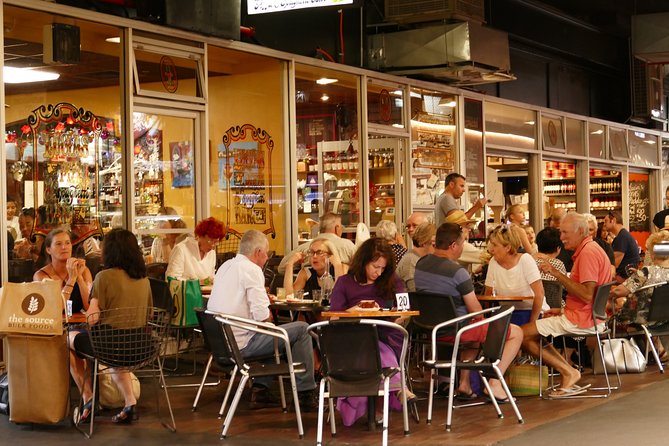
Then you hit Rundle Mall for about 20 minutes. This is a contrast stop. You’re moving from back streets to a more well-known city zone, and that matters because it shows how street art can exist in the busiest places too.
Here’s why this stop is valuable: it helps you map the city in your head. After a couple of laneway moments, you start to notice patterns—how streets connect, where key corners sit, and which areas feel like creative corridors. Even if you don’t consider yourself a city planner, this kind of orientation helps you enjoy the rest of Adelaide more.
You’ll still get guided commentary about the art, and you’ll be encouraged to keep scanning. Street art in the city can be easy to miss when you’re only watching where you’re walking. The tour’s style pushes you to slow down visually without slowing down physically too much.
Stop 4: Hindmarsh Square is a quick reset with local flavor
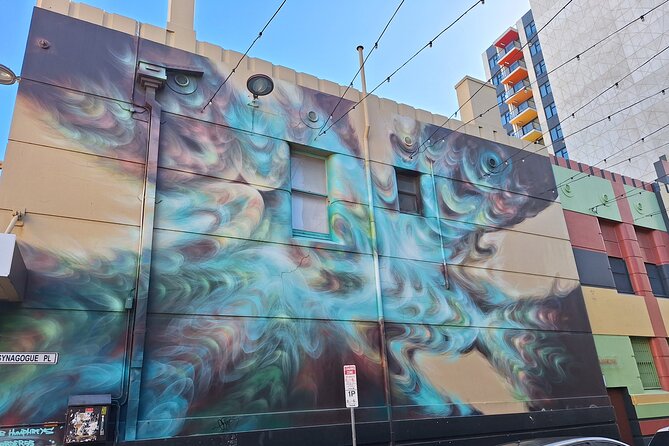
Hindmarsh Square is a shorter 10-minute stop. Think of it as a palate cleanser. You get another chance to read the street art in a different context and to hear more local connections.
This is where the guide storytelling becomes part of the experience, not an accessory. The tour doesn’t treat street art like a checklist. It treats it like a snapshot of Adelaide’s evolving urban culture—who lives here, who built these spaces, and how artists respond to the city around them.
If you’re planning this tour on a day when you’ve been doing a lot of museum time, this stop helps you switch gears. You go from curated indoors to creative outdoors, and it usually feels refreshing.
Stop 5: Rundle Street East for 45 minutes is where the tour slows down
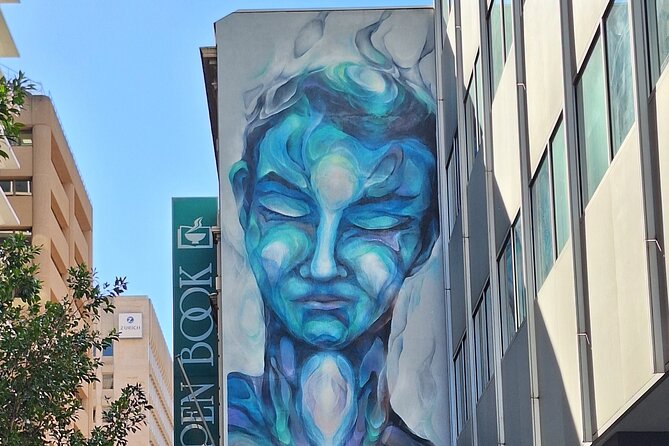
The longest section is Rundle Street East, with about 45 minutes. This is the part that turns the walk into something closer to an open-air lesson. You’ll have time to actually look, take in more complex pieces, and catch the smaller details that a fast pass would skip.
This is also where you’ll encounter some of the tour’s standout surprises, like Adelaide details you might not stumble across on your own: Adelaide’s smallest door, story moments about Adelaide’s first business woman, and local context around the city’s original market area. You’ll also be pointed toward urban canvases on buildings and the kind of street art you see when you’re paying attention to what’s right in front of you and even beneath your feet.
That underfoot detail is a big reason this tour works so well. Many street art tours are all eye-level. This one trains you to scan the ground too, which turns the experience from sightseeing into actual discovery.
If you want one section to spend extra energy photographing, make it this one. But also give yourself moments with no camera. Some of the best art doesn’t look fully formed until you’ve stood still long enough to see it like a scene.
What the guide adds: stories, artists, and real city tips
A good walking guide can do one of two things: give facts, or make you see differently. This tour does both.
The guide role is built around storytelling and interpretation. You learn about the art and the artists, and you hear about Adelaide characters and the city’s evolving urban culture. People like the experience because it feels like you’re being shown the city by someone who actually cares about it, not someone who just reads placards.
In the same spirit, you also get personalised recommendations for your stay. That’s a practical bonus. It’s not just a walk and done. You leave with a sense of where to go next—based on what you’ve seen and what kind of sights you might enjoy.
And since you’ll receive digital maps—one for top hot spots and another for more street art—you have a built-in plan for continuing the theme after the tour ends.
One small but helpful detail: at the end point, the guide is on hand to help with directions to where you need to go next.
Price and value: $45.90 for 2 hours with maps and charity support
The price is $45.90 per person for about 2 hours, and that’s not an impulse buy. So let’s talk value in plain terms.
What you’re paying for isn’t just walking beside murals. It’s interpretation, route design, and take-home tools. Included are:
- a local guide
- a digital map of top Adelaide spots
- a second digital map for more street art to explore
- personalised recommendations
- and a donation to a local charity
Also, the group limit of 12 travelers max suggests you’re paying for attention, not just transport.
If you’re the kind of visitor who likes to wander independently, the maps alone can make the tour feel like it keeps working after you’re done. If you’re new to Adelaide, the guided context helps you avoid random wandering and gives you a direction fast.
The tour also has a free cancellation window up to 24 hours before start time, so you’re not locked in if weather or timing goes sideways.
What to bring (and what to skip)
This one is easy to prep for, because the tour doesn’t ask for special gear. But do these:
- Wear comfortable walking shoes. You’ll cover about 3km over 2 hours.
- Bring your own water. Bottled water isn’t included.
- Dress for good weather, since the experience requires it.
If you like photos, bring a phone with decent battery and consider a small power bank if you’re doing other outings afterward. Street art details can tempt you to shoot lots of short clips and close-ups.
Also, set your expectation: street art changes. Some pieces might be fresh, some might be faded, and some might evolve. That’s part of the point of doing it as a living city activity rather than a museum stop.
Who should book this tour, and who might not love it
You’ll likely have a great time if you:
- like street art but want it explained beyond just what it looks like
- enjoy walking and can handle 3km at an easy tourist pace
- want a quick way to orient yourself in central Adelaide
- want a guided route plus maps for follow-up exploring
It may be less ideal if you:
- need more than a moderate walking load
- prefer fully indoor, seated experiences
- get uncomfortable with weather changes
The group size stays small, and the pace is designed with short stops and one longer segment, so it’s generally a good fit for first-timers and returning locals alike.
Should you book Hidden Adelaide: Laneways and Street Art Tour?
If you’re looking for a way to understand Adelaide quickly, this is one of the most efficient options. For $45.90, you get a guided walk that teaches you how to look at the city—up, around, and even down—plus maps and recommendations you can use immediately after.
My advice: book it if you want street art with context and you’re comfortable walking for a couple of hours. Skip it if walking that distance is a stretch for you, or if your schedule can’t handle a weather-dependent outing.
If you do book, treat it like a guided vision training session. You’ll come away with a better eye for Adelaide, not just a handful of photos.