REVIEW · MARSEILLE
Marseille: Street Art Walking Tour and Local Drink
Book on GetYourGuide →Operated by My Days in France · Bookable on GetYourGuide
Spray cans, shutters, and market noise. This street art walking tour turns Marseille into a living gallery, from Noailles to Cours Julien. I especially like the off-beat neighborhoods, and I like that you walk with a passionate guide who actually talks through what you’re seeing. One possible drawback: one past booking mentioned a group-mix issue (a stranger added without notice), so if you’re booking with friends, it’s smart to ask how grouping works.
You’ll get a small, friendly group feel, plus time for questions, not a rush-through script. The tour ends with something practical and fun: a local drink in the area, so you can keep chatting while the neighborhood is still in motion.
This is best for travelers who enjoy walking and hands-on street-level atmosphere. Wear comfortable shoes, and if you have mobility limitations, note that it’s not suitable for people with mobility impairments.
In This Review
- Key highlights to look for
- Marseille street art starts in Noailles, not the postcard spots
- Your Noailles stop: market sights, legendary shopfronts, and a tea-and-pastry reset
- Cours Julien: the 1980s urban art movement you can still feel today
- Reading the walls: frescoes, techniques, and local artists
- Marseille architecture cues you to look up (and notice details)
- The included mint tea and pastry: a small stop that makes the tour feel human
- Ending with a drink: why the finish feels like part of the neighborhood
- Price and value: is $104 per person fair for this 2-hour walk?
- Who this tour suits best (and who might want a different plan)
- Quick tips so you get more out of every minute
- Should you book this Marseille street art walk?
- FAQ
- How long is the Marseille street art walking tour?
- Where do I meet the guide?
- What’s included in the price?
- Does the tour include food or drinks during the walk?
- What languages is the guide available in?
- Is the tour suitable for people with mobility impairments?
- Can I cancel and still get a refund?
Key highlights to look for
- Noailles, the belly of Marseille, with a colorful daily market and legendary local shops
- Mint tea plus a pastry, a simple stop that helps you slow down and taste the neighborhood
- Cours Julien’s 1980s street art story, where old market warehouses became cultural spaces
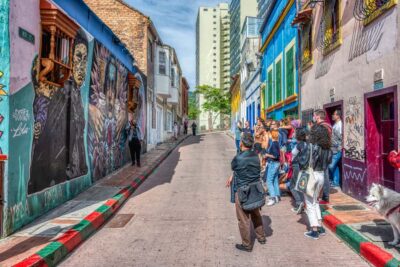
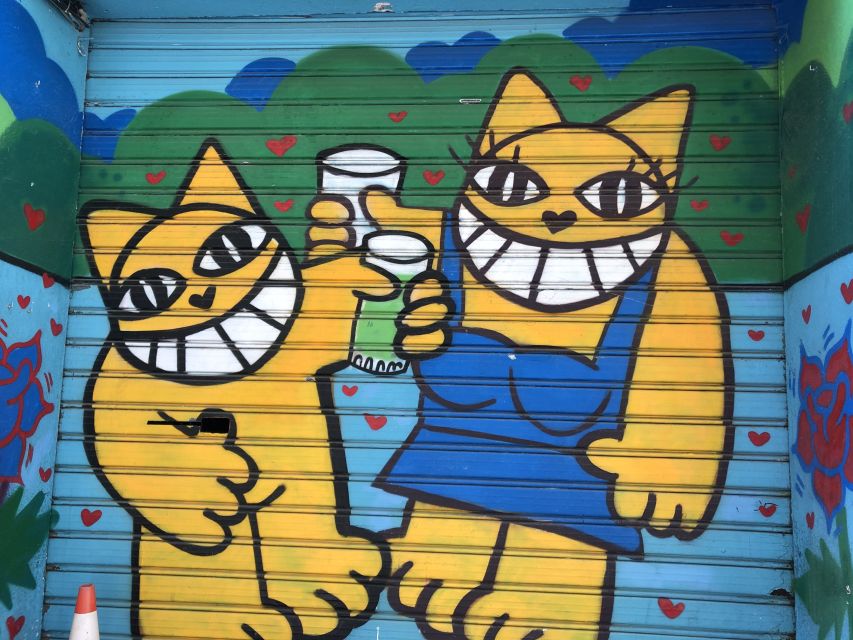
- Giant frescoes and street-level details like colorful shutters and clothes drying in the sun
- Learning the different street art techniques and spotting French and local artists
- A finish at a local cool spot for an included drink (alcoholic or non alcoholic)
Marseille street art starts in Noailles, not the postcard spots
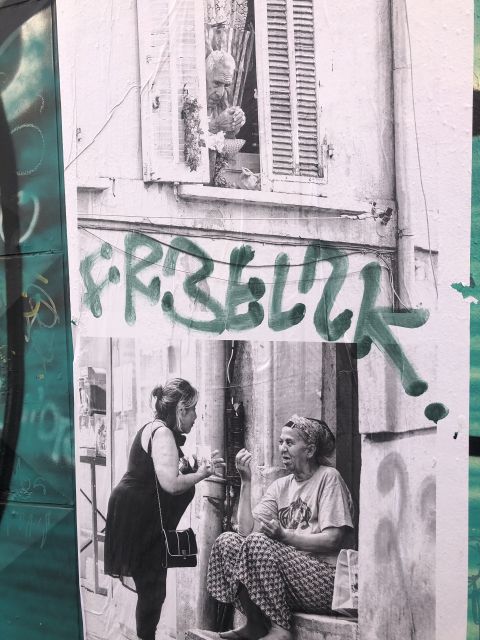
If you want Marseille as it really feels, start in Noailles. This district has a working-market energy, and it’s known as the belly of Marseille for a reason: daily life shows up fast—voices, color, and the kind of commerce that locals use without thinking.
Here’s what makes this part of the tour work for you. You get beyond “pretty walls” and into the social context around the art. Noailles is lively, but it also faces challenges now, and your guide connects what you see on the street with the neighborhood’s reality, so the murals and shopfronts don’t feel random.
I also like how the tour points out specific local anchors, not just general impressions. You’ll hear about legendary shops, including the oldest drugstore in France, created in 1827—the sort of detail that makes a neighborhood feel grounded instead of staged.
One practical note: this area is active. You’ll want to keep your attention on the street and your footing, because it’s not a quiet museum walk.
Your Noailles stop: market sights, legendary shopfronts, and a tea-and-pastry reset
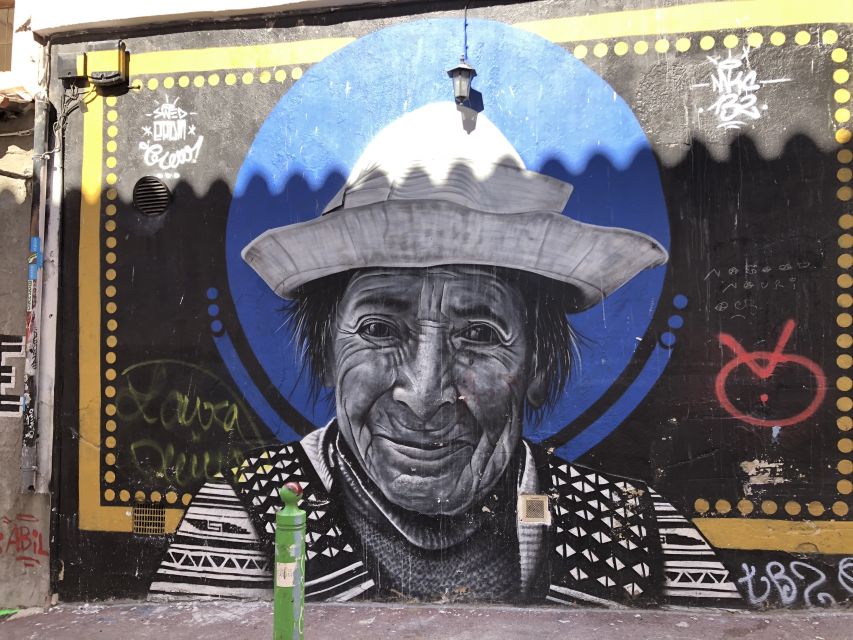
In Noailles, you’ll spend time where the district’s texture is strongest. Expect to see the daily colorful market vibe and legendary shops that long-time residents still talk about like institutions, not attractions.
The tour includes a pause for tea mint with a delicious pastry. That stop matters more than it sounds. It’s not only a snack; it’s a rhythm change that lets you absorb the street scene without rushing, and it gives you a natural moment to ask your guide questions while everyone else keeps doing their thing.
This also helps you understand the neighborhood from the inside. When you sit for mint tea, you’re not just refueling—you’re practicing the idea that street art and street life are connected. In Noailles, that connection feels especially real because the market is constant.
You’ll also notice typical Marseille visuals as you walk: small buildings, and that familiar coastal look of color and daily routines. It’s the kind of background detail that makes the photos better, but it’s also the kind of detail that helps you feel like you’re walking through real streets, not a themed set.
Cours Julien: the 1980s urban art movement you can still feel today
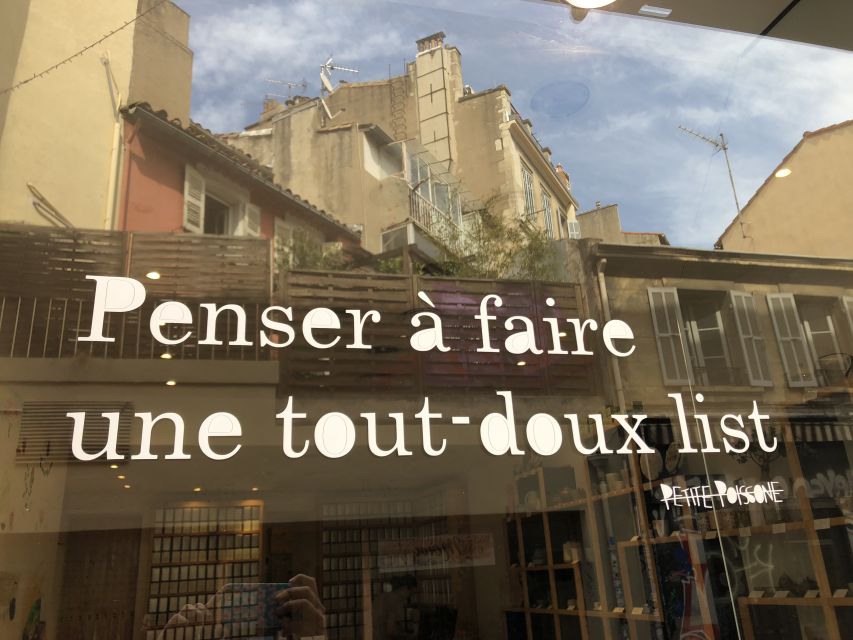
After Noailles, you shift gears toward Cours Julien. This is where Marseille leans more cosmopolitan and artistic, and you start seeing street art as a long-running culture, not a one-season trend.
Cours Julien ties strongly to an urban art movement that began in the 1980s. Your guide helps you connect that timeline to what’s on the street now. You’ll walk past the feel of older market-garden warehouse spaces, which have been replaced over time by music stores, art studios, theaters, second-hand boutiques, bars, and cafés.
That mix is the point. The street art here isn’t just on walls; it’s wrapped into how people hang out, shop, rehearse, and create. It’s why the area reads as alternative culture and street art-friendly, even if you’re not there to “find art” in the usual way.
You’ll also meet the crowd. The tour is designed to move through a place that draws a diverse mix—hipsters, punks, students, families, children, and hippies relaxing along Cours Julien. That’s a big part of the value: you see how the neighborhood’s identity shows up in real human variety, not just signage.
Reading the walls: frescoes, techniques, and local artists
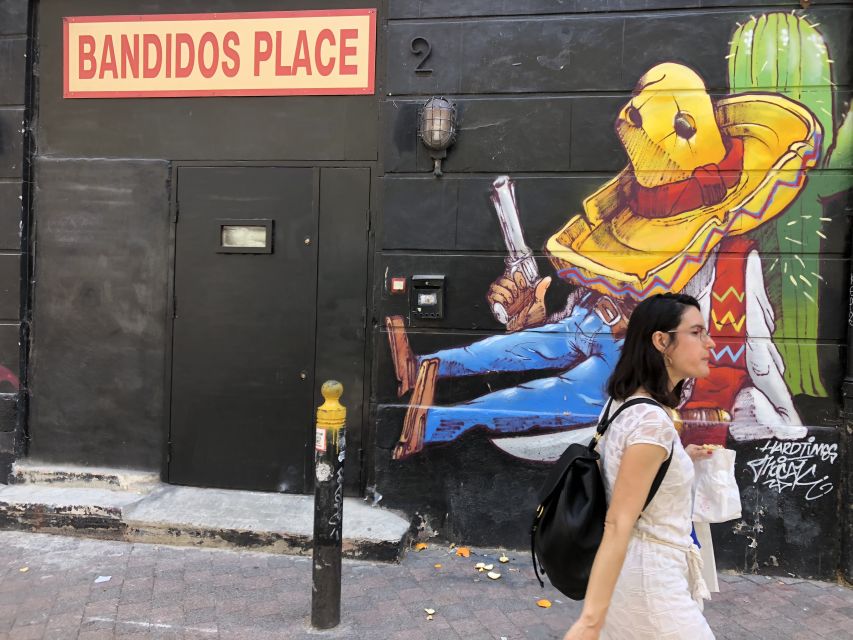
Street art can be flashy, but it gets better when someone helps you read it. On this tour, you learn about different techniques and what each creator is doing with style and materials.
You’ll admire giant frescoes and amazing artworks up close. More importantly, you’ll discover how artists use different approaches, not only what the art looks like. That’s where a passionate guide earns their fee, because you start spotting clues you’d normally miss—things like how a piece is built, layered, or styled to fit the street and the setting.
Your guide also points out French and local artists, which helps you feel the art as part of Marseille, not imported street trends. And because it’s a walking tour, the art is presented in the flow of the neighborhood, so you understand how a mural interacts with the architecture around it.
If you’re lucky with your guide, it can become extra memorable. One past booking highlighted a guide named Elisabeth as being especially engaging and full of street art knowledge, with the tour feeling fun and personally guided rather than generic.
Marseille architecture cues you to look up (and notice details)
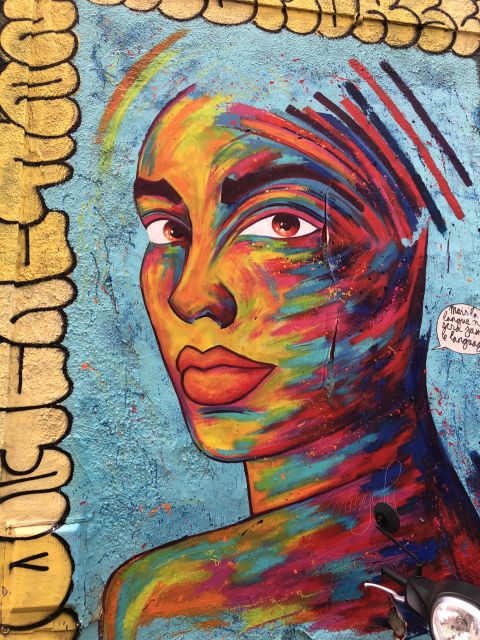
Even if you come for street art, you’ll be glad the tour pays attention to the visual language of Marseille. You’ll notice small buildings, colorful shutters, and clothes drying in the sun—little details that make the street feel like a place, not a backdrop.
This matters for your photos, but it also changes how you experience the art. Murals look different when you understand the color palette of the streets around them, and shutters and balconies can create a natural frame for what you’re seeing.
One of the hidden benefits of a two-hour format is that you stay focused. You’re not wandering for a half day. You get enough time to look closely and ask questions, without tiring out before the best walls.
The included mint tea and pastry: a small stop that makes the tour feel human
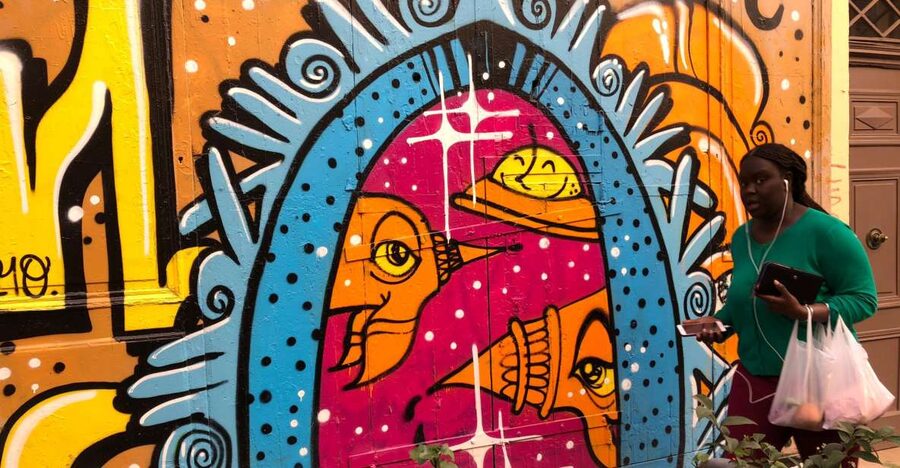
The tea mint with a pastry is one of the smartest “included” items on the itinerary. It’s not a fancy add-on; it’s a practical way to slow down and let the neighborhood take over.
If you’re someone who gets hungry or thirsty while walking, this prevents the common problem where you hit a great district and then have to hunt for food on your own. You already know you’ll get a break built in.
It also gives you time to chat with your guide. Since the tour is set up for questions and conversation, this is often when people ask about what they’ve seen so far—why certain styles appear in certain areas, or how street art fits into the district’s changing life.
Ending with a drink: why the finish feels like part of the neighborhood
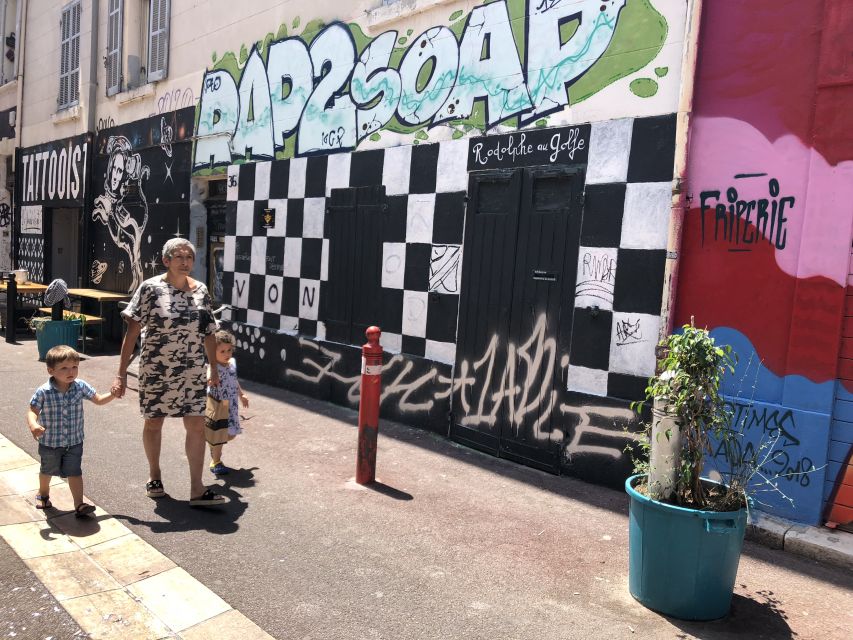
The tour ends around a drink in a local cool place from the area. That last hour (or last stretch) is more than a reward. It’s how you stay in the neighborhood’s rhythm after the walk.
An included alcoholic or non alcoholic drink is also good value for most budgets. Two hours of guided walking plus a drink can easily become a better deal than you’d expect if you had to pay for both a tour and a place to sit down afterward.
And since Cours Julien has that mix of alternative culture spots, it’s the right kind of ending. You’re not dropped into a sterile viewpoint. You end where people actually linger—bars, cafés, and social corners that match what you just learned on the street.
Price and value: is $104 per person fair for this 2-hour walk?
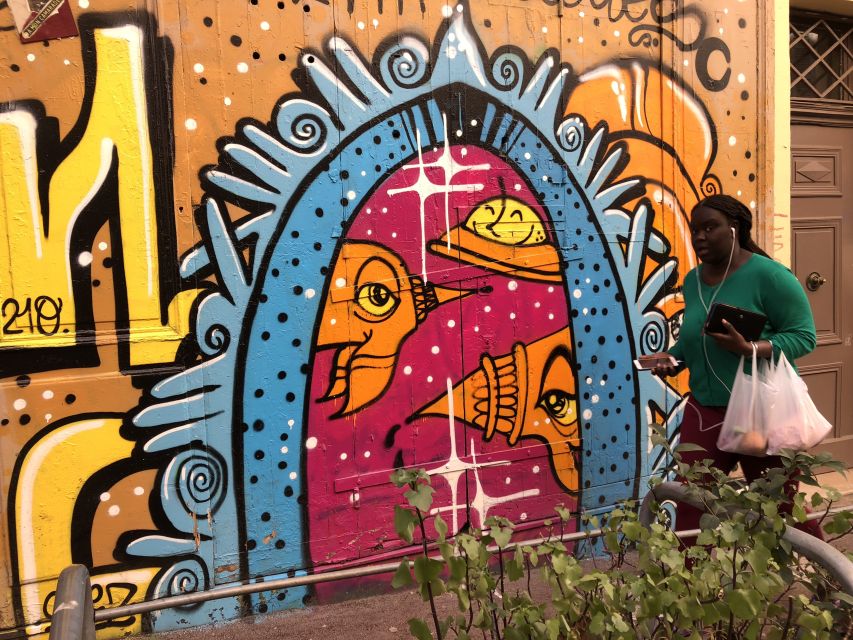
At $104 per person for a 2-hour experience, the question isn’t just whether it’s “expensive.” The real question is what you’re getting for that time.
Here’s the value breakdown based on what’s included and what’s emphasized:
- A local licensed guide who handles two neighborhoods with different vibes
- A walk designed to be off-beat, focused on street art and the districts behind it
- Tea mint and a pastry, which keeps the experience from feeling like only walking and spotting murals
- An included drink (alcoholic or non alcoholic) at the end
- A small group atmosphere with room for questions and conversation
If you’ve tried “see the sights” tours in big cities, you know how easy it is to end up with quick stops and little context. This one is positioned more like a guided interpretation of place—Noailles for everyday energy and Cours Julien for street art culture—plus built-in pauses.
So yes, I think the price can make sense if you care about understanding what you’re seeing. If you mainly want snapshots and don’t care about the stories behind technique, artists, and neighborhood change, you might feel it’s more structured than you need. But if you like street art as culture and conversation, the pacing fits.
Who this tour suits best (and who might want a different plan)
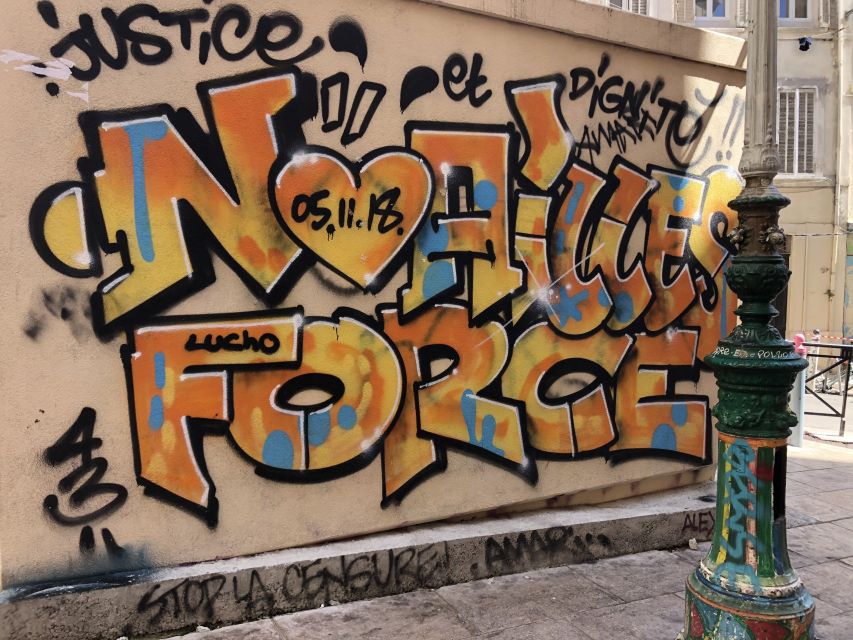
This tour is a great match if you:
- enjoy walking through lived-in neighborhoods more than checking off landmark photos
- like street art with context—techniques, artists, and why the murals exist where they do
- want a guide you can actually ask questions to, not a headset narration
- prefer small-group energy and a friendly, social finish with a drink
It’s also useful if you’re short on time in Marseille. Two hours is long enough to connect two districts, but short enough to feel doable even if you’re planning other meals and explorations later.
It’s not the right choice if you need mobility support, because it’s not suitable for people with mobility impairments. And if you’re expecting a super polished, quiet route, this is the opposite. It’s a city walk in active districts—market life and street texture included.
Quick tips so you get more out of every minute
Bring comfortable shoes. That’s not a generic warning; it’s the difference between enjoying the walk and counting down the route.
Also, come ready to look up and around. The tour highlights street-level details like shutters and drying clothes, and those small cues help you understand the murals as part of the everyday environment.
Finally, if you’re booking with friends, consider asking in advance how the small-group setup works. One reported issue involved a stranger being added without notice when a group was expecting to stay together. You can’t control everything, but checking your expectations early is a simple way to avoid awkwardness.
Should you book this Marseille street art walk?
If you want Marseille as more than a list of sights, I’d book it. The combination of Noailles market atmosphere, mint tea with pastry, and the street art culture of Cours Julien makes the tour feel like a real slice of city life rather than a surface photo hunt.
I’d especially recommend it if street art is your entry point into a place, because the guide’s focus on techniques, artists, and neighborhood context helps you see more than the obvious visuals.
If you’re very sensitive to group mixing or you’re traveling with a tight party plan, message the operator before booking and ask how groups are handled. With that one consideration in mind, this is a smart, memorable use of a couple hours in Marseille.
FAQ
How long is the Marseille street art walking tour?
The tour lasts 2 hours.
Where do I meet the guide?
Meet at 5 Cours Saint-Louis, 13001 Marseille.
What’s included in the price?
A local licensed guide, a walking tour of the artistic and bohemian districts, and one drink included (alcoholic or non alcoholic).
Does the tour include food or drinks during the walk?
Yes. The experience includes mint tea and a delicious pastry, plus an included drink at the end.
What languages is the guide available in?
The tour guide is available in English, French, and Spanish.
Is the tour suitable for people with mobility impairments?
No, it is not suitable for people with mobility impairments.
Can I cancel and still get a refund?
Free cancellation is available up to 24 hours in advance for a full refund.