
REVIEW · OTTAWA
Ottawa: National Gallery of Canada Admission
Book on GetYourGuide →Operated by National Gallery of Canada · Bookable on GetYourGuide
Ottawa’s National Gallery hits fast. Step into Moshe Safdie’s glass-and-granite building and follow Ankosé, the idea that everything is connected.
I love the way your day mixes major exhibitions with artist talks and workshops, so you get more context than you would from gallery labels alone. I also like that you can create your own art during the hands-on activities.
One possible drawback: this is admission plus talks, not a full guided walkthrough, so if you want lots of explanation you’ll need to rely on signs, labels, and the talks themselves.
In This Review
- Key highlights worth planning around
- Why the National Gallery’s building is part of the show
- What you’re actually buying: admission to a 1880-founded collection
- Your 1-day game plan: start at the main entrance and build your own route
- How to use the artist talks and workshops (so you don’t feel lost)
- Hands-on art-making: when you go from viewer to maker
- Garden court and viewpoints: the payoff after the galleries
- Price and value: is $18 worth it?
- Who this fits best (and who may want more guidance)
- Should you book this National Gallery admission?
- FAQ
- FAQ
- How much does admission cost?
- How long is the experience valid?
- Where do I meet for the experience?
- What’s included with the ticket?
- Are meals included?
- Is there a personal tour guide included?
- Is the museum free at certain times?
- Is it wheelchair accessible?
- Can I cancel or change my booking?
- Can I reserve now and pay later?
Key highlights worth planning around
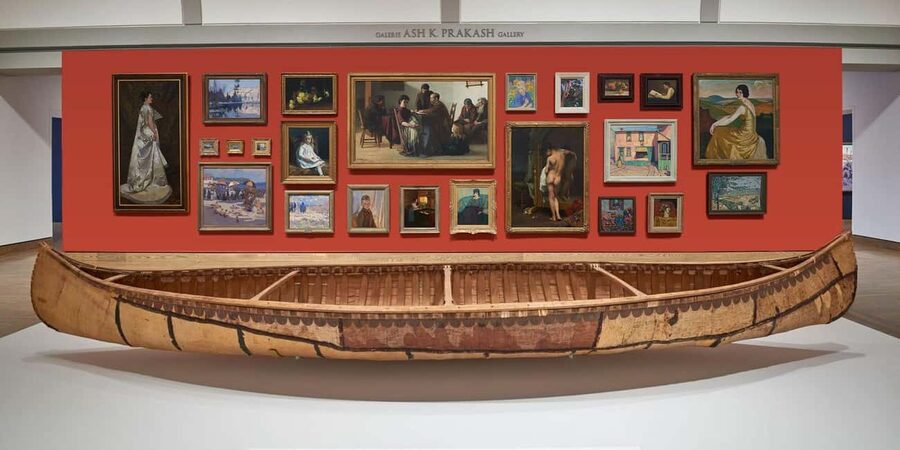
- Moshe Safdie’s architecture: light-filled, glass-heavy spaces that make art feel even more immediate
- Ankosé (everything is connected): a guiding theme you’ll see woven into the experience
- Indigenous and Canadian art strength: among the best collections in the world for this focus
- Artist talks and workshops included: built-in chances to ask questions and get real-world context
- Hands-on art-making: you don’t leave only as a spectator
- Garden court + photo-friendly moments: a calmer pace with memorable Ottawa views
Why the National Gallery’s building is part of the show
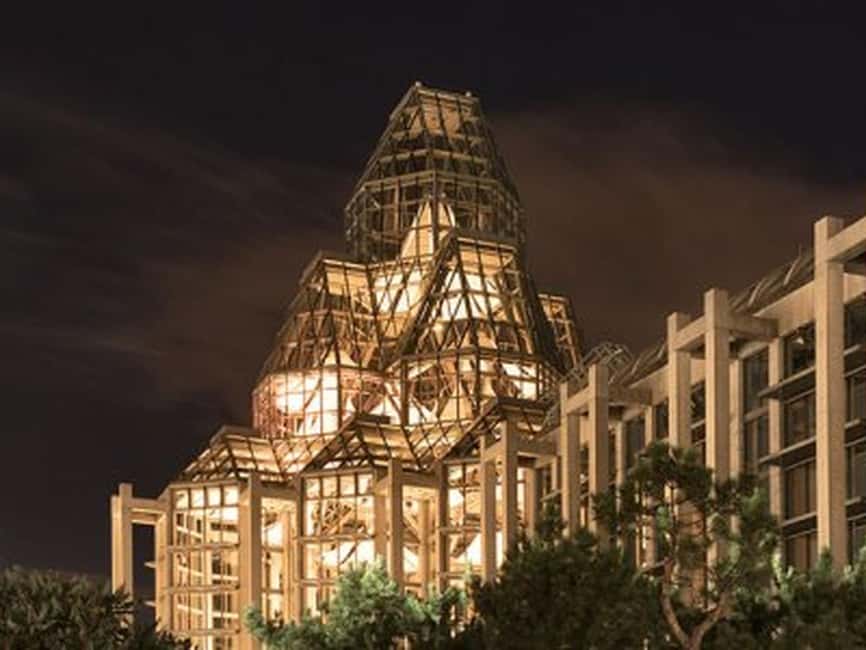
The National Gallery of Canada is not just a place to see art. The building itself sets the mood right away. Designed by Moshe Safdie, it’s all about light, glass, and that wow factor when you first enter—especially in the big public rooms where you can quickly get your bearings.
You’ll also appreciate the practical side of the design. Big openings and clear sightlines help you orient fast, which matters because this is a self-paced admission experience. One of the easiest ways to enjoy the day is to start with the most open, high-energy areas first, then slow down as you move into exhibitions.
If you like a good view, plan for it. People often mention the Parliament Hill sightlines from inside the Gallery, and there’s also a well-known exterior photo moment featuring Maman, the spider sculpture outside the building. For another Ottawa viewpoint, there’s even a named spot called Kiweki Point View that you can look up once you’re there.
And don’t skip the garden court. It’s one of those places where your brain can reset between galleries—quiet, open, and a nice contrast to indoor rooms full of detail work.
You can also read our reviews of more tours and experiences in Ottawa.

What you’re actually buying: admission to a 1880-founded collection

This isn’t a tiny museum where you can sprint through in an hour. The Gallery was founded in 1880, and its collections span from antiquity to modern and contemporary work. That broad range sounds broad on paper, but on site it creates a satisfying rhythm: older works give you historical grounding, then later galleries show how ideas and techniques keep evolving.
Here’s the real reason to care: the National Gallery of Canada is especially strong in Indigenous and Canadian art. If you want a place where that artwork isn’t treated like a side category, this is one of the most dependable options in the country.
You’ll also see art across multiple mediums—photography, sculpture, painting, installation, and decorative arts. That variety is useful if you’re traveling with different tastes. Someone who likes one medium usually won’t feel trapped; you can spread your attention across the collection without losing the thread.
Finally, pay attention to the Gallery’s stated mandate: it’s built around sharing visual arts with Canadians and collaborating with artists and organizations globally. In practice, that means you’re not only looking at famous works—you’re also seeing how the Gallery frames art as a story you can connect to your own life.
Your 1-day game plan: start at the main entrance and build your own route
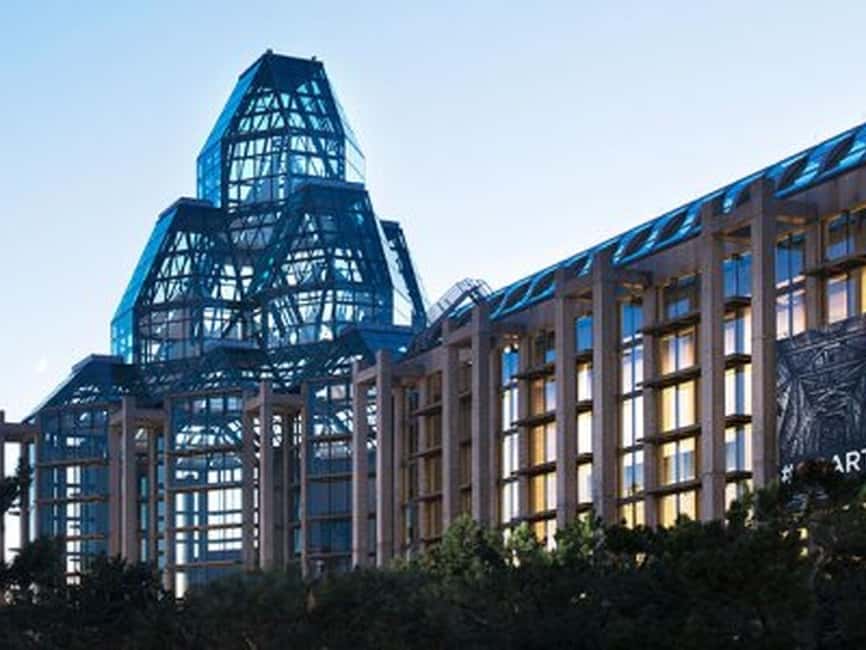
Your meeting point is the main entrance, and that’s the right place to set your rhythm. Give yourself a few minutes before rushing in. Glance at what’s on view, check where the artist talks are happening, and decide whether you want your day to feel more like a loop (architecture first, then art) or more like a paced itinerary (talks first, exhibitions second).
A solid approach for a 1-day visit:
- Spend your first block in the biggest, easiest-to-navigate exhibition spaces. This helps you get oriented and gives you momentum.
- Midday, switch into slower galleries. That’s where the art tends to reward time spent reading, comparing, and letting themes show up.
- Save room at the end for the garden court and any final must-sees, plus the outside photo stops like Maman if that’s on your list.
Because you’re not here on a full guided route, you’re in control of what you prioritize. That’s a plus—especially if you’re the type who likes to linger when a work grabs you. If you’re not sure how long things will hold your attention, build in flexibility by not committing your whole day to a single wing.
Also, keep one theme in your mind: Ankosé, meaning everything is connected. It’s not just a word on a wall. It’s a lens the Gallery uses to tie together the idea of how artworks, cultures, and perspectives connect.
How to use the artist talks and workshops (so you don’t feel lost)
This experience includes entry to artist talks. That detail matters because a ticket like this can either feel like a passive museum visit or a more meaningful one, depending on how you approach it.
If you’ve ever walked through galleries and felt like you were missing the point, you’ll probably get value from the talks and the workshop format. Talks tend to put names, process, and context back into the works. Workshops add another layer because you see art not only as something finished, but as something made.
I also think this is where the “admission plus talks” structure can work in your favor. You get freedom to move around, while still having structured moments where you can get clearer explanations. You’ll want to plan your day so you don’t accidentally end up in the wrong place right when a talk starts.
One caution: there are also visitors who want more detailed explanation inside the galleries themselves. This ticket doesn’t include a personal guide. So if you know you’re the type who needs lots of interpretation, treat the talks as your main fix for that.
Practical tip: before the talk begins, skim the gallery area around it. Even a quick look helps the talk land better once you hear how the artist thinks and works.
Hands-on art-making: when you go from viewer to maker
One of the best parts of this experience is the chance to create your own art. That’s not just a fun extra; it changes how you experience everything else in the Gallery.
When you make something—even something small—it helps you notice craft. You start paying attention to composition, texture, color choices, and how decisions get made. Later, when you return to exhibitions, your eyes often reorganize. You see process, not just result.
The art-making activities are included in the experience highlights, but the exact format (materials, pace, and what you’ll produce) isn’t detailed here. So I’d treat this as a do-when-you-see-it kind of activity: check what’s offered during your visit window and take it seriously, not as an afterthought.
If you’re traveling with kids or teens, this section can be the difference between a day that feels long and a day that feels worth it. And even if you’re an adult who rarely touches a brush, giving yourself permission to try is a great way to slow down and connect with the themes the Gallery is trying to express.
Garden court and viewpoints: the payoff after the galleries
After time inside, it’s smart to end with open air and light. The Gallery’s garden court gives you a breather. It’s a calmer pace where you can sit, reset, and let the art you saw settle into your memory instead of racing into more rooms.
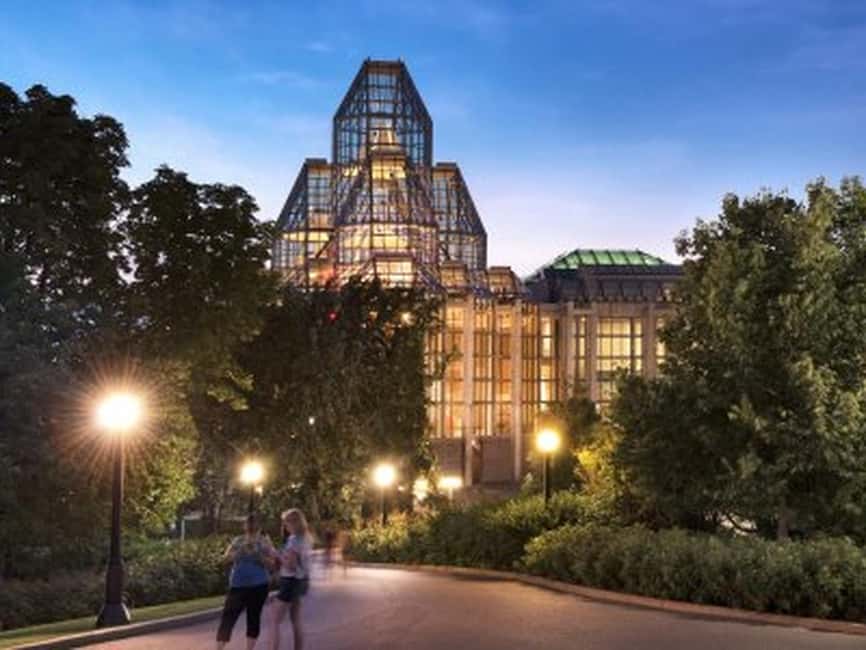
This is also where you can stack your photo moments without turning the whole day into a camera chase. People often mention the Great Hall as a photo-friendly stop, and since you’re already in a glass-and-granite landmark building, those views feel more interesting than a generic museum hallway.
If Ottawa views matter to you, take advantage of them while you still have energy. The Parliament Hill perspective gets mentioned frequently, and Kiweki Point View is worth looking up when you’re inside. Even if you’re not obsessed with skyline shots, those moments add a sense of place—so the art feels like it belongs to Ottawa, not just to an exhibition calendar.
Price and value: is $18 worth it?
At $18 per person, this is priced for people who want real art time without turning the day into an expensive add-on festival. What you’re getting matters more than the number.
Your ticket includes:
- Admission to exhibitions
- Entry to artist talks
That’s key. If you were paying separately for those components, the value would likely feel much less clear. Here, the structure supports a full museum day plus at least one chance to hear from artists.
Also, the overall feedback score is strong—4.7 out of 5 across the provided customer reviews. That doesn’t mean every visit will match your taste, but it signals that most people walk out happy with the experience as delivered.
One more value twist for your planning: the museum is free on Thursdays from 5 to 8 pm. If your schedule allows, that can turn this from a good deal into a great one. I’d seriously consider timing your visit around that window if you’re flexible.
Who this fits best (and who may want more guidance)
I think this admission experience is a great fit for you if:
- You want a serious art stop in Ottawa, especially for Canadian and Indigenous art
- You enjoy artist talks and want context without booking a private guide
- You like the idea of hands-on art-making as part of a museum visit
- You’re after a calm, architecturally beautiful day with time to wander
It may be less ideal if:
- You expect a full guided explanation for every room (this ticket doesn’t include a personal tour guide)
- You’re sensitive to how exhibitions are presented or explained
- You tend to want a very structured itinerary with no decision-making
A smart compromise if you’re in that second group: go for the exhibitions you know you care about most, then anchor your understanding with the artist talks. That way, you’re not relying only on gallery labels.
Also, if you’re shopping for art-related souvenirs, set expectations. There’s at least some frustration out there about a disconnect between boutique items and the artistic focus on display. If that matters to you, treat the shop as optional, not as a planned part of the day.
Should you book this National Gallery admission?
Yes, if your goal is a high-quality Ottawa art day where you can choose your own pacing, catch artist talks, and even make your own art. The building alone is worth the trip, but the stronger reason is the combination: major exhibitions, real artist context, and the Ankosé theme tying it together.
If you want constant narration from start to finish, you might prefer a guided format elsewhere. But for a flexible, thoughtful visit that lets you linger where you want and ask questions when you’re ready, this ticket is a strong choice.
FAQ
FAQ
How much does admission cost?
Admission is listed at $18 per person.
How long is the experience valid?
The ticket is valid for 1 day. Availability determines starting times, so pick the time that fits your schedule.
Where do I meet for the experience?
You meet at the main entrance of the National Gallery of Canada.
What’s included with the ticket?
Your ticket includes admission to exhibitions and entry to artist talks.
Are meals included?
No. Meals and beverages are not included.
Is there a personal tour guide included?
No. A personal tour guide is not included.
Is the museum free at certain times?
Yes. The museum is free on Thursdays from 5 to 8 pm.
Is it wheelchair accessible?
Yes, the experience is wheelchair accessible.
Can I cancel or change my booking?
Cancellation is available up to 24 hours in advance for a full refund.
Can I reserve now and pay later?
Yes. You can reserve now and pay later to keep your plans flexible.